Commercial Kitchen Floor Drain Odor in Miami: What It Usually Means Before the Backup Starts

A bad floor-drain smell in a commercial kitchen rarely gets attention at the perfect moment. It usually shows up when the line is still technically draining, staff are busy, and nobody wants to stop prep because "it only smells a little weird right now."
That is exactly why it matters.
In Miami kitchens, a floor-drain odor can be the easy kind of problem or the expensive kind. Sometimes it really is one neglected floor drain that lost its water seal and started letting sewer gas into the room. Sometimes it is an early sign that grease, food solids, and sludge are already coating the line downstream. And sometimes the odor is the first clue that the problem is bigger than one floor sink, because other drains, traps, or branch lines are starting to react too.
What operators need in that moment is not a vague reminder to "clean the drains." They need a better sorting question: is this one drain, one trap, one maintenance miss, or the early stage of a line problem that will turn into a backup during service?
Kitchen drain odor becomes more expensive when it is treated like a nuisance instead of an early plumbing signal with a specific source.
Why one floor-drain odor matters before dinner service gets worse
The first mistake many kitchens make is treating odor like a cosmetic problem. If the drain is not visibly backing up yet, the assumption is often that bleach, hot water, or a fast end-of-shift rinse will buy enough time to get through the week.
That is not how grease-heavy kitchen plumbing usually behaves.
Hernandez Plumbing's commercial drain cleaning in Miami page frames restaurant drains as a high-use system, not a one-fixture problem. The page calls out grease-trap rhythm, commercial kitchen drains, floor drains, older building sewers, and repeated backups that return under heavy use. That context matters because a kitchen floor drain is not acting alone. It sits inside a drain network that may include prep sinks, three-compartment sinks, floor sinks, grease-control devices, long horizontal runs, and older piping that collects residue faster than operators realize.
One bad smell therefore raises three useful questions right away:
- Is the odor strongest at one drain or spreading across the kitchen?
- Is the kitchen only smelling bad, or are there already slow-drain, gurgling, or backup clues too?
- Is this the first complaint, or part of a pattern that keeps returning after "cleaning"?
Those questions are more useful than guessing because they separate surface housekeeping from plumbing behavior. If the odor stays isolated to one rarely used floor drain, the next step is different from a kitchen where multiple drains already react during peak dishwashing or fryer cleanup.
Miami kitchens also carry a local maintenance burden that simpler online advice often skips. According to Miami-Dade's FOG page, food-service businesses that can discharge fats, oils, and grease into the sanitary sewer system need both a FOG permit and an approved grease-control device. The county is blunt about why: grease sticks to pipe walls, hardens inside the line, restricts wastewater flow, and can contribute to sewage overflows into homes, businesses, and streets.
So the smell matters not because every odor is a disaster, but because commercial kitchens are exactly the kind of environment where a small drain symptom can belong to a larger line story.
When a dry trap is the simplest explanation
Sometimes the answer really is simple, and operators should not be embarrassed by that.
A floor drain works partly because the trap below it holds water. That water acts as a seal between the room and the sewer gases in the drainage system. When the trap dries out, odor can come through even if the line is not blocked.
Hernandez's own sewer smell after heavy rain in Miami article points to this exact pattern: when the smell is strongest at one rarely used floor drain or utility drain, a dry trap or weak trap seal can be the simplest explanation. The broader plumbing principle shows up in facility guidance too. A University of Pittsburgh environmental-health note on dry traps explains that unused floor drains often smell once the water seal evaporates and that the trap has to be refilled for the seal to work again.
That means a one-drain odor can sometimes point to a maintenance miss rather than a line full of grease.
A dry-trap explanation is more plausible when:
- the odor is strongest at one floor drain,
- the drain does not see regular water flow,
- other kitchen drains are behaving normally,
- there is no active backup or standing wastewater,
- and the smell improves after the trap is refilled.
This is especially common in drains near mop areas, side prep zones, storage edges, or other spots that are technically part of the kitchen but do not get enough water movement every day to protect the seal.
That does not mean operators should stop at "pour water in it and forget it forever." It means the first question may be about the water seal, not about a full-scale drain emergency.
A practical restaurant response at this stage is:
- confirm which drain smells the strongest,
- refill the trap if the drain is low-use,
- note whether the odor improves quickly,
- and keep watching for repeat odor, slow draining, or multi-drain symptoms.
If the smell disappears and stays gone, the problem may have been trap maintenance. If it returns fast, or the drain was not low-use to begin with, keep moving down the diagnostic ladder.
When grease, sludge, or food waste is staying in the line
The problem stops being a simple dry-trap story when the odor keeps coming back even though the drain is in regular use or has already had its trap seal restored.
That is where kitchen operators should start thinking about buildup instead of only smell.
Miami-Dade's FOG fact sheet explains why restaurant plumbing behaves this way. Grease cools, hardens, and combines with solids on the walls of sewer piping. The county also recommends dry-wiping cookware, using floor-drain and sink-drain screens, posting "No Grease" signs, maintaining a routine grease-trap cleaning schedule, and training staff on those practices. Those are not abstract compliance tips. They are clues about how the drain line gets into trouble in the first place.
When odor is coming from grease, residue, or line fouling, the story often sounds different from the dry-trap version:
- the drain smells during or after heavy kitchen production,
- the smell worsens around dishwashing peaks,
- nearby floor sinks or prep drains are slower than they used to be,
- the same drain seems fine right after cleaning but worse again a day or two later,
- or the kitchen already has a history of grease-trap or downstream-line service.
This is where operators lose money by reaching for the wrong "quick fix."
Miami-Dade specifically says hot water does not get rid of FOG, and the county advises operators not to use degreasers or solvents to dissolve grease in sink drains or grease traps. Hernandez's commercial drain-cleaning FAQ makes a related point from the service side: chemical drain cleaners can damage piping, harm grease interceptors, and create liability around fumes.
So if the kitchen's current odor routine is some version of "flush it with hot water and chemical cleaner until the smell drops," the routine may be hiding the problem instead of solving it.
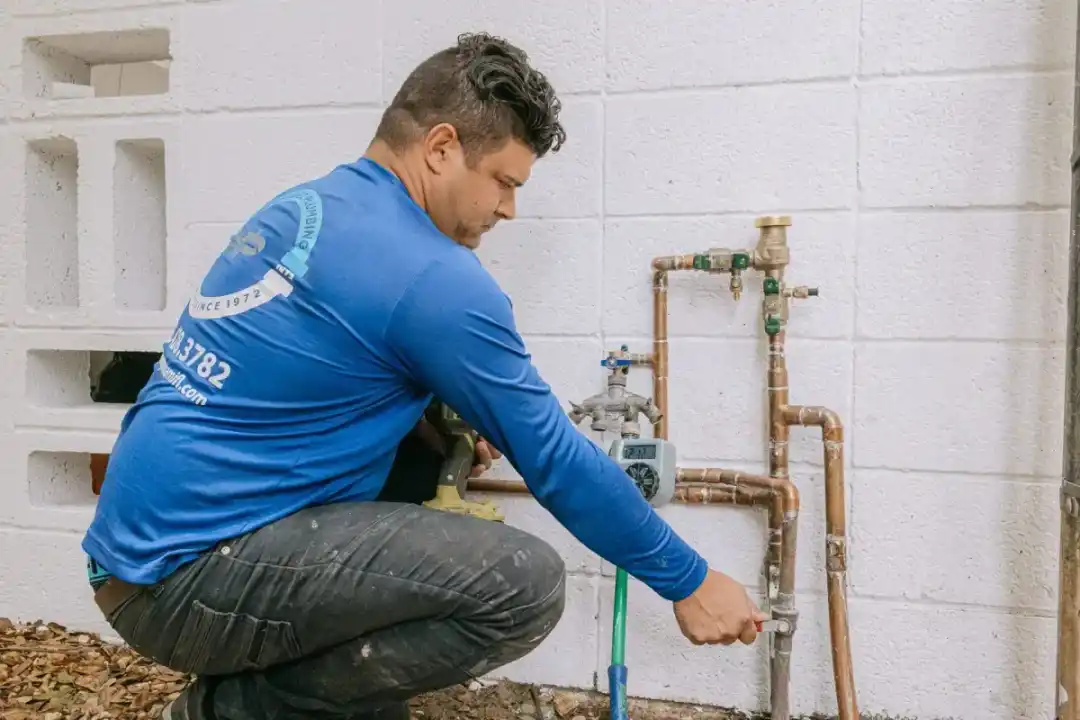 When odor keeps returning after surface cleaning, the useful question shifts from "what can we pour into the drain?" to "what is still coating the line downstream?"
At this point, one of the most useful articles already on the site is Hernandez's grease trap pumping vs. hydro jetting guide for Miami restaurants. That article helps operators separate what belongs inside the grease-control device from what is happening farther down the line.
The short version is:
| Symptom pattern | More likely next issue | Better next move |
|---|---|---|
| One low-use drain smells, other drains normal | Dry trap or weak trap seal | Restore the trap seal and watch for recurrence |
| Drain smells during production and recovers only briefly after cleaning | Grease or organic buildup in the line | Review grease habits, trap status, and likely line-cleaning need |
| Trap is overdue and the kitchen line is still slow | Device maintenance plus downstream buildup | Treat pumping and line cleaning as separate questions |
| Multiple drains react, gurgle, or back up | Larger branch-line or sewer-line issue | Move from housekeeping to diagnosis and plumbing service |
That table does not replace an inspection. It helps operators stop confusing line symptoms with janitorial symptoms.
Signs the problem has moved beyond one drain
The line between "annoying odor" and "real drain-system warning" becomes much easier to see once other fixtures join the conversation.
Hernandez's smell and drain-emergency guidance points to a clear escalation pattern: gurgling drains, multiple drains reacting at once, water appearing in floor drains, sewage odor in more than one area, and backups that move beyond a single fixture all point to a bigger problem than one smelly kitchen drain.
In a commercial kitchen, that bigger-problem pattern often shows up as:
- a floor sink that smells first, then starts draining slower,
- another nearby sink or drain that develops the same behavior,
- dish or prep drains that bubble or gurgle during peak use,
- water surfacing at a floor drain when another fixture discharges,
- or recurring complaints after the grease trap was already serviced.
Those are not "wait until next month" clues.
They suggest one of three things may already be true:
- the grease-control device is not the whole problem,
- the downstream line is already coated or partially restricted,
- or the branch/main line needs actual diagnosis before anyone guesses at the cleaning method.
Hernandez's hydro jetting page is helpful here because it explains when the company sees hydro jetting as the better tool. The site says recurring kitchen grease or scale is a classic jetting case because a cable can punch through a clog without really cleaning the pipe wall. It also says the team cameras the line when cast iron or collapse may be in play and only jets when the pipe can handle the pressure.
That camera-first point is especially important in older Miami buildings. An operator with a recurring odor problem may be tempted to ask for "the strongest thing you can do." A stronger question is: what does the line condition actually justify?
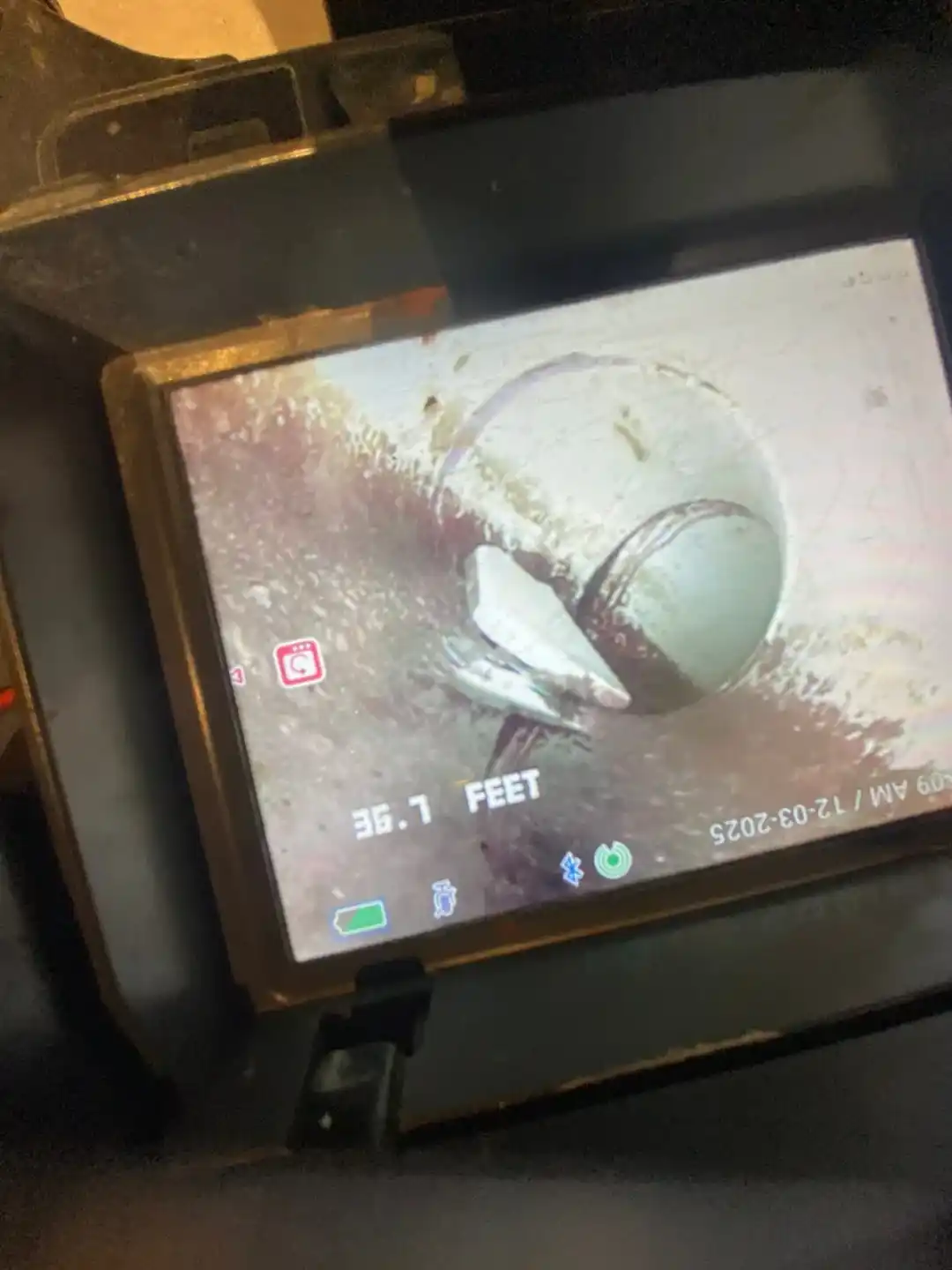 Recurring odor paired with slow drains or repeat backups usually needs diagnosis, not another round of guessing from the surface.
A few practical red flags should move the problem out of the housekeeping bucket and into the plumber-now bucket:
- the smell is paired with slow draining during business hours,
- you have already refilled a suspected dry trap and the odor still returns,
- staff report the same line or same drain over and over,
- grease-trap service happened but the kitchen still drains badly,
- or wastewater has appeared at a floor drain, cleanout, or another low fixture.
When those show up, the value is no longer in pretending the drain only needs attention from the mop sink outward. The value is in finding out what is happening inside the line before a rush service becomes a full interruption.
How Miami-Dade FOG rules change the right next step
This is where a lot of restaurant advice gets too generic to be useful.
A house drain article can stop at "you probably have buildup." A Miami restaurant article should go one step farther, because the county expects food-service businesses to think in terms of grease-control devices, maintenance, and recordkeeping instead of only calling after a blockage becomes visible.
Miami-Dade's FOG guidance says food-service establishments that can discharge FOG into the sanitary sewer system need a FOG permit and an approved grease-control device. The county's fact sheet also defines a grease trap as the device that receives wastewater and FOG from kitchen pipes and holds grease until removal by a certified liquid waste hauler.
That matters because a bad floor-drain smell may be telling you about one of two different plumbing zones:
- inside or near the grease-control side of the system, where overdue maintenance or poor staff habits are catching up with the trap,
- or downstream of the device, where grease and residue are already coating the line and normal cleaning rituals are no longer enough.
Miami-Dade's fact sheet gives operators several plain-language triggers for taking the trap seriously: overflow around the trap, a grease layer that has turned nearly solid and grey or black, drains leading to the trap backing up, or simply going several months since the last pump-out. The same fact sheet warns that poor maintenance can produce odors within the property, lead to sewer-line backups, and even cost customers if overflows or smells affect the dining experience.
In other words, the county's own guidance supports a smarter operator workflow:
- do not treat odor as a purely cosmetic housekeeping issue,
- do not assume trap pumping and line cleaning are interchangeable,
- and do not assume hot water or chemicals are acceptable substitutes for maintenance.
It also means managers should resist the habit of approving service by buzzword alone. If the drain smells, ask whether you are dealing with the trap, the line, or both. If the line has recurring buildup, ask whether diagnosis should happen before anyone decides between cable cleaning, hydro jetting, or a larger repair conversation.
That is a better local workflow than simply saying, "The drain smells again, so do whatever you did last time."
What to document before you call a commercial plumber
A good service call starts before the truck arrives.
Not because the operator is supposed to diagnose the kitchen alone, but because a few simple notes can save time and keep the plumber from starting blind.
Before you call, write down or photograph:
- which drain smells the strongest,
- when the odor shows up most clearly,
- whether the drain is low-use or active all day,
- whether any nearby sinks, floor drains, or fixtures are draining slowly,
- whether anyone has already poured chemicals or hot water into the line,
- when the grease trap was last serviced,
- and whether the issue is tied to one line, one shift, or a repeating production pattern.
That last point matters more than operators think. A drain that only stinks after fryer cleanup or after the dinner dishwashing cycle tells a different story than a drain that smells first thing in the morning before heavy water use begins.
These are also useful questions to answer internally before the call:
Is this one drain or more than one?
One drain suggests a narrower starting point. More than one drain suggests the problem has already spread past a single trap.
Is this the first complaint or a repeat pattern?
Repeat behavior makes a bigger line or buildup story more likely.
Did the trap recently get pumped?
If yes, but the odor and slow-drain pattern stayed the same, operators should stop acting as if the trap service solved the whole system.
Has anyone been using chemical cleaners as a routine?
If yes, mention that. Hernandez's commercial FAQ discourages them, and they can change what the plumber finds on site.
Is there a real operational deadline?
If the kitchen is trying to survive through service, the plumber still needs the symptom history. Emergency response without context can get the line open, but it does not always explain why the same smell or restriction keeps coming back.
This kind of documentation is not busywork. It shortens diagnosis, improves the service conversation, and helps distinguish a true emergency from a smaller maintenance problem that still deserves action.
When Hernandez Plumbing is a sensible next call
Some floor-drain odor situations really do end with a simple maintenance correction. Many do not.
If the smell keeps returning, if multiple drains are involved, if the kitchen already has a grease-trap history, or if staff are starting to see gurgling, slow draining, or wastewater where it should not be, the next move should be a commercial plumbing conversation instead of another round of improvised drain treatment.
Hernandez Plumbing's commercial drain-cleaning and hydro-jetting pages position the company for exactly that kind of handoff. The site says the team works with restaurants and other commercial properties, offers grease-trap service, handles commercial kitchen drains, uses camera inspection when needed, and provides hydro jetting when recurring grease or scale means the full pipe wall has to be cleaned rather than just opened.
If your operation has moved past "we notice a smell sometimes" and into any of the patterns below, the call is easier to justify:
- the same drain keeps smelling after routine cleaning,
- the kitchen has both odor and slow-drain symptoms,
- the trap status is overdue or unclear,
- multiple drains or fixtures are reacting,
- or you need someone to tell you whether the next move is trap service, line cleaning, or camera-led diagnosis.
 The useful commercial-plumbing handoff is not just "send someone for the smell." It is "help us determine whether this is trap maintenance, line buildup, or a bigger drain-system problem before service gets interrupted."
If that is where your kitchen is today, use Hernandez Plumbing's contact page or call 305-428-3782 with the symptom notes already in hand. That gives the plumber a better starting point and gives your team a better chance of fixing the cause rather than only suppressing the smell for another shift.
This guide is educational, not legal or regulatory advice. Permit conditions, cleaning schedules, and the right plumbing response can vary by kitchen layout, grease volume, and building condition, so confirm the specifics with Miami-Dade and your licensed commercial plumber.
Need Professional Help?
Our licensed plumbers are ready to help with your drain cleaning needs.