Grease Trap Pumping vs. Hydro Jetting for Miami Restaurants: What Each Service Actually Prevents
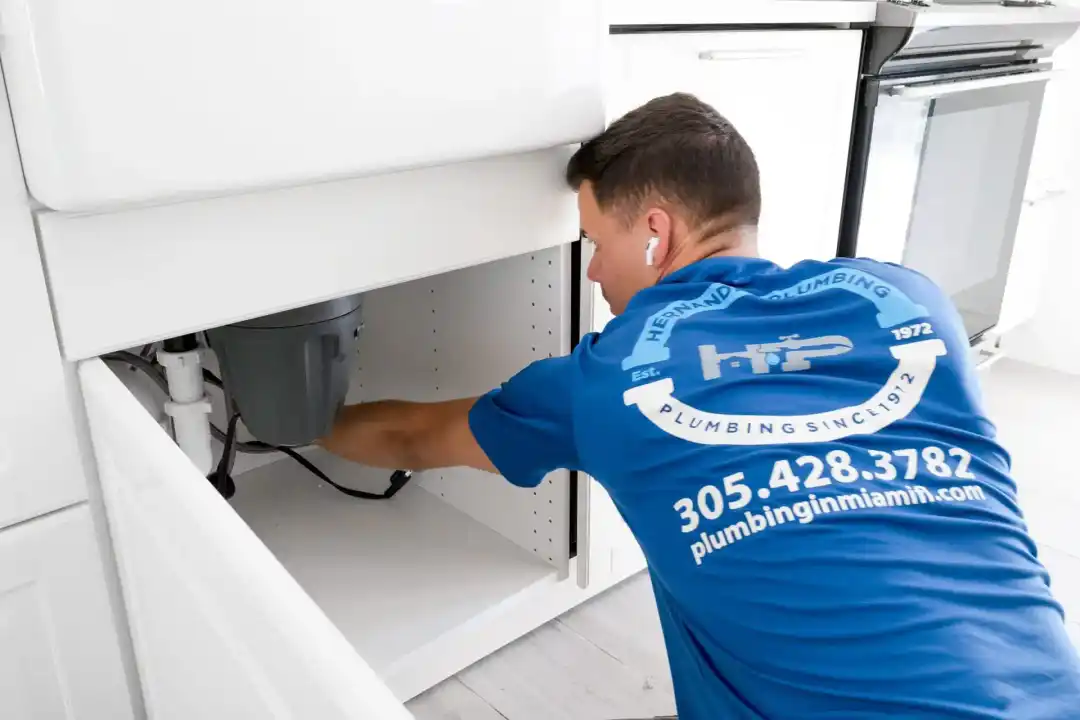
Restaurant drain problems rarely stay neatly inside one fixture. In busy Miami kitchens, the real question is often whether the issue is trapped grease, a dirty line downstream, or both.
Introduction
When a restaurant kitchen starts draining slowly, smelling worse by the day, or backing up during service, two phrases get thrown around fast: grease trap pumping and hydro jetting. They sound similar because both live in the drain-and-sewer world. They are not the same service, and treating them like interchangeable line items is one of the easiest ways to waste money while the underlying problem keeps growing.
That confusion is easy to understand. Miami restaurants deal with heavy fry use, dish lines, floor sinks, grease interceptor paperwork, older building drains, and the constant pressure to stay open during peak hours. Hernandez Plumbing’s commercial plumbing repair and commercial hydro jetting pages both speak to that reality, but they solve different parts of the problem.
The simplest distinction is this:
- Grease trap pumping removes the grease, solids, and wastewater being held inside the trap or interceptor.
- Hydro jetting cleans the drain line downstream using high-pressure water after buildup has coated the pipe walls or recurring blockages keep coming back.
Miami-Dade’s own FOG permit guidance and county FOG education page make the stakes clear: food-service operations that can discharge fats, oils, and grease to the sanitary sewer system need proper control devices and maintenance, because grease hardens in pipes, restricts flow, and can contribute to sewage overflows into homes, businesses, and streets.
If you run a restaurant, cafe, commissary, bakery, or food hall space in Miami-Dade, this guide is meant to help you answer a very practical question: What exactly needs attention right now?
Grease trap pumping vs. hydro jetting: the short version
Before getting into warning signs and maintenance planning, it helps to anchor the difference in plain language.
| If the problem is... | Grease trap pumping | Hydro jetting |
|---|---|---|
| Inside the interceptor / trap | Yes — this is the primary service | No — jetting is not a substitute for pumping the trap |
| Grease and sludge coating the line downstream | Not enough by itself | Yes — this is where jetting becomes valuable |
| Required maintenance to keep FOG device functioning | Yes | No |
| Recurring drain backups after the trap was already serviced | Maybe, but often incomplete alone | Often part of the next step |
| Verification workflow | Visual condition, pumping records, trap condition | Often paired with camera inspection and post-cleaning verification |
If you remember only one thing from this article, make it this: pumping the trap and cleaning the line are different jobs. A pumped trap does not automatically mean the branch line, grease line, or main line is clean. Likewise, a jetted line does not empty the grease interceptor that is designed to catch FOG before it reaches the sewer.
That distinction matters even more in Miami’s commercial settings. Hernandez Plumbing’s Miami commercial page talks about restaurants dealing with grease-interceptor documentation, health-department walk-throughs, older building sewers, and narrow service corridors in areas like Little Havana and Wynwood. In other words, local restaurants are not just fighting “a clog.” They are managing equipment, compliance, access, and downtime all at once.
What grease trap pumping is designed to remove
According to Miami-Dade’s FOG fact sheet, a grease trap or interceptor is a tank that receives wastewater and grease from kitchen pipes and holds that material until it is removed by a certified liquid waste hauler. Inside the device, grease separates from the water and rises while solids settle. That makes the trap a capture point, not a cure-all for the rest of the plumbing system.
So what does pumping actually do?
It removes:
- Accumulated FOG floating in the device
- Settled food solids and sludge
- Wastewater being held inside the trap at service time
It also restores the trap’s ability to do the job it was installed for. When the trap is overloaded, grease can move past it, odors can worsen, and kitchen drains may start giving early warning signs that the device is no longer keeping up.
Miami-Dade’s fact sheet is unusually practical here. It says pump-out or manual cleaning should be on the table when:
- grease is overflowing outside the trap,
- the grease layer has turned nearly solid and grey or black,
- drains leading to the trap are backing up, or
- it has simply been several months since the last service.
That last point annoys a lot of operators because it feels vague. The county’s own guidance helps sharpen it: your maintenance rhythm should follow permit conditions, the manufacturer’s recommended schedule, actual kitchen volume, and frequent inspection. In other words, “we pump once in a while when the smell gets bad” is not a real plan.
Just as important is what pumping does not do:
- It does not scrape buildup off long horizontal grease lines.
- It does not fix a branch line that is already coated downstream.
- It does not repair damaged piping, poor slope, or chronic solids handling problems.
- It does not make hot water, degreasers, or wishful thinking acceptable replacements for maintenance.
Miami-Dade explicitly says hot water does not get rid of FOG and advises operators not to rely on degreasers or solvents to dissolve grease in sink drains or traps. That is one of those easy-to-miss details that matters because it explains why a kitchen can “feel better” for a few days after a rushed cleanup while the actual grease problem keeps moving farther into the system.
What hydro jetting is designed to clear
Hydro jetting belongs farther down the system. Hernandez Plumbing’s commercial hydro jetting page describes it as high-pressure drain cleaning for commercial kitchen lines, grease lines, main sewer lines, and preventive maintenance, with equipment rated up to 4,000 PSI. The page also lays out a workflow of camera inspection, preparation, jetting, and final inspection.
That sequence matters.
Hydro jetting is not just “more powerful drain cleaning.” The real value is that it can scour the interior walls of a line where grease, scale, and other debris have already adhered. A trap may catch what reaches it, but once buildup coats downstream piping, pumping the interceptor alone will not clean those walls.
This is where operators often make the wrong assumption:
“We pumped the trap, so why are the kitchen drains still slow?”
A very common answer is that the trap service addressed what was being held in the device, while the line still has:
- hardened grease along the walls,
- food-waste residue catching new debris,
- scale or sludge in older piping,
- or recurring restriction deeper in the grease line or sewer connection.
That is exactly the kind of situation where hydro jetting becomes a separate conversation.
Hernandez Plumbing also positions hydro jetting as a tool for preventive maintenance, not only emergency recovery. That makes sense in commercial kitchens because “open today, broken tomorrow” is a familiar pattern when a line gets cabled or spot-cleared without thoroughly removing the buildup behind it.
One more useful distinction: hydro jetting is usually strongest when paired with diagnosis. The company’s workflow starts with a camera inspection for a reason. If the line has structural damage, a severe belly, or pipe material that makes aggressive cleaning risky, the right answer may not be “jet harder.” It may be staged cleaning, repair, or another access plan.
Signs a Miami restaurant may need one service, the other, or both
This is where the decision gets practical. The fastest way to think about it is to separate trap symptoms from line symptoms, then notice where they overlap.
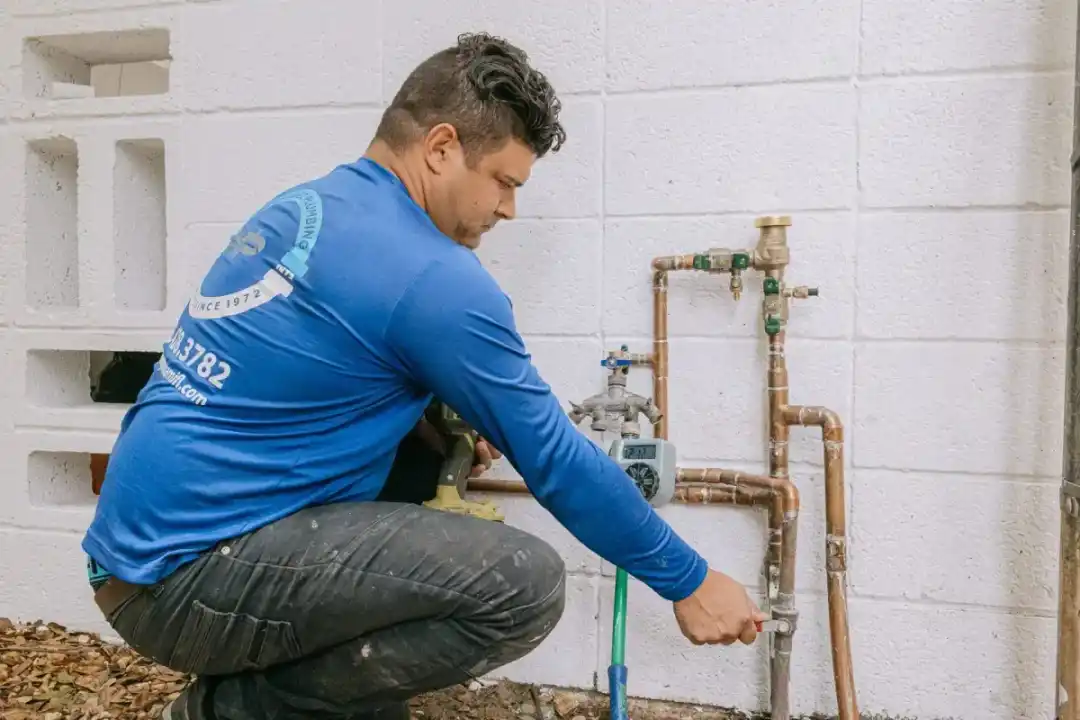 A restaurant drain problem often spreads across systems: what starts as trapped grease can become line restriction, odors, repeated backups, and a much bigger service call.
Signs that point more strongly to grease trap pumping
These symptoms suggest the trap or interceptor itself deserves immediate attention:
- It has been too long since documented service.
- The grease layer is visibly thick or nearly solid.
- There is overflow, seepage, or heavy odor around the trap area.
- Staff notice the trap is being treated as “somebody else’s problem” until service day.
- You need to stay aligned with local permit and recordkeeping expectations.
In this situation, pumping is not optional maintenance theater. It is the core service.
Signs that point more strongly to hydro jetting
These symptoms suggest the line downstream is the bigger issue:
- Repeated slow drains after the trap was already pumped
- Kitchen fixtures or floor sinks backing up during peak production
- Multiple drains on the same line behaving poorly at once
- Grease-heavy service that keeps producing recurring restriction
- A history of “we cleared it, but it came back”
Hydro jetting becomes more compelling when the operational story sounds like buildup, not just overdue trap service.
Signs you may need both
This is common in busy food-service properties and older Miami buildings:
- the trap is overdue and the kitchen line still drains badly,
- odor complaints continue after pumping,
- service records show recurring problems with no line-cleaning follow-up,
- or a camera inspection shows wall buildup beyond the device.
That is the mistake this article is trying to prevent. Operators often choose between pumping or jetting when the real answer is staged maintenance: empty the trap, assess the line, then clean the downstream piping if the evidence says it is already fouled.
Recent public YouTube and X discussions around grease-trap cleaning and commercial-kitchen drain maintenance reinforce that same confusion. The recurring questions are not sophisticated engineering questions. They are the expensive basics: How often should we pump? Why is the line still slow after service? What actually belongs in the trap, and what needs line cleaning instead?
How FOG buildup creates bigger drain and sewer problems
Miami-Dade’s public FOG page is blunt: grease sticks to the sides of sewer pipes, hardens inside them, and blocks wastewater flow. The county says that can create untreated sewage overflows in homes, businesses, and streets and cost millions of dollars each year in unclogging and treatment-related impacts.
EPA’s 2023 FOG program webinar frames the same issue at a bigger systems level. It describes FOG programs as a tool for preventing sanitary sewer overflows, sewer line blockages, back-ups, corrosion, and odor impacts, and points back to 40 CFR 403.5(b)(3), the rule that prohibits solid or viscous pollutants in amounts that obstruct flow in a publicly owned treatment works.
That is the system-level view. In a restaurant, the day-to-day version usually looks more like this:
- Grease and food residue enter the kitchen plumbing stream.
- The trap catches what it can, assuming it is properly sized and maintained.
- Staff habits, heavy volume, and time pressure push more solids and FOG into the system.
- Downstream lines begin catching residue and draining slower.
- Odors, backups, and emergency service follow.
Miami-Dade’s fact sheet is especially helpful because it does not stop at broad warnings. It recommends dry-wiping cookware, using sink and floor-drain screens, posting “No Grease” signs, maintaining a routine cleaning schedule, and training staff. Those are not glamorous recommendations, but they are the difference between a maintenance plan and a repeat emergency.
EPA also distinguishes yellow grease from brown grease, which is a useful operator detail:
- Yellow grease is spent fryer oil removed for recycling.
- Brown grease is the floatable grease, settled solids, and associated kitchen wastewater retained by traps and interceptors.
Why does that distinction matter? Because restaurants often think they are “handling grease responsibly” because fryer oil is being recycled, while the mess that actually chokes the drains is the brown-grease side of the problem: dishwashing residue, food solids, wash water, and whatever slips past daily habits.
How to build a practical maintenance plan with a commercial plumber
The best maintenance plan is not a generic “pump every X days” promise copied from a forum thread. It is a simple system tied to your permit conditions, your kitchen volume, your physical layout, and what inspections keep finding.
For most Miami restaurant operators, a practical plan includes five parts.
1. Know what your permit and device actually require
Miami-Dade says food-service operations that can discharge FOG need a county FOG permit, and the permit renews annually. That alone makes it worth knowing:
- what device you have,
- where it is located,
- what records you are expected to keep,
- and what cleaning schedule is required or recommended for your setup.
If that information only lives in one former manager’s email, your plan is weaker than you think.
2. Separate trap service from line cleaning in your budget
Operators often budget for “drain service” as if there is one bucket for everything. That is how trap pumping gets delayed and line cleaning gets treated like a surprise.
A stronger approach is:
- budget for routine grease trap pumping as maintenance,
- budget for line inspection and hydro jetting as separate maintenance or corrective work,
- and make room for emergency response without pretending emergencies are the plan.
Hernandez Plumbing also says it offers maintenance contracts for commercial properties. If you use a maintenance agreement, the key question is not whether the contract exists; it is whether the scope clearly separates interceptor work, line cleaning, inspection, and response expectations.
3. Watch for symptom patterns, not one-off annoyances
These are the kinds of patterns worth logging instead of shrugging off:
- backups tied to Friday or weekend volume,
- recurring odor near one floor sink,
- repeated service on the same line,
- grease complaints after a staff or menu change,
- and longer drain times after dishwashing peaks.
Patterns beat vague memory. They also help a plumber tell whether your next call should start with the trap, the line, or a camera.
4. Make staff habits part of the plumbing plan
County guidance keeps coming back to dry-wiping, screens, signage, and training because operators lose money when the plumbing plan lives only with ownership. If the people scraping plates and washing equipment are not part of the process, your service interval becomes your only control point.
That is not enough in a high-volume kitchen.
5. Ask better questions before approving the work
When you call a commercial plumber, these questions make the conversation better:
- Are we talking about the trap, the line, or both?
- Is there evidence the downstream line is already coated?
- Do you want a camera inspection before jetting?
- What part of the system is covered in this quote?
- What would tell you that the trap is the main issue versus the line?
- If you pump today, what signs would mean we should schedule jetting next?
That kind of language keeps everyone focused on diagnosis instead of buzzwords.
Need restaurant plumbing help in Miami?
 Fast dispatch matters when service is already disrupted, but the bigger win is avoiding the repeat cycle of odor, backups, panic pumping, and emergency line cleaning.
If your restaurant is dealing with recurring kitchen backups, odor around the interceptor, slow floor sinks, or a line that never really seems clean after service, the safest next move is to stop treating pumping and jetting like synonyms.
Start with a clear description of what you are seeing:
- Is the trap overdue?
- Are drains backing up after it was already pumped?
- Are multiple fixtures affected?
- Is this a one-time mess or the same line again?
Hernandez Plumbing’s commercial pages say the company works with restaurants, hotels, office buildings, retail centers, and other commercial properties throughout Miami-Dade and Broward, and the Miami page advertises emergency response that is typically 30 to 60 minutes in most areas. Treat that timing as a live-site marketing claim and confirm it when you call.
For service questions, scheduling, or a commercial plumbing assessment, use the Miami commercial plumbing page for local context or go straight to the contact page to request help. You can also call 305-428-3782 directly.
Disclaimer: This article is general information for Miami restaurant operators and property teams, not legal, permit, or code advice for your specific facility. Permit conditions, maintenance intervals, equipment sizing, and recommended service steps vary by property—confirm details with Miami-Dade, your hauler, and your licensed commercial plumber before acting.