What to Expect During a Sewer Camera Inspection (Step-by-Step)
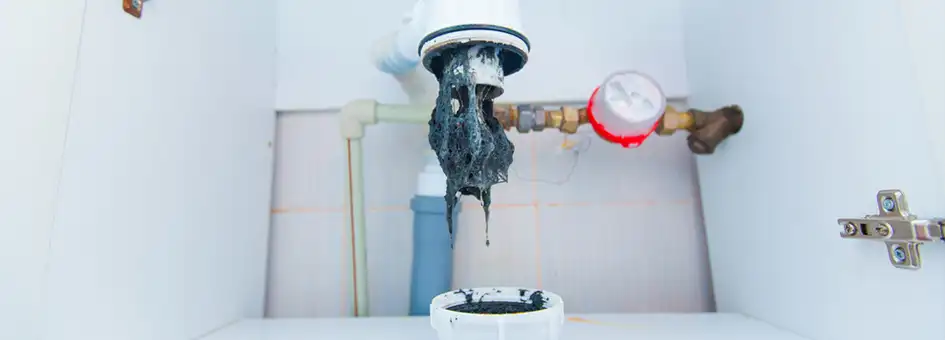
If you’ve never done one before, a sewer camera inspection can feel mysterious—because the problem is underground and the “proof” is usually invisible. A camera inspection (also called a video camera inspection) is one of the fastest ways to replace guesswork with facts: you can literally see inside the sewer line and understand what’s happening.
This guide walks you through what to expect, how to prepare, what the plumber is actually looking for, and what you should receive when it’s done.
If you’re ready to schedule, start here: sewer camera inspection.
Quick overview (the 60‑second version)
- Access: we enter the line through a cleanout (or another agreed access point).
- Camera run: we inspect the accessible length and record footage.
- Findings + plan: you get a clear explanation of what we saw and what to do next.
When a sewer camera inspection makes sense
You don’t have to wait for a full sewage backup to justify an inspection. In practice, homeowners book sewer camera inspections for three reasons:
1. You have symptoms that keep coming back
Recurring issues usually mean the problem is in the main sewer line—not just a sink trap:
- Multiple slow drains in the home
- Gurgling toilets when you run a sink or shower
- Sewer odors inside or near the yard
- Backups that return after snaking
If you’re already dealing with backups, you may also need sewer line service after the inspection.
2. You’re buying a home (or you just bought one)
A pre‑purchase camera inspection tells you whether you’re inheriting:
- Deteriorating cast iron
- Root intrusion
- A “belly” (sag) holding water and debris
- A partial collapse near the street connection
3. You’re planning a major project
Before remodeling kitchens/bathrooms, adding a bathroom, or investing in landscaping, it’s smart to verify the sewer line can handle the additional load and that roots or offsets won’t turn your upgrade into an emergency later.
How to prepare for the inspection
Most homeowners don’t need to do much, but preparation can help the inspection go faster and produce clearer results.
Find (or ask us to find) your cleanout
The cleanout is commonly:
- Outside near the foundation
- In a side yard near the line’s path
- Under landscaping, mulch, or an access cover
If there isn’t a functional cleanout, access may require removing a toilet or opening an access point. We’ll talk through that before any work starts.
Don’t run heavy water right before we arrive
Try to avoid heavy water use for 30–60 minutes (laundry, long showers) so the line isn’t fully turbulent during the camera run. This makes it easier to see cracks, scale, and standing water.
Have your “symptom timeline” ready
The best inspections start with context:
- When symptoms started
- Which fixtures are affected
- Whether you’ve had past snaking/hydro jetting
- Any known tree root or construction history
What happens during a sewer camera inspection (step by step)
Step 1: We confirm access and the inspection goal
We’ll confirm whether this is:
- Routine maintenance
- A diagnosis for a clog/backup
- A pre‑purchase inspection
- A post‑repair “verify the fix” inspection
Your goal changes what we focus on. Pre‑purchase inspections prioritize pipe condition and risk; clog diagnosis prioritizes blockage location and cause.
Step 2: We insert a waterproof camera into the line
The camera is attached to a flexible push rod. Many systems include:
- A self‑leveling camera head (keeps the image upright)
- Distance counters (so we know how far the camera traveled)
- Optional locating equipment (to mark a spot on the yard/driveway)
This is why “camera inspection” and “video camera inspection” are effectively the same service—you're getting visual documentation of the line.
Step 3: We inspect the full accessible length
We’ll navigate from the cleanout toward the street connection (and sometimes inward toward interior branch connections depending on access). We’re looking for a mix of structural and flow problems:
- Cracks, holes, or fractures
- Offset joints (one section shifted relative to another)
- Root intrusion
- Heavy scale or sludge
- Standing water (indicates a belly/sag)
- Collapsed or crushed pipe sections
Step 4: We review findings with you (in plain language)
You’ll typically see the footage and get a clear summary:
- What the problem is
- Where it is (distance marker)
- How urgent it is (monitor vs fix now)
- What options make sense (cleaning, lining, repair, replacement)
Step 5: You receive documentation
A good inspection ends with something tangible. Depending on setup, you may receive:
- A recording or screenshots
- A written summary
- Distance/approximate location information for repairs
What the camera commonly finds
Here are the issues we see most often.
Root intrusion (especially near joints)
Roots enter at tiny gaps and grow into a net that catches paper and debris. Early‑stage roots often respond well to hydro jetting. Late‑stage roots may indicate structural damage that needs repair.
Cast iron corrosion and scale buildup
In older homes, the interior of cast iron can become rough and flaky, shrinking the effective diameter. This creates chronic slow drains that keep coming back. If deterioration is advanced, you may need cast iron pipe replacement.
Pipe bellies (sags with standing water)
A belly holds water—and everything that’s supposed to flow past it. You’ll often see:
- A consistent waterline in the pipe
- Sediment piled in the lowest spot
- A “repeat clog zone” that returns after cleaning
Offsets and separated joints
Soil movement can push pipe segments out of alignment. Even a small offset can catch waste and start a blockage chain reaction.
Grease and sludge “tunnel” blockages
Some blockages create a small tunnel where water can pass—so the home doesn’t fully back up yet. The camera reveals whether you’re one heavy laundry day away from a total stop.
How to use the results (what to do next)
The inspection gives you a decision framework. Typically, the next step falls into one of these buckets:
1. “No urgent issues” → set a maintenance interval
If the line looks healthy, we’ll recommend a realistic re‑inspection cadence based on age, trees, and history.
2. “Flow issue” → cleaning first, then re‑check
If the problem is primarily buildup or early roots, cleaning is usually the first move—often with hydro jetting. For some properties, a quick re‑inspection after cleaning confirms the line is truly open.
3. “Structural issue” → repair planning (not panic)
If the camera shows a cracked section, offset, or failing cast iron, you can plan:
- The right repair approach
- The right scope (targeted repair vs replacement)
- The right timing (before it becomes an emergency)
Location example (how this supports your local service page)
If you’re trying to choose a plumber in a specific city, use this post as education—and then verify local availability and pricing on your city service page. For example, Miami homeowners can start here:
FAQs
Is a sewer camera inspection the same as a video camera inspection?
In practice, yes. Both terms describe using a waterproof camera to capture live video of the inside of a sewer line to identify clogs, roots, cracks, bellies, and pipe condition.
How long does a sewer camera inspection take?
Many inspections take 30–90 minutes depending on access, the length of the run, and whether the line is partially blocked.
Can you do a camera inspection if the sewer line is completely blocked?
Sometimes. If the line is fully blocked, the camera may not pass the obstruction. In that case, clearing the line first (often via hydro jetting) may be necessary before we can inspect the full length.
Should I do a sewer camera inspection before buying a home?
If the home is older, has large trees, or has any history of slow drains/backups, a sewer camera inspection is one of the best ways to reduce surprise repair risk after closing.
Schedule a sewer camera inspection
If you’re dealing with recurring clogs, buying a home, or just want peace of mind, a camera inspection is the most direct way to see what’s happening underground.
Book your inspection here: Sewer Camera Inspection. If you’ve heard the service called a video camera inspection, it’s the same goal—clear, visual answers and a plan you can trust.
Need Professional Help?
Our licensed plumbers are ready to help with your sewer camera inspection needs.