Buying a Miami Home? How to Read Water Heater Permit Clues Before You Inherit a Problem
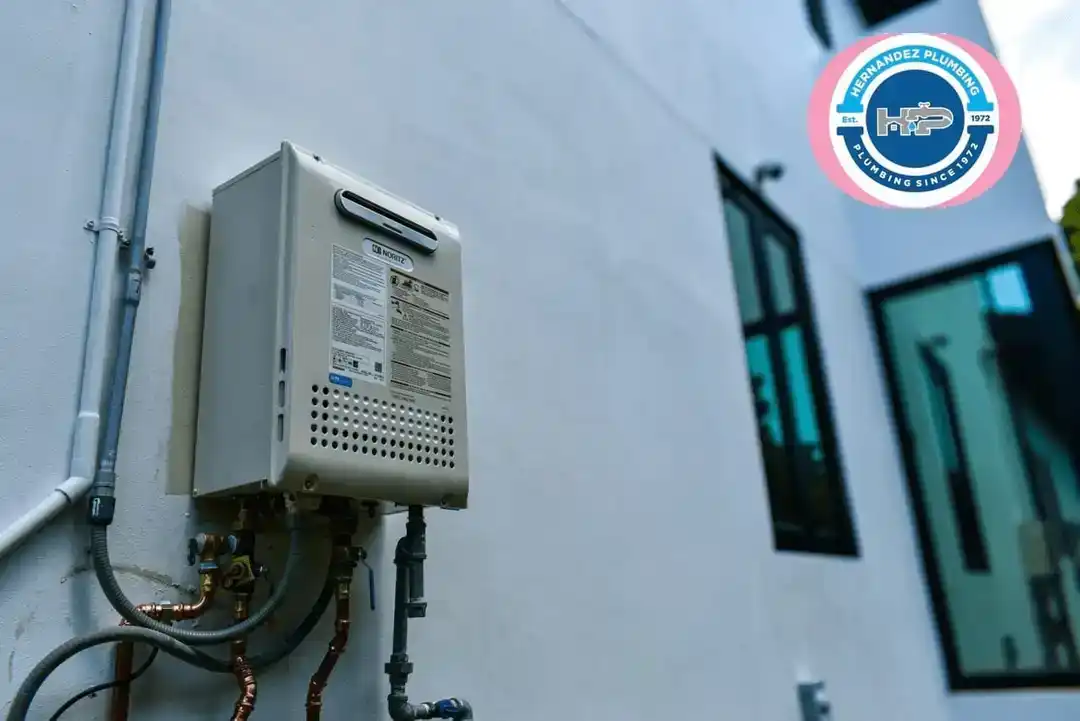
If you are buying a Miami home and want to check the water-heater permit story before closing, the useful question is not only "How old is the unit?" It is whether the permit story, the visible equipment, and the seller's explanation all line up well enough that you are not inheriting a hidden plumbing headache.
That matters in Miami because a water heater is rarely just a tank in a corner. It sits inside a wider system of piping, drainage, pressure control, fuel type, venting, and permit workflow. A clean-looking heater does not automatically mean the installation history is clear. A recent permit does not automatically mean the unit is ideal for the house today. And a seller's "it was replaced a few years ago" becomes a much stronger statement when the paperwork and the visible setup support it.
Hernandez Plumbing's broader Miami plumbing permit atlas already explains why plumbing records matter at the property level. This article narrows that idea to one high-stress buyer checkpoint: the water heater. It is built for the moment when you are comparing disclosures, inspection notes, visible equipment, and permit history before you inherit a surprise replacement, a messy open permit, or a larger plumbing-system conversation than you expected.
A tidy installation is a good sign, but a buyer should still make the permit story, the visible setup, and the seller's timeline agree before treating the heater as a closed question.
Why a water-heater permit clue matters before you close
A water heater is one of those systems buyers often mentally file under "important, but probably straightforward." Sometimes it is straightforward. Sometimes it is the place where a bigger due-diligence problem first becomes visible.
Miami-Dade's permit guidance makes the baseline rule clear on the county side: altering or repairing a regulated plumbing system, including replacing a hot water heater or gas appliance, generally requires a permit. The same county page also says its published process applies to unincorporated properties with folios starting with 30, and that each municipality in Miami-Dade has its own Building Official for work inside city limits. In practical terms, a buyer should not assume one county page answers every city-specific question, but it absolutely should trigger the habit of checking permit history instead of guessing.
Hernandez Plumbing's own water heater and Miami residential water-heater page add the local service reality. The company says permits come up on water-heater installations, repiping, and sewer-line work, and it highlights inspection-sensitive details such as hurricane strapping, TPR discharge routing, and proper drain-pan setup. That does not mean every heater problem becomes a giant project. It does mean a buyer should treat the heater as a system with paperwork and installation details that can be checked.
This matters more when one or more of these conditions is true:
- the home is older and the rest of the plumbing may be aging too,
- the seller says the heater was "recently replaced,"
- the unit appears to have changed fuel type or location,
- the inspection report flags drainage, venting, pressure, or safety details,
- or the property already shows clues that other plumbing work happened in stages.
Permit clues help because they do something ordinary visual inspection cannot do on its own: they add timeline and process context. A finalized permit can support the seller's story. An open or expired permit can change the urgency of your questions. A missing record does not prove bad work, but it does mean you should stop speaking as if the replacement history is settled fact.
What a water-heater permit record can and cannot prove
Permit history is valuable, but only if you read it with the right expectations. Hernandez's permit-atlas article says buyers should separate plumbing categories instead of treating everything under the plumbing umbrella as the same kind of event. A water-heater replacement is not the same as a sewer repair, a repipe, or a fixture swap, and the meaning of a record changes with its status.
It also helps to remember what a permit record is for. It is administrative evidence that a certain type of work was supposed to move through a regulated process. It is not a substitute for a home inspection, a plumbing evaluation, or a direct answer to whether the visible heater was installed cleanly. Buyers get the most value when they use the record to focus the conversation: What was supposed to happen? When? Under whose name? In which jurisdiction? Did that process appear to reach a clear end point?
The easiest way to think about a water-heater permit record is this:
| If you find... | What it probably helps prove | What it does not prove by itself |
|---|---|---|
| A finalized water-heater permit | The property likely went through a documented replacement workflow at that time | That the current unit is ideal, problem-free, or still under warranty |
| An active or open permit | Work may have started or paperwork may still need a final step | That the job was completed cleanly or can be ignored at closing |
| An expired or unclear permit | The record needs follow-up before you treat the install history as settled | That the installation is automatically unsafe or automatically acceptable |
| No visible permit record | You need better documentation or a more precise jurisdiction-specific search | That the work was definitely unpermitted or definitely fine |
That distinction is where buyers usually lose time. Hernandez's permit-atlas article puts it well: a finalized permit from two years ago is a different signal from an expired gas permit from 2018, and visible equipment age should be compared against seller disclosures and the record itself. That is the mindset to bring into the deal.
There is another limit worth remembering. A permit record can support the history of the work, but it cannot replace a present-day look at the installation. Hernandez's water-heater page notes that installers in Miami-Dade still have to get the on-site details right: straps, TPR discharge, drain-pan handling, sizing, and related plumbing connections. A buyer should therefore use the permit record as a due-diligence tool, not as a substitute for looking at the actual heater and asking whether the visible setup makes sense.
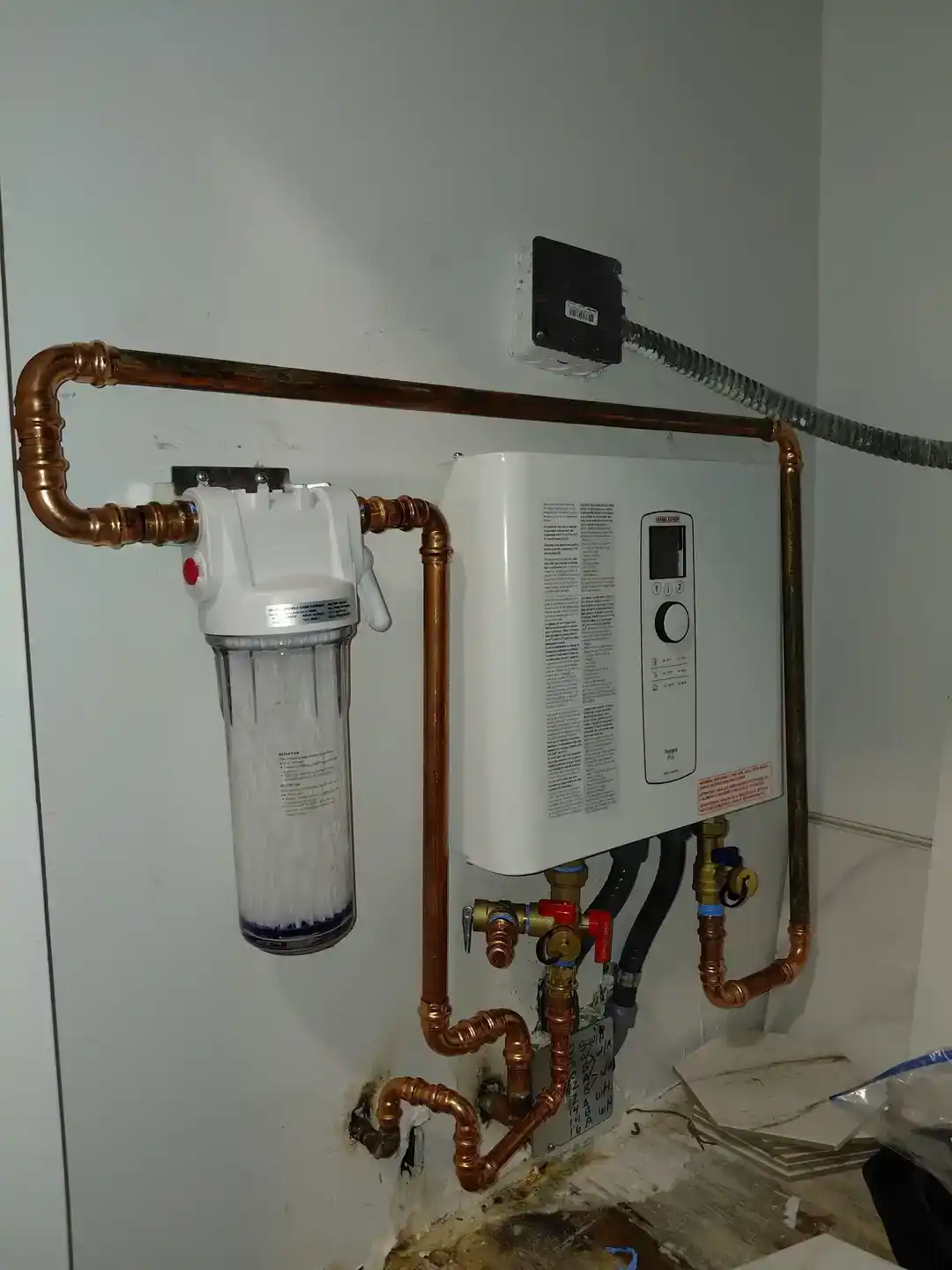 A permit record is only half the story. The other half is the visible unit: fuel type, connections, accessories, and the overall quality of the installation you are inheriting.
What to compare against the actual heater before you relax
Once you have a record, or at least a claimed installation timeline, the next step is to compare that story against what is physically there.
Start with the obvious but often skipped questions:
1. Does the visible unit look like the same kind of project the permit history suggests?
If the record looks like a straightforward replacement, but the visible setup suggests bigger changes, slow down and ask more. A heater relocation, unusual venting path, obvious gas-line work, new accessory equipment, or a substantially different configuration may mean the job touched more than a simple like-for-like swap.
You do not need to decode every fitting. You do need to notice whether the work looks modest or more involved than the seller's summary suggests.
2. Do the age clues match the story?
Compare the seller disclosure, invoice dates if available, and the visible unit labels or installer stickers. Hernandez's permit-atlas guidance stresses that equipment age should be compared against the record, not accepted as a free-floating claim. If a seller says "new in 2024" but the visible heater looks older, or the record seems to point to a different era of work, that is a follow-up question, not a shrug.
3. Do the installation details look like a professional water-heater job?
Hernandez's water-heater page calls out code-sensitive details that inspectors in this market care about: hurricane strapping, TPR discharge, and drain-pan setup. Buyers do not need to become inspectors on the spot, but they should pay attention when those details look improvised, damaged, or incomplete. That does not automatically tell you the permit history is wrong. It does tell you the visible installation deserves a second look.
4. Does the municipality matter?
This is an easy one to miss. Miami-Dade says each municipality has its own Building Official for work inside city limits. That means a buyer in Miami, Miami Beach, Coral Gables, Hialeah, Doral, or another municipality should not assume one search path tells the whole story. If the permit trail feels thin, the right next step may be verifying the jurisdiction and asking for the exact permit number or building-department reference tied to the property.
5. Does the heater stand alone, or is it hinting at a broader plumbing timeline?
Hernandez's permit-atlas article warns against blending plumbing work into one vague category. That advice helps buyers here too. A water-heater record may be one chapter in a larger story that includes earlier leak repairs, repiping, sewer work, or other upgrades. If the property has multiple plumbing events close together, ask what drove them. Were they planned improvements, repeat failures, or related upgrades?
Those questions sound simple, but they protect buyers from a common mistake: treating the heater as an isolated appliance when it may actually be the most visible clue to a larger plumbing history.
When a missing or messy record should change your next question
A missing or messy record is not a reason to panic. It is a reason to ask better questions while you still have leverage.
Some situations should immediately sharpen the conversation:
The seller says the heater is recent, but cannot back the claim cleanly
Ask for the invoice, installer information, permit number, and close-out or inspection status. A seller may have honest paperwork gaps, especially after a fast move or inherited property. But a buyer should not translate missing backup into confidence.
If the answer comes back vague, get more specific instead of more emotional. Ask whether the replacement was like-for-like or part of a broader remodel. Ask whether the same contractor handled plumbing, gas, or electrical pieces if the project was more involved. Ask whether the seller has a final invoice, warranty registration, or inspection sign-off. The point is not to cross-examine the seller. The point is to turn a fuzzy reassurance into a documented timeline.
The record exists, but the status is still open or expired
That is not the same as a finalized historical record. Hernandez's permit-atlas article specifically points buyers toward status, not just category. If a permit is still open, ask what remains unfinished, whether a final inspection was obtained, and whether another contractor will be able to pick up related work cleanly later.
The visible setup suggests a bigger project than "just replacing the tank"
Fuel-type changes, venting adjustments, accessory equipment, relocated lines, or a much different footprint may mean the job touched more than a routine swap. That does not mean the work was done wrong. It means the right buyer question shifts from "How old is it?" to "What exactly changed, and where is the documentation?"
The home is older and the heater story feels too neat
On older Miami properties, a single new-looking heater does not automatically mean the broader plumbing is equally fresh. Hernandez's residential Miami page explicitly points buyers toward local realities like cast iron in older homes and mixed eras of housing stock. A recent heater can coexist with older supply piping, aging shutoffs, or sewer concerns.
That is why due diligence should move in layers:
- Confirm the heater story.
- Check whether the permit status supports it.
- Compare the paperwork with the visible install.
- Ask whether the rest of the system tells the same story.
If those layers align, great. If they do not, the buyer has found exactly the kind of question worth resolving before closing instead of after the first weekend without hot water.
One practical benefit of this layered approach is that it improves negotiation clarity too. A buyer who only says "the heater worries me" may get a soft reassurance back. A buyer who can point to a visible install date, a permit status question, an older surrounding system, or a missing piece of documentation is raising a concrete due-diligence issue. That does not guarantee a concession, but it does create a much better basis for deciding whether the right next step is more documentation, a licensed plumbing opinion, or a pricing discussion before the deal closes.
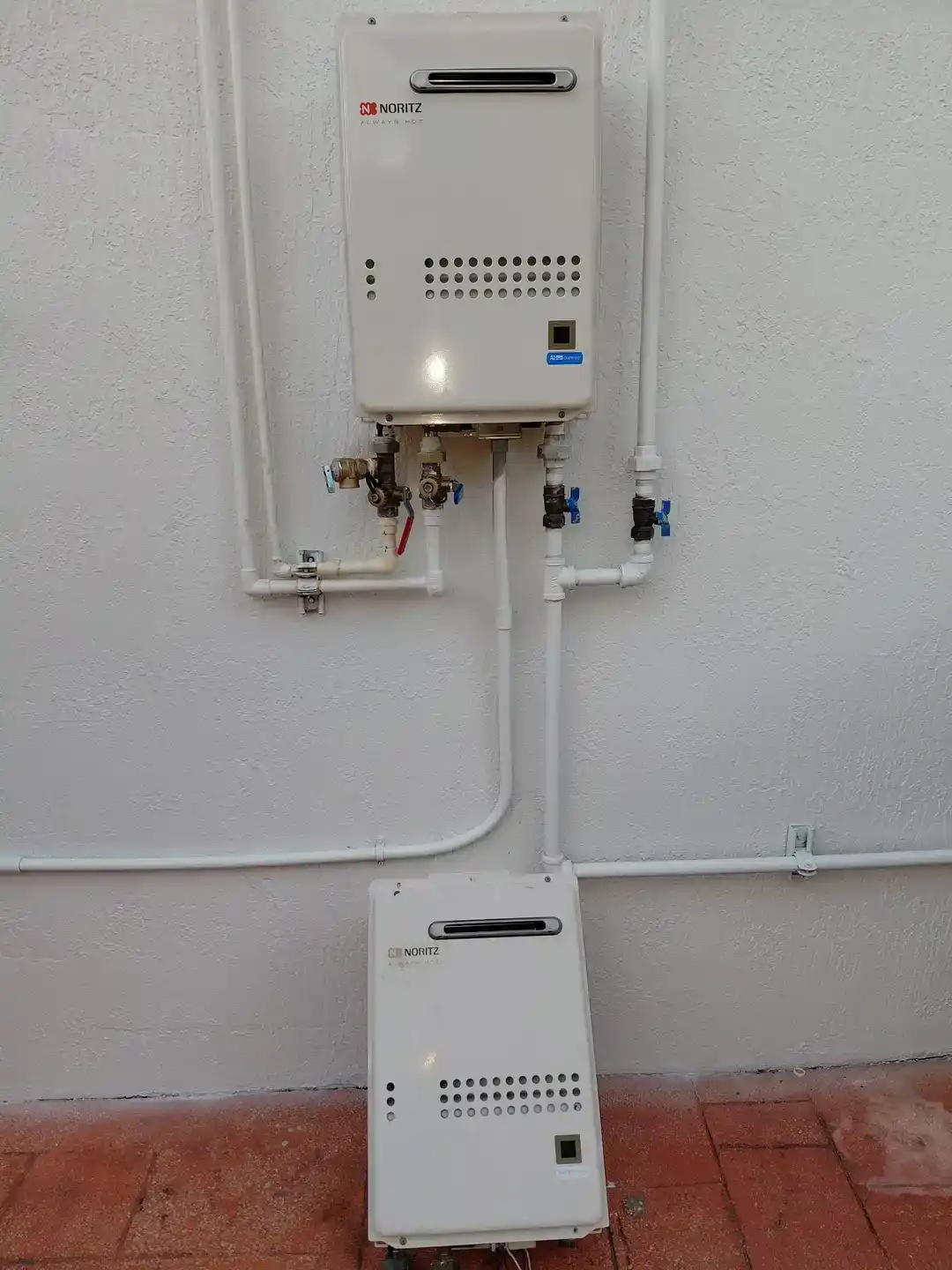 A newer-looking unit can still sit inside an older plumbing system. Buyers should treat the heater timeline as one clue, not the whole diagnosis.
When the bigger issue may be the plumbing system, not just the heater
One of the best reasons to check water-heater permit clues is that they can reveal when the real conversation should expand beyond the heater itself.
Hernandez's residential Miami water-heater page and broader plumbing pages repeatedly frame older Miami housing stock as mixed-era plumbing territory: cast iron in pre-1975 homes, older piping in bungalows and smaller houses, and modern replacements layered into older systems over time. That means a water-heater record may be your first clean signal that someone has already been dealing with age, pressure, corrosion, drainage, or access issues elsewhere in the home.
For example:
- A heater replacement near the same time as other plumbing work may point to a broader upgrade cycle.
- A nice-looking heater next to visibly older valves or piping may mean the appliance was updated while the surrounding system was not.
- Repeated references to leaks, pressure issues, or older pipe materials should change the conversation from "Do we like this heater?" to "What is the condition of the system feeding and draining it?"
That is where Hernandez's service lanes start to connect. A buyer who uncovers broader plumbing concerns may need more than a water-heater explanation. Depending on the clues, the right follow-up could be repiping, cast iron pipe replacement, or a broader plumbing repair evaluation that looks at the home's age, leak history, and visible material condition together.
The good news is that this is exactly why buyer due diligence exists. You are not trying to prove every answer yourself. You are trying to identify when the water-heater record is enough, and when it is really a doorway into a more useful plumbing discussion before the house is yours.
When Hernandez Plumbing is a sensible next call
Sometimes the permit clues line up cleanly and you move on. Sometimes they do not, and that is where a local licensed plumbing opinion becomes more useful than another hour of guessing through screenshots and seller text chains.
If your concern shifts from the visible heater to the contractor behind the work, Hernandez also has a separate guide to checking a plumber's Florida license before larger Miami jobs. That sibling article is the pre-hire credential checklist. This article stays focused on the buyer-side question of whether the water-heater paperwork, visible unit, and seller story belong together.
Hernandez Plumbing's live Miami water-heater pages position the company for that kind of handoff. The site says the team handles permit applications on water-heater installations, works across Miami housing types, and serves water-heater, repair, and larger plumbing-system needs from the same local operation. If your transaction has moved from "simple permit check" to "we need someone to tell us whether this install story actually makes sense," that is the kind of practical gap a licensed local contractor can help close.
The right moment to make that call is usually when at least one of the following is true:
- the permit record is unclear or incomplete,
- the visible installation raises questions the seller cannot answer,
- the heater age or setup conflicts with the home's broader plumbing story,
- or the property seems likely to need a second conversation about pipes, drainage, or pressure beyond the heater itself.
If that is where you are, use Hernandez Plumbing's contact page or its existing water-heater and plumbing-repair resources to move from clue-gathering into a clearer professional opinion.
 A useful pre-close plumbing call is not only about the heater itself. It is about whether the permit history, visible installation, and rest of the system tell one believable story.
A short final caution: this guide is educational, not legal or inspection advice. Permit workflow, municipal process, and transaction requirements can vary by property and jurisdiction, so confirm the details with the relevant building department, your inspector, and your licensed plumbing professional before closing.