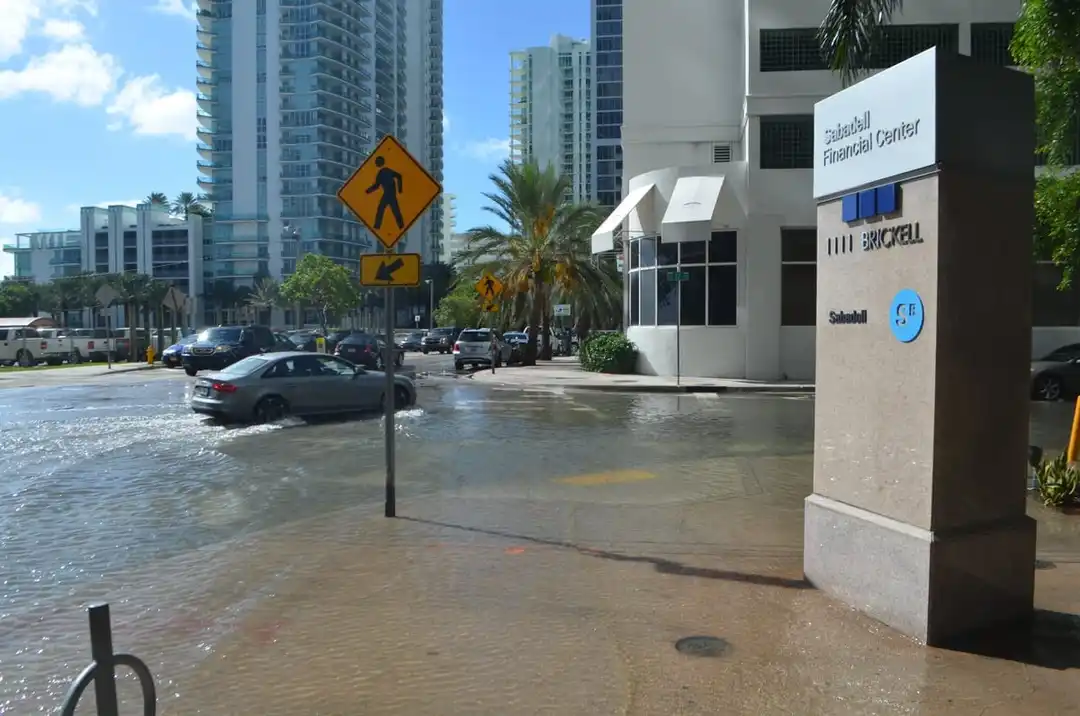
Miami Plumbing Permit Data Atlas: Trends Since 2014
Miami Plumbing Permit Data Atlas: Trends Since 2014
Geospatial permit data can help homeowners separate routine plumbing updates from unresolved work that deserves a closer look.
Miami plumbing permit data is useful because it puts paperwork around a question buyers, landlords, and homeowners already ask in practical terms: has this property had serious plumbing work, and did that work get finished correctly? A permit record will not tell you whether a shower valve was installed neatly or whether a sewer line is about to fail. It can, however, show the public trail for larger plumbing work that required a municipal review, inspection, and final sign-off.
That matters in South Florida, where one permit portal can hold signals for a fixture change, gas water-heater upgrade, sewer repair, pool project, or whole-building repipe. The trick is knowing what the record can prove, what it cannot prove, and when a licensed plumber still needs to inspect the system.
This atlas uses the City of Miami Building Permits Since 2014 dataset, City of Miami permit-history tools, the Miami-Dade County Open Data portal, and the county's public permit records to explain how to read plumbing activity without overstating it. Instead of publishing stale neighborhood rankings without the underlying export, the goal here is more useful: show homeowners the repeatable workflow for checking a property, interpreting open permits, and spotting the categories of plumbing work that deserve a closer conversation with a contractor.
What We Counted and What We Excluded
The first rule of any permit atlas is to separate plumbing from general construction. A kitchen remodel may include plumbing, electrical, cabinets, drywall, and mechanical work, but the permit record may not expose every trade in the same field. For the City of Miami source, the cleanest starting point is the permit scope field. The plumbing slice should include records classified as Plumbing and Plumbing Gas, not every remodeling, roofing, electrical, mechanical, demolition, or general building permit just because water fixtures might be involved.
That conservative filter is important. It keeps the atlas from turning a whole-house remodel into a plumbing trend when the permit's public description does not support that conclusion. It also keeps the reader focused on records most likely to involve plumbing trade inspections: water heaters, sanitary drainage, water supply piping, gas piping, sewer connections, fixtures, and pool-related plumbing.
For status, the safest primary view is:
- Active or open records: useful for finding work that may still need inspection, correction, payment, or closeout.
- Final or finalized records: useful for confirming that the work reached the end of the inspection process.
- Expired, revoked, hold, or administratively stalled records: useful as risk flags, but not as proof that an upgrade was completed.
Miami-Dade's own permit layer uses a simple status code for county building permits: Active, Expired, and Finalized. That makes the county layer good for broad screening, but it still needs context from the correct municipal building department. Miami-Dade County's permit guidance also warns that the county process is for properties in unincorporated Miami-Dade with folios that start with "30"; each municipality has its own Building Official for work inside city limits. In other words, a Coral Gables, Miami Beach, Hialeah, Doral, or City of Miami address may require a different official lookup even though it sits inside Miami-Dade County.
The atlas also excludes a category open data handles poorly: unpermitted work. If a property has newer fixtures or piping with no matching record, that absence does not prove the work was legal or illegal. It means the public dataset, as searched, did not show a matching record.
How to Read Year-by-Year Plumbing Activity Since 2014
The City of Miami's building-permit dataset is valuable because it reaches back to permits issued since 2014 and is published as geographic data. For a homeowner, the year field is less about trivia and more about timing. Plumbing systems age in chapters. A property that had a water heater permit in 2015 and a sewer repair permit in 2024 tells a different story than a property that had no visible plumbing permits until a major sale-year remodel.
To build a year-by-year view without inventing counts, use this workflow:
- Open the City of Miami dataset or the relevant municipal portal for the property.
- Filter for plumbing-related scope values, especially Plumbing and Plumbing Gas.
- Group records by issue date or application date, depending on the fields available in the export.
- Split the grouped view by status, so active records do not blend with finalized records.
- Read the result as workload and timing, not as a guarantee that every pipe in the neighborhood was replaced.
This is more honest than a simple "permits are up" claim. A single year can look busy because of storm recovery, development cycles, enforcement focus, large renovations, or record cleanup. For individual owners, the practical question is narrower: "What plumbing work has this property had in the last 10 years, and is any of it still open?"
 Permit records can point you toward work worth investigating, but they do not replace an on-site inspection after leaks, backups, or repeated plumbing repairs.
Neighborhood and ZIP Maps: What They Can Show
A map is the most tempting part of plumbing permit data, and also the easiest place to overreach. When permit records include coordinates or property addresses, you can cluster plumbing work by ZIP code, neighborhood, census tract, or a custom draw area. That helps answer questions like:
- Are open plumbing permits concentrated near a particular corridor?
- Are older residential areas showing more sewer and repiping language than newer developments?
- Are water-heater permits common in high-turnover rental or condo areas?
- Are pool-piping permits showing up around renovation-heavy single-family neighborhoods?
The map does not prove that one neighborhood has worse plumbing than another. Permit density follows population, property age, construction activity, enforcement patterns, and how each jurisdiction records trade work. A dense apartment area may show many permits because there are many units. A newer subdivision may show fewer plumbing repairs but more pool, irrigation, or fixture upgrade records. An older single-family block may show fewer records than expected because some work was performed before the dataset's start date or was never properly permitted.
Use a neighborhood map as a screening tool. If comparable properties show sewer repairs, ask your inspector to look closely at drain-line material, cleanouts, camera findings, and signs of trenching or lining. If nearby records show many water-heater replacements, ask about equipment age, pan drainage, venting, expansion control, and final inspection status.
For journalists or neighborhood groups, methodology should come before rankings. Say which portal, status values, geography, and jurisdiction you used so the map does not look more precise than the records really are.
The Plumbing Categories Worth Separating
Plumbing is too broad to analyze as one bucket. A water-heater replacement, a whole-home repipe, and a sewer-lateral repair all sit under the plumbing umbrella, but they carry different costs, disruptions, inspection steps, and resale questions. When reading Miami plumbing permits, separate the work into categories before drawing conclusions.
Water Heater Replacements
Water heaters are common because they have a shorter service life than underground piping and failure is hard to ignore. A tankless conversion can involve plumbing, gas, electrical, venting, condensate, and equipment-location questions.
Miami-Dade's permit guidance says an owner, authorized agent, or contractor must obtain the required permit before altering, repairing, removing, converting, or replacing a plumbing system regulated by the technical codes. That is the broad rule readers should keep in mind. Local offices can still vary on forms, submittals, inspections, and whether a specific like-for-like change is processed as a simple trade permit.
When you see a water-heater permit, ask these questions:
- Was it a like-for-like tank replacement, or did the property switch fuel type or move the heater?
- Is there a final inspection or only an active application?
- If gas is involved, is there a Plumbing Gas or gas-related record as well?
- Does the equipment age match seller disclosures, invoices, and visible labels?
For service planning, a water heater specialist can help the record make sense. The permit tells you a replacement was submitted or completed; it does not prove the equipment is sized, drained, or vented correctly today.
Whole-Home Repiping and Supply-Line Work
Repiping permits often point to a bigger story than a single fixture repair. They may involve replacing old supply sections, rerouting lines through attic or wall cavities, or replacing failing domestic water lines during a remodel.
For permit-data reading, look for descriptions that mention repipe, water distribution, water service, supply lines, fixture count, bathroom remodels with multiple plumbing fixtures, or commercial plumbing buildouts. Do not assume every remodeling permit includes a full repipe. Conversely, do not assume one repipe permit replaced every branch line unless the scope says so.
Compare three things: the permit description, the visible pipe material, and any invoice or warranty paperwork. If a repipe was finalized but old pipe sections remain, ask whether it was partial. If the record is active, ask what remains before final inspection.
Cast Iron, Sewer Laterals, and Drainage Repairs
Sewer and drainage records are especially important in older Miami-area properties because they can involve excavation, tunneling, lining, slab access, or private lateral replacement. Public permit data can show that a sewer project occurred, but not the remaining condition of every underground segment.
Descriptions may mention sanitary sewer, building drain, sewer lateral, drain line, cast iron replacement, trenchless lining, cleanouts, or connection work. These records deserve close attention during a purchase because they affect use of the entire home. A finalized sewer repair can be reassuring if the scope is clear and recent. An old active sewer permit is a reason to slow down and ask for the inspection history.
If you are seeing slow drains, backups, sewer gas odors, or repeated stoppages, permit research should be paired with video inspection. A permit record can show that a previous owner addressed one section; a camera can show current bellies, cracks, roots, scale, offsets, and tie-in conditions. For properties with known cast iron risk, review the permit history and then talk through repair options with a cast iron pipe replacement team before assuming the public record tells the whole story.
Fixtures, Remodels, and Gas Piping
Fixture permits can sound cosmetic, but they may signal a moved bathroom, island sink, relocated laundry, grease-interceptor adjustment, or gas line for cooking equipment. The public record may only show a short description, so connect the permit to the floor plan.
Gas-related plumbing deserves extra care. A Plumbing Gas scope may involve appliance connections, pressure testing, outdoor kitchens, tankless water heaters, pool heaters, generators, or commercial equipment. If the record is active, ask for the final inspection and any pressure-test documentation available through the official portal.
Pool Piping, Irrigation, and Outdoor Plumbing
Pool piping is a South Florida category that can hide in plain sight. A pool renovation may involve circulation lines, drains, heaters, gas piping, backwash discharge, make-up water, backflow protection, and related deck or structural permits.
Do not mix pool-related permits with sewer repairs or whole-home repipes. For a buyer, the practical question is whether the pool system was repaired or upgraded with inspection sign-off and whether current leaks are visible around the deck, equipment pad, or return lines.
 Public maps help put individual plumbing records in context, but property-specific decisions still require the official permit history and a site inspection.
Open vs. Finalized Plumbing Permits
Permit status is the part of the atlas that can affect a sale most directly. A third-party snapshot that pulls from Miami permit data has shown hundreds of open plumbing permits in the city, including one snapshot listing 403 open plumbing records. Treat that number as a live-data reminder, not a permanent statistic. The important point is that open plumbing permits exist in meaningful volume, and any individual property should be checked in the official system before closing, refinancing, or beginning new work.
An active permit generally means the record has not reached final closeout. That can be normal on a current job. It can also mean an inspection failed, documents are missing, fees are unpaid, the contractor did not schedule final, or the owner never completed the work. An expired permit means time ran out under the jurisdiction's rules; that may require an extension, reactivation, completion process, or new permit depending on the city and facts. A finalized permit is the strongest status for a homeowner because it shows the inspection process reached its closeout point.
The City of Miami points users to iBuild for permit history and application status. Its permit-history page says a property search can use process number, address, or folio, and its application-tracking page explains that iBuild and ProjectDox can show comments, updates, review status, and related details. The county's public-records page says building permits and plans, Certificates of Occupancy and Certificates of Use, code compliance, product approval, and zoning records can be searched online for free.
For a homeowner, the status workflow should be simple:
- Search the property address and folio in the correct jurisdiction.
- Record every plumbing, plumbing gas, sewer, water heater, pool, or fixture-related result.
- Separate final records from active, expired, hold, or unclear records.
- For open items, look for the permit number, contractor, issue date, inspection history, and "why not final" or equivalent status details where the portal provides them.
- Ask the seller, contractor, or building department what is needed to close the record.
Do this before you spend money on cosmetic upgrades. An open sewer or water-heater permit may need attention before a new contractor can pull related work. It may also affect insurance underwriting, lender conditions, or buyer confidence, depending on the transaction.
How Homeowners Should Use the Atlas Before Buying or Repairing
The best use of Miami plumbing permit data is not to scare yourself with a map. It is to make better questions. Use the atlas before a purchase, after a leak, before a remodel, and when comparing contractor proposals.
Before buying, pull the permit history for the address and compare it with the seller's disclosure. If the home advertises recent plumbing upgrades, look for permits that match the claim. If the home had water damage, ask whether the underlying plumbing repair was permitted and finalized. If inspection reports mention cast iron, low water pressure, old water heater equipment, or active leaks, check whether any related permit appears.
Before repairing, use the data to understand what the building department may expect. Miami-Dade's permit guidance is broad: work that constructs, enlarges, alters, repairs, removes, converts, or replaces regulated plumbing systems must first obtain the required permit. That does not mean every washer or faucet adjustment has the same process. It does mean homeowners should ask the contractor plainly: "Is this permit-required work, who pulls the permit, and who schedules final inspection?"
Before remodeling, use permit records to avoid scope gaps. A bathroom remodel that moves drains, changes shower valves, relocates a toilet, or opens walls is different from replacing finishes. A kitchen remodel that moves a sink or adds a pot filler has plumbing implications. A garage conversion with a laundry area may touch water supply, drainage, venting, and water-heater location. The permit history can show what was already done and where the next project may need coordination.
After emergency work, do not stop at "the leak is fixed." Ask whether the repair required a permit, whether the permit is active or final, and whether any drywall, slab, sewer, or water-damage follow-up remains. Emergency plumbing often starts under pressure. The closeout still matters.
For help reading a property-specific record, Hernandez Plumbing Co. can review the visible plumbing issues, explain likely permit categories, and help coordinate code-compliant plumbing repairs where a licensed contractor is needed.
Practical Red Flags in a Permit Search
A permit record rarely says "problem property." You have to read patterns. The following red flags are worth slowing down for:
- Old active plumbing permits: A permit opened years ago and never finalized needs an explanation before closing or starting new work.
- Expired sewer or gas permits: These may indicate work that was abandoned, not inspected, or not properly completed.
- Multiple similar permits in a short period: Repeated water-heater, drain, or repair records may point to recurring failures, phased work, or poor earlier repairs.
- Major visible plumbing upgrades with no matching record: New fixtures, piping, or equipment without a visible permit trail should prompt document requests.
- A master permit with missing trade closeouts: The building permit may look broad, but plumbing, gas, or inspection details may still matter.
- Seller claims that do not match the public record: "All plumbing was replaced" should be backed by permits, invoices, photos, warranties, or inspection findings.
None of these automatically means the home is a bad purchase. They mean the paperwork should be reconciled before you rely on it. A finalized permit plus a clean current inspection is a much stronger position than a vague verbal assurance.
Methodology for Readers Who Want to Build Their Own Map
If you want to build your own Miami plumbing permit map, start with official sources and document every filter. For City of Miami properties, begin with the Building Permits Since 2014 dataset and City permit-history tools. For unincorporated Miami-Dade, use the county's permit portal, public records pages, and county building permit layer. For municipalities inside Miami-Dade, check the correct city building department before assuming the county record is complete.
Use a simple data dictionary:
- Permit identifier: permit number, process number, or master permit number.
- Location: address, folio, ZIP, neighborhood, or point geometry if the official layer provides it.
- Date: issue date, application date, last inspection date, or final date, clearly labeled.
- Scope: Plumbing, Plumbing Gas, water heater, sanitary sewer, repipe, fixture, gas, pool piping, or other category.
- Status: active/open, final/finalized, expired, hold, revoked, or unclear.
- Source portal: City of Miami, Miami-Dade County, or a specific municipal building department.
Then make three views: a year view by date and status, a map view for geography, and a property view tied to one address or folio. The property view is usually the most useful for homeowners.
Do not publish exact annual totals, neighborhood rankings, or "worst ZIP" claims unless the export, query date, filters, and source are documented. Permit portals update. Records are corrected. Addresses can geocode imperfectly. Statuses change after inspections. A careful methodology will age better than a dramatic count.
Where to Check Official Records
Use the official portals first:
- City of Miami Building Permits Since 2014 for the open geographic dataset.
- City of Miami permit history search for property-level permit history.
- City of Miami application status tracking for application progress and review details.
- Miami-Dade public records for building plans and permits for county records that can be searched online.
- Miami-Dade permit application guidance for the county's explanation of when permit applications are required and which jurisdictions the county process covers.
If the property is inside another municipality, use that city's building department as the authority. Countywide layers are helpful for context, but the official closeout answer usually comes from the building department with jurisdiction over the address.
What to Do Next
If you are checking one property, start with status. A finalized water-heater permit from two years ago is different from an expired gas permit from 2018. If you are checking a neighborhood, start with categories. Sewer, repiping, water heater, fixture, gas, and pool records should not be blended into one vague "plumbing activity" number.
For homeowners, the strongest next step is to combine the public record with field evidence: current pipe material, drain-camera findings, visible water damage, equipment labels, shutoff locations, cleanouts, and inspection history. Permit data shows the paperwork trail. A licensed plumber shows what is actually happening in the walls, slab, yard, or mechanical room.
If a permit search raises questions about a water heater, sewer lateral, repipe, gas line, pool piping, or unresolved plumbing repair, call Hernandez Plumbing Co. at (305) 428-3782 or visit our sewer line service page to schedule a property-specific review.
Disclaimer: Permit records, statuses, and municipal portals change as applications move through review and inspection. This guide is educational, not legal advice or a substitute for official building-department guidance. Confirm current permit status with the correct jurisdiction and consult a licensed contractor (CFC 1430030) for property-specific plumbing work.