Signs You Need a Sewer Camera Inspection Before It's Too Late
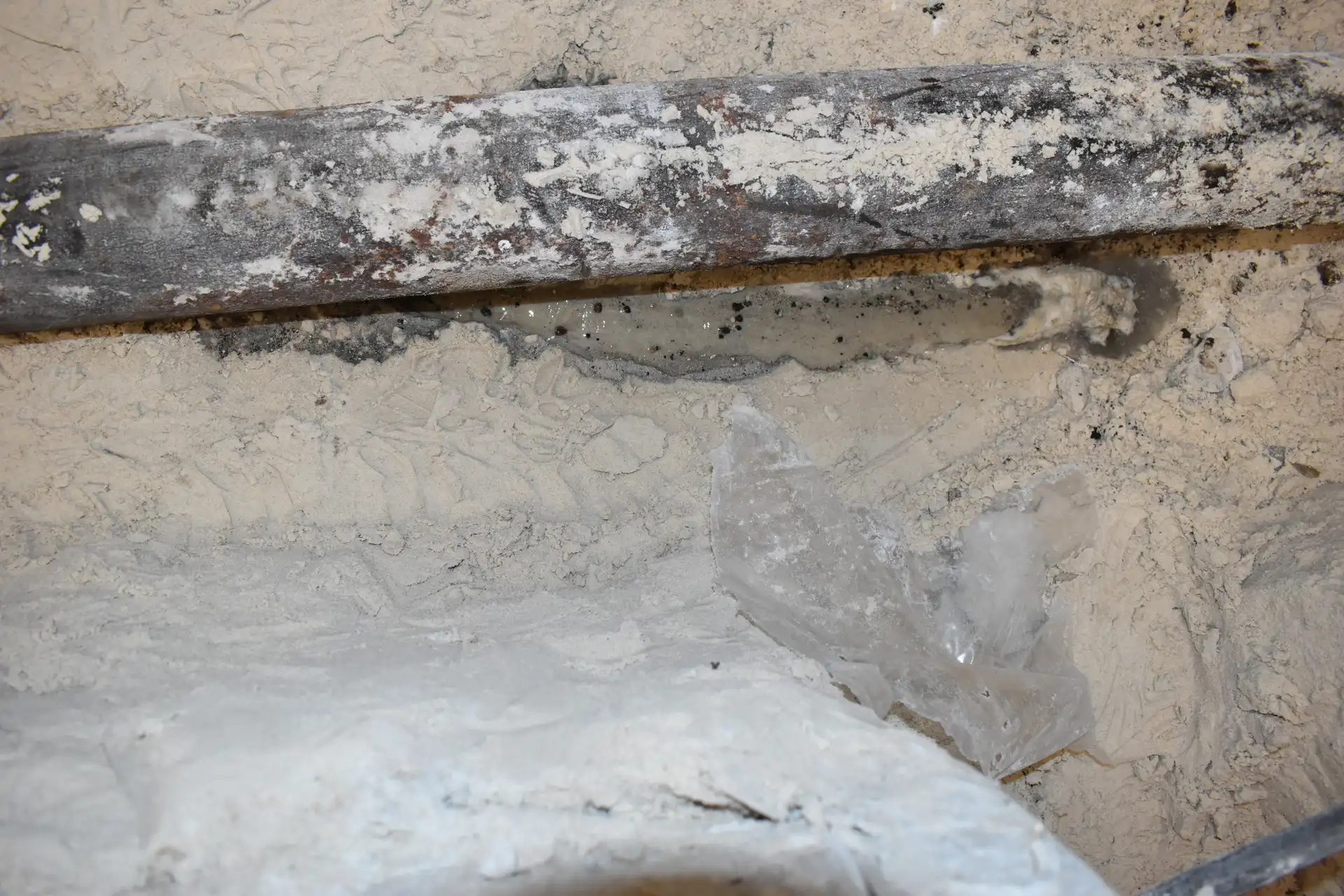
Sewer line problems rarely start with a dramatic backup. More often, they begin as small, repeatable symptoms—a slow drain here, a gurgle there—until one day the system crosses a threshold and you’re dealing with sewage where it doesn’t belong.
In areas with older pipe materials, year‑round root growth, and shifting soil, sewer issues are more common than most homeowners expect. A sewer camera inspection (sometimes called a video camera inspection) is the fastest way to confirm what’s actually happening inside the line—before a “minor annoyance” becomes a major cleanup.
The 10 most common warning signs
1. Multiple drains are slow at the same time
One slow sink can be a local clog. But when you notice:
- slow tubs + slow sinks
- slow kitchen + slow bathrooms
- toilets that struggle after you run water
that pattern often points to a restriction in the main sewer line, not just one fixture.
2. You hear gurgling from toilets or drains
Gurgling is often air being displaced because the line isn’t venting or draining properly. It can be caused by:
- partial blockages
- buildup that reduces pipe diameter
- root intrusion catching debris
A camera inspection helps determine if the cause is a cleanable obstruction or a structural defect.
3. You smell sewer odor inside or outside
Sewer gas smells are not “normal for old homes.” Odors can indicate:
- a partial blockage causing waste to sit longer than it should
- a crack/joint separation allowing gases to escape
- a failing connection near the yard line
If the smell is persistent, don’t mask it—diagnose it.
4. Clogs keep coming back after snaking
If you’ve had the line snaked and symptoms return quickly, the root cause might be:
- roots (snakes often punch a hole through them)
- a belly (a low spot that refills with debris)
- heavy scale in cast iron
- an offset joint that catches paper
In these cases, cleaning without a camera can become a loop: clear → return → clear → return.
5. Your toilet bubbles when you run a sink or shower
This is a classic sign of a shared drainage restriction. When the main line is partially blocked, water movement in one branch can push air through another.
6. You’ve had a sewage backup before
If you’ve backed up once, your risk of recurrence is higher—especially if the underlying issue wasn’t confirmed and addressed. A post‑backup camera inspection creates a baseline and identifies the failure point.
If you’re currently experiencing a backup, you may need urgent sewer line service first, then an inspection to prevent repeat events.
7. You see unusually green patches or soggy areas in the yard
A sewer leak can fertilize the soil, producing a bright green patch that looks “healthy” compared to the rest of the lawn. Other yard symptoms include:
- persistent wet spots in dry weather
- soft ground or depressions
- sinkhole‑like settling
A camera inspection helps confirm whether the issue is a line break, joint separation, or a recurring blockage forcing water out.
8. Your home is older (especially pre‑1975)
Many older homes have cast iron sewer lines. Over decades, cast iron can:
- corrode from the inside
- develop heavy scale buildup
- crack at weak points
- collapse in sections
If the inspection shows advanced deterioration, you’ll want to understand cast iron pipe replacement options before it becomes an emergency.
9. You have mature trees near the sewer line path
In South Florida, roots don’t “go dormant” in winter—they grow year‑round. Common landscape trees can aggressively chase moisture toward sewer lines, especially at joints.
Early root intrusion is often treatable with hydro jetting. Severe intrusion can signal structural damage.
10. You’re buying a home (or you can’t verify sewer maintenance history)
If you don’t have records of:
- prior repairs
- replacement work
- inspections or cleanouts
you’re operating blind. A camera inspection is one of the most cost‑effective ways to reduce surprise risk.
“Is it urgent?” A simple severity guide
Use this as a quick decision tool:
| Symptom | Likely urgency | Why |
|---|---|---|
| Recurring slow drains in multiple rooms | High | Often main line restriction |
| Gurgling + odors | High | Often blockage or vent/drain imbalance |
| One isolated slow drain | Medium | Could be local clog |
| One backup event | High | Recurrence risk is elevated |
| Yard sogginess / sinkholes | Urgent | Possible leak or collapse |
If you’re unsure, it’s safer to inspect. Start here: sewer camera inspection.
What a camera inspection can reveal (that you can’t diagnose from the surface)
Homeowners can see symptoms. A camera inspection shows causes, including:
Root intrusion (early vs late)
Early roots look like hairlines at joints. Later, they form dense mats that trap debris and can crack pipe walls.
Pipe bellies (standing water)
If the camera shows standing water in a consistent low spot, that’s often the reason for repeat clogs.
Offset joints and separated connections
Sandy soil can shift. Offsets become “catch points” where paper and waste snag.
Cast iron corrosion and scaling
Scale buildup reduces effective pipe diameter and can create a chronic slow‑drain home that never feels fully “open.”
Partial collapses
The camera can show deformation, crushed sections, or a collapse that requires repair planning—not just cleaning.
What to do next (based on what you find)
After inspection, the next step usually falls into one of three paths:
Path A: Clean and maintain (best case)
If the issue is primarily buildup or early roots:
- hydro jetting may restore full flow
- a re‑inspection schedule keeps things from returning
Path B: Targeted repair (common)
If there’s a localized crack, offset, or failing section, targeted repair can prevent the “big failure” that leads to full replacement.
Path C: Replacement planning (worst case, but best to know early)
If the line is failing broadly, you can plan replacement on your terms—before a backup forces emergency decisions.
FAQs
What are the earliest signs of a sewer line problem?
The most common early signs are multiple slow drains, gurgling toilets, and sewer odors—especially when symptoms repeat after snaking.
Is a sewer camera inspection worth it for a slow drain?
If it’s isolated to one fixture, you may not need a camera immediately. But if slow drains affect multiple rooms or keep returning, an inspection often saves money by finding the real cause.
Does a “video camera inspection” mean something different?
Usually, no. “Video camera inspection” is a common synonym for using a waterproof camera to inspect the sewer line and record footage.
What should I do if I already had one backup?
Schedule a sewer camera inspection to identify the underlying cause and prevent repeat backups—especially in older South Florida homes.
Don’t wait for the “big backup”
If any of the signs above sound familiar, the safest next step is to confirm what’s happening underground and stop treating symptoms.
Schedule your inspection here: Sewer Camera Inspection. Getting answers now is almost always cheaper—and far less stressful—than cleaning up later.
Need Professional Help?
Our licensed plumbers are ready to help with your sewer camera inspection needs.