Miami Hurricane Season Plumbing Prep: Protect Pipes, Drains & Water Heaters
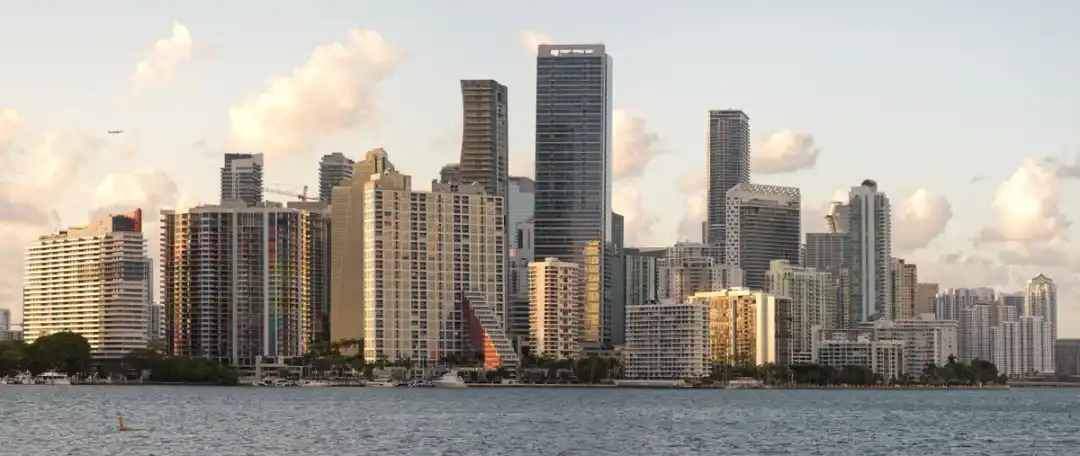
Miami Hurricane Season Plumbing Prep: How to Protect Your Pipes, Drains, and Water Heater
Miami’s coastal setting and summer storm season put extra stress on plumbing systems—thinking ahead reduces damage and downtime.
Introduction
Hurricane season in South Florida is not only a roofing and shutters conversation. For many Miami-Dade homeowners and property managers, the most expensive surprises show up after the wind dies down: water intrusion you cannot quite trace, a drain that never quite recovers, a water heater that starts weeping at the base, or a sewer line that reveals its age only when the ground is saturated.
This guide is written for people who want a clear, local checklist—what to watch for, what you can reasonably do yourself, and when a licensed plumber should take over. When you need professional help, Hernandez Plumbing Co. serves the Miami area with emergency response and scheduled repairs, and you can always reach the team at 305-428-3782 for same-day service questions.
On the live site, the services index and guides hub sit alongside the blog so readers can move from education to a specific service line; your editor can add contextual links to those hubs in the CMS if you want additional internal navigation beyond the eight links used in this draft.
Why hurricane season hits Miami plumbing harder than many homeowners expect
South Florida storms combine stresses that do not always happen together elsewhere:
- Wind-driven rain can overwhelm flashing, stucco seals, and roof penetrations. Water follows paths you will not see until drywall stains appear.
- Flooding and saturated soil change how wastewater moves. Drains that worked “well enough” in dry months may back up when the ground outside is full of water.
- Power outages and utility recovery can mean pumps are offline, city pressure fluctuates, and hot water systems sit idle at temperatures and pressures they are not used to.
Condos, townhomes, and single-family homes are not the same problem
In a single-family home, you usually control the main shutoff, the irrigation tie-ins, and the lateral out to the street—so you feel the whole chain when something changes after a storm. In a condominium stack, your “plumbing world” may stop at the wall, while common lines, risers, and roof drains are association-maintained. That does not make storms less risky; it changes who must be notified first. If you see water coming from a ceiling line in a multi-story building, document the area, contact building management, and avoid assuming it is “just your fixture” until a professional traces the path.
Older pipe materials and South Florida soils
Older homes—especially those with cast iron drain lines common in long-established Miami neighborhoods—can move slightly in saturated soil, stressing joints. That is not something to diagnose from a blog post alone, but it is a reason to take “slow drains” and “gurgling” seriously after major rain events. Hernandez Plumbing documents cast iron replacement and related services on the dedicated cast iron pipe replacement page.
If your property has been remodeled multiple times, you may also have mixed materials—some PVC, some cast iron, copper supplies at fixtures, and newer PEX runs—each with different failure modes. Storm season tends to reveal marginal systems: a small leak under a slab becomes a big leak when pressure cycles or when the house shifts slightly in wet soil.
Before the storm: a practical checklist (and what to leave to a licensed plumber)
What most owners can safely handle
- Know your water shutoff. Locate the main valve to the house and confirm it turns. If the handle is seized, plan ahead—forcing it during a storm is the wrong time to learn.
- Document your water heater’s age and any prior repairs. Take a photo of the manufacturer label. If you see corrosion on connections or pooling under the tank, schedule evaluation before peak season rather than after a tropical storm when everyone is calling for help.
- Clear roof gutters and downspouts where you can do so safely, so rainwater is routed away from the foundation. Poor drainage outside often shows up as seepage and hydrostatic pressure against slabs—sometimes mistaken for plumbing leaks indoors.
- Test sump pumps or lift pumps if your property relies on them. If you are not sure whether your home has one, a quick walkthrough with a professional before storm season is cheaper than emergency water removal.
- Photograph hose bibs and exterior penetrations before storm season. If wind-driven rain pushes water into wall cavities, your “before” photos help adjusters and contractors separate new damage from older wear.
- Assemble a simple incident log—date, time, what you saw first (stain location, sound, odor). After a major storm, memory blurs; a short timeline helps a plumber narrow down whether the issue is supply-side, drain-side, or vent-related.
What should involve a licensed plumber
- Repiping decisions, concealed leak location, and sewer camera work require training, tooling, and code awareness. Hernandez Plumbing offers leak detection (including camera-based methods described on the site) when the problem is not visible on the surface.
- Gas water heaters and gas lines are not DIY territory. If you smell gas or suspect a combustion issue, follow your utility’s emergency guidance first.
- Backflow or irrigation cross-connection questions belong in professional hands—errors can contaminate potable lines or violate local requirements.
The team has been family-owned since 1972 with more than five decades of service in the Miami market, and the company maintains a strong Google review presence (4.8 stars based on 593 Google reviews). On service trucks, Hernandez Plumbing also states that it stocks enough parts to complete a high percentage of repairs on the spot—useful when storm season compresses everyone’s timeline.
Florida contractor license CFC 1430030 appears on the company’s live site for verification.
Commercial and multi-tenant properties
If you operate a restaurant, retail space, or office in Miami-Dade, storm season adds grease interceptor and high-volume drain risk to the usual concerns. A residential checklist helps, but commercial systems often need coordinated maintenance schedules, accessible cleanouts, and clear documentation for property managers. Hernandez Plumbing describes commercial plumbing needs on the site’s marketing pages—pair this article with your commercial landing pages in the CMS when you publish.
After the storm: water damage, drainage, and water quality red flags
Once conditions are safe to re-enter the property, walk the plumbing system in a deliberate order:
- Scan ceilings and walls for new stains or bubbling paint—especially under bathrooms and along exterior-facing walls.
- Run taps briefly and listen for hammering or pressure collapse. If pressure is extremely low across the whole house while neighbors are normal, call a professional—there may be a supply issue or a hidden break.
- Flush toilets on each level and watch for slow flushes or gurgling in tubs and showers. That pattern can indicate a mainline restriction or venting issue worsened by debris or saturation.
- Sniff for sewer gas after flooding. If drains were submerged, traps may have siphoned dry; some traps can be refilled safely, but widespread sewer odors after a flood merit a licensed inspection.
Water appearance and odor (what to note, not self-diagnose)
After a major storm, you might notice temporary discoloration when service returns. Municipal systems often issue guidance during recovery events—follow those notices first. What you should capture for a plumber is simple: color, duration, whether it clears after a few minutes of flow, and whether only hot or only cold is affected. Hot-only discoloration can sometimes point toward water heater conditions; cold-only issues may be upstream. Avoid guessing—write it down and let a licensed technician separate normal recovery from equipment failure.
When to escalate immediately
For urgent situations—burst lines, major backups, or spreading water—use the emergency plumbing service page as a starting point; the same number (305-428-3782) is listed across the site for rapid response.
Water heaters, pressure swings, and hidden leaks in older Miami homes
Tank and tankless water heaters are sensitive to incoming pressure, sediment, and corrosion at connections. After extended outages or brownouts, it is reasonable to:
- Visually inspect the temperature and pressure relief valve discharge—not by opening it unless you know the procedure and risks; look for signs of steady dripping or improper extension piping.
- Check the cold-water shutoff to the heater so you can stop water to the tank if a fitting fails.
- Note any rust streaks or moisture at the top or base of the tank. A small weep can become a flood when the tank finally lets go.
Tankless considerations
Tankless units can be excellent for space and efficiency, but they still depend on stable gas or electrical service, correct venting, and clean burners or elements. After storms, if the unit throws error codes you do not recognize, avoid repeated resets—note the code and call for service. Hernandez Plumbing maintains a water heater hub for replacements and troubleshooting aligned with Florida homes.
Slab and hidden leaks
If you suspect a leak but cannot find the source—common with slab plumbing and older supply lines—pair the water heater hub with the leak detection service description (linked above) rather than cutting concrete speculatively. The site’s water line service content explains how supply repairs extend beyond a single fixture when the problem is in the distribution piping rather than the fixture itself.
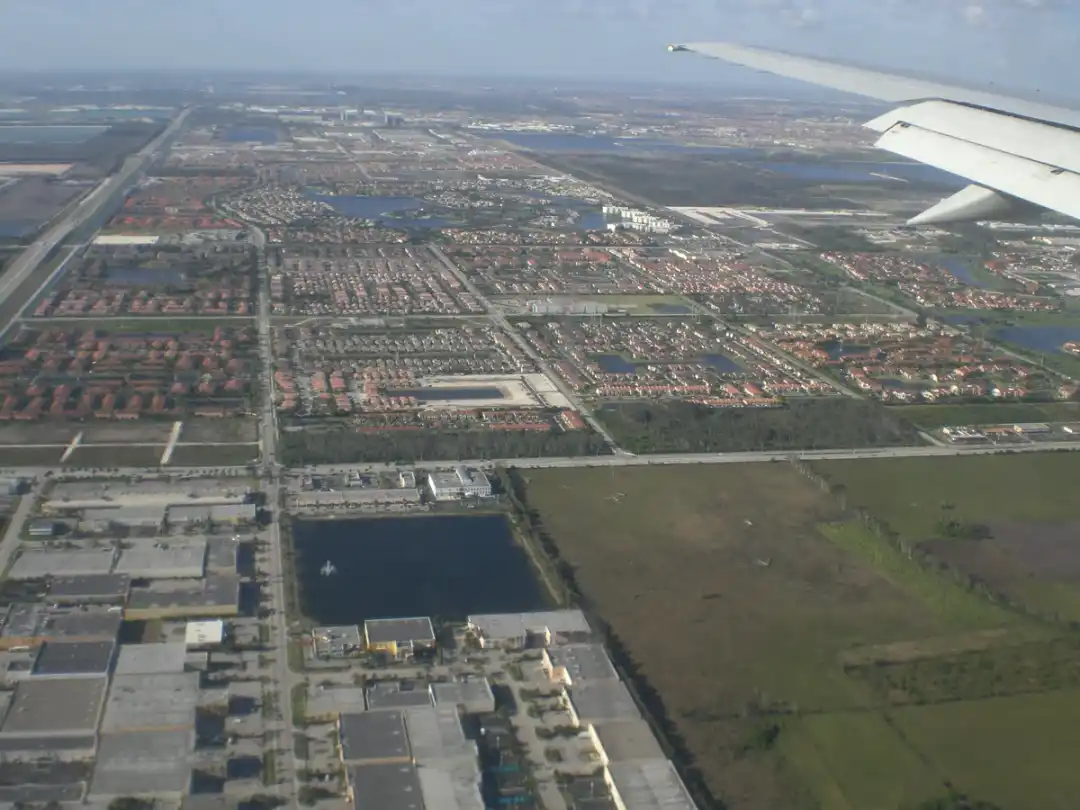 Many Miami-Dade service companies are headquartered in trade-friendly areas such as Doral—Hernandez Plumbing lists a Doral address on its live site (7790 NW 55th St., Doral, FL 33166).
Sewer and drain stress after heavy rain—and when backups become an emergency
Heavy rain can stress municipal sewers and private laterals at the same time. Warning signs include:
- Toilets that bubble when sinks run
- Multiple fixtures draining slowly at once
- Sewage appearing in floor drains or low points
For proactive cleaning and jetting options, start with the drain cleaning hub—the site also covers hydro jetting as a related high-pressure option when appropriate. For buried sewer concerns, the sewer lines page explains how professional diagnosis differs from snaking a single fixture.
Kitchen and laundry loads matter
After a storm, it is tempting to “catch up” on laundry and dishwashing. If drains are already marginal, large simultaneous dumps of water can expose a partial mainline clog faster than everyday use. Space out loads, watch for early gurgling, and stop if you see multiple fixtures misbehaving at once.
When wastewater is backing up into living space, treat it as an urgent health and property risk—not a “wait until Monday” drain issue. The site publishes additional emergency-plumbing education in the guides section; link to the guide that best matches your CMS category when you go live.
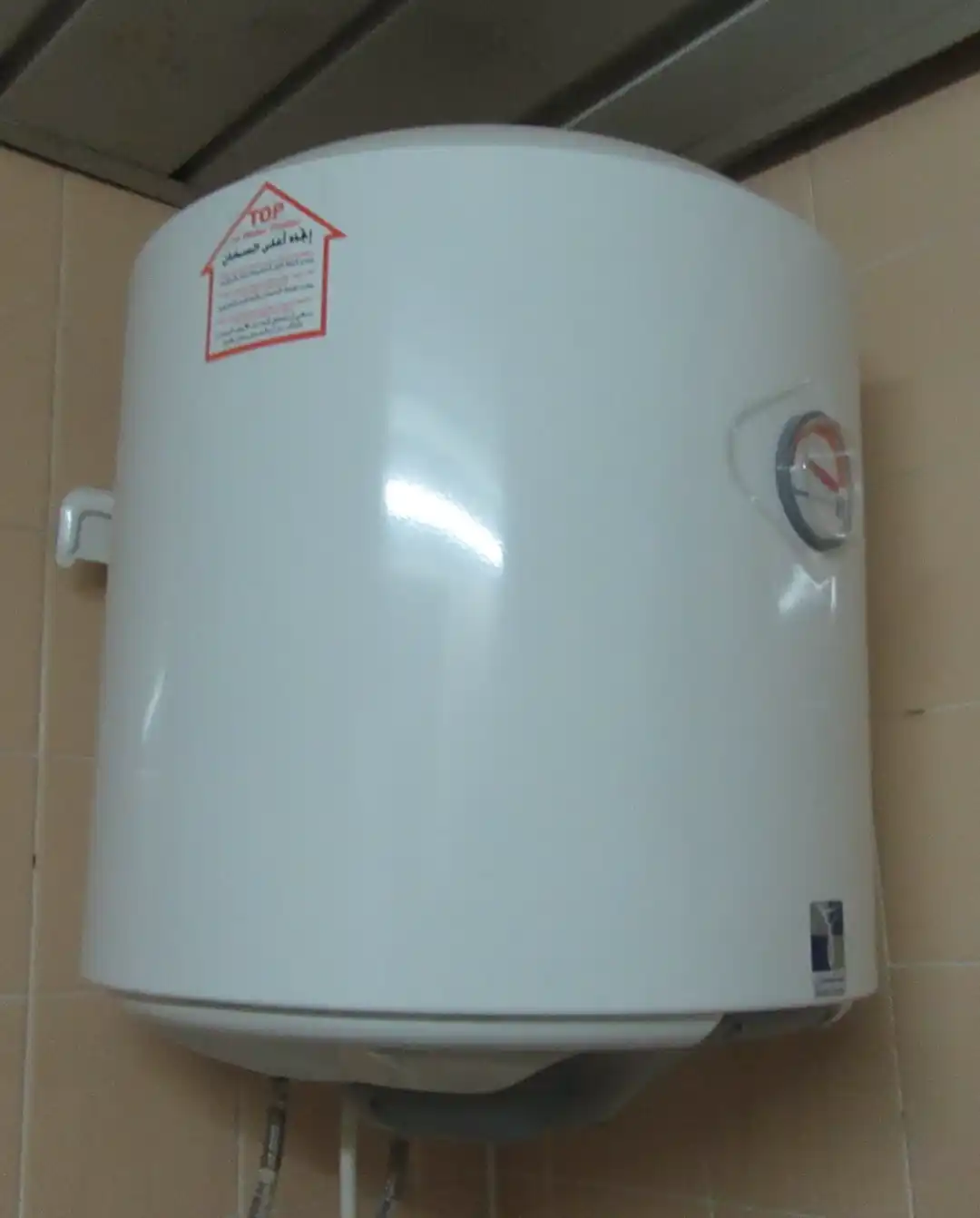 After storms and outages, water heaters deserve a careful visual check—connections, relief piping, and the tank base are common failure points.
Need help from a local team you can trust?
Hernandez Plumbing Co. combines long local tenure with modern services—from emergency response to cast iron replacement, leak detection, and water and sewer line work. The office lists csr@plumbinginmiamifl.com and phone 305-428-3782, with a 50-mile service radius published in structured data on the homepage—broad enough for much of South Florida’s core metro.
If you are unsure whether your situation is routine maintenance or a true emergency, call anyway. Describing symptoms accurately gets the right technician and tools to your door faster. For non-urgent projects or large repairs, use contact to coordinate estimates and scheduling.
Documentation that helps your plumber help you faster
Storm-related plumbing calls go smoother when you bring specifics. If you can safely do so, write down:
- Which fixtures misbehave (kitchen sink vs. master bath vs. floor drain), and whether the issue is constant or intermittent.
- Sounds and odors—gurgling after flushing, sewer smell only after rain, or a “hammer” when the irrigation system turns on.
- Power status—whether the water heater was offline for days, whether a pump runs continuously, and whether neighbors report the same pressure issue.
- Photos of stains, rust, or standing water, with a common object in frame for scale.
This is not about proving anything to an insurance carrier—though adjusters often want similar detail—but about giving a licensed technician the shortest path from symptom to diagnosis.
Insurance and permits: stay in your lane, stay safe
Every carrier and policy differs. Generally, sudden and accidental water damage is handled differently than long-term seepage or maintenance neglect. Your job as a homeowner is to mitigate—stopping active leaks when you can do so safely—and to avoid DIY repairs that violate code or create safety hazards.
Permitting and code questions belong to licensed professionals and your local authority having jurisdiction. Hernandez Plumbing’s marketing emphasizes licensed work (Florida contractor license CFC 1430030 on the live site). If a contractor cannot explain why a repair needs a permit, get a second opinion.
What “same-day” really means in storm season
After a major tropical event, demand spikes everywhere—roofing, restoration, electrical, and plumbing. Same-day service is a genuine promise when capacity allows, but the most successful storm-season customers are the ones who called early on marginal symptoms: the damp cabinet, the intermittent gurgle, the small rust weep at a water heater fitting. Treat those as appointments, not panics—until they worsen.
Pools, irrigation, and outdoor plumbing (easy to forget)
Miami properties often bundle pool equipment, irrigation valves, and outdoor kitchens into the same weekend storm story. A cracked vacuum line, a stuck backflow test port, or a loose hose bib can waste thousands of gallons or mask the true entry point for water intrusion. You do not need to become an irrigation specialist—just include outdoor hose bibs, pool heater plumbing, and visible backflow assemblies in your walkthrough. If water is surfacing only near the meter box or cleanout after rain, note it; those clues help a plumber distinguish between stormwater management issues and a failing building drain.
Closing checklist (save this for June and November)
Use this as a twice-a-year rhythm: once before peak season and once after the worst months pass.
- Re-check the main shutoff and photograph the water heater label.
- Run fixtures on each level on a quiet evening and listen—gurgling travels through walls when vents are compromised.
- Walk the perimeter for new cracks, settled pavers, or pooling that was not there last year.
- If anything feels “off,” schedule work while calendars are still flexible—not during the first named storm watch of the season.
Disclaimer: This article is for general education. It is not a substitute for a licensed plumber’s inspection, local code requirements, or your insurance adjuster’s guidance after storm damage.