How Moisture Sensors Detect Hidden Leaks
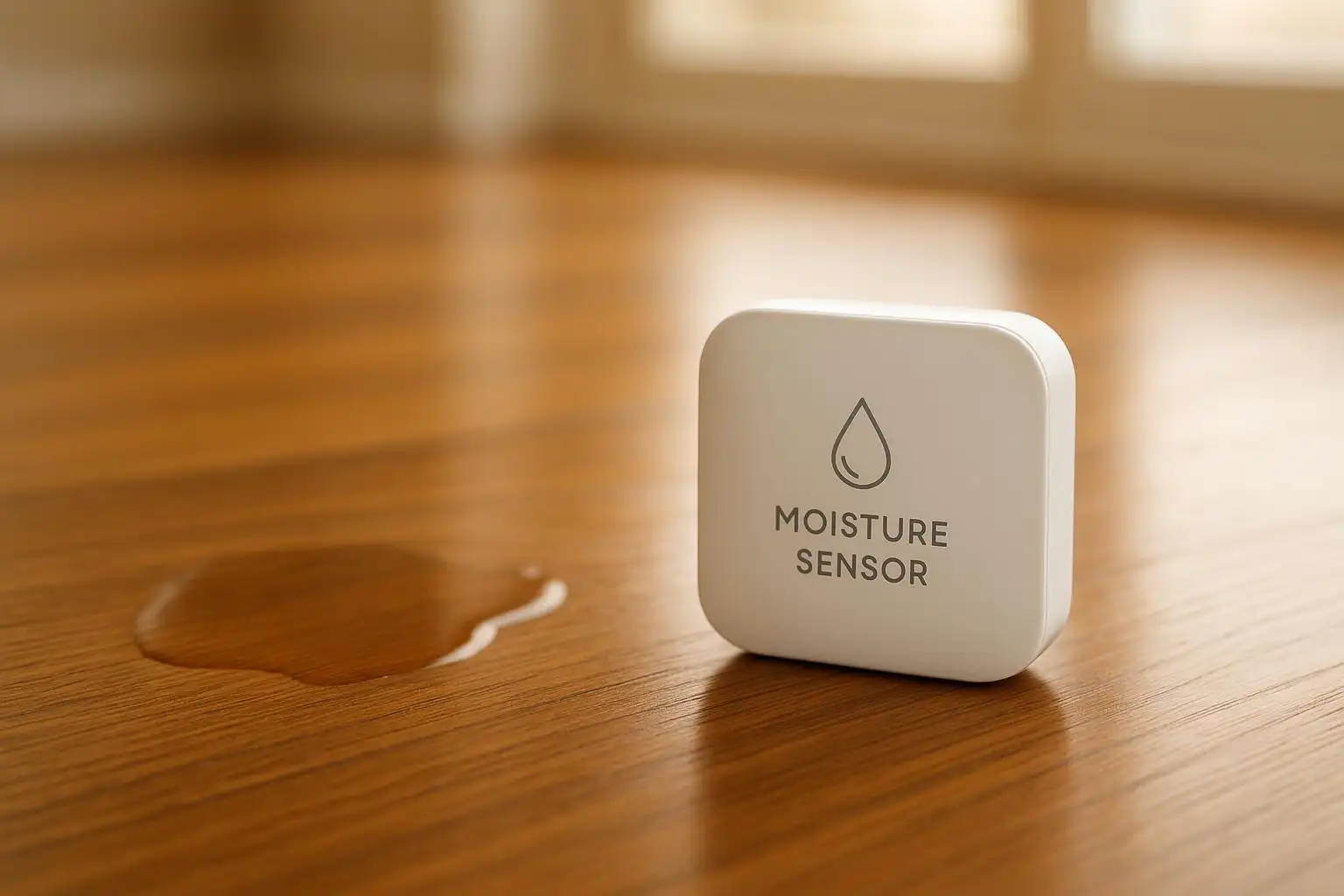
Moisture sensors are small devices that detect water leaks and high humidity levels in homes and businesses. They alert you via alarms, lights, or smartphone notifications when moisture is detected, helping prevent costly water damage. Modern sensors can integrate with smart home systems, providing real-time updates and automated responses like shutting off water valves.
These sensors use different technologies:
- Capacitive sensors detect moisture through changes in electrical fields.
- Resistive sensors respond to water bridging two electrodes.
- Humidity sensors measure air moisture levels.
- Probe-style sensors reach hard-to-access areas like under sinks or behind appliances.
Why it matters: Hidden leaks can How Leaks Increase Water Bills Over Time, leading to high bills, mold growth, and structural damage. Proper placement – near sinks, appliances, basements, or water heaters – ensures effective monitoring. While sensors provide early warnings, Signs of Hidden Water Leaks in Your Home to resolve.
Where To Install Water Leak Detectors (Best Locations)
How Moisture Sensors Work
Moisture sensors operate by 7 DIY Ways To Detect Water Leaks At Home through variations in electrical properties. When moisture comes into contact with the sensor or humidity surpasses a preset threshold, the device sends an alert. This straightforward mechanism forms the basis of the advanced features we’ll explore below.
These sensors typically run on low voltage, often powered by batteries that last for extended periods. They continuously monitor their surroundings, activating alarms, LED indicators, or wireless signals when moisture is detected.
Types of Moisture Sensors
Capacitive sensors measure electrical capacitance changes caused by moisture in the air or on surfaces. Water molecules alter the electrical field between two conductive plates, allowing these sensors to detect shifts in humidity or surface moisture. They’re particularly useful for monitoring walls, floors, and ceilings.
Resistive sensors rely on the fact that water conducts electricity better than dry materials. When moisture bridges the gap between two electrodes, electrical resistance drops sharply, triggering an alert. These sensors are ideal for identifying direct water contact, especially in areas prone to standing water.
Humidity sensors specialize in measuring water vapor levels in the air. They use materials that expand or contract based on moisture or electronic components that change their electrical properties as humidity varies. These sensors work well in spaces like bathrooms and basements, where condensation is a common issue.
Probe-style sensors use cables or wires to extend the sensing elements into hard-to-reach areas. This design allows you to monitor behind appliances, under sinks, or in crawl spaces where the main sensor unit might not fit.
Wireless and Smart Features
Modern moisture sensors go beyond basic detection by incorporating smart technology. Many connect to Wi-Fi, sending instant push notifications through linked apps. This real-time alert system can help prevent costly water damage by enabling quick action when a leak is detected.
Smart home integration takes things further, allowing moisture sensors to sync with systems like Alexa, Assistant Google, or Apple. You can set up automated responses, such as shutting off water valves, turning on fans, or activating security cameras to monitor the affected area.
Some sensors also include temperature monitoring, which helps identify conditions that encourage mold growth or signal frozen pipes at risk of bursting. By tracking temperature and humidity trends over time, these devices can highlight potential problems before they escalate.
Features like battery life monitoring and multi-sensor networks make it easier to manage your home’s monitoring system. You’ll receive low-battery alerts and location-specific notifications, such as "basement" or "under the sink", so you know exactly where attention is needed.
Installing and Using Moisture Sensors
Getting your moisture sensors installed correctly is the first step toward effective leak detection. While the exact process depends on the type of sensor you’re using, proper placement and thorough testing are key to ensuring reliable performance throughout your home.
Where to Place Sensors for Best Results
Start by focusing on high-risk areas where leaks are most likely to occur. Place sensors under sinks, vanities, and near laundry connections – these spots are common culprits for hidden water damage. Your water heater is another critical area; install sensors around its base and near the temperature relief valve. These units can fail suddenly, releasing large amounts of water in a short time.
Appliance areas also demand attention. For dishwashers and washing machines, position sensors both behind and in front of the units to catch leaks early. Refrigerators with ice makers need sensors near water line connections, typically at the back or underneath the appliance.
Don’t overlook basements and crawl spaces, as leaks in these areas often go unnoticed for long periods. Focus on spots below kitchens and bathrooms, near sump pumps, and along foundation walls where groundwater might seep in. If you’re using probe-style sensors, extend cables into low-lying corners where water is most likely to collect.
For the sensors to work effectively, surface preparation is critical. Make sure the mounting area is clean and completely dry. Remove any oil, soap residue, or cleaning product buildup, as these can interfere with water detection. Smooth, level surfaces are ideal for maintaining proper contact between the sensor and potential water sources.
Once you’ve identified the best spots, you’re ready to install and configure your sensors.
Installation and Testing Steps
Start with the initial setup by checking whether your sensor needs to be configured through a smartphone app. Many sensors, like Samsung’s SmartThings, require you to download the manufacturer’s app for setup and testing. Insert the batteries as instructed and activate the backup switch if your sensor includes one.
Next, move on to mounting the main unit. If your sensor is wall-mounted, position it at least 3 feet above the floor to protect it from water damage. Use pre-drilled holes and anchors for stability, or opt for 3m fasteners if you need a temporary or renter-friendly solution. Just make sure the surface is clean and press firmly for about 30 seconds to secure it.
For probe and cable placement, accuracy is key. Place probe sensors directly on the floor with their metal contacts facing down. If you need to detect higher water levels, mount the probes vertically at the desired height. Use U-clips to secure cables, preventing them from being pulled or bent out of place.
Now it’s time for network connection and configuration. Use the app to connect the sensors to your home Wi-Fi and follow the setup prompts. This step ensures the sensors are calibrated for your specific needs.
Testing is crucial to confirm everything is working properly. After installation, test each sensor by placing a few drops of water near it. Make sure the sensor’s alarm sounds and that you receive a notification on your smartphone. For cable sensors, test multiple points along the cable to ensure consistent detection. Repeat this process monthly to maintain reliability.
If you’re setting up a multi-sensor network, you can often connect up to four sensors to a single main unit. This is especially useful for covering larger areas like basements or multiple bathrooms. Test each sensor in the network to verify that the system accurately identifies which one triggered the alert.
Benefits and Limitations of Moisture Sensors
Moisture sensors can play a crucial role in detecting leaks and protecting properties from water damage. However, while they offer several advantages, they also come with certain challenges that users should consider.
Main Benefits of Moisture Sensors
One of the biggest advantages of moisture sensors is early detection. These devices can quickly identify water leaks, helping to minimize repair costs and prevent extensive property damage before it becomes a major issue.
Another key benefit is 24/7 monitoring. Many modern sensors connect to Wi‑Fi and send instant alerts directly to your smartphone. This means you can respond to potential problems promptly, even if you’re not at home.
From a financial perspective, moisture sensors are a modest investment compared to the high costs of repairing water damage. They are an affordable way to safeguard your property.
Lastly, these devices provide peace of mind. Knowing that your home is equipped with active leak detection can be a huge relief, especially in older homes or properties with aging plumbing systems. This is particularly important in South Florida, where 6 Common Seasonal Leak Causes in Miami Homes can strike year-round due to humidity, storms, and temperature changes.
While these benefits are compelling, there are some drawbacks to keep in mind.
Challenges and Limitations
One common issue is the risk of false alarms. High humidity, condensation, or even small drips can sometimes trigger sensors unnecessarily, leading to frustration or unnecessary alerts.
The reliance on Wi‑Fi and power is another consideration. Many smart sensors depend on a stable internet connection for real-time notifications, so outages could delay alerts. Additionally, sensors without backup batteries may stop functioning during power interruptions.
Ongoing maintenance is required to keep these devices working effectively. Tasks like replacing batteries, cleaning sensors, and updating software are essential for reliable operation.
Another limitation is the coverage area of certain sensors. Fixed designs may miss water that spreads beyond their immediate range, which could mean installing multiple units to ensure complete protection.
Finally, the initial investment can be steep for more advanced systems. Features like automatic shut-off valves often come with a higher price tag, and professional installation may add to the overall cost.
Summary: Benefits vs. Limitations
| Benefits | Drawbacks |
|---|---|
| Early detection helps reduce repair costs | False alarms from humidity or minor drips |
| Continuous monitoring with smartphone alerts | Relies on Wi‑Fi and power sources |
| Cost-effective compared to water damage repairs | Regular maintenance is required |
| Offers peace of mind for homeowners | Limited coverage area for some designs |
| Higher upfront costs for advanced systems | |
| Challenging to access sensors in hard-to-reach areas |
Despite these challenges, moisture sensors remain an effective tool for early leak detection. By being aware of both the benefits and limitations, you can make informed decisions and take steps to maximize their effectiveness while addressing potential drawbacks.
When to Call a Professional Plumber
Moisture sensors are great for catching leaks early, but sometimes, you need more than just an alert. If your sensors keep going off or hidden issues persist, it’s time to call a plumber. While sensors can warn you, they can’t fix structural or plumbing system problems.
Signs You Need Professional Help
- Stubborn water stains: If you notice stains on walls, ceilings, or floors, it’s a clear sign there’s a hidden leak somewhere in your plumbing system.
- Skyrocketing water bills: A sudden increase in your water bill without any extra usage could mean there’s a leak underground or inside your walls that your sensors missed.
- Multiple sensor alerts: When several sensors go off, it could point to a bigger issue like trouble with the main water line, sewer line, or aging pipes.
- Structural damage: Sagging floors, cracked foundations, or warped walls indicate water damage that’s gone too far for sensors to prevent.
- Sensor glitches: If your sensors are giving false alarms or irregular readings, it may be time for a professional to inspect your plumbing with advanced tools.
- Odd smells or discolored water: A sewage odor or discolored water from your taps is a serious red flag that something is wrong with your plumbing.
If you’re noticing any of these signs, it’s best to act quickly. Combining reliable sensor alerts with these indicators can help you decide when to bring in an expert.
Hernandez Plumbing: Expert Leak Detection Services
When your sensors flag a potential problem or you spot any of the warning signs above, Hernandez Plumbing is here to help. Serving Miami, FL, their licensed technicians specialize in finding and fixing leaks, whether they’re hidden in walls, under slabs, or buried underground.
Hernandez Plumbing offers 24/7 emergency service, so you can count on them for fast help when you need it most. They also provide upfront pricing, starting at $49 (regularly $97) for diagnostics, so you’ll know the cost before any work begins. This transparency helps you make informed decisions about your repairs.
From minor leaks to major pipe replacements, Hernandez Plumbing has you covered. They handle everything, including cast iron pipe replacement and water line upgrades, ensuring any issues revealed by your sensors are resolved quickly and effectively.
With a satisfaction guarantee and a worry-free warranty, you can trust that your plumbing is in expert hands. Plus, they offer same-day service to address urgent leaks and minimize damage to your property.
Conclusion: Protect Your Property with Moisture Sensors
Moisture sensors are a simple yet powerful tool to catch leaks early, helping you avoid the hefty costs of water damage. The key to their effectiveness lies in proper placement, ensuring your home has a reliable early warning system to protect your investment. Once in place, these sensors can do much more than just detect leaks – they can integrate with advanced monitoring systems for added convenience.
Modern sensors offer features like instant smartphone alerts and compatibility with home automation systems. Whether you opt for a basic alarm or a wireless model with app connectivity, these smart capabilities ensure you’re notified immediately, allowing you to act quickly and even automate responses.
It’s important to remember that while sensors can alert you to leaks, they don’t solve the problem. Quick action is essential. Small leaks can often be handled right away, but if your sensors keep going off or you notice signs of structural damage, it’s time to call in the experts. Water damage doesn’t wait, and neither should you. Acting on alerts promptly, paired with professional assistance, is the best way to protect your property.
When your sensors detect a problem, Hernandez Plumbing is ready to step in. Their 24/7 emergency service ensures help is always available. With upfront diagnostics starting at $49 and same-day service, they make it easy to address issues before they grow into costly repairs.
Adding moisture sensors to your home is a smart investment in protecting its value. Paired with expert repair services, they form a solid defense against leaks, helping you maintain your property for years to come.
FAQs
What type of moisture sensor should I use to detect leaks in different parts of my home?
When picking a moisture sensor, it’s all about matching the tool to the job. For surfaces like walls and ceilings, pinless sensors are a smart choice. They won’t damage the surface and are excellent for spotting moisture that might lead to mold. If you’re dealing with hidden issues, like leaks inside walls or structural materials, pin-type sensors are the way to go. These sensors provide precise readings by inserting pins directly into the material. For outdoor spaces or soil, opt for sensors built to handle larger areas and calibrated for outdoor conditions. Choosing the right sensor helps you stay on top of leaks and manage moisture effectively in your home.
How can I tell if my moisture sensors need maintenance or replacement?
If your moisture sensors are giving inconsistent readings, acting erratically, or not responding as expected, they might need some attention. Issues like dirt buildup or residue can also affect their accuracy, making them less reliable.
To keep them functioning properly, start by cleaning the sensors or recalibrating them if their performance seems off. If these steps don’t resolve the issue, it’s a good idea to replace the sensors. This ensures accurate leak detection and helps avoid potential water damage.
How can I make sure my moisture sensors detect leaks accurately without triggering false alarms?
To get the best performance from your moisture sensors and reduce false alarms, place them strategically in areas where leaks are most likely to happen. Ideal spots include under sinks or next to water heaters. Steer clear of locations with high humidity, such as bathrooms or laundry rooms, as the excess moisture in the air can lead to inaccurate readings.
Regular upkeep is essential for reliable performance. Keep the sensors clean and dry by wiping away any leftover moisture. Ensure they’re properly calibrated and securely positioned on flat, stable surfaces for better accuracy. With these steps, your sensors will be ready to detect leaks quickly without unnecessary interruptions.
Need Professional Help?
Our licensed plumbers are ready to help with your leak detection needs.