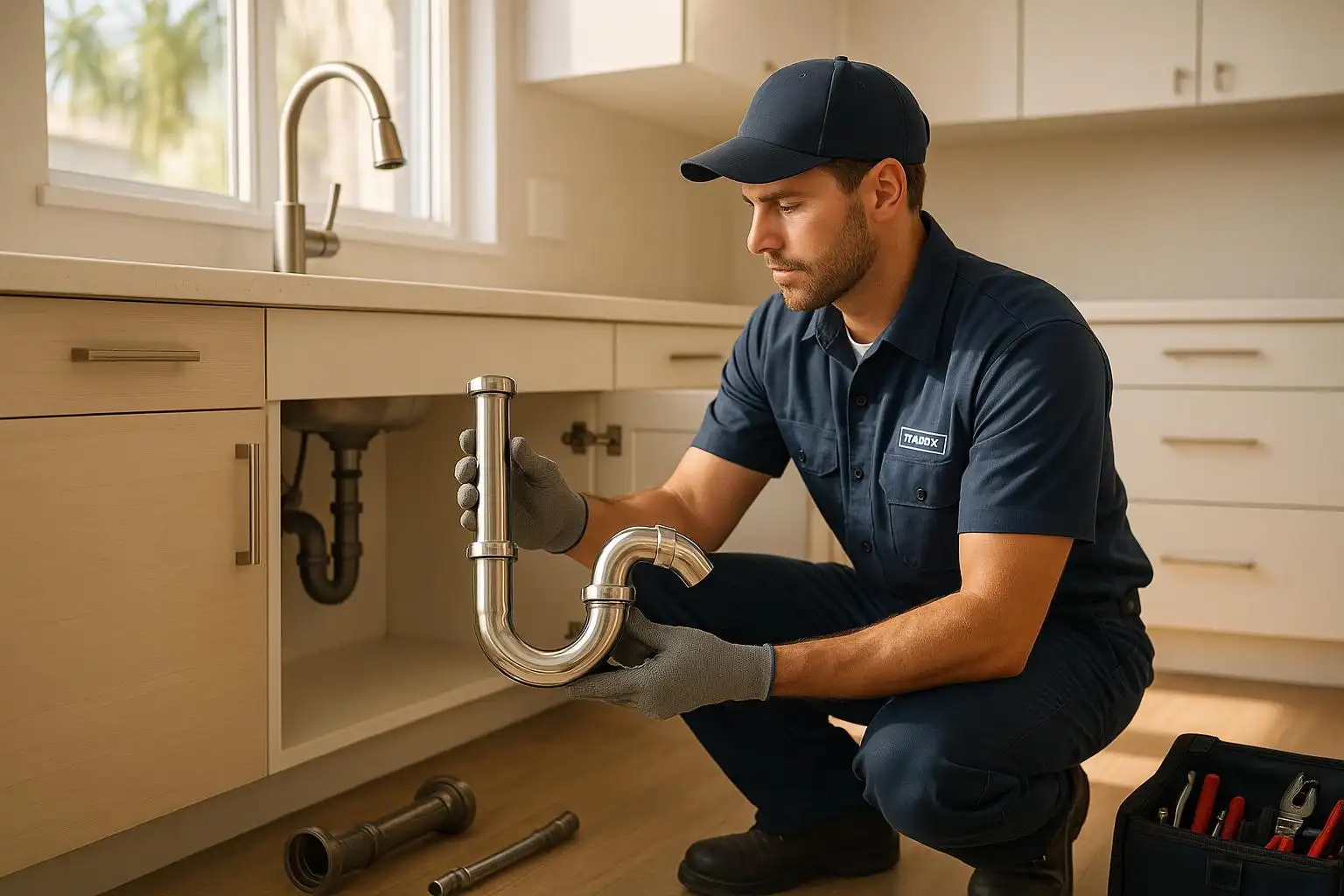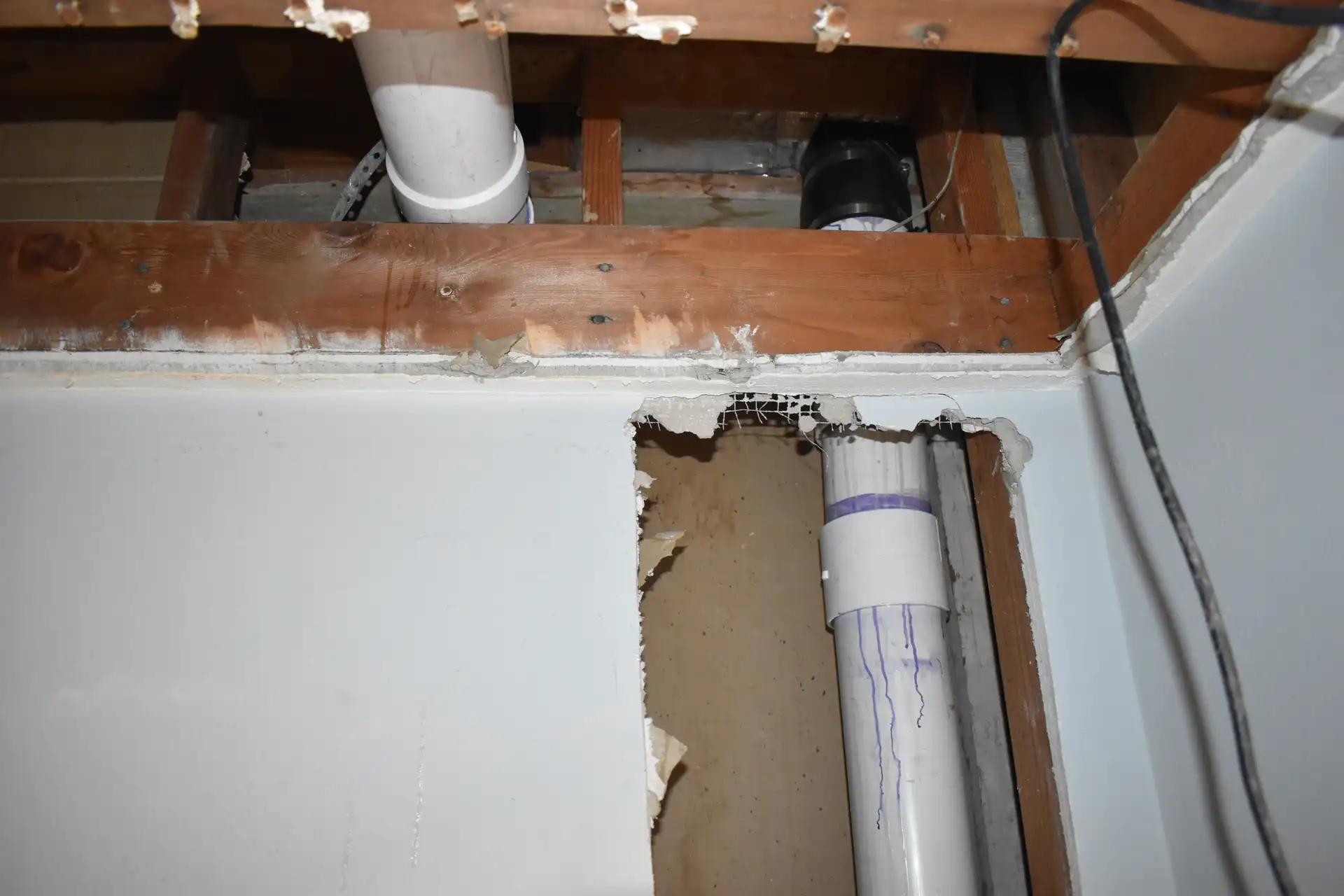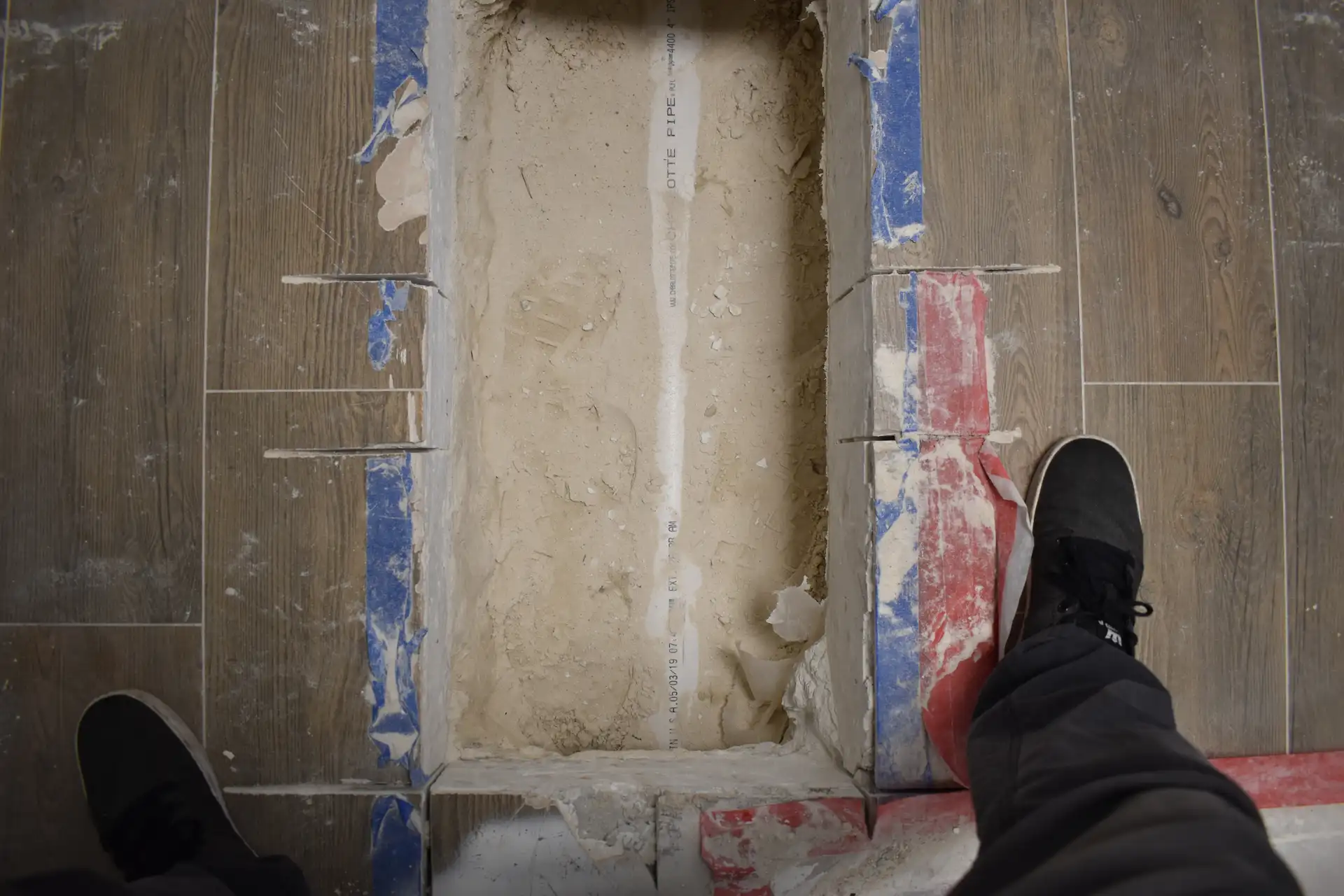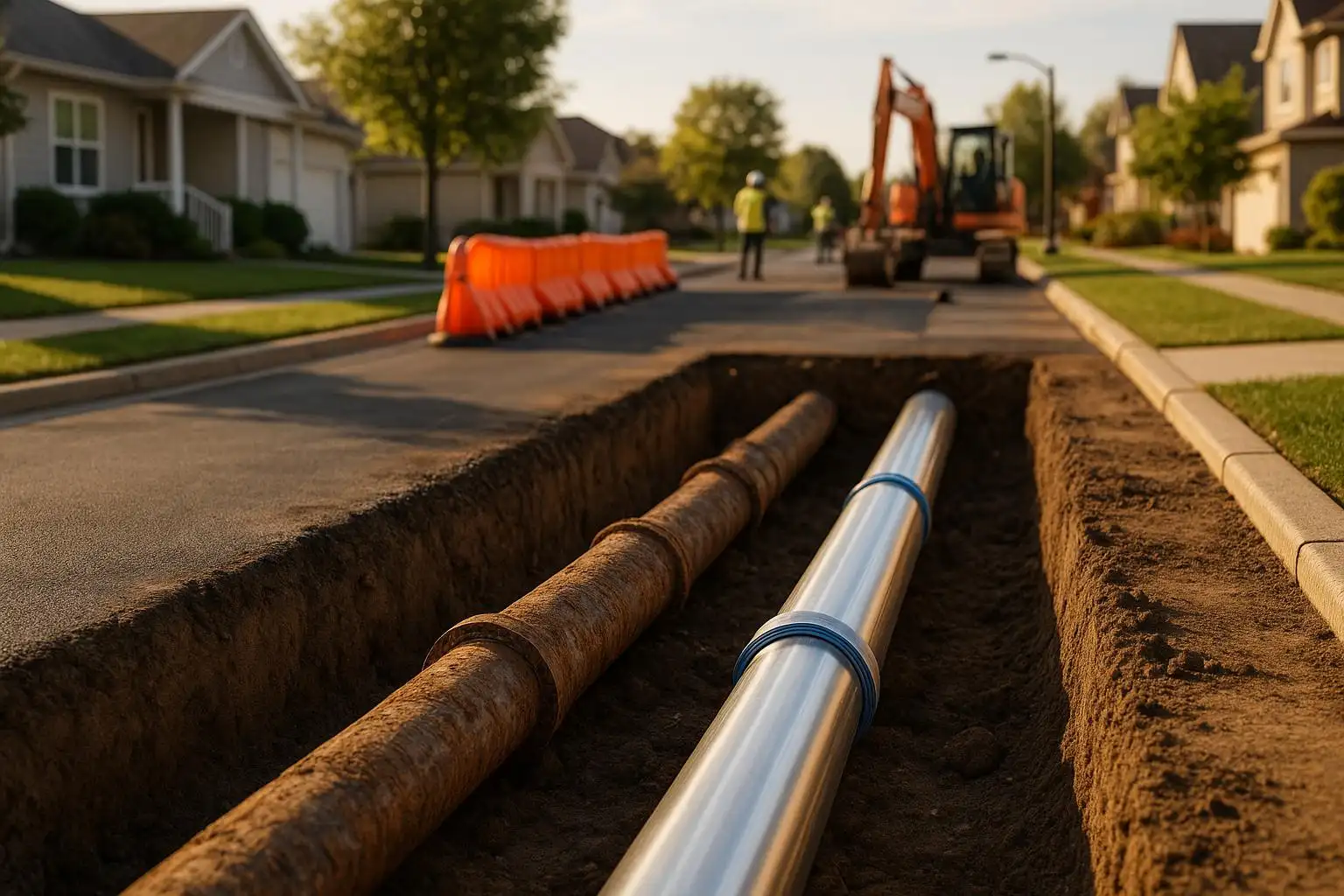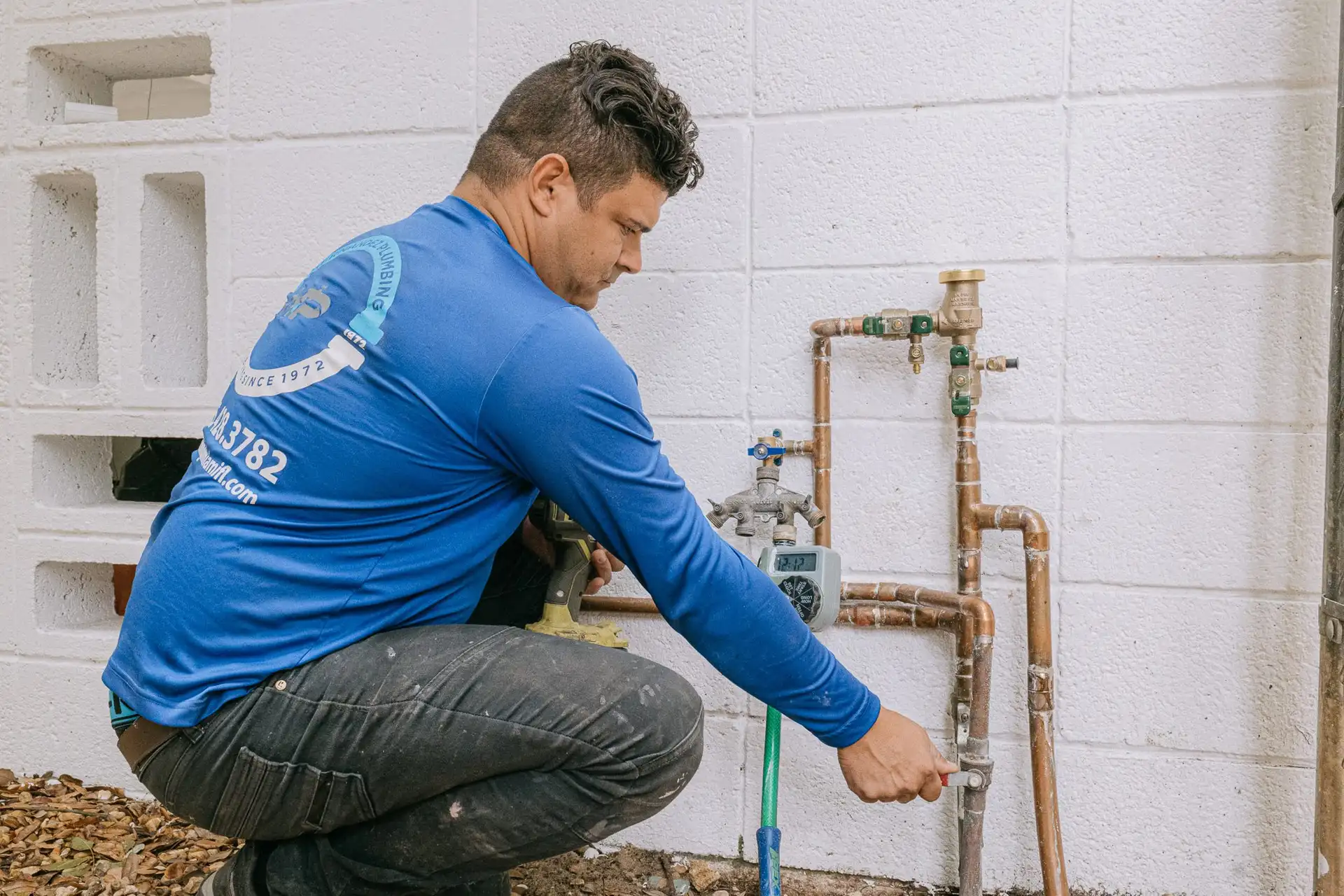
Your home's plumbing pipes are the hidden infrastructure that delivers clean water and removes waste every day. Like any system, pipes deteriorate over time, and South Florida's unique conditions can accelerate this process. Understanding when to repair individual problems versus replacing entire pipe systems is crucial for protecting your home and investment.
This comprehensive guide helps you navigate pipe repair and repiping decisions, understand your options, and know what to expect from the process.
Understanding Your Home's Pipes
Before making repair or replacement decisions, understand what's in your walls and under your floors.
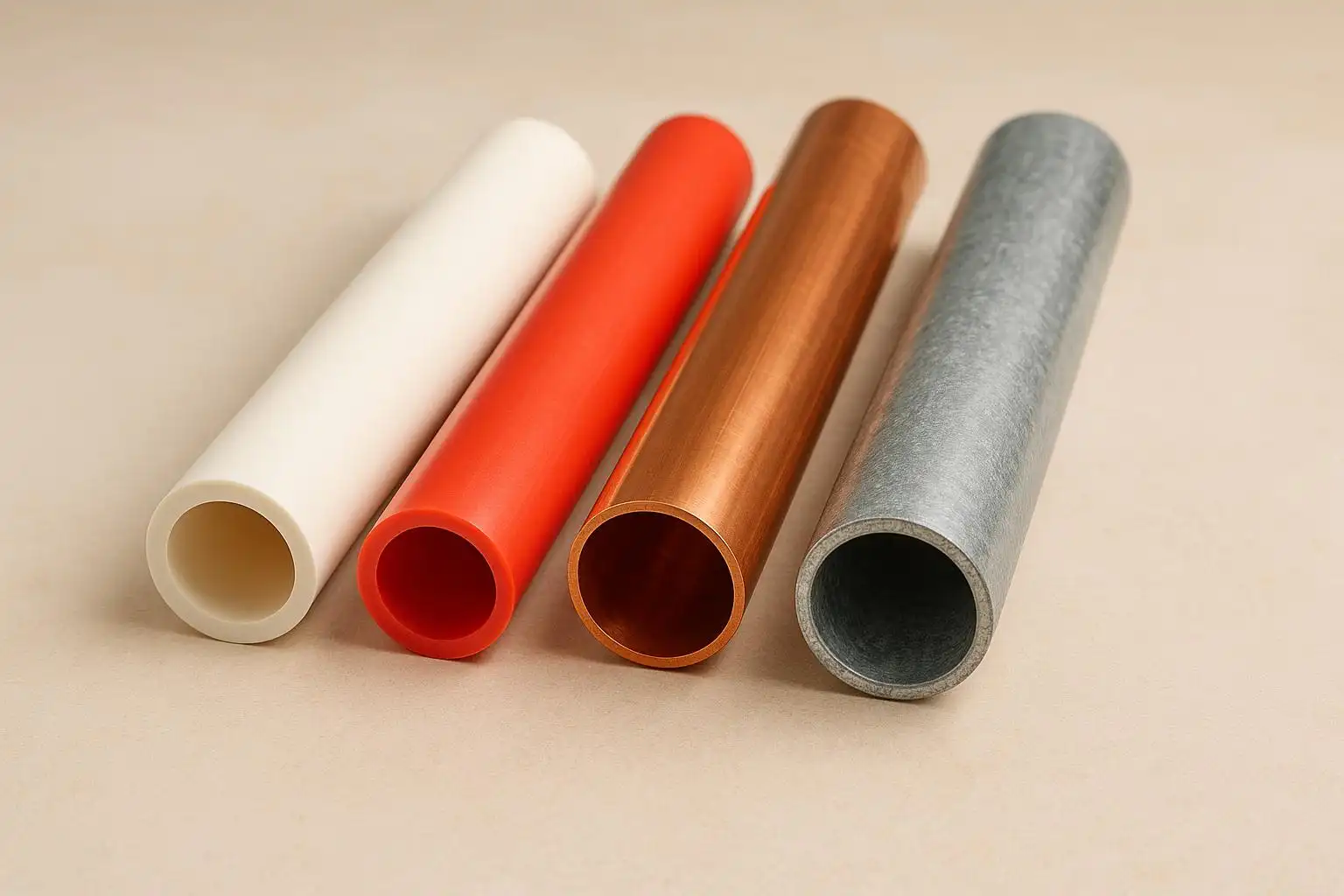
Types of Pipes in South Florida Homes
Copper pipes:
- Standard in homes built 1960s-2000s
- Expected lifespan: 50-70 years (but often less in Florida)
- Common issues: Pinhole leaks, corrosion, joint failures
- Still considered premium material for new installations
Galvanized steel pipes:
- Common in homes built before 1960
- Expected lifespan: 20-50 years
- Common issues: Rust, reduced flow, complete failure
- Should be replaced when found
PVC (Polyvinyl Chloride):
- Used for drain, waste, and vent (DWV) pipes
- Expected lifespan: 25-40 years
- Common issues: Joint failures, brittleness with age
- Standard for modern drain installations
CPVC (Chlorinated PVC):
- Used for hot and cold water supply
- Expected lifespan: 20-25 years
- Common issues: Brittleness, breaks at fittings
- Less common in new installations now
PEX (Cross-linked Polyethylene):
- Modern flexible tubing
- Expected lifespan: 40-50+ years
- Few reported issues when properly installed
- Current standard for residential supply lines
Cast iron:
- Used for main drains in older homes
- Expected lifespan: 50-100 years
- Common issues: Corrosion, cracks, complete failure
- Particularly problematic in South Florida
Why Florida is Hard on Pipes
South Florida presents unique challenges that pipes in other regions simply don't face. Our soil chemistry, rich in minerals and with varying pH levels, accelerates copper corrosion at rates significantly higher than the national average. Many Miami homeowners are surprised to learn that copper pipes expected to last 50-70 years elsewhere may develop pinhole leaks after just 15-20 years here.
The high mineral content in our water supply compounds the problem, causing scale buildup inside pipes that gradually restricts flow and promotes corrosion from the inside out. Meanwhile, Miami's constant humidity promotes exterior corrosion on any exposed pipes in garages, utility rooms, and crawl spaces.
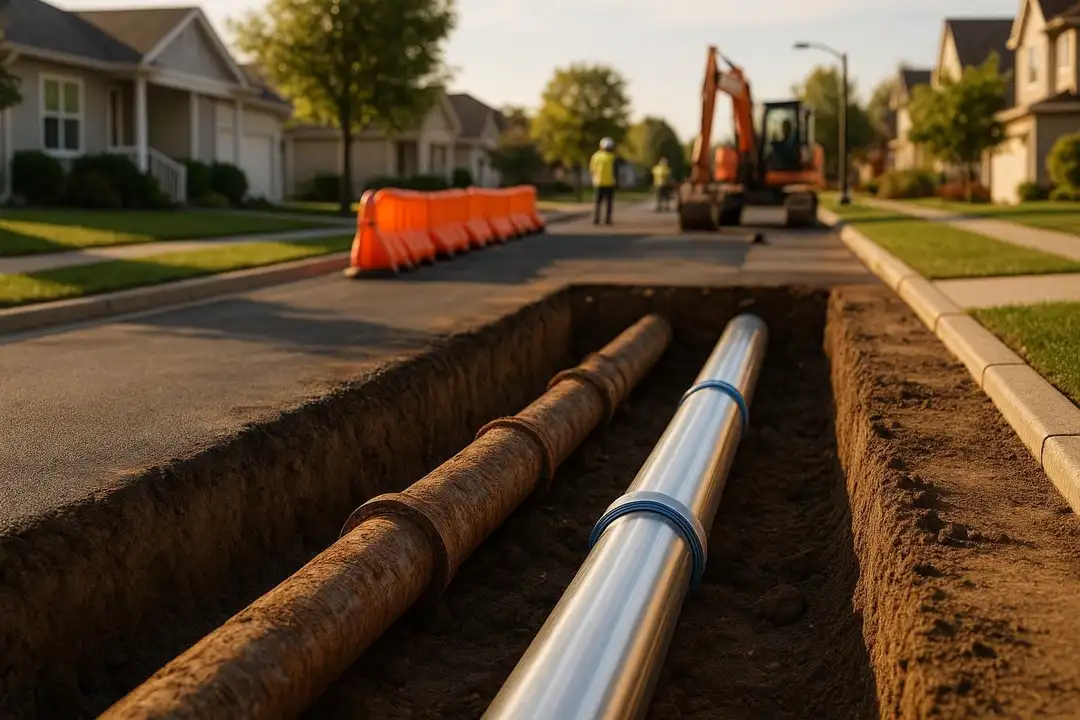
Our limestone foundation substrates also shift and settle over time, placing stress on rigid pipe connections and causing joint failures. The constant expansion and contraction of hot water pipes, combined with occasional hurricane exposure that can damage underground and exterior pipes, creates an environment where proactive pipe maintenance isn't optional—it's essential.
Signs You Need Pipe Repair
Not every plumbing problem requires repiping. Here's when repair makes sense:
Single-Point Problems
- Leak at one location
- Damaged section from impact
- Frozen pipe damage (rare in Miami)
- Localized corrosion
- Failed joint or connection
Warning Signs Requiring Attention
Visible pipe problems:
- Green/blue staining (copper corrosion)
- White mineral deposits
- Visible rust or corrosion
- Wet spots on walls or ceilings
- Water stains
Water quality issues:
- Discolored water (rusty, brown, or cloudy)
- Metallic taste
- Particles in water
- Foul odors
Pressure and flow problems:
- Reduced water pressure
- Fluctuating pressure
- Slow flow from fixtures
When Repair is the Right Choice
Repair makes sense when:
- Problem is isolated to one area
- Pipes are relatively new (under 20 years)
- Rest of system is in good condition
- Cost is significantly less than partial repiping
- You're planning to move soon
Signs You Need Repiping
Some situations call for partial or whole-house repiping. While nobody wants to hear they need a major plumbing project, catching these warning signs early can save you from catastrophic failures, water damage, and the stress of emergency repairs. The key is recognizing when individual repairs are just putting bandages on a system that needs comprehensive attention.
Red Flags Indicating Repiping Need
Multiple leaks:
- Recurring leaks in different locations
- More than 2-3 repairs in the same year
- Leaks appearing in new areas after repairs
Widespread corrosion:
- Pinhole leaks throughout system
- Visible corrosion on multiple pipes
- Green/blue staining at multiple fixtures
Problematic pipe materials:
- Galvanized steel pipes
- Polybutylene (gray plastic) pipes
- Corroded copper throughout
- Failing cast iron drains
Water quality issues system-wide:
- Consistent discoloration
- Chronic low pressure throughout house
- Failed water testing for metals
Age factors:
- Copper pipes over 40 years old
- Galvanized pipes of any age
- Cast iron drains over 50 years
- CPVC pipes showing brittleness
Specific Problem Materials
Galvanized steel pipes:
- Rust forms inside, reducing flow
- Eventually blocks completely
- Can contaminate water with rust
- Should be replaced regardless of apparent condition
Polybutylene pipes:
- Installed 1978-1995
- Gray flexible plastic
- Subject to chlorine damage
- High failure rates
- Many insurers won't cover homes with poly pipes
Failing cast iron:
- Extremely common in South Florida
- Interior rusts and scales
- Can crack and collapse
- Allows root intrusion
- Causes recurring drain problems
Pipe Repair Options
Understanding repair methods helps you evaluate recommendations.
Spot Repairs
Pipe patches:
- Temporary solution for small holes
- Uses compression fittings or epoxy
- Not a permanent fix
- Cost: $50-$150
Section replacement:
- Cut out damaged section
- Install new pipe with couplings
- Permanent repair for isolated damage
- Cost: $150-$500 depending on location
Joint repair:
- Re-solder or replace fittings
- Common for copper joint failures
- Cost: $100-$300
Slab Leak Repairs
For leaks under concrete foundations:
Direct access:
- Jackhammer through slab
- Repair exposed pipe
- Most invasive option
- Cost: $500-$2,000
Tunneling:
- Dig tunnel from outside
- Access pipe without indoor damage
- More expensive but less disruptive
- Cost: $2,000-$5,000
Rerouting:
- Abandon leaking line
- Run new pipe through walls/ceiling
- Eliminates future slab leak risk
- Cost: $1,500-$5,000
Trenchless Repairs
Modern trenchless technology has revolutionized pipe repair, allowing us to restore damaged pipes without the extensive excavation that traditional repairs require. These methods are particularly valuable for slab leak repairs, where avoiding jackhammering through your foundation saves significant time, money, and disruption to your daily life.
Pipe lining (CIPP) is one of the most effective trenchless solutions. The process involves inserting a flexible, resin-coated liner into the damaged pipe, then curing it in place to create essentially a new pipe within the old one. This method works well for drain lines and can address multiple problem areas in a single application. Costs typically range from $3,000 to $15,000 depending on the length and diameter of pipe being lined.
Pipe coating offers another option for pipes with minor damage. By spraying the interior with specialized epoxy, technicians can seal small leaks and create a protective barrier that extends the pipe's useful life by years. This approach costs $2,000-$8,000 and is ideal for situations where the pipe structure is still sound but surface corrosion has begun.
Repiping Your Home
When repairs aren't enough, repiping provides a fresh start. Think of it as giving your home a new circulatory system—modern materials, proper sizing, and professional installation that will serve you reliably for decades to come.
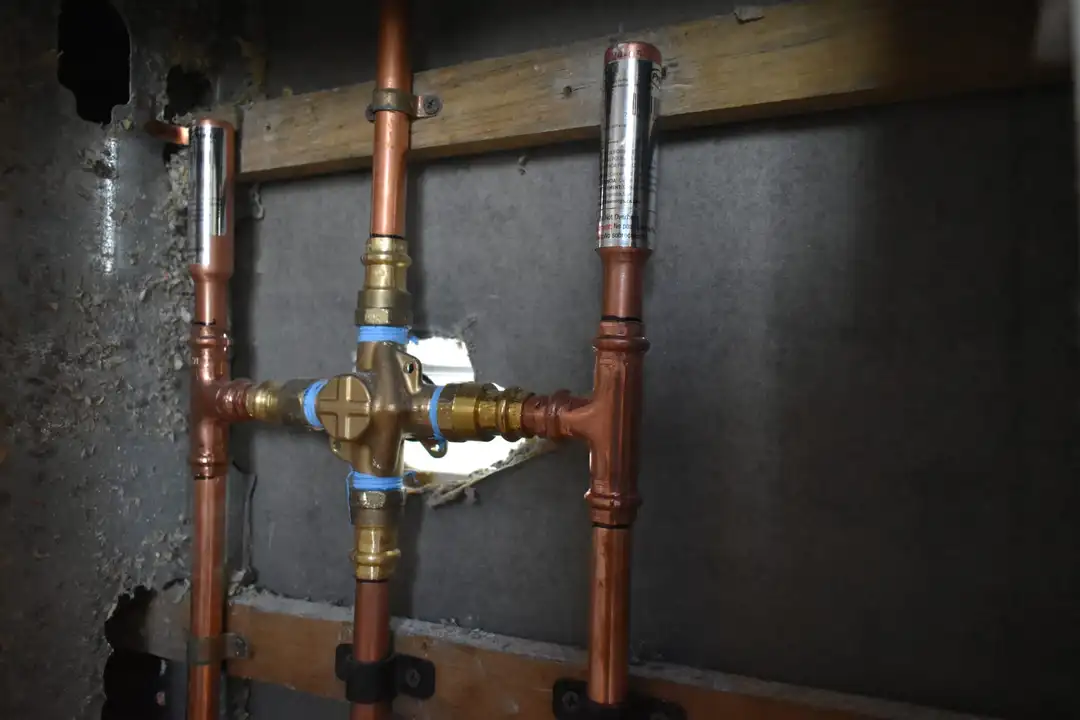
The decision to repipe is significant, but for many South Florida homeowners, it's the most cost-effective long-term solution. Rather than paying for repair after repair on failing pipes, a comprehensive repipe eliminates the problem entirely and often pays for itself within a few years through reduced repair costs and lower water bills.
Types of Repiping Projects
Partial repipe:
- Replace only supply or drain lines
- Focus on most damaged sections
- Cost: $2,000-$8,000
Whole-house supply repipe:
- Replace all water supply lines
- New pipes to every fixture
- Cost: $8,000-$20,000
Full repipe:
- Replace both supply and drain lines
- Most comprehensive solution
- Cost: $15,000-$40,000+
Repiping Materials: Copper vs. PEX
Copper advantages:
- Proven track record
- Doesn't require special tools for repairs
- Premium appearance
- Higher resale value perception
Copper disadvantages:
- Higher material cost
- Vulnerable to South Florida water/soil
- Requires soldered connections
- Rigid installation constraints
PEX advantages:
- Lower material cost
- Flexible (fewer fittings needed)
- Resistant to corrosion
- Easier, faster installation
- Better freeze resistance (if applicable)
PEX disadvantages:
- Not suitable for outdoor use (UV damage)
- Newer material (less long-term data)
- Requires specific fittings
- Can't be recycled
Our recommendation: PEX is typically the best choice for South Florida repiping due to its resistance to corrosion and cost-effectiveness. Copper remains excellent for specific applications.
Cast Iron Replacement
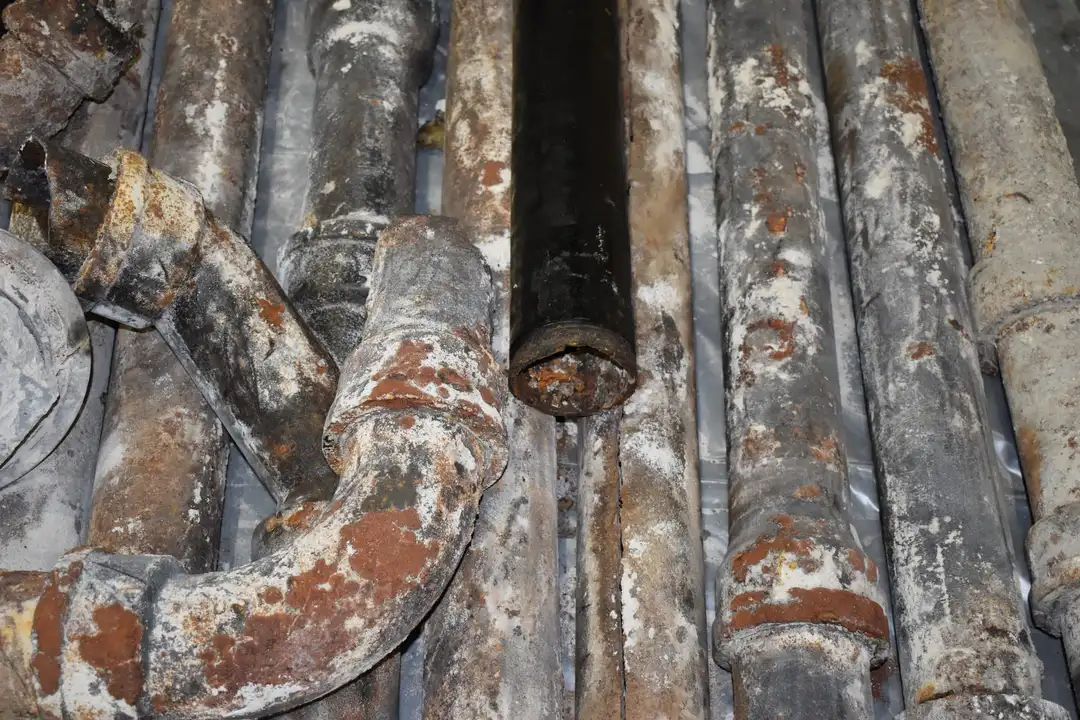
South Florida's cast iron epidemic deserves special attention. If your home was built between the 1950s and 1980s, there's a strong chance you have cast iron drain pipes—and an equally strong chance they're deteriorating faster than you might expect.
Cast iron fails at accelerated rates in our region due to our unique soil chemistry and high humidity. The pipes corrode from both the inside and outside simultaneously. Interior surfaces rust and develop scale buildup that catches debris and causes recurring clogs, while the exterior deteriorates from constant moisture exposure. Over time, the pipe walls thin until they crack or collapse entirely.
The good news is that replacement technology has advanced significantly. Modern PVC replacement is the standard choice, offering decades of maintenance-free service. For pipes that are still structurally sound, trenchless lining can restore function without extensive excavation. When only portions of your cast iron have failed, sectional replacement targets the problem areas while leaving good pipe in place.
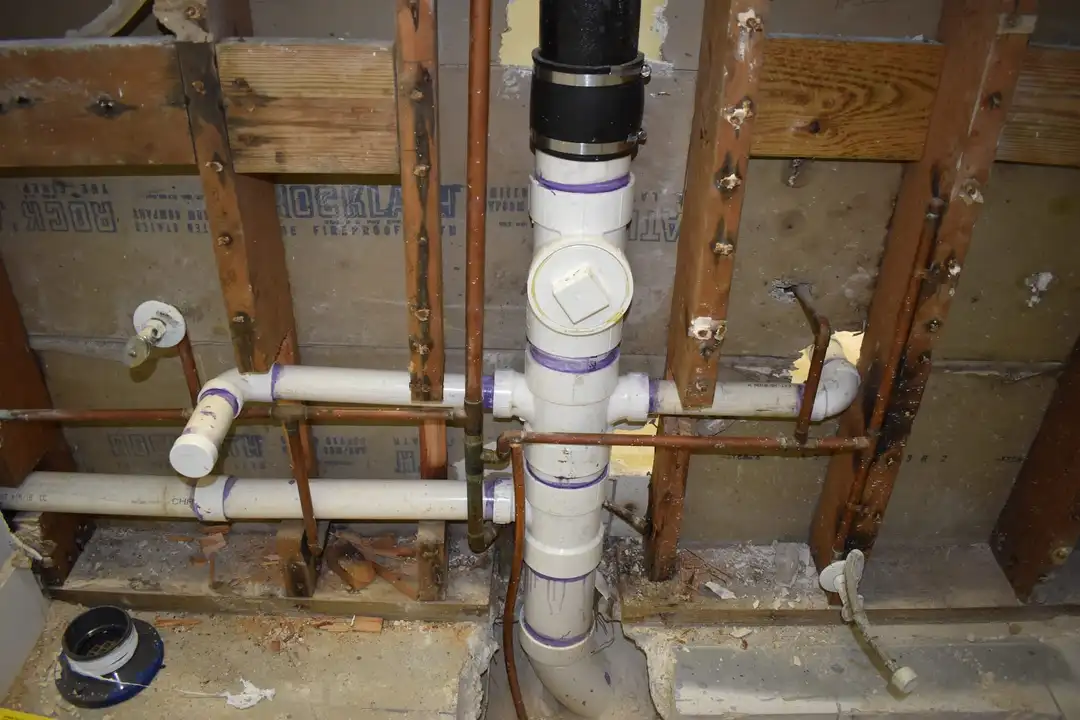
A proper cast iron replacement project starts with a camera inspection to assess the full condition of your drain system. Our technicians locate all cast iron throughout your home, then develop a replacement approach that minimizes disruption while addressing all problem areas. Most residential cast iron replacements take 2-5 days, with costs ranging from $5,000 to $25,000 depending on the extent of pipe that needs replacement.
If your Miami home has cast iron pipes and you're experiencing recurring backups, foul odors, or foundation concerns, replacement is often the most reliable long-term solution.
Learn more about our Cast Iron Pipe Replacement services
The Repiping Process
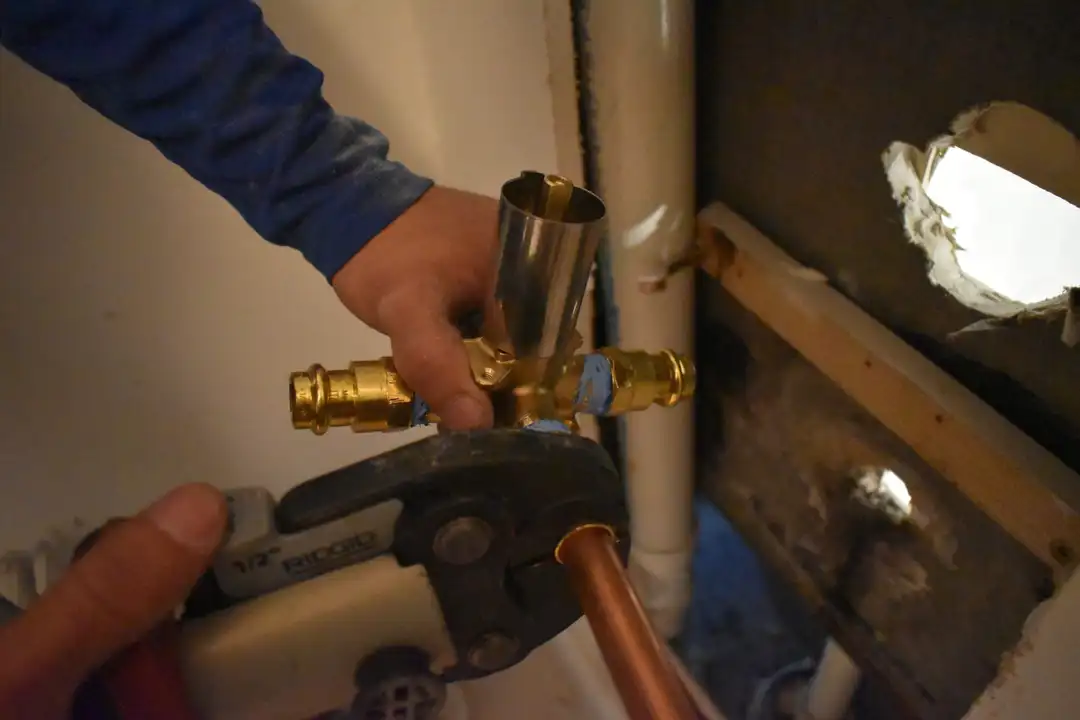
Here's what to expect from a whole-house repipe:
Day 1: Preparation
- Protect floors and furniture
- Cut access holes in walls/ceilings
- Begin disconnecting old pipes
Days 2-3: Installation
- Remove old pipes where accessible
- Install new pipe runs
- Connect to fixtures
- Pressure test each section
Day 4-5: Completion
- Final connections
- Complete system pressure test
- Patch access holes (or coordinate with contractor)
- Clean up
After completion:
- Final inspection (if permits pulled)
- Wall repair and painting (separate contractor)
- Documentation for your records
Living During Repiping
Plan for disruption:
- Water may be off for portions of each day
- Some areas will have holes in walls
- Noise and workers throughout house
- Typically cannot stay if whole house
- Consider temporary lodging for major projects
Costs and Budgeting
Understanding costs helps you plan appropriately.
Pipe Repair Costs
| Repair Type | Cost Range |
|---|---|
| Simple pipe repair | $150-$350 |
| Slab leak repair | $500-$4,000 |
| Joint repair | $100-$300 |
| Emergency repair | Add $100-$200 |
| Access repair (wall/ceiling) | Add $100-$300 |
Repiping Costs
| Project Scope | Cost Range |
|---|---|
| Partial supply repipe | $2,000-$8,000 |
| Whole-house supply (PEX) | $4,000-$15,000 |
| Whole-house supply (Copper) | $8,000-$20,000 |
| Cast iron replacement | $5,000-$25,000 |
| Complete repipe | $15,000-$40,000 |
Factors Affecting Cost
- Size of home
- Number of fixtures
- Pipe accessibility
- Material chosen
- Local permit requirements
- Wall/ceiling repair needs
- Foundation type
Financing Options
Major repiping can be financed through:
- Home equity loans
- Personal loans
- Plumbing company financing
- Some insurance claims (for damage-related work)
Insurance and Repiping
Understanding insurance coverage prevents surprises.
What's Typically Covered
- Sudden pipe failure damage
- Emergency repairs to stop damage
- Water damage restoration
- Some cast iron failures (policy dependent)
What's Usually NOT Covered
- Gradual deterioration
- Preventive repiping
- Material upgrades
- Maintenance-related issues
- Pre-existing conditions
Maximizing Coverage
If you have pipe damage:
- Document everything with photos/video
- Report promptly to insurance
- Get professional assessment
- Keep all repair estimates
- Understand your policy limits
Choosing a Repiping Contractor
Select carefully—this is a major project.
Essential Qualifications
- Licensed plumbing contractor
- Insured and bonded
- Experience with your specific issue
- Good reviews and references
- Proper permits pulled
- Written warranty offered
Questions to Ask
- How many repiping projects have you completed?
- What material do you recommend and why?
- What's included in your estimate?
- How long will the project take?
- What warranty do you provide?
- Who handles wall repairs?
- Will you pull necessary permits?
Red Flags
- Pressure to decide immediately
- No written estimate
- Won't pull permits
- Unusually low price
- No references available
- No physical business location
After Your Repipe
Protect your investment with proper care.
Immediate Steps
- Document new system for records
- Save warranty information
- Understand water shutoff locations
- Schedule wall repair if needed
Ongoing Maintenance
- Annual plumbing inspection
- Water heater maintenance
- Water softener maintenance (if installed)
- Address issues promptly
- Keep records of any work
Expected Benefits
After repiping, you should notice:
- Better water pressure
- Clearer water
- Fewer repairs needed
- Lower water bills (no leaks)
- Peace of mind
Hernandez Plumbing's Approach
With over 50 years serving Miami homeowners, Hernandez Plumbing has handled thousands of pipe repair and repiping projects throughout South Florida. We've seen every type of pipe problem our unique climate can create, and we've developed an approach that prioritizes accurate diagnosis and right-sized solutions.
Our process begins with a thorough evaluation of your plumbing system. We don't rush to recommend expensive repiping when targeted repairs will solve your problem effectively. Conversely, when we see the warning signs of systemic failure, we'll be honest about the need for more comprehensive work—because catching these issues early saves you money and prevents water damage.
We use proven materials suited specifically for South Florida conditions, with a preference for PEX supply lines that resist the corrosion issues that plague copper in our region. Every installation is completed by licensed plumbers who understand local code requirements and pull proper permits for major work.
Throughout your project, you'll know exactly what to expect—from timeline and costs to daily disruption levels. And when the work is complete, our comprehensive warranties give you confidence that we stand behind every repair and installation.
Whether you need a simple repair or complete repiping, we're here to help protect your home and your investment.
Frequently Asked Questions
How long does whole-house repiping take?
Most residential repipes take 2-5 days depending on home size and scope. You may need to arrange alternative accommodations during the project.
Will repiping damage my walls?
Yes, access holes are necessary. We minimize damage, but you'll need drywall repair and painting afterward. Some homeowners coordinate this with other renovation projects.
Can I stay in my home during repiping?
For partial repipes, usually yes. For whole-house projects, we recommend arranging alternative accommodations as water will be off for extended periods each day.
How do I know if my pipes are original?
Check permits when house was built (county records). Look at visible pipes in garage, crawlspace, or utility areas. A professional inspection can identify pipe materials and age.
Should I repipe before selling my home?
If you have galvanized or polybutylene pipes, repiping before selling often makes sense—these can derail sales or reduce offers. For general aging pipes, get an inspection and make an informed decision based on findings.