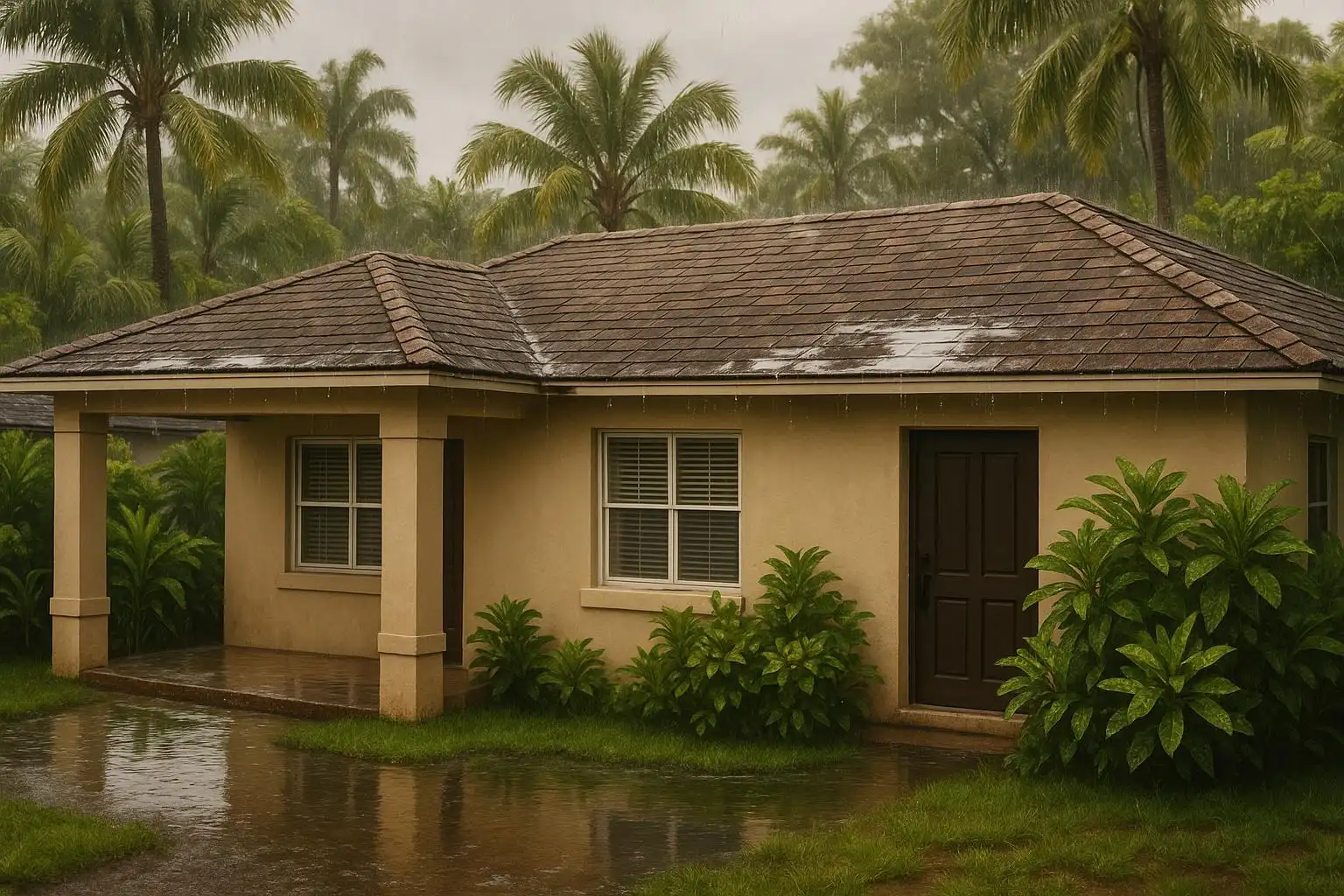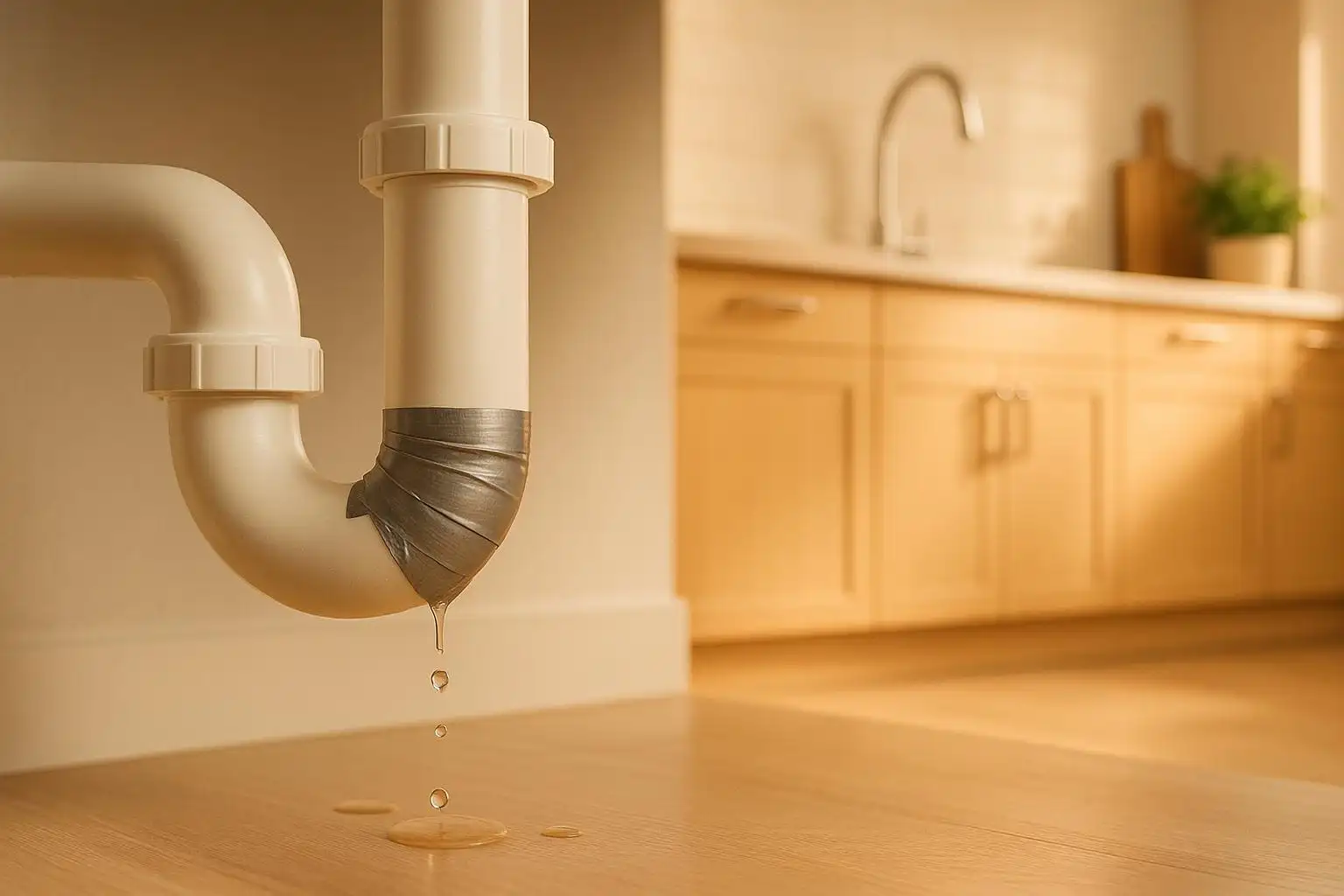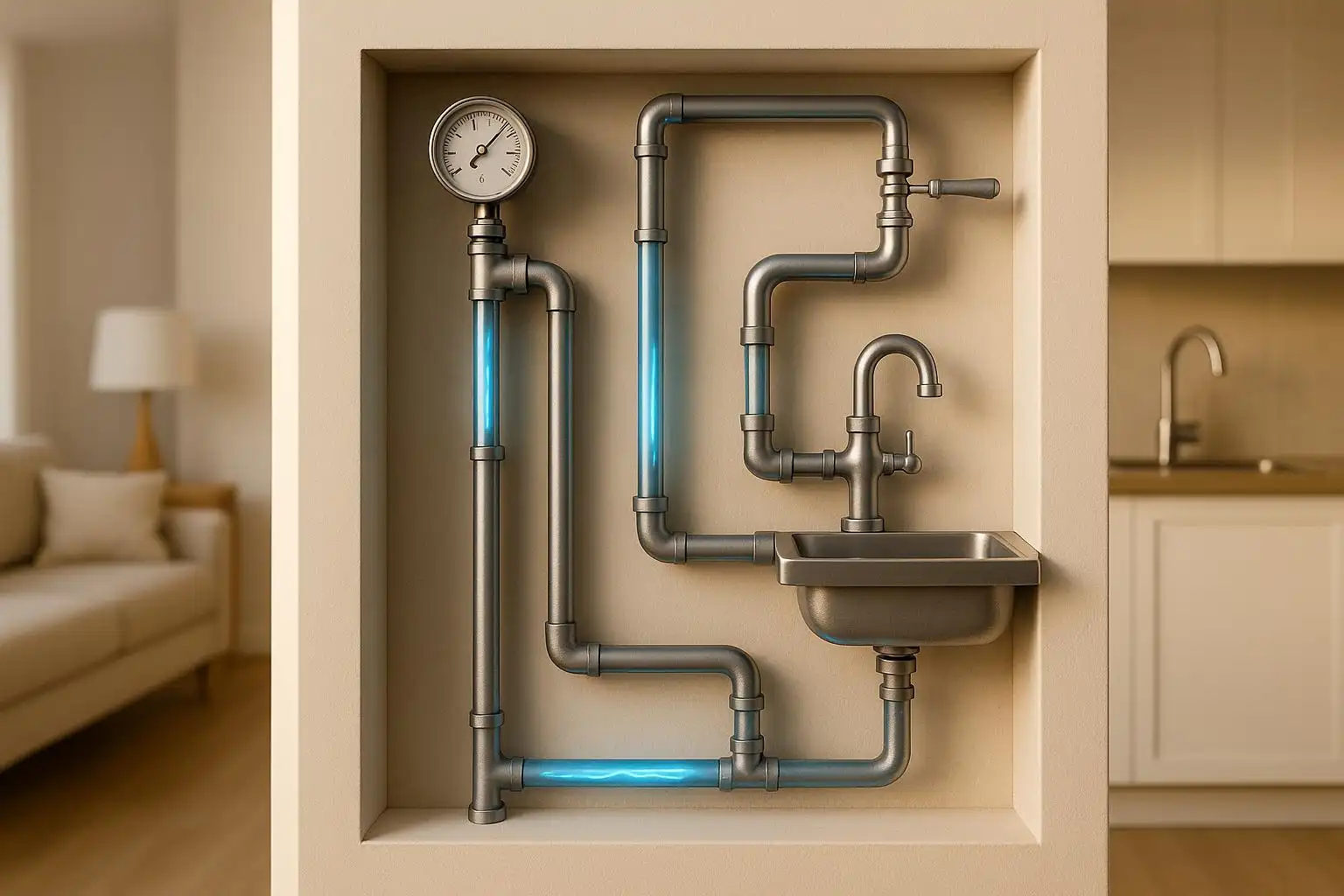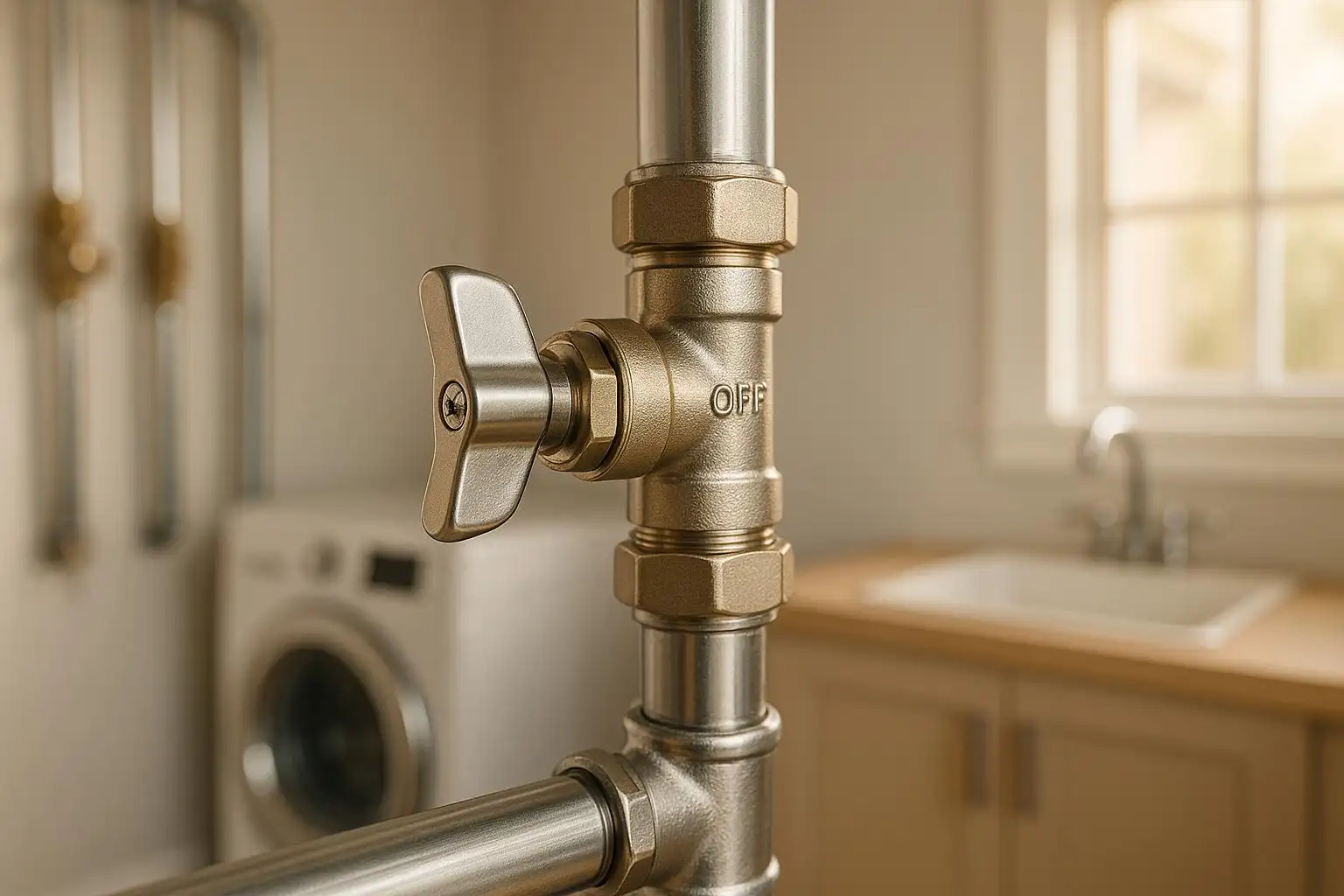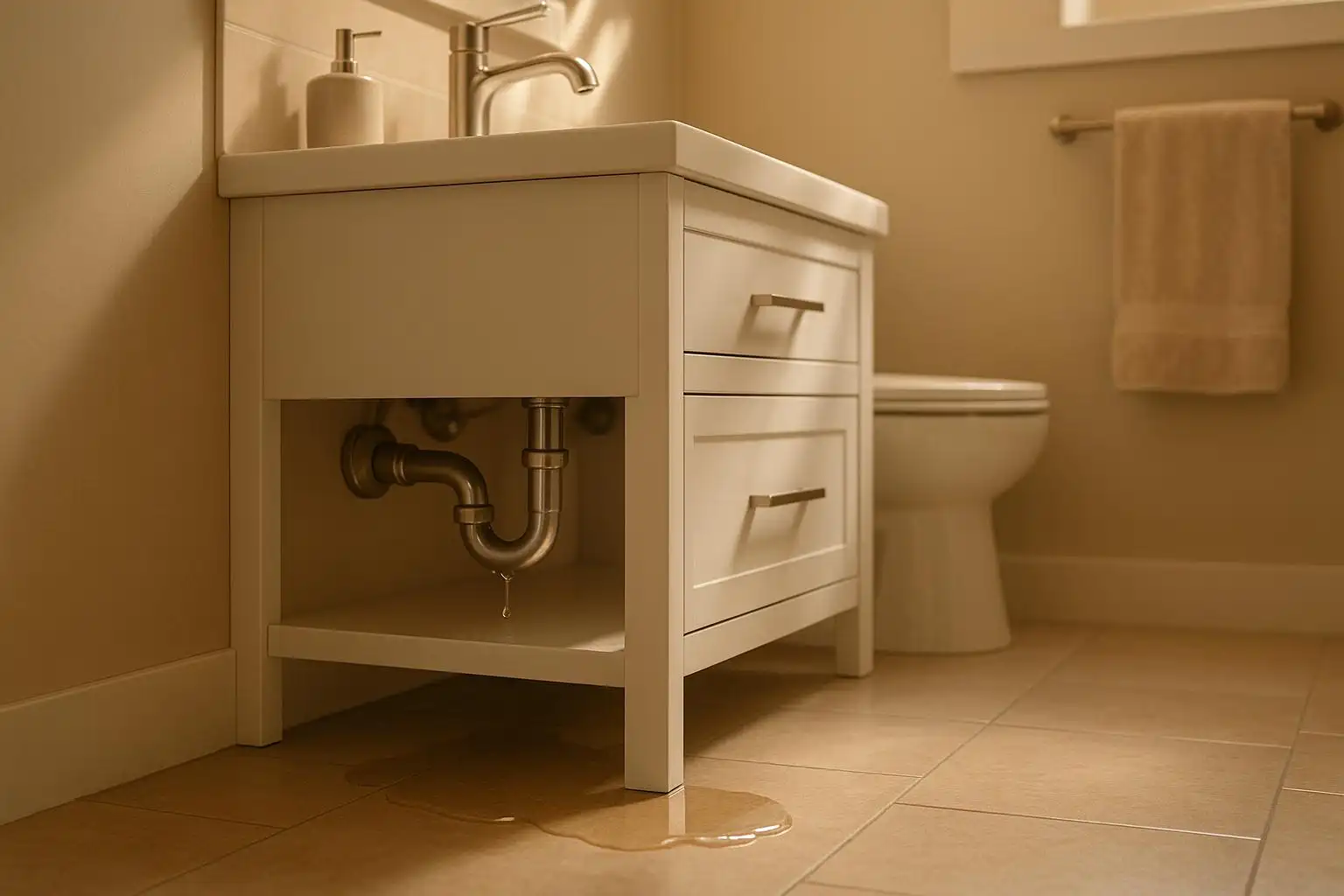
Water leaks are among the most destructive—and often invisible—problems affecting South Florida homes. A hidden leak can waste thousands of gallons of water, cause structural damage, promote mold growth, and result in costly repairs. Understanding how to detect leaks early is essential for protecting your home and wallet.
This comprehensive guide covers everything you need to know about leak detection in Miami, from recognizing warning signs to understanding professional detection methods.
The True Cost of Water Leaks
Before exploring detection methods, it's important to understand why finding leaks quickly matters so much. Many homeowners underestimate the damage a hidden leak can cause—both to their property and their finances. What starts as a small, unnoticed problem can escalate into structural damage, mold growth, and repair bills that dwarf the cost of early detection.
Water Waste Statistics
- The average household leak wastes approximately 10,000 gallons of water annually
- A running toilet can waste 200 gallons per day
- A dripping faucet at one drip per second wastes over 3,000 gallons per year
- Slab leaks can waste 10,000+ gallons monthly while remaining hidden
Financial Impact
Hidden leaks cost homeowners in multiple ways:
- Higher water bills: Unexplained increases of $50-$500+ monthly
- Water damage repair: Average claims exceed $10,000
- Mold remediation: Can cost $2,000-$30,000+ depending on extent. Professional mold testing helps assess scope before remediation. For professional mold remediation services in South Florida, Total Care Restoration can remove mold safely and prevent its return.
- Foundation damage: Repairs range from $5,000 to $50,000+
Insurance Considerations
Most homeowner's insurance policies cover sudden water damage but exclude:
- Gradual leaks and resulting damage
- Maintenance-related issues
- Mold damage (often requires separate coverage)
- Foundation damage from ongoing leaks
Early detection is your best protection against uncovered losses.
Warning Signs of Hidden Leaks
Learning to recognize leak indicators helps you catch problems before they become catastrophic.
Physical Signs in Your Home
Water damage indicators:
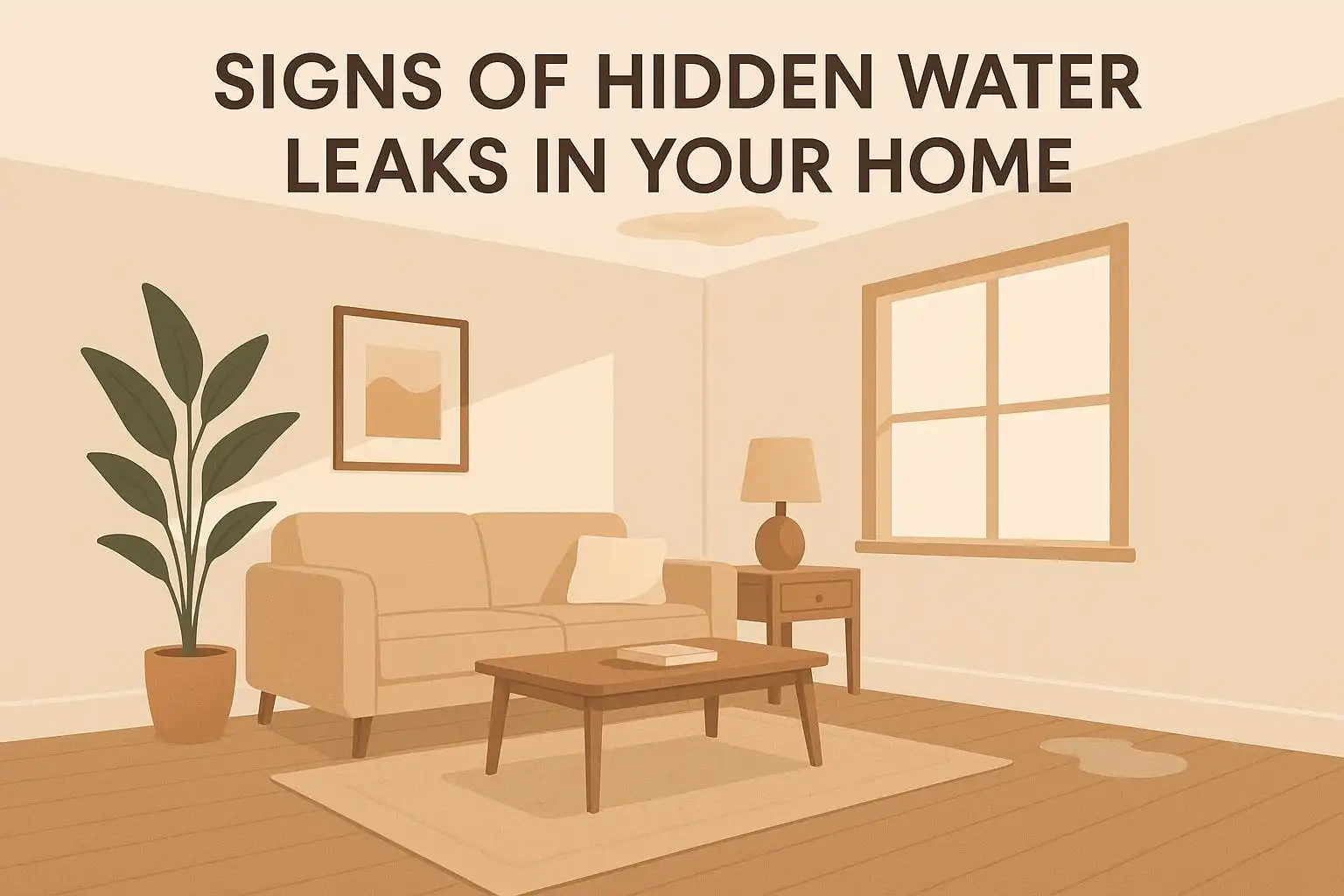
- Water stains on ceilings or walls (often yellow or brown rings)
- Bubbling, peeling, or warped paint
- Soft spots or warping in floors
- Musty or moldy odors
- Visible mold or mildew growth
- Damp or wet carpeting
Structural signs:
- Cracks in walls or foundation
- Doors or windows that stick suddenly
- Gaps between walls and ceiling/floor
- Sagging or bowed sections of flooring
Auditory Clues
Listen for these sounds when no water is in use:
- Hissing or whistling in walls
- Running water sounds
- Dripping behind walls or under floors
- Water meter spinning when nothing is running
Utility Bill Red Flags
- Sudden increase in water bills without usage change
- Bills consistently higher than neighbors with similar homes
- Gradual but steady increase over several months
- Spikes in bill during periods of low usage (vacation)
Yard and Exterior Signs
For properties in Miami, watch for:
- Unusually green or lush patches of lawn
- Soggy areas that never dry
- Sinkholes or depressions in yard
- Cracked or heaving concrete
- Water pooling near foundation
- Warm spots in concrete (hot water line leak)
Common Types of Water Leaks
Understanding where leaks commonly occur helps focus your detection efforts.
Slab Leaks
Slab leaks occur in the water lines running beneath your concrete foundation—extremely common in South Florida homes.
Causes:
- Corrosion from soil chemistry
- Abrasion from pipe movement against concrete
- Poor installation or materials
- Shifting foundation or soil settlement
- Copper pipe failure (pinhole leaks)
Warning signs:
- Warm or hot spots on floors
- Sound of running water with nothing on
- Cracks in floor tiles or foundation
- Mold under carpeting
- Consistently wet areas on concrete floors
Underground Line Leaks
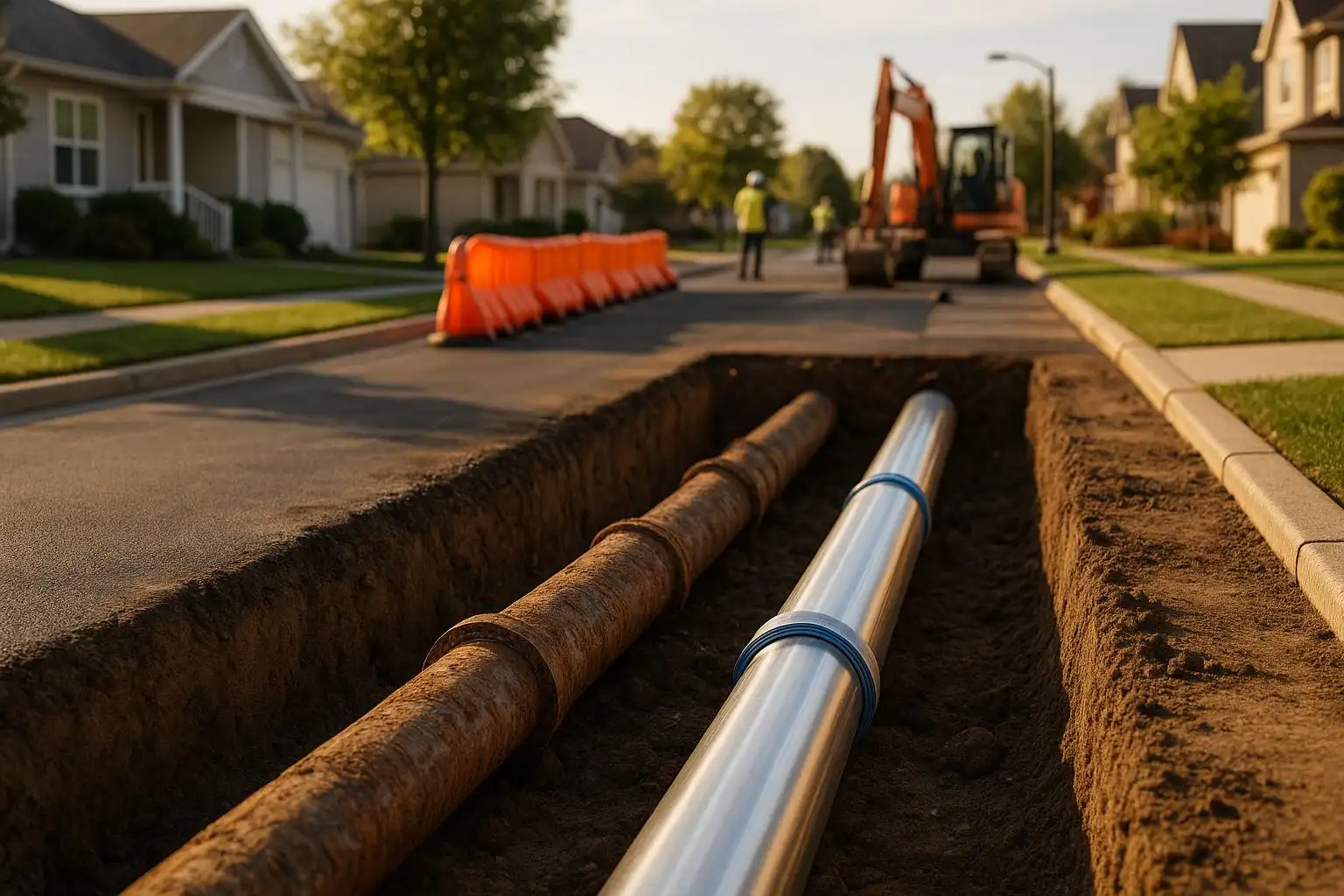
Water and sewer lines running between your home and the street can develop leaks.
Indicators:
- Wet areas in yard that don't dry
- Drop in water pressure
- Muddy or discolored water
- Sinkholes or soft spots in lawn
- Higher-than-normal water bills
Supply Line Leaks
Leaks in the pipes within your walls and floors that carry fresh water.
Common locations:
- Behind washing machines
- Under sinks and around faucet connections
- At toilet supply lines
- Around water heater connections
- At pipe joints and fittings
Drain Line Leaks
While not affecting your water bill, drain leaks cause significant damage.
Signs include:
- Sewage odors
- Slow drains throughout house
- Water stains below bathrooms
- Pest infestations (insects attracted to moisture)
Shower Pan Leaks
The shower pan is the base of your shower that collects water and channels it to the drain. Whether made of porcelain, ceramic, or plastic, these pans can crack, leak, or shift over time—leading to costly water damage beneath your bathroom.
How to test for a leaky shower pan:
- Seal the drain with duct tape
- Fill the pan with about 1 inch of water
- Wait 8 hours, then inspect the pan
- If water has drained out and the surrounding area is dry, you likely have a leak
Fix options: Minor leaks may be addressed with epoxy sealant or grout repair as temporary measures. For lasting solutions, options include replacing the shower pan liner, installing a pre-fabricated pan, or full professional replacement. When in doubt, a licensed plumber can inspect, identify, and replace your shower pan—ensuring it's watertight and code-compliant.
DIY Leak Detection Methods
You can perform several checks yourself before calling a professional.
The Water Meter Test
This simple test can confirm if you have a leak:
- Turn off all water-using appliances and fixtures
- Locate your water meter (usually near the street)
- Record the meter reading
- Wait 1-2 hours without using any water
- Check the meter again
- If the reading changed, you likely have a leak
Pro tip: Most meters have a leak indicator (small triangle or dial) that spins even with small leaks.
The Toilet Dye Test
Toilets are common leak sources:
- Remove the tank lid
- Add several drops of food coloring to the tank
- Wait 15-30 minutes without flushing
- If color appears in the bowl, the flapper is leaking
Visual Inspections
Regularly check these areas:
- Under all sinks for moisture or corrosion
- Behind toilets for water on floor
- Around water heater for pooling
- Behind washing machine for damp walls
- Ceilings below bathrooms for stains
Pressure Testing
Monitor your water pressure:
- Normal pressure: 40-80 PSI
- Fluctuating pressure may indicate leaks
- Consistently low pressure suggests supply line issues
Professional Leak Detection Technology
When DIY methods can't locate the source, professional detection equipment provides answers without destructive exploration.
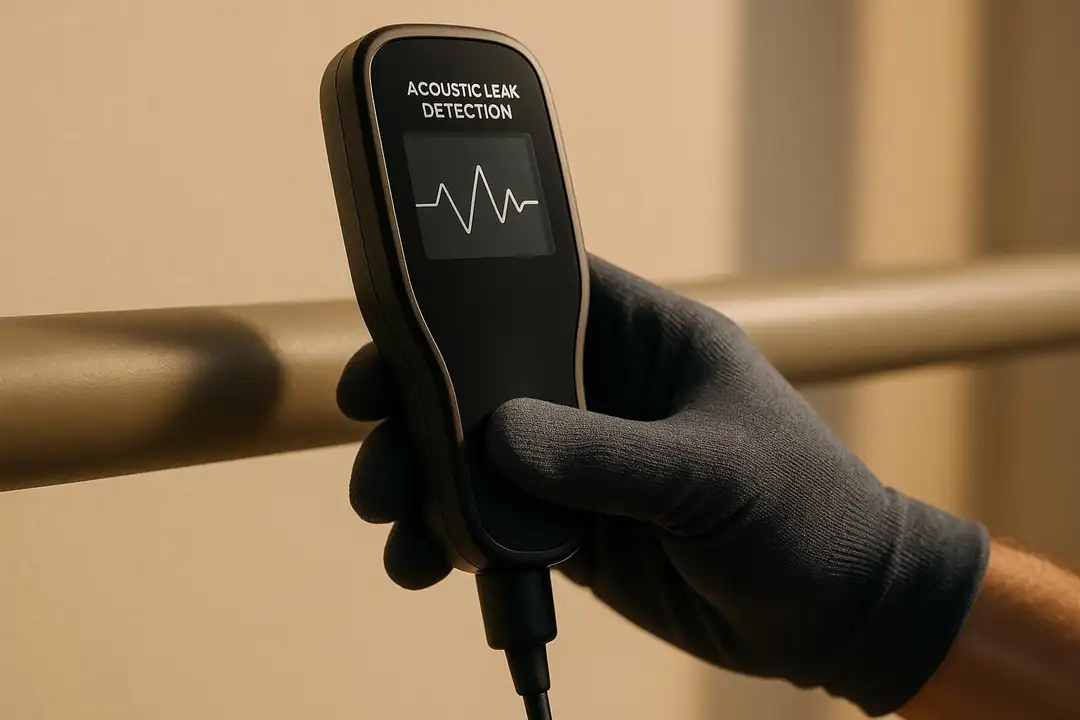
Acoustic Leak Detection
Sound amplification technology detects the noise of escaping water.
How it works:
- Sensitive microphones amplify water sounds
- Technicians listen through headphones
- Different sounds indicate different leak types
- Can locate leaks through concrete and walls
Best for:
- Pressurized water line leaks
- Underground leaks
- Leaks behind walls
- Slab leaks
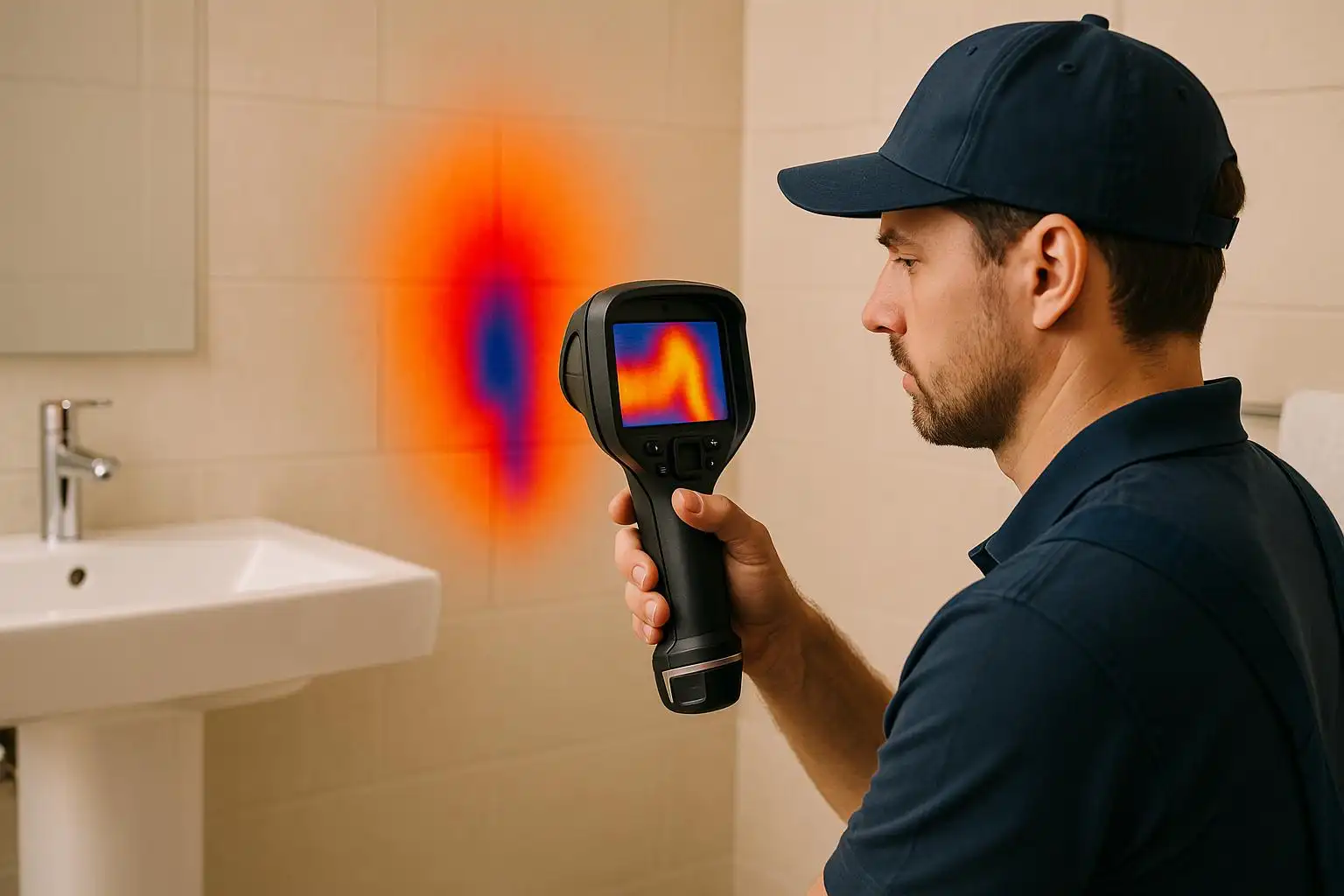
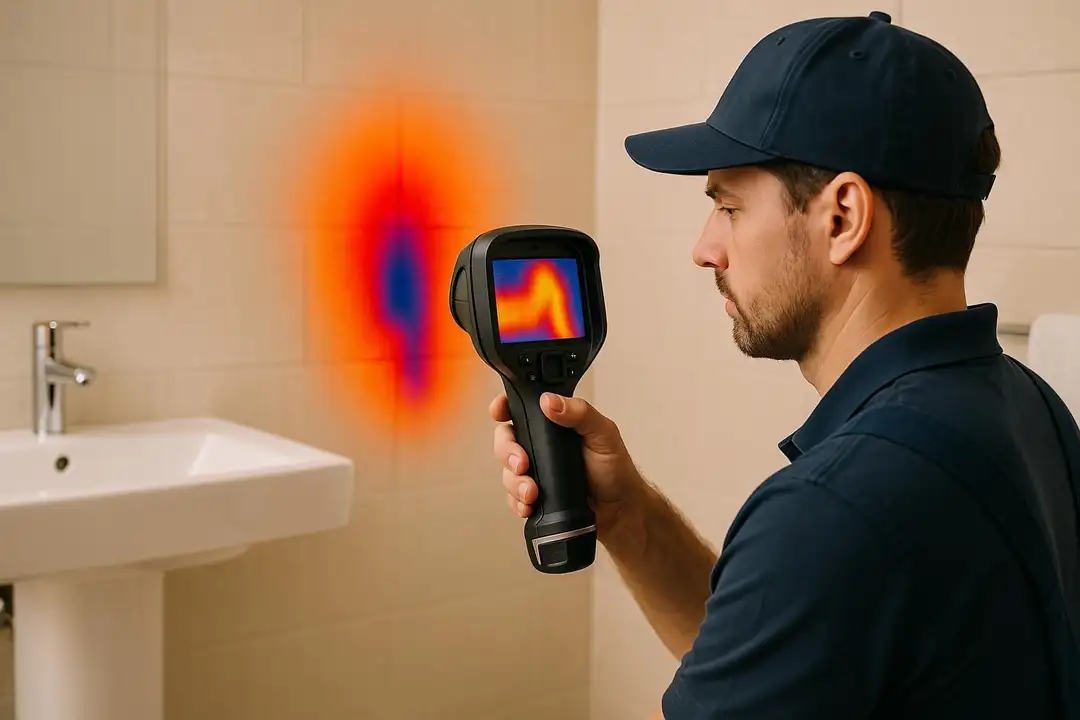
Thermal Imaging
Infrared cameras detect temperature differences caused by moisture.
Applications:
- Finding hot water line leaks (appear as warm spots)
- Identifying moisture behind walls
- Locating cold water intrusion
- Detecting roof leaks
Advantages:
- Non-invasive scanning
- Covers large areas quickly
- Identifies moisture patterns
- Creates documentation for insurance
Electronic Leak Detection
Electronic equipment locates leaks through various methods:
Ground penetrating radar: Identifies voids and water accumulation underground
Moisture meters: Measure moisture content in materials
Tracer gas detection: Introduces harmless gas into pipes and detects where it escapes
Video Pipe Inspection
Camera inspection provides visual confirmation of pipe conditions:
Capabilities:
- See inside pipes and identify damage
- Locate exact leak positions
- Identify root intrusion
- Assess overall pipe condition
Used for:
- Drain and sewer line leaks
- Underground pipe inspection
- Pre-purchase inspections
- Locating lost items
Slab Leak Detection and Repair
Given South Florida's construction style, slab leaks deserve special attention. The vast majority of Miami homes are built on concrete slab foundations with copper water lines running beneath the concrete. This construction method, while practical for our climate and soil conditions, creates a unique vulnerability: when those buried pipes develop leaks, detection and repair become significantly more challenging than with exposed plumbing.
Why Slab Leaks Are Common in Miami
Several factors combine to make slab leaks particularly common in our region. Our soil chemistry, with its high mineral content and varying pH levels, accelerates corrosion in copper pipes far faster than in other parts of the country. The limestone substrate our foundations rest on is also prone to shifting and settling, which stresses pipe joints and connections over time.
Add to this our high water table and constant moisture exposure, and you have conditions that attack pipes from both inside and outside. Original copper installations from the 1960s through 1990s are now reaching the end of their expected lifespan, and the close proximity of hot and cold water lines creates constant expansion and contraction cycles that weaken joints over decades.
Professional Slab Leak Detection Process
- Initial assessment: Review symptoms and utility bills
- Meter testing: Confirm active leak presence
- Pressure testing: Isolate hot vs. cold water lines
- Acoustic detection: Pinpoint leak location
- Confirmation: Verify location before repair
Slab Leak Repair Options
Once a slab leak is located, several repair approaches are available. The right choice depends on the leak's location, the overall condition of your plumbing system, and your long-term plans for the home.
Spot repair (Direct access) involves jack-hammering through the concrete slab to reach the damaged pipe, then repairing or replacing the affected section. This approach is most cost-effective for single, accessible leaks when the rest of your plumbing is in good condition. Expect costs between $500 and $2,000.
Rerouting (Re-piping) takes a different approach by abandoning the leaking line entirely and installing a new water line through your walls or ceiling. While this costs more upfront ($1,500-$5,000), it eliminates any future slab leak risk in that line and avoids the disruption of breaking through your foundation.
Epoxy pipe lining offers a less invasive solution by coating the interior of existing pipes with a protective epoxy barrier. This method seals small leaks and prevents future corrosion without excavation. Whole-house lining typically costs $3,000-$7,000 and can extend your plumbing's life by years.
Full re-pipe replaces all water lines throughout your home, eliminating all aging pipe risk at once. While this is a major project costing $8,000-$20,000+, it's often the most cost-effective long-term solution for homes with multiple leaks or widespread corrosion.
Water Line Leak Detection
Main water line problems require specific detection approaches.
Signs of Water Line Leaks
- Significant water bill increase
- Low pressure throughout house
- Water surfacing in yard
- Muddy or rusty water
- Wet spot between meter and house
Detection Process
- Pressure test from meter to house
- Visual inspection of accessible areas
- Acoustic or electronic detection underground
- Camera inspection if accessible
- Soil probing to confirm location
Repair Considerations
Repair method depends on:
- Pipe material (copper, galvanized, PVC, polybutylene)
- Leak location and accessibility
- Overall pipe condition
- Cost comparison (repair vs. replace)
Preventing Water Leaks
Proactive measures reduce your leak risk significantly.
Regular Maintenance
Monthly:
- Check under sinks for moisture
- Listen for running water when nothing is on
- Test toilet flappers
- Inspect washing machine hoses
Quarterly:
- Check water heater connections
- Inspect outdoor faucets and irrigation
- Look for foundation cracks
- Review water bills for anomalies
Annually:
- Professional plumbing inspection
- Water heater maintenance
- Irrigation system check
- Main shut-off valve operation test
Upgrades That Prevent Leaks
Smart water monitors: Devices that track usage and alert to leaks
Automatic shut-off valves: Stop water flow when leak is detected
Water pressure regulators: Prevent damage from pressure spikes
Braided supply lines: Replace rubber hoses under sinks
Florida-Specific Considerations
Miami homeowners should also:
- Address foundation movement promptly
- Consider whole-house re-piping for homes with aging copper
- Install hurricane-rated water heater strapping
- Maintain proper drainage away from foundation
What to Do When You Find a Leak
Quick action minimizes damage when you discover a leak.
Immediate Steps
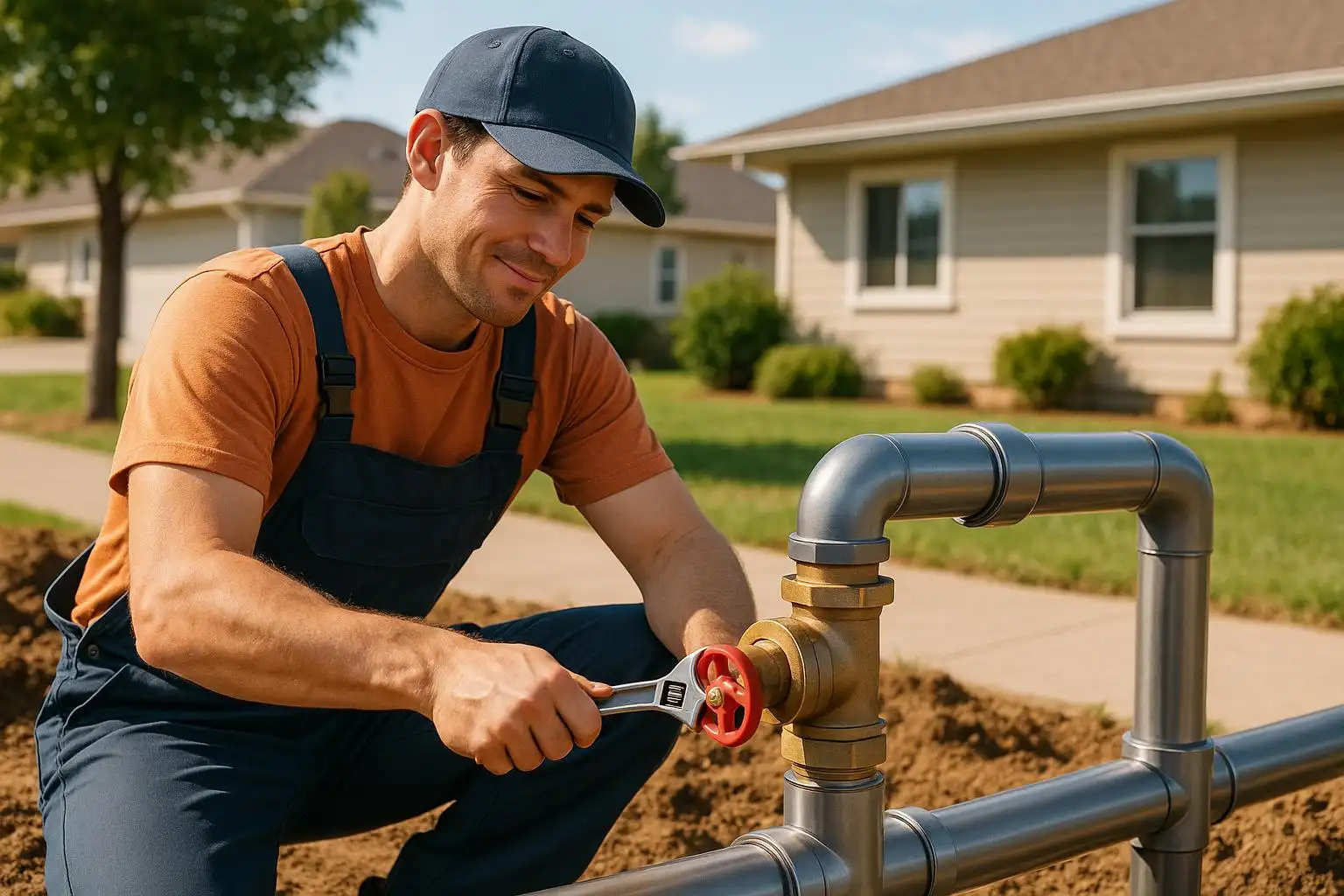
- Stop the water: Shut off the supply valve or main valve
- Document damage: Take photos and videos for insurance
- Remove standing water: Extract what you can
- Start drying: Use fans and dehumidifiers
- Call professionals: Contact a plumber for the leak—we focus on plumbing. For water damage restoration (flooding, soaked materials, mold risk), this complete guide to water damage restoration for South Florida explains the process and what to expect.
When to Call Emergency Plumbing
Call immediately if you have:
- Flooding that you can't stop
- Sewage backup
- No water to the house
- Water near electrical panels
- Active foundation damage
Insurance Documentation
For insurance claims, document:
- When you discovered the leak
- Apparent source of the leak
- All damage visible
- Steps you took to mitigate
- Professional assessments and repairs
Leak Detection Costs in Miami
Understanding typical costs helps you budget appropriately.
Professional Detection Services
| Service | Average Cost |
|---|---|
| Basic leak inspection | $150-$400 |
| Comprehensive detection (multiple technologies) | $300-$600 |
| Slab leak detection | $200-$500 |
| Video pipe inspection | $250-$500 |
| Pool leak detection | $300-$600 |
Factors Affecting Cost
- Size of property
- Number of potential leak sources
- Accessibility of plumbing
- Detection technology required
- Time required to locate
Value of Professional Detection
Professional detection typically saves money by:
- Avoiding unnecessary exploratory demolition
- Pinpointing exact locations
- Identifying all leaks (not just obvious ones)
- Providing documentation for insurance
- Enabling targeted, cost-effective repairs
Choosing a Leak Detection Professional
Select your leak detection service carefully.
Qualifications to Look For
- Licensed plumbing contractor
- Experience with detection technology
- Knowledge of South Florida construction
- Insurance and bonding
- Positive reviews and references
Questions to Ask
- What detection methods do you use?
- How long have you performed leak detection?
- Do you provide written reports?
- What is included in your detection fee?
- Do you also perform repairs?
What to Expect
A professional leak detection visit typically includes:
- Review of your concerns and symptoms
- Meter testing and pressure assessment
- Use of appropriate detection technology
- Written report of findings
- Repair recommendations and estimates
Hernandez Plumbing's Approach
With over 50 years serving Miami homeowners, Hernandez Plumbing brings unmatched experience and advanced technology to every leak detection. We've located thousands of hidden leaks throughout South Florida, giving us an intimate understanding of how our unique climate and construction methods affect plumbing systems.
Our detection process begins with a comprehensive consultation to understand your concerns and symptoms. We then deploy state-of-the-art detection equipment—including acoustic sensors, thermal imaging cameras, and electronic moisture detection—to pinpoint leak locations without unnecessary damage to your property.
Our experienced technicians know South Florida homes inside and out. They understand the common failure points in our regional construction and can often identify potential problem areas before they become emergencies. When we find a leak, you'll receive a clear explanation of what's happening, where it's located, and what repair options are available with transparent pricing for each approach.
We don't consider the job done until your leak is fully resolved. Our follow-up process ensures repairs are holding and you're not dealing with any lingering issues. And for those urgent situations where every minute counts, we're available 24/7 for emergency leak detection and offer same-day service for pressing concerns.
Frequently Asked Questions
How much water can a small leak waste?
A pinhole leak can waste 10-15 gallons per day—that's 300-450 gallons per month and up to 5,500 gallons per year from just one small leak.
Can I have a slab leak without any visible signs?
Yes. Slab leaks can go undetected for months or even years. Often, the first indication is an unexplained increase in your water bill. That's why regular bill monitoring is important.
How long does professional leak detection take?
Most residential leak detection takes 1-3 hours. Complex situations with multiple potential sources may take longer.
Will leak detection damage my property?
Professional detection using acoustic, thermal, and electronic methods is non-invasive. Damage only occurs during repair, and professionals minimize this as much as possible.
Should I call a plumber or a leak detection specialist?
Many licensed plumbers offer leak detection services. Choose someone with detection experience and equipment. Hernandez Plumbing provides both detection and repair services.