Leak Detection Checklist to Protect Your Home
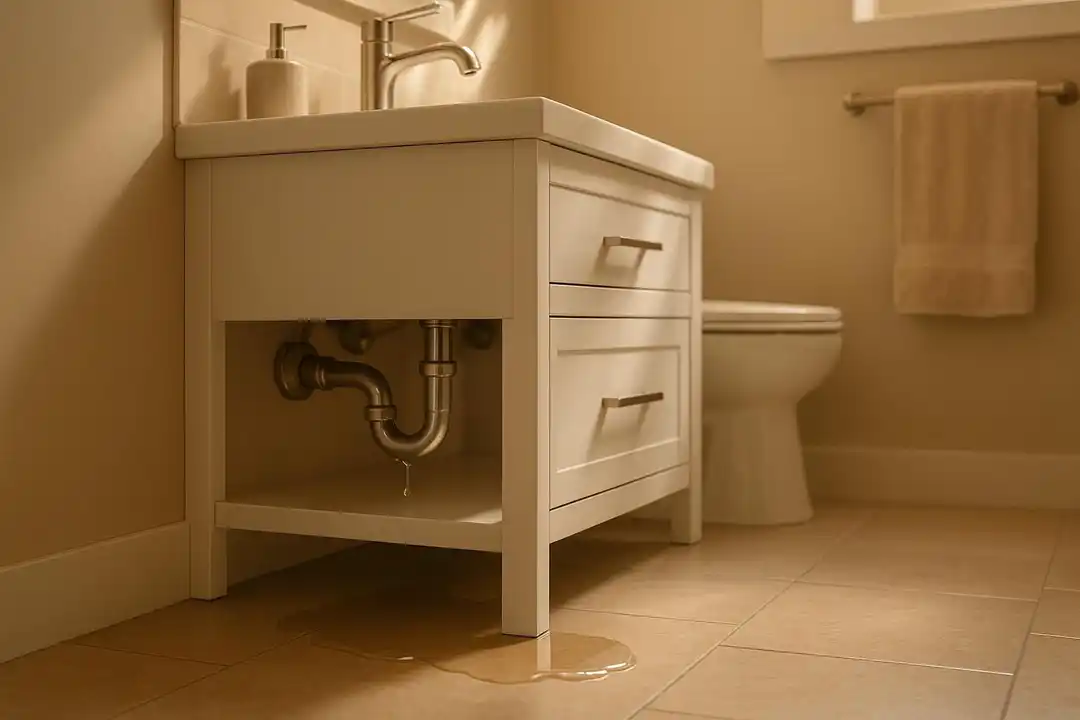
Protect Your Home with a Leak Detection Checklist
Water damage is a homeowner’s nightmare, racking up repair costs and stress in no time. That’s why having a reliable way to spot potential issues early is a game-changer. A tool like our interactive guide helps you inspect your property for subtle signs of trouble, from dripping faucets to damp basement corners, without needing a pro right away.
Why Early Detection Matters
Catching a small drip before it becomes a flood can save thousands in repairs. Beyond the financial hit, unchecked moisture invites mold, structural damage, and even health risks. By walking through key areas of your home—think toilets, pipes, and outdoor spigots—you can identify red flags like unexplained puddles or a spiking utility bill. Pair this habit with monthly meter checks, and you’re ahead of the game.
The True Cost of Ignoring a Leak
It's tempting to put a bucket under a slow leak and deal with it "later." However, ignoring leaks can lead to catastrophic consequences:
- Skyrocketing Water Bills: A single running toilet or a constantly dripping faucet can waste hundreds to thousands of gallons of water per month, driving up your utility bill dramatically.
- Structural Damage: Over time, water seeps into drywall, floorboards, and foundation elements. This can warp wood, damage paint, and compromise the structural integrity of your home.
- Mold and Mildew Growth: Damp, dark environments caused by hidden pipe leaks are the perfect breeding ground for mold, which can spread quickly and cause severe respiratory issues for your family.
- Pest Infestations: Bugs and rodents are attracted to moisture. A steady supply of water from a leaky pipe can turn your home into an appealing habitat for unwanted guests.
The Tools You Need for DIY Leak Detection
You don't need expensive equipment to perform a basic leak check. Here are a few simple tools to help you investigate:
- Flashlight: Crucial for inspecting dark under-sink cabinets, basements, and crawlspaces.
- Food Coloring: Add a few drops of food coloring to your toilet tank and wait 15 minutes without flushing. If the color seeps into the bowl, you have a silent leak in the flapper valve.
- Paper Towels: Run a dry paper towel along pipes and joints. It will easily pick up any moisture, confirming the presence of condensation or a slow weep.
- Your Water Meter: Turn off all water sources inside and outside your house. Check the water meter, wait two hours, and check it again. If the dial has moved, you have a leak somewhere in your plumbing system.
Stay Proactive
Don’t wait for a disaster to strike. Regularly assessing your home for hidden plumbing issues keeps surprises at bay. Whether it’s a quick scan during seasonal maintenance or using a structured tool, staying vigilant is your best defense. Take a few minutes today to safeguard your space and peace of mind.
FAQs
How do I know if I have a hidden water leak?
Hidden leaks are tricky, but there are telltale signs. Listen for faint dripping or running water when everything’s turned off. Check for damp spots on walls, ceilings, or floors, especially near pipes or appliances. A sudden jump in your water bill without extra usage is another red flag. Our checklist walks you through these indicators step by step to help you narrow it down.
What should I do if the checklist shows multiple leak signs?
If you’ve got more than two ‘yes’ answers on our checklist, don’t wait around. Water damage can escalate fast, so contact a licensed plumber to inspect your home. In the meantime, turn off your main water valve if you suspect a major issue, and keep an eye on the problem areas. Our tool will also give you a summary with reminders to stay proactive.
How often should I check for leaks in my home?
I’d recommend running through a checklist like this at least twice a year, especially after heavy rains or freezing weather, which can stress your pipes. Also, make it a habit to glance at your water bill monthly—spikes can clue you in early. Regular peeks under sinks or in basements can catch small issues before they turn into headaches.
Need Professional Help?
Our licensed plumbers are ready to help with your leak detection needs.