5 Problems a Sewer Camera Inspection Can Catch Early
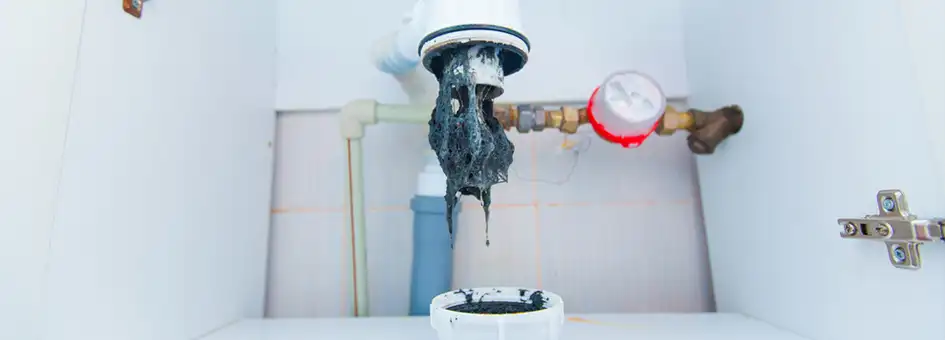
What's hiding in your sewer line? A sewer camera inspection reveals problems while they're still manageable—not after they've caused sewage backups, yard flooding, or foundation damage. Here are five common issues Miami homeowners don't know they have until a camera goes in.
1. Tree Root Intrusion
The Problem: Tree roots are attracted to the moisture and nutrients inside sewer pipes. They enter through tiny cracks or loose joints, then grow rapidly in this ideal environment. What starts as a few hairline roots becomes a dense mass that catches debris and eventually blocks flow completely.
What the Camera Shows:
- Hair-like roots entering at pipe joints
- Root masses partially blocking the pipe
- Pipe damage where roots have forced their way in
- Debris accumulating around root intrusions
Early Detection Benefits: Catching root intrusion early allows for hydro jetting to clear roots before they cause major damage. Advanced root problems may require pipe repair or replacement.
Cost Comparison:
| Stage | Treatment | Typical Cost |
|---|---|---|
| Early intrusion | Hydro jetting | $400-600 |
| Moderate intrusion | Root cutting + repair | $1,000-3,000 |
| Severe damage | Pipe replacement | $5,000-15,000 |
Learn more about tree root damage in our sewer line services information.
2. Cast Iron Pipe Deterioration
The Problem: Cast iron pipes were standard in South Florida homes built before 1975. While durable, they don't last forever. After 50+ years, corrosion eats through pipe walls from the inside out, creating rough surfaces that catch debris, thin walls that crack, and eventually complete pipe failure.
What the Camera Shows:
- Orange/brown discoloration from rust
- Rough, flaky interior surface
- Reduced pipe diameter from scale buildup
- Visible holes or thin spots
- Sections where pipes have collapsed
Early Detection Benefits: Identifying deteriorating cast iron before it fails allows for planned cast iron pipe replacement rather than emergency repairs. You can budget appropriately and schedule work at your convenience.
Warning Signs to Watch:
- Rust-colored water backing up
- Multiple drain clogs
- Sewage odors
- Slow drains throughout the house
3. Pipe Bellies and Sags
The Problem: Soil settling, improper installation, or ground movement can cause sections of pipe to sag, creating low spots called "bellies." Waste and water collect in these depressions instead of flowing smoothly to the main sewer. Over time, this leads to recurring clogs, sediment buildup, and premature pipe wear.
What the Camera Shows:
- Visible dip or low spot in the pipe
- Standing water or pooled waste
- Sediment accumulation in the low point
- Debris that won't fully clear with cleaning
Early Detection Benefits: Mild bellies may only require monitoring. Moderate cases can sometimes be managed with more frequent cleaning. Severe bellies need excavation and repair, but catching them early prevents complete blockages and backups.
Common Causes in South Florida:
- Sandy soil that shifts easily
- High water table affecting ground stability
- Foundation settling (especially older homes)
- Poor initial installation
4. Joint Separation and Offset Pipes
The Problem: Sewer pipes are installed in sections connected at joints. Ground movement, root intrusion, or age can cause these connections to separate or shift. Even small gaps allow roots to enter and waste to leak out. Severe offset can nearly block the pipe.
What the Camera Shows:
- Visible gap between pipe sections
- Misaligned pipe edges
- Roots or debris entering at the joint
- Signs of soil intrusion
Early Detection Benefits: Minor joint issues can be addressed with trenchless pipe lining, avoiding excavation. Major offsets require replacement, but early detection prevents sewage leaks that contaminate soil and groundwater.
Related Concerns: Joint separation often accompanies other issues. A camera inspection reveals the full picture, allowing comprehensive repair planning. See our complete guide to sewer line diagnostics.
5. Grease and Scale Buildup
The Problem: Years of cooking grease, soap, and mineral-rich Florida water coat pipe interiors with layers of buildup. This gradually reduces pipe diameter, slowing drainage and creating conditions for clogs. Unlike sudden blockages, buildup develops so gradually that homeowners adapt without realizing there's a problem.
What the Camera Shows:
- Thick coating on pipe walls
- Dramatically reduced pipe diameter
- Uneven buildup with narrow passages
- Areas where flow is significantly restricted
Early Detection Benefits: Buildup caught early responds well to hydro jetting, which blasts away accumulation and restores full pipe capacity. Advanced buildup may have damaged the underlying pipe, requiring repair.
Prevention Strategies:
- Proper grease disposal (never down drains)
- Regular drain cleaning
- Hot water flushing
- Enzyme treatments for maintenance
The Hidden Cost of "Waiting to See"
Many homeowners delay inspections, thinking they'll deal with problems when they appear. Here's why that approach backfires:
Problems You Can't See
Unlike a leaky faucet or running toilet, sewer line issues develop underground, invisible until they cause:
- Sewage backing up into your home
- Sinkholes in your yard
- Foundation damage from leaking pipes
- Contaminated groundwater
Emergency vs Planned Repairs
| Scenario | Planned Repair | Emergency Repair |
|---|---|---|
| Timeline | Your schedule | Immediate (or suffer backup) |
| Pricing | Standard rates | Premium emergency rates |
| Options | Time to get quotes | Take what's available |
| Disruption | Minimal, planned | Maximum, unexpected |
Compounding Damage
Small problems become big ones. A minor root intrusion becomes a major blockage. A small crack allows root entry. Scale buildup traps debris that accelerates corrosion. Early detection breaks this cycle.
What to Expect from Your Inspection
A professional sewer camera inspection includes:
- Access - Camera enters through cleanout or removed toilet
- Systematic examination - Every accessible foot is inspected
- Real-time viewing - Watch the footage with your plumber
- Location marking - Problems are pinpointed by distance
- Documentation - Video recording and written report provided
When to Schedule Your Inspection
Don't wait for symptoms. Schedule a camera inspection:
- Every 2-3 years for routine maintenance
- Before buying any property
- After experiencing any backup or major clog
- If you notice slow drains, odors, or gurgling sounds
- Before major landscaping near sewer lines
Protect Your Home Proactively
The best time to find a sewer problem is before it finds you. A sewer camera inspection gives you the information you need to make smart decisions about your home's plumbing.
Hernandez Plumbing provides thorough camera inspections throughout South Florida. We'll show you exactly what's in your pipes, explain what it means, and give you honest recommendations—no scare tactics, just facts.
Contact us today to schedule your inspection and catch problems while they're still small.
Need Professional Help?
Our licensed plumbers are ready to help with your sewer camera inspection needs.