PVC vs. PEX vs. Copper vs. Steel: Pros & Cons
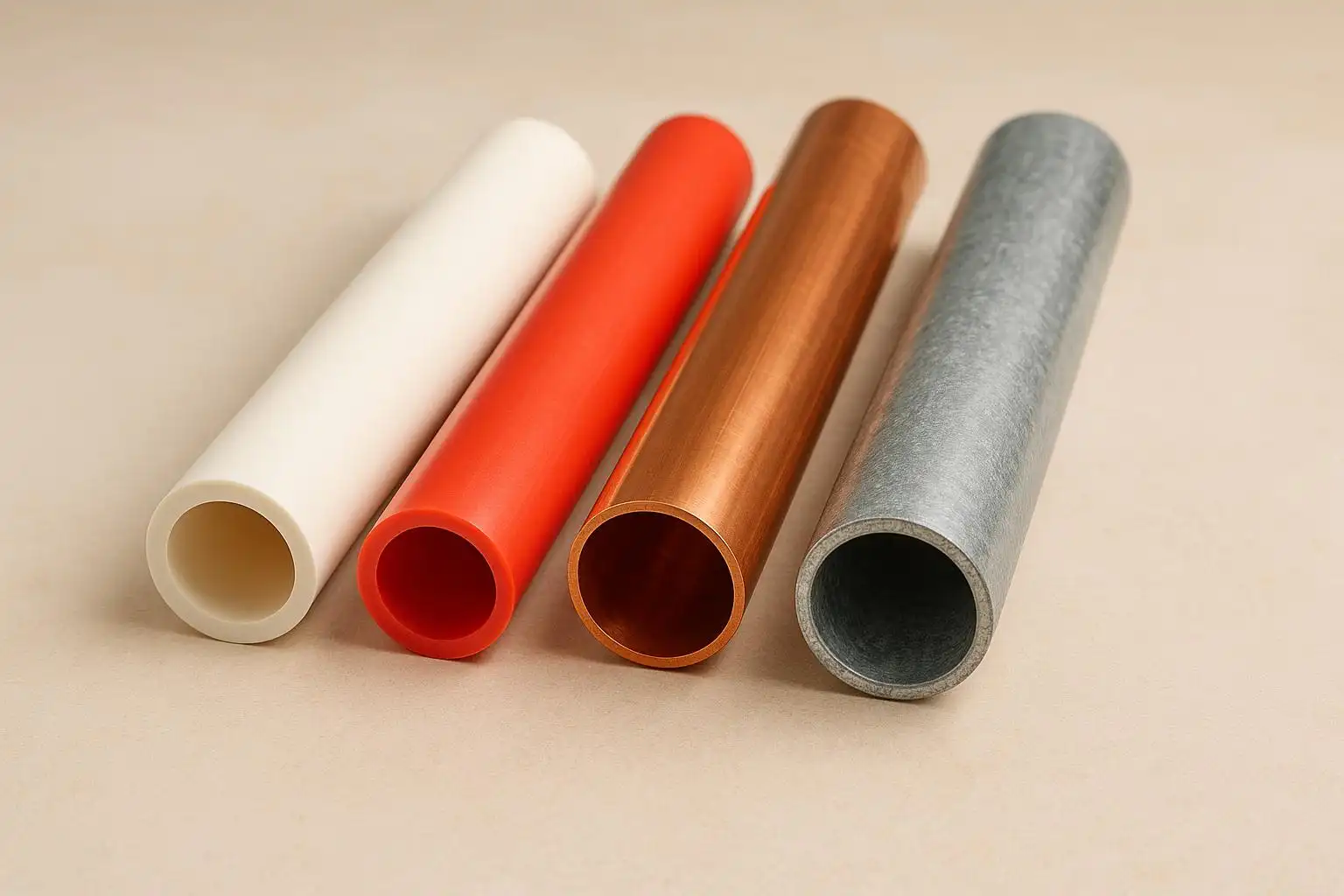
When it comes to plumbing materials, choosing the right one can save you money, time, and hassle. Here’s what you need to know at a glance:
- Cast Iron vs PVC Pipes: Which is Better for Your Home?: Affordable and lightweight, ideal for cold water and drainage, but not suited for hot water or drinking water.
- PEX: Flexible, easy to install, and great for both hot and cold water. However, it’s sensitive to UV light and may face rodent damage.
- Copper: Durable, long-lasting, and excellent for drinking water, but expensive and harder to install.
- Galvanized Steel: Strong and fire-resistant but prone to corrosion, lead contamination, and difficult replacement.
Quick Comparison
| Material | Cost per Foot | Lifespan | Installation | Hot Water Use | Corrosion Resistance | Drinking Water Safe | Freeze Resistance |
|---|---|---|---|---|---|---|---|
| PVC | $0.50–$2.00 | 25–40 years | Easy | No | Excellent | No | Poor |
| PEX | $0.50–$2.00 | 25–50 years | Very Easy | Yes | Excellent | Yes | Excellent |
| Copper | $2.00–$4.00 | 50+ years | Difficult | Yes | Good | Yes | Poor |
| Galvanized Steel | Moderate–High | 40–50 years | Very Difficult | Yes | Poor | No | Poor |
Each material has its strengths and weaknesses. Consider your budget, water quality, local climate, and building codes when deciding. Professional pipe repair and replacement services can help you choose and install the best option for your home.
PEX vs Copper Pipes | Ask This Old House
PVC Pipes: Features, Pros, and Cons
PVC pipes, crafted from thermoplastic material, are known for being lightweight, easy to install, and simple to cut. Thanks to their smooth interior, they minimize friction, making them particularly effective for drainage and vent systems. Unlike metal pipes, PVC doesn’t rust or corrode, which adds to its appeal for various non-pressurized applications.
These pipes are widely used in drainage, waste, and vent (DWV) systems for both residential and commercial purposes. They’re also common in irrigation setups and, in some cases, for cold water supply lines where local codes permit. As of 2023, PVC accounts for over 66% of the U.S. plastic pipe market.
PVC Pipe Benefits
PVC pipes come with several advantages:
- Affordability: PVC is one of the most budget-friendly piping options. For instance, as of 2024, a Schedule 40 1/2-inch PVC pipe typically costs between $0.50 and $1.00 per linear foot, making it an economical choice.
- Ease of Installation: Pipe Replacement Labor Costs in Miami 2025. Connections are made using solvent cement, which creates strong, durable joints while keeping the process straightforward.
- Chemical Resistance: PVC is well-suited for transporting corrosive liquids, making it a reliable choice for waste and underground systems.
- Durability in Cold Water Systems: These pipes can handle cold water systems up to 140°F (60°C). Schedule 40 PVC pipes are typically rated for pressures up to 160 psi at 73°F.
PVC Pipe Drawbacks
Despite its advantages, PVC has some notable limitations:
- Temperature Sensitivity: PVC isn’t suitable for hot water applications. Exposure to high temperatures can cause warping or degradation, restricting its use to cold water systems.
- Environmental Concerns: The production of PVC involves chemicals that can harm the environment, and since PVC isn’t biodegradable, its disposal can contribute to long-term plastic waste issues.
- UV and Freezing Vulnerability: Prolonged exposure to UV rays or freezing temperatures can make PVC brittle, requiring additional protective measures.
- Limited Use in Drinking Water Systems: PVC is generally not recommended for potable water supplies. Over time, it may degrade and potentially leach chemicals, making it better suited for waste, drainage, and vent systems.
On average, PVC pipes last between 25 and 40 years in drain systems, depending on factors like UV exposure, temperature fluctuations, and physical stress.
PEX Pipes: Features, Pros, and Cons
PEX pipes, made from cross-linked polyethylene, stand out for their flexibility. Unlike rigid piping materials, PEX can bend around corners and easily navigate through walls, which speeds up installation and minimizes disruption.
This cross-linking process creates a tough material capable of handling both hot and cold water – up to 210°F and 150 psi. PEX is available in three types: PEX-A (the most flexible and freeze-resistant), PEX-B (durable and cost-effective), and PEX-C (the most budget-conscious option).
To make installation and maintenance easier, PEX pipes are color-coded – red for hot water, blue for cold, and white or gray for either. Below, we’ll explore the benefits and drawbacks that make PEX a popular choice in U.S. plumbing projects.
PEX Pipe Benefits
PEX pipes offer several advantages that have made them a go-to option for both residential and commercial plumbing systems.
- Lower Costs: PEX installations are typically 30–40% cheaper than copper, thanks to reduced material and labor expenses. This makes it a practical choice for everything from minor repairs to full plumbing overhauls.
- Ease of Installation: PEX’s flexibility allows for long, continuous runs with fewer fittings, reducing both leak risks and installation time. Unlike copper or steel, PEX doesn’t require soldering or threading, and its connection tools – like crimping or expansion tools – are relatively simple to use.
- Durable in Extreme Conditions: PEX can withstand temperatures as low as –40°F without cracking. Its ability to expand helps prevent pipes from bursting in freezing weather.
- Performance Perks: PEX resists corrosion and scale buildup, ensuring clean water delivery throughout its lifespan. It also operates more quietly than metal pipes, and its insulation helps reduce heat loss.
PEX Pipe Drawbacks
While PEX has many strengths, there are a few limitations to consider before choosing it for your plumbing needs.
- UV Sensitivity: PEX degrades quickly when exposed to sunlight, making it unsuitable for outdoor use or areas with prolonged UV exposure. It’s best reserved for protected, indoor installations.
- Environmental and Health Concerns: PEX isn’t recyclable, which means it contributes to plastic waste at the end of its life. Although it meets U.S. safety standards for drinking water, some concerns about chemical leaching have been raised. If you’re worried, check local water reports or the manufacturer’s specifications.
- Rodent Damage: PEX pipes can be vulnerable to rodents, which may chew through them and cause leaks. In rodent-prone areas, additional protective measures might be necessary.
- Shorter Lifespan and Tool Requirements: PEX typically lasts 25–50 years, which is less than the 50+ years often expected from copper pipes. Additionally, installation requires specialized tools, which, while a one-time purchase, can add to the upfront costs.
- Chemical Limitations: PEX has less resistance to certain chemicals compared to some other piping materials. This could pose challenges in industrial settings or environments with high chemical exposure.
Copper Pipes: Features, Pros, and Cons
Copper pipes have been a cornerstone of American plumbing for decades, valued for their reliability and safety in delivering drinking water. Unlike PEX and PVC, copper is particularly favored where durability and water safety are top priorities. These pipes, made from copper, are naturally resistant to corrosion, which helps preserve water quality over time.
Copper can withstand extreme temperatures and pressures without breaking down. Whether it’s hot water systems or freezing conditions, copper maintains its strength. Plus, its natural antimicrobial properties help reduce bacterial growth, making it a trusted choice for drinking water systems. U.S. regulations approve copper for drinking water use, provided it adheres to specific guidelines.
Copper Pipe Benefits
Exceptional Longevity
Copper pipes are built to last – typically 50–70 years under normal conditions. In fact, many older homes still rely on original copper lines that have been in place for 70–100 years, proving their durability over the long term.
High Heat Resistance
Copper is perfect for hot water applications. It doesn’t soften, warp, or degrade under high temperatures, making it a reliable option for water heaters and hot water supply lines.
Maintains Water Quality
Thanks to its resistance to corrosion, copper preserves water purity, ensuring clean and safe water from the main supply to your tap.
Recyclable Material
At the end of its lifespan, copper can be fully recycled, reducing waste and offsetting some of the environmental impact associated with its production.
Low Maintenance
Copper’s resistance to corrosion and scaling means it requires little upkeep, offering dependable performance over time. Unlike galvanized steel pipes, which can deteriorate, copper remains a solid choice for long-term use.
However, copper pipes aren’t without their challenges.
Copper Pipe Drawbacks
High Costs
Copper pipes are expensive. As of 2025, materials alone cost between $2.50 and $10.00 per linear foot, while installation can run $8.00–$15.00 per linear foot due to the need for skilled labor. Prices can vary based on fluctuations in the copper market.
Complicated Installation
Because copper is rigid, it doesn’t bend around obstacles, requiring additional fittings and precise measurements. The installation process, which involves soldering and joining, demands expertise, adding to labor costs and time.
Theft Risk
Copper’s high scrap value makes it a frequent target for theft. In 2022, the National Insurance Crime Bureau recorded over 25,000 claims related to copper theft in the U.S..
Pinhole Leaks
In areas with acidic or aggressive water conditions, copper pipes may develop tiny leaks over time. These pinhole leaks can lead to water damage and often require professional repair.
Limited Flexibility
Copper is better suited for new construction or major renovations. Retrofitting copper pipes into existing structures can be invasive and expensive due to its rigidity and installation requirements.
sbb-itb-d8d3ac2
Galvanized Steel Pipes: Features, Pros, and Cons
Once a staple in American plumbing, galvanized steel pipes have gradually been replaced by modern materials due to safety concerns and high maintenance demands. From the 1920s to the 1960s, these pipes were widely used in residential water supply systems. Made by coating steel with a layer of zinc, they were designed to resist rust and corrosion. However, as the zinc layer wears away over time, the steel becomes prone to rust and mineral buildup. While newer materials like PEX, copper, and PVC dominate today’s plumbing, many older homes across the United States still rely on galvanized steel pipes.
These pipes are manufactured by dipping steel into molten zinc, creating a protective coating. Unfortunately, this coating degrades over time, leaving the steel vulnerable to deterioration. Although they are now largely outdated, galvanized steel pipes remain in many pre-1960s buildings, raising concerns about water quality and prompting the search for better alternatives.
Galvanized Steel Pipe Benefits
High Pressure Tolerance
Galvanized steel pipes are built to withstand high water pressure without deforming or bursting. This makes them particularly useful in taller buildings and commercial properties where water pressure needs are greater.
Structural Durability
The steel construction provides exceptional strength, allowing these pipes to resist physical damage and bear significant weight. This durability made them a popular choice for industrial and commercial settings in the past.
Fire Resistance
Unlike plastic alternatives, galvanized steel pipes do not melt or emit toxic fumes when exposed to fire. This characteristic offers an added layer of safety, especially in fire-prone areas.
Long Lifespan
Under normal conditions, these pipes can last 40 to 50 years. However, factors like water quality and environmental conditions can shorten their lifespan.
While these benefits highlight why galvanized steel was once widely used, the material now faces several challenges that make it less desirable for modern plumbing.
Galvanized Steel Pipe Drawbacks
Corrosion Problems
A major issue with galvanized steel pipes is internal corrosion. Over time, the zinc coating erodes, exposing the steel to rust. This not only reduces water flow but can also give the water a metallic taste.
Lead Contamination Risks
Galvanized pipes are linked to significant lead contamination, especially in homes built before 1986. According to the EPA (EPA), homes with galvanized pipes can have lead levels in water up to 10 times higher than homes with copper or plastic plumbing. A 2016 study underscored this risk, particularly in pipes over 40 years old. Compounding the issue, the American Water Works Association estimates that over 6 million lead service lines remain in the U.S., many of which connect to galvanized systems.
Reduced Water Pressure and Quality
As pipes corrode and mineral deposits build up inside, water pressure can drop noticeably. Homeowners often report brown or rusty water, particularly after taps have been unused for a while.
This is a common problem in older homes across the U.S., including those in Miami, FL. Many older Miami properties experience leaks and discolored water due to corroded galvanized pipes. Companies like Hernandez Plumbing have successfully Top 7 Benefits Of Professional Water Line Upgrades, restoring water pressure and quality with minimal disruption.
Costly and Complex Replacement
Replacing galvanized steel pipes can be expensive and labor-intensive. Due to their weight and the need for specialized tools, the process often involves opening walls or floors, making it a job best left to professionals. In Miami, FL, licensed plumbers ensure that replacements meet building codes and are safely executed.
The cost of replacing galvanized pipes with materials like PEX or copper ranges from $4,000 to $15,000 for an average home, depending on the system’s size and complexity.
Insurance and Safety Concerns
Homes with galvanized plumbing often face higher insurance premiums due to the increased risk of leaks, water damage, and lead exposure. Regular inspections are essential for buildings over 50 years old. If signs of corrosion, leaks, or water discoloration appear, experts recommend upgrading to modern materials like PEX, copper, or PVC. Professional plumbers can assess the condition of existing pipes and suggest the best replacement options based on factors like water quality, building age, and budget. In Miami, FL, Hernandez Plumbing provides thorough inspections and replacements to ensure reliable, safe plumbing systems for both homes and businesses.
Side-by-Side Comparison: PVC vs. PEX vs. Copper vs. Steel
When it comes to choosing the right pipe material for your project, understanding the differences between PVC, PEX, copper, and galvanized steel is essential. Each material comes with its own set of advantages and limitations, and the best choice depends on factors like cost, installation complexity, durability, and specific plumbing needs.
Cost is one of the most noticeable differences. PVC tends to be the least expensive option, making it a budget-friendly choice. PEX falls in the middle range, offering affordability with added flexibility. Copper, on the other hand, is the most expensive due to its material cost and the need for skilled labor during installation. Galvanized steel is also on the higher end, with both material and labor costs adding up quickly.
Ease of installation varies significantly. PEX is the easiest to install because of its flexibility, which allows it to bend around corners and fit through walls with minimal fittings. PVC is also relatively simple to work with, though its rigidity may require additional fittings to navigate changes in direction. Copper and galvanized steel, however, demand professional installation due to their complexity and the tools required.
Water temperature compatibility is another critical factor. PVC is limited to cold water applications, while PEX, copper, and galvanized steel can handle both hot and cold water lines without issue.
Comparison Table: Pros and Cons
| Material | Cost per Foot | Lifespan | Installation | Hot Water | Corrosion Resistance | Drinking Water Safe | Freeze Resistance |
|---|---|---|---|---|---|---|---|
| PVC | $0.50–$2.00 | 25–40 years | Easy | No | Excellent | No | Poor |
| PEX | $0.50–$2.00 | 25–50 years | Very Easy | Yes | Excellent | Yes | Excellent |
| Copper | $2.00–$4.00 | 50+ years | Difficult | Yes | Good | Yes | Poor |
| Galvanized Steel | Moderate–High | 40–50 years | Very Difficult | Yes | Poor | No | Poor |
This table highlights the core differences, making it easier to compare key aspects of each material before making a decision.
Durability and longevity are vital considerations. Copper stands out with a lifespan of over 50 years, while PEX and galvanized steel typically last between 25 and 50 years. However, galvanized steel often requires more maintenance due to corrosion and mineral buildup, which can restrict water flow over time.
Safety for drinking water is another critical factor. PVC is not recommended for potable water because of concerns about chemical leaching. Galvanized steel can also pose risks, particularly in older systems where lead contamination may occur. Both PEX and copper are safe for drinking water, though PEX may sometimes impart a slight taste when first installed.
In freeze-prone regions, PEX is the clear winner. Its ability to expand and contract without cracking makes it ideal for harsh winters. Copper, PVC, and galvanized steel are more prone to damage from freezing water, requiring extra insulation and winterization to avoid costly repairs.
There are also unique benefits to consider. Copper naturally resists bacteria, offering antimicrobial properties that can improve water quality. PEX resists scale buildup and chlorine, ensuring consistent water flow over time.
For areas like Miami, FL, where local water conditions and building codes play a significant role, these comparisons are especially important. Consulting with a professional can help you choose the material that aligns with your property’s needs, complies with regulations, and fits your long-term goals. With these factors in mind, you’ll be better equipped to make an informed decision in the next section.
How to Choose the Right Pipe Material
When selecting pipe material, it’s essential to weigh factors like budget, project type, local building codes, environmental conditions, water quality, and the expected lifespan of the material. For instance, PEX is both cost-effective and versatile, priced at around $1.50–$4.00 per linear foot, while copper, which lasts over 50 years, comes at a higher cost of $4.00–$10.00 per linear foot.
For new construction or major renovations, PEX’s flexibility can lower labor costs by up to 50% compared to copper. On the other hand, if you’re working on an older home, sticking with copper might be the better choice to ensure compatibility with the existing system.
Local building codes also play a critical role. Some municipalities restrict or prohibit certain materials – like banning PVC for potable water – so always double-check compliance before making a decision.
Your local climate is another key consideration. In regions prone to freezing temperatures, PEX stands out because it can handle temperatures as low as -40°F without cracking. However, in areas with high UV exposure, materials like copper or galvanized steel are better options since PEX deteriorates when exposed to sunlight.
Water quality and environmental conditions can also affect your choice. For example, in coastal areas such as Miami, FL, the combination of saltwater and high humidity can accelerate wear on certain materials. Consulting a local expert can help navigate these challenges effectively.
Avoid common mistakes like using PVC for hot water, installing PEX in outdoor areas where sunlight can degrade it, or ignoring local building codes. Such errors can lead to expensive repairs or even system failures later on.
Finally, align the material’s lifespan with your future plans. Copper’s durability of over 50 years might justify its higher upfront cost if you’re planning to stay in your home long-term. For shorter-term needs, PEX, with its 30–50-year lifespan, might be more practical. For personalized advice, consulting local professionals is always a smart move.
Hernandez Plumbing: Expert Guidance and Services
When it comes to complex material choices, local expertise can make all the difference. Hernandez Plumbing, with over 50 years of experience in Miami, FL, and surrounding areas, specializes in providing tailored solutions that take local water conditions, building codes, and environmental factors into account.
"We’re here to provide personalized solutions tailored to your specific needs", says Hernandez Plumbing, emphasizing their commitment to "custom plumbing solutions at a fair price."
Their team evaluates your property’s unique requirements, including water pressure, temperature needs, routing challenges, and budget. With flat-rate upfront pricing and a worry-free warranty on parts and labor, you’ll know exactly what to expect before any work begins.
Hernandez Plumbing also offers a $49 residential plumbing diagnostic (regularly $97) to assess your current system and recommend the best materials for your project. Whether you need a water line replacement, repairs, or a full plumbing overhaul, their 24/7 emergency services and 100% satisfaction guarantee ensure peace of mind.
For decisions as important as pipe material selection, consulting experienced professionals like Hernandez Plumbing helps you make the right choice for your home and long-term goals.
FAQs
What are the environmental impacts of using PVC or PEX pipes in plumbing?
When it comes to plumbing materials, PVC (polyvinyl chloride) and PEX (cross-linked polyethylene) each have their own environmental impacts. PVC is known for its durability and widespread use, but its production process releases harmful chemicals, and it doesn’t break down naturally over time. PEX, on the other hand, is produced with less energy and is built to last, but it’s not recyclable in most locations.
To decide between these options, it’s important to weigh factors like how long the material will last, how energy-intensive it is to produce, and whether it aligns with your recycling goals. If you’re unsure which material is the right fit for your plumbing system, reaching out to a professional plumber can help you make the best choice based on your specific needs and environmental concerns.
What should I consider when choosing between copper and PEX pipes for cost and durability?
When choosing between copper and PEX pipes, it’s essential to consider both the cost and how well they’ll hold up over time. Copper pipes are well-regarded for their durability and ability to handle high temperatures. They’re built to last, but the trade-off is a higher upfront cost. Additionally, copper can corrode under certain water conditions, which is worth keeping in mind.
PEX pipes, meanwhile, are a more budget-friendly alternative. Their flexibility makes them easier – and cheaper – to install. They’re also resistant to corrosion and freezing, which adds to their appeal. However, they may not hold up as well as copper in extreme heat or prolonged exposure to sunlight.
Not sure which is the right fit for your home or business? A professional plumber can provide tailored advice based on your specific needs and budget.
What should I know about replacing galvanized steel pipes in older homes?
Galvanized steel pipes, commonly found in older homes, often face issues like corrosion or mineral buildup. These problems can lead to restricted water flow and a higher chance of leaks. When upgrading these pipes, it’s crucial to evaluate the entire plumbing system, as other sections might also require attention to maintain reliability over time.
For homeowners in Miami, FL, experts like Hernandez Plumbing can help replace aging galvanized steel pipes. Their professional services ensure your home’s plumbing is safe, efficient, and meets current standards.
Need Professional Help?
Our licensed plumbers are ready to help with your repiping services needs.