Pipe Repair vs. Replacement: Key Differences
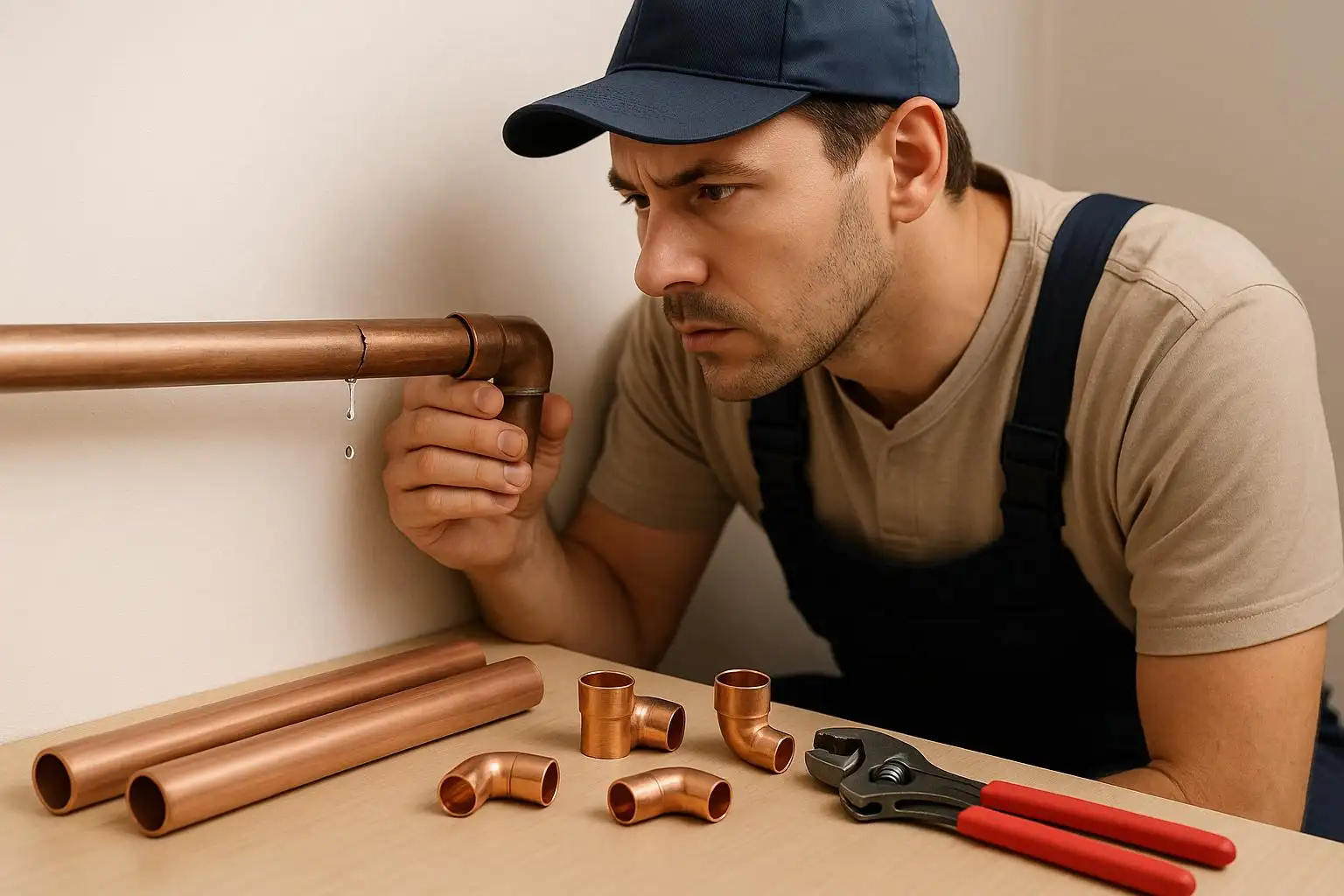
When plumbing problems arise, you often face a crucial decision: repair or replace your pipes. Here’s a quick breakdown to help you decide:
- Repair: Best for isolated issues like small leaks or minor cracks. It’s faster, less disruptive, and costs between $150-$800 per fix. However, repairs are often temporary, especially in older systems.
- Replacement: Ideal for widespread damage, aging pipes, or outdated materials like lead or galvanized steel. It provides a long-term solution with improved durability and water quality but comes with higher costs, ranging from $2,500-$15,000+, and requires more time and effort.
Key Considerations
- Extent of Damage: Small, localized issues suit repairs, while widespread problems call for replacement.
- Pipe Material & Age: Older materials like cast iron or galvanized steel often need replacement.
- Budget: Repairs are cheaper upfront but can add up over time. Replacements are costlier but last decades.
- Long-Term Plans: If you plan to stay in your home, replacing old pipes may save money and hassle in the long run.
- Disruption: Repairs are quicker and less invasive, while replacements may involve property restoration.
Quick Comparison
| Factor | Repair | Replacement |
|---|---|---|
| Cost | $150-$800 per repair | $2,500-$15,000+ |
| Time Required | 2-6 hours | 1-5 days |
| Disruption | Minimal to moderate | Moderate to extensive |
| Lifespan | 5-15 years | 40-70+ years |
| Best For | Isolated damage | Aging or failing systems |
If you’re unsure, consult a professional plumber for an inspection. For minor repairs, having the right DIY plumbing tools can help with basic maintenance. They’ll assess your system and recommend the best course of action based on your specific situation.
Pipe Liner vs Pipe Replacement
Pipe Repair: Methods, Benefits, and Drawbacks
When minor damage occurs, targeted pipe repairs can be a practical way to address specific issues without the cost and hassle of a full replacement. Understanding the methods and trade-offs involved will help you choose the best solution for your situation.
How Pipe Repair Works
Modern pipe repair techniques have come a long way from simple patches and clamps. One advanced option is trenchless lining, where a flexible liner coated with epoxy resin is inserted into the damaged pipe. Once inflated and cured, the liner forms a new, durable pipe within the existing one, all while minimizing the need for digging.
For smaller, localized problems like cracks or pinhole leaks, spot repairs are effective. Plumbers use tools like specialized clamps, epoxy compounds, or pipe sleeves to seal the affected area quickly.
If you’re dealing with older cast iron pipes, sectional replacement can be a smart compromise. This involves removing and replacing only the most damaged sections with new PVC or copper piping, while keeping the rest of the system intact. Specialized couplings ensure a secure connection between old and new materials.
Another trenchless option is pipe bursting, which is ideal for severely damaged or collapsed pipes. In this method, a new pipe is pulled through the old one, breaking apart the damaged section as it’s replaced. This approach is especially effective for pipes compromised by root intrusion or structural failure.
Each of these methods offers specific advantages, often providing quick and cost-efficient solutions.
Benefits of Pipe Repair
One of the biggest perks of pipe repair is cost savings. By focusing only on the damaged sections, you avoid the expense of replacing an entire system. Trenchless methods, in particular, are less invasive, which means your landscaping, driveways, and even interior finishes remain largely undisturbed – a huge benefit for homes in established neighborhoods.
Repairs are also less disruptive to daily life. Since the work is targeted, there’s usually no need to leave your home or arrange for temporary accommodations. Plus, fewer workers and less mess mean a more comfortable experience overall.
For newer plumbing systems, targeted repairs can extend the lifespan of the entire system by addressing isolated issues without replacing perfectly functional components.
However, while the benefits are clear, it’s important to weigh them against the potential drawbacks.
Drawbacks of Pipe Repair
One challenge with pipe repairs is that they’re often temporary solutions in aging systems. While a repair might fix the immediate problem, it doesn’t address the overall condition of older pipes, which can lead to recurring issues and additional repairs down the road.
Repairs also fall short when dealing with widespread damage. In systems with multiple problem areas, the cost of repeated repairs can quickly add up, making a full replacement the more practical – and economical – choice in the long run.
Mixing old and new materials can also create complications. For example, combining older cast iron pipes with newer PVC can lead to issues with expansion rates and connection durability. These mismatches can complicate future maintenance and even impact insurance claims if problems arise later.
Another consideration is limited warranty coverage. Repairs typically come with shorter warranties compared to full replacements, reflecting the fact that repaired sections may not offer the same long-term reliability as an entirely new system.
Finally, repairs focus on restoring functionality to damaged sections but don’t address overall plumbing capacity. If your current system struggles to meet modern water demands or you’re planning major renovations, a full replacement might be the better option for long-term performance.
Pipe Replacement: Process, Benefits, and Drawbacks
When pipes are heavily damaged or have simply aged beyond repair, a full replacement is often the only solution. While it does require a larger upfront cost, knowing the process and weighing its pros and cons can help you make a well-informed decision.
How Pipe Replacement Works
The traditional approach to pipe replacement involves excavation. This method digs trenches to remove old pipes and install new ones. Although it can be disruptive, it gives plumbers full access to inspect and upgrade your plumbing system, including connections and fittings.
For less invasive alternatives, trenchless pipe replacement is a game-changer. Instead of digging trenches, this method uses specialized tools to install new pipes through small access points at either end of the damaged section.
Another trenchless option, pipe bursting, is ideal for severely damaged underground pipes. A bursting head breaks apart the old pipe while simultaneously pulling a new one into place. This technique is particularly effective for collapsed pipes or those with extensive root damage.
Trenchless methods not only replace damaged pipes but also improve the entire system. The choice of materials depends on your needs and local building codes. Copper pipes are known for their durability and antimicrobial properties, while PEX (cross-linked polyethylene) offers flexibility and resistance to freezing. For sewer lines, PVC is a popular choice due to its chemical resistance and smooth interior, which helps prevent clogs.
This comprehensive replacement process tackles existing problems while setting the stage for long-term reliability.
Benefits of Pipe Replacement
Unlike repairs that address isolated issues, a full pipe replacement provides a long-lasting solution. One of the biggest advantages is its lifespan – new pipes can last 50 to 100 years while improving water quality, pressure, and overall reliability. With new pipes, you’ll notice cleaner water and stronger, more consistent water pressure throughout your home.
"If your pipes are completely deteriorated, frequently leaking, or made of hazardous materials such as lead, a full replacement is the best long-term solution. It provides brand-new, durable plumbing that will last for decades but requires a more invasive process that may involve restoring walls, floors, or landscaping." – Daphne Hunt
Replacing all pipes at once eliminates recurring problems, which is especially important in older homes with cast iron or galvanized steel pipes prone to corrosion. You can avoid emergency repairs and the water damage that often comes with sudden pipe failures.
Modern materials like copper and PEX also bring safety and efficiency improvements. If your home still has lead pipes or other outdated materials, replacing them ensures your family’s safety. Additionally, these materials are more resistant to chemical corrosion and provide better thermal efficiency.
An upgraded plumbing system can even boost your home’s value. For older homes, potential buyers often see updated plumbing as a major selling point. Plus, new pipes require minimal maintenance, meaning fewer service calls and lower repair costs over time.
Drawbacks of Pipe Replacement
The most obvious downside is the higher upfront cost. Pipe replacement is a significant investment and can disrupt your daily routine. Extended timelines, water shutoffs, and property restoration can all add to the inconvenience.
While trenchless methods can reduce the need for property repairs, they’re not always suitable for every situation and can sometimes cost more initially. Planning ahead with your plumber can help minimize disruptions, but it’s important to prepare for temporary inconveniences like limited access to parts of your home.
Despite these challenges, many homeowners find that the long-term benefits – like peace of mind and fewer plumbing headaches – make the initial investment worthwhile. Knowing the available options can help you decide when a full replacement is the right choice over smaller, targeted repairs.
How to Decide: Repair or Replace?
When faced with plumbing issues, deciding between repairing or replacing pipes requires careful thought. Key factors include the extent of damage, the age and material of the pipes, your repair history, budget, long-term plans, and the level of disruption you’re willing to handle.
What to Consider When Deciding
Start by assessing the extent and severity of the damage. Small cracks or isolated leaks can often be fixed with a straightforward repair. However, widespread corrosion, multiple fractures, or significant wear and tear typically signal the need for a complete pipe replacement .
Next, think about the age and material of your pipes. Older piping materials, such as lead, polybutylene, or galvanized steel, often pose safety risks and are better replaced. Modern materials like copper, PEX, or PVC offer much longer lifespans – copper can last over 50 years, PEX around 40 years, and PVC about 50 years .
Consider how often you’ve needed repairs. If leaks and fixes are becoming a regular occurrence, the cumulative cost of repairs may soon outweigh the expense of a full replacement .
Budget is another critical factor. While repairs may seem cheaper upfront, repeated fixes can add up, sometimes equaling or even surpassing the cost of replacing the entire system .
Your future plans for the property also matter. If you’re planning to stay in your home for the long haul or want to enhance its resale value, investing in a new piping system may be the smarter choice .
Finally, think about the level of disruption you’re prepared to deal with. Repairs are generally quicker and less invasive. By contrast, replacements – especially those involving traditional trenching methods – can be more disruptive, although trenchless techniques can minimize this inconvenience .
Weigh these factors to determine whether a repair will suffice or if it’s time for a full replacement.
When Repair Makes Sense
Repairs are often the best choice for isolated problems. If your pipes are relatively new and in good condition overall, a targeted fix can resolve the issue without overhauling the entire system.
For example, a single leak, a minor crack, or damage caused by a specific event like freezing can typically be repaired. Repairs are also a practical option if you’re working within a tight budget and need a quick, less invasive solution. This approach can buy you time to plan for a replacement down the road if necessary.
When Replacement Is Needed
If your pipes show widespread damage, replacement is usually the better option. Corroded or structurally weakened pipes aren’t good candidates for repair, as fixes are often temporary . Age plays a big role too – homes built more than 50 years ago or before the 1980s often have outdated materials that have outlived their usefulness .
Frequent leaks and constant repair needs are red flags that your system is deteriorating and likely requires a full replacement . Additional signs include large cracks, broken or collapsed pipe sections, and discolored water (rusty, yellow, or brown tones), which suggest internal corrosion or contamination .
Other indicators include low water pressure or odd noises like banging or clanking, which could point to mineral buildup or corrosion restricting water flow . Hazardous materials like lead or galvanized steel, mold growth, or persistent foul odors from drains are also strong reasons to consider replacing your plumbing system .
If your system has multiple problems across different areas, a full replacement is usually the most practical and long-term solution .
Pipe Repair vs. Pipe Replacement Comparison
Let’s break down the key differences between pipe repair and pipe replacement. Each option has its own set of pros and cons, impacting your budget, timeline, and overall satisfaction.
| Factor | Pipe Repair | Pipe Replacement |
|---|---|---|
| Cost | $150-$800 per repair | $2,500-$15,000+ for full system |
| Time Required | 2-6 hours | 1-5 days |
| Property Disruption | Minimal to moderate | Moderate to extensive |
| Solution Longevity | 5-15 years | 40-70+ years |
| Best For | Isolated damage, newer pipes | Widespread issues, old systems |
Here’s a closer look at these factors:
Cost is often the first consideration. Pipe repairs typically range from $150 to $800, depending on the complexity and location of the issue. On the other hand, full pipe replacements can cost anywhere from $2,500 to over $15,000. For example, replacing copper pipes in an average home can cost $8,000-$15,000, while PEX installations are more affordable, ranging from $2,500-$7,000.
Time required also varies significantly. Repairs are quicker, usually taking 2-6 hours. Replacements, however, can take 1-5 days, especially for whole-house projects. That said, trenchless methods can cut this timeline by 30-50%, making the process more efficient.
Property disruption depends on the method and scope of work. Repairs typically involve accessing specific areas, which might require opening walls or digging small sections. This keeps the disruption localized. Replacements, especially with traditional excavation methods, can be far more invasive. Digging trenches across your property can disrupt landscaping and hardscaping. However, trenchless techniques minimize this by using small entry and exit points to access the pipes.
Solution longevity is another critical factor. Repairs are a shorter-term fix, lasting 5-15 years based on the material and method used. Replacements, however, provide a much longer lifespan. Copper pipes can last 50-70 years, PEX systems 40-50 years, and PVC pipes often exceed 50 years.
Damage type compatibility plays a role too. Repairs work well for isolated issues or newer systems, while replacements are better suited for widespread damage or aging pipes, as discussed in earlier sections.
If you’ve spent more than $1,500-$2,000 on repairs within a couple of years, replacement may be the smarter financial choice. Over time, the cumulative cost of repeated repairs can outweigh the upfront expense of a full replacement.
Lastly, consider the impact on water quality. Repairs won’t improve existing water quality and may leave age-related issues unaddressed. Replacements, on the other hand, can enhance water taste, eliminate metallic flavors, and reduce the risk of contamination by using modern materials.
Professional Plumbing Services in Miami
Why Use Professional Plumbers?
When it comes to plumbing, hiring professionals ensures you’re getting more than just a quick fix – it’s about securing a lasting solution.
Pinpointing the problem is key to effective repairs. Professional plumbers use advanced tools to identify the root causes of issues. For example, a minor leak could signal deeper structural concerns that might require a complete replacement.
Skilled craftsmanship brings peace of mind. Licensed plumbers are well-versed in local building codes, proper installation techniques, and material compatibility. Their expertise helps prevent costly errors, such as water damage, code violations, or systems breaking down prematurely.
Safety and reliability are non-negotiable. Professional plumbers follow strict safety protocols and offer warranties on their work, ensuring your property is protected and compliant with regulations. Managing pressurized water systems, electrical components near water, or hazardous materials demands specialized training and equipment – something only professionals are equipped to handle.
Hernandez Plumbing: Your Miami Solution
In a city like Miami, where plumbing challenges can vary widely, local knowledge is essential. With over 50 years of experience, Hernandez Plumbing has become a trusted name, offering tailored solutions for Miami residents. Their licensed and certified team provides the expertise you need to make smart decisions about your plumbing system.
Thorough inspections are a cornerstone of their service. Hernandez Plumbing offers a residential plumbing diagnostic for $49 (regularly $97), providing a detailed assessment of your system’s condition. For homes with cast iron pipes, they even include a free inspection to check for corrosion or damage. These evaluations rely on advanced tools to uncover hidden problems and determine the remaining lifespan of your pipes.
They don’t believe in cookie-cutter fixes. Instead, Hernandez Plumbing offers customized solutions to match your needs and budget. Options include:
- Spot Repair: Fixing specific damaged sections with durable PVC piping – perfect for localized issues.
- PVC Liner Insertion: Adding a liner inside the damaged pipe to create a temporary barrier – ideal for minor, short-term fixes.
- Rerouting: Installing new PVC pipes along alternative pathways to bypass damaged areas, especially when access is limited.
- Full Replacement: Replacing the entire plumbing system, offering a long-term solution that can last 40–70+ years, depending on the materials used.
Clear pricing makes budgeting simple. Hernandez Plumbing provides upfront, flat-rate pricing, so you know exactly what to expect. This transparency allows you to weigh immediate costs against long-term benefits without any surprises.
Their dedication doesn’t stop there. With 24/7 emergency services, they’re ready to tackle plumbing disasters whenever they strike – whether it’s a burst pipe at midnight or a major weekend leak.
Hernandez Plumbing also specializes in addressing cast iron pipe issues, a frequent problem in Miami’s older homes. They help homeowners weigh the pros and cons of repairs versus full replacements, offering guidance based on the severity of corrosion and future plans.
With detailed diagnostics, personalized solutions, straightforward pricing, and decades of local expertise, Hernandez Plumbing stands out as a trusted partner for navigating even the toughest plumbing decisions.
Conclusion
Deciding between pipe repair and replacement often comes down to three main factors: the extent of the damage, the age of your pipes, and your budget.
Pipe repair works well for isolated problems, particularly in newer systems. It’s often a cost-effective option for quick fixes. However, repairs might only be a short-term solution, especially if your pipes are nearing the end of their expected lifespan. On the other hand, pipe replacement requires a larger initial investment but offers long-term advantages. Materials like PVC, which lasts 25–40 years, and copper, with a lifespan of 50–70 years, ensure durability that can make replacement a smarter financial choice over time. As a general rule, if the cost of repairs approaches or exceeds 50% of what a full replacement would cost, replacement is usually the more economical option in the long run.
The material and age of your plumbing system are also critical factors. For instance, galvanized steel pipes, which typically last 20–50 years, or corroded cast iron pipes found in many older homes in Miami, may not justify repeated repairs as they near the end of their usable life.
To make the best decision, it’s essential to consult a professional. A thorough evaluation using modern diagnostic tools can confirm the right course of action and uncover hidden issues that might not be immediately visible. Additionally, advanced methods like trenchless repair and pipe relining now allow for effective fixes without the need for extensive digging.
FAQs
How can I tell if my pipes need to be repaired or replaced?
Determining whether your pipes need repair or replacement often comes down to the extent of the problem. Repairs might be sufficient if you notice issues like discolored water, minor leaks, slow drainage, or small patches of mold near plumbing fixtures. These are usually signs of isolated problems that don’t require a full overhaul of your pipe system.
On the other hand, replacement becomes necessary when you’re facing more severe issues such as widespread corrosion, recurring leaks, frequent clogs, or major pipe damage. Homes with older piping materials like cast iron or galvanized steel might also benefit from a complete replacement, as these materials can lead to ongoing problems and reduced water quality over time.
Not sure what your situation calls for? Consulting a professional plumber is the smartest move. They can evaluate your system and suggest the most practical and long-lasting solution. If you’re in Miami, FL, Hernandez Plumbing offers expertise in both repairs and replacements, ensuring you get dependable service tailored to your needs.
What are the advantages of trenchless pipe repair or replacement?
Trenchless pipe repair and replacement come with a host of advantages. One of the biggest perks is how these methods sidestep the need for large-scale digging, sparing your landscaping, driveways, and other outdoor areas from unnecessary damage. Plus, the process is often quick – many projects can be wrapped up in just a single day.
Another major benefit? It can save you money over time. Trenchless techniques cut down on labor and restoration expenses, and they use durable, corrosion-resistant materials that are built to last. This makes them a practical and efficient solution for tackling pipe problems without the usual headaches.
How does the type of pipe material influence whether I should repair or replace it?
The type of material your pipes are made from has a big impact on whether repair or replacement is the better option. Older materials like cast iron or clay tend to corrode and break down over time. If the damage is severe or the pipes have collapsed, replacement is often the safer and longer-lasting choice. However, pipes made from newer, more durable materials might only need a repair for minor issues, such as a small crack or a localized leak.
When deciding, think about both the severity of the damage and the durability of the pipe material. Replacing older pipes can improve performance and lower the chances of future issues, while repairing newer pipes can save money if the problem is relatively minor.
Need Professional Help?
Our licensed plumbers are ready to help with your plumbing repair needs.