Miami Landlord Plumbing Maintenance Calendar by Season
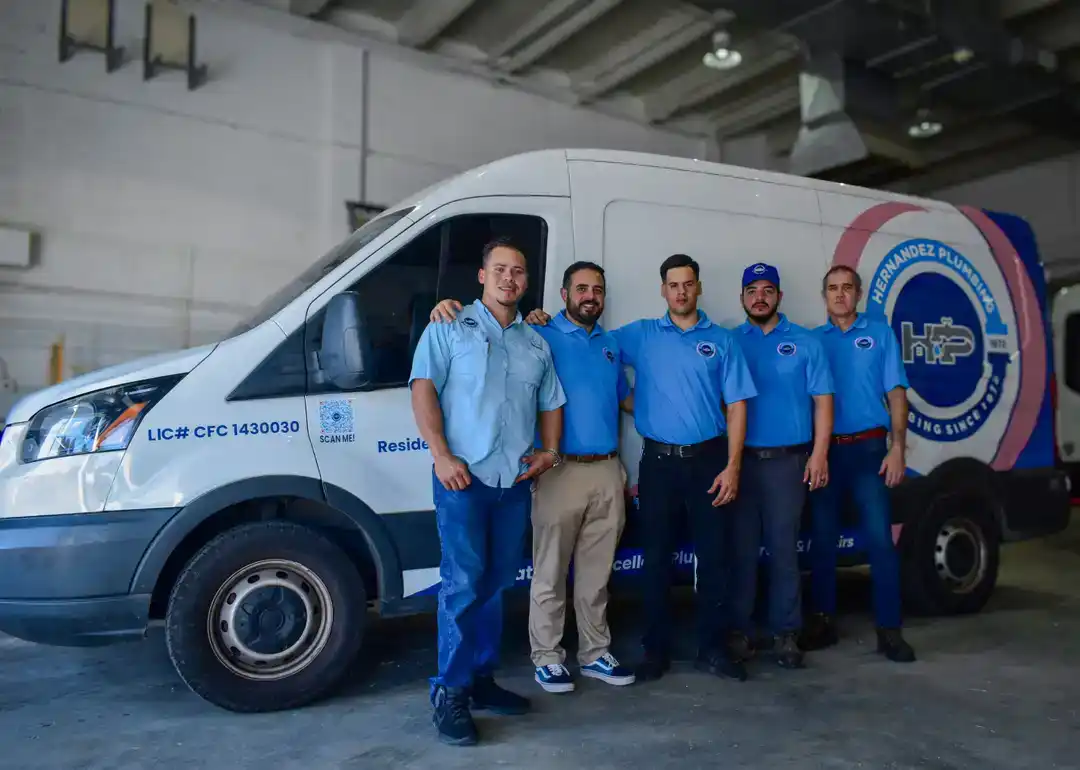
Miami Landlord Plumbing Maintenance Calendar by Season
An annual maintenance calendar works better than a once-a-year scramble because most rental plumbing trouble starts as something small between turnovers.
If you are building a Miami landlord plumbing maintenance calendar, what you usually find online is either a move-out checklist or a generic homeowner article. Neither one is enough for Miami-Dade rentals. The plumbing stress on a rental property does not show up only when a tenant leaves. It shows up in the middle: a toilet that starts ghost-flushing in August, a drain that keeps slowing down after repeated resets, or a water heater that limps through renewal season and fails when occupancy is back to normal.
That is why an annual calendar is more useful than a single inspection day. It tells you what to review monthly, what deserves a quarterly look, what should be scheduled once a year, and what changes when the storm season tightens the margin for error. The National Hurricane Center says the Atlantic hurricane season runs from June 1 to November 30, so Miami landlords do not have the luxury of treating summer plumbing planning like an optional extra.
Hernandez Plumbing's live pages also give property owners a practical clue about how to manage the work. The company says it works with property management companies, offers maintenance contracts, and can coordinate work around business hours on the commercial plumbing repair page. That matters because rental maintenance is not just about what broke. It is also about access, tenant communication, documentation, and how quickly a routine issue can become a same-day problem.
Why Miami rentals need a calendar, not just a turnover checklist
A turnover checklist still matters. It is one of the best times to see a unit when nobody is actively using showers, sinks, toilets, and laundry lines. But turnover only catches what is visible during vacancy. The failures that create repeat tenant frustration often grow quietly between those vacancies.
That is where routine maintenance earns its keep. EPA WaterSense recommends regular leak checks as part of normal home maintenance, including comparing current water bills to earlier periods, checking the water meter during a no-use window, and using a dye test to catch silent toilet leaks at least once a year on the Home Maintenance page. Hernandez Plumbing's published pipe repair and repiping guide adds two habits that fit landlords especially well: annual plumbing inspection and keeping records of any work.
That combination is the real calendar:
- turnover checks to catch obvious move-in issues
- recurring inspections to catch leaks, weak shutoffs, and drain problems before the tenant does
- annual service for systems like water heaters and older drain lines
- storm-season preparation so a heavy-rain week does not become a plumbing emergency
If you already use a between-tenant checklist, this article is the missing layer between vacancies. It is about what happens during the rest of the year, when a property is occupied and the cost of waiting gets higher.
A season-by-season plumbing calendar landlords can actually use
The easiest way to make a maintenance calendar usable is to tie each task to timing instead of vague good intentions.
| Timing | What to do | Why it belongs there |
|---|---|---|
| Monthly | Review water bills, note repeated tenant plumbing complaints, and scan for active drips or running toilets during any visit | Small leaks and repeat complaints are easier to fix before they become mold, damage, or callback patterns |
| Quarterly | Open sink-base cabinets, look for corrosion or staining, test visible shutoffs gently, and check whether any drain is trending slower | This is the cadence where "not urgent yet" problems usually become obvious |
| Once per year | Schedule the water heater service, review drain-cleaning history, and update your repair log for each unit or building | Annual service turns guesswork into a documented baseline |
| Before or at the start of wet season | Confirm who can access the unit, where the main shutoff is, and whether exterior cleanouts and low-lying drains are in good shape | Miami storm season changes how quickly drain, leak, and backup issues escalate |
| After a major storm | Recheck for drain odor, backups, cloudy water, weak pressure, or flood-related damage and photograph anything unusual | Storm conditions change the plumbing context even when the unit seemed fine the week before |
| At turnover | Do the vacancy-specific plumbing walk-through and update the property record before handing over keys | Turnover is still the best time for a quiet full-unit check |
That schedule scales. A single condo owner may handle much of the monthly and quarterly observation personally. A property manager handling multiple doors may turn it into a standing vendor routine. Either way, the point is to stop treating every plumbing decision like a fresh surprise.
Hernandez Plumbing's commercial pages are useful here because they speak the language landlords and managers actually need: maintenance contracts, after-hours coordination, and support for property management companies. If the property type is mixed-use, multifamily, or commercially leased, that operating detail matters as much as the repair itself.
What belongs on the recurring leak, drain, and water-heater list
The recurring list should stay tight. If it is too long, nobody uses it.
Start with leaks and toilets. EPA WaterSense says you can catch silent toilet leaks with a simple dye test and can use a no-use water-meter check to flag hidden leaks. That makes those two items ideal for an annual calendar. They are fast, low-disruption checks that often catch expensive water-waste problems early.
Then move to drains. Hernandez Plumbing's residential drain cleaning page for Miami says annual professional drain cleaning is a good baseline for most homes, while older plumbing, large families, or frequent drain issues may justify service every six months. That does not mean every rental automatically needs a drain-cleaning appointment twice a year. It does mean older Miami properties, repeat-clog units, and buildings with recurring odor or backup complaints should not be managed with a plunger-only strategy.
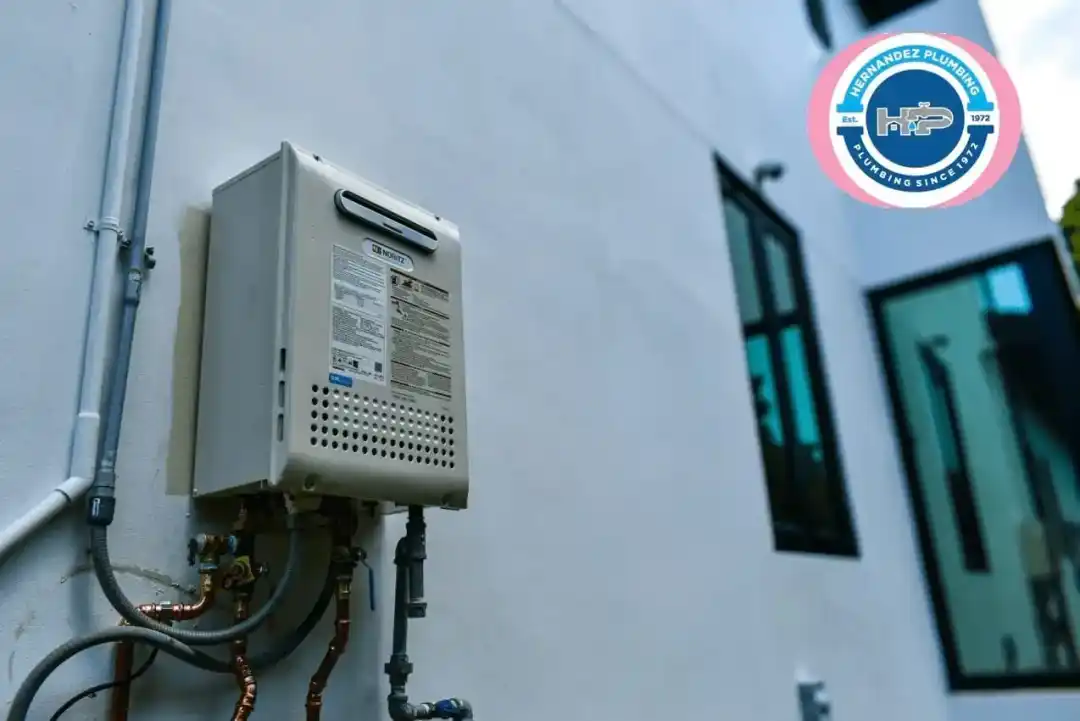 Annual service is easier to schedule than emergency replacement, especially when the water heater sits in a closet, utility room, or occupied unit with limited access.
Water heaters belong on the calendar too. Hernandez Plumbing's water heater service page lists annual flushing, anode rod inspection, and preventive care as core maintenance work. EPA WaterSense says it is best to have a home's water heater serviced at least once a year and recommends yearly flushing and checking the temperature and pressure valve on the same Home Maintenance page. For landlords, that gives you a clear rule: if you do not know when the heater was last serviced, you are overdue for a baseline.
The recurring list for most Miami rentals should cover:
- silent toilet leak checks
- under-sink inspections for staining, rust, or loose connections
- review of repeat drain complaints and when they occur
- annual water heater service and visual leak check
- updated records showing what was inspected, serviced, repaired, or deferred
That record piece matters more than people expect. Hernandez Plumbing's pipe guide explicitly recommends keeping records of any work. For landlords, that is how you stop arguing with your own memory about whether the unit already had a slow-drain history, a weak shutoff, or an aging heater.
Wet-season prep and post-storm checks
Miami should not use the same plumbing calendar in February that it uses in August.
The National Hurricane Center's official climatology page sets the Atlantic hurricane season from June 1 through November 30. That does not mean every summer rain event is a disaster. It does mean landlords should tighten the maintenance routine once the wet season starts, especially on older properties, lower-level units, and buildings with drain history.
Miami-Dade's Water and Sewer Department adds the local detail that matters most. In its 2026 hurricane-season guidance, WASD tells residents to keep manhole covers closed, keep sanitary cleanouts sealed, and minimize water use after storms if pressure may be lower than normal. That is not abstract advice for landlords. It is operational guidance for what you should check when a property has exterior cleanouts, low-lying drains, or a tenant who reports sewer odor or sluggish drainage after heavy rain.
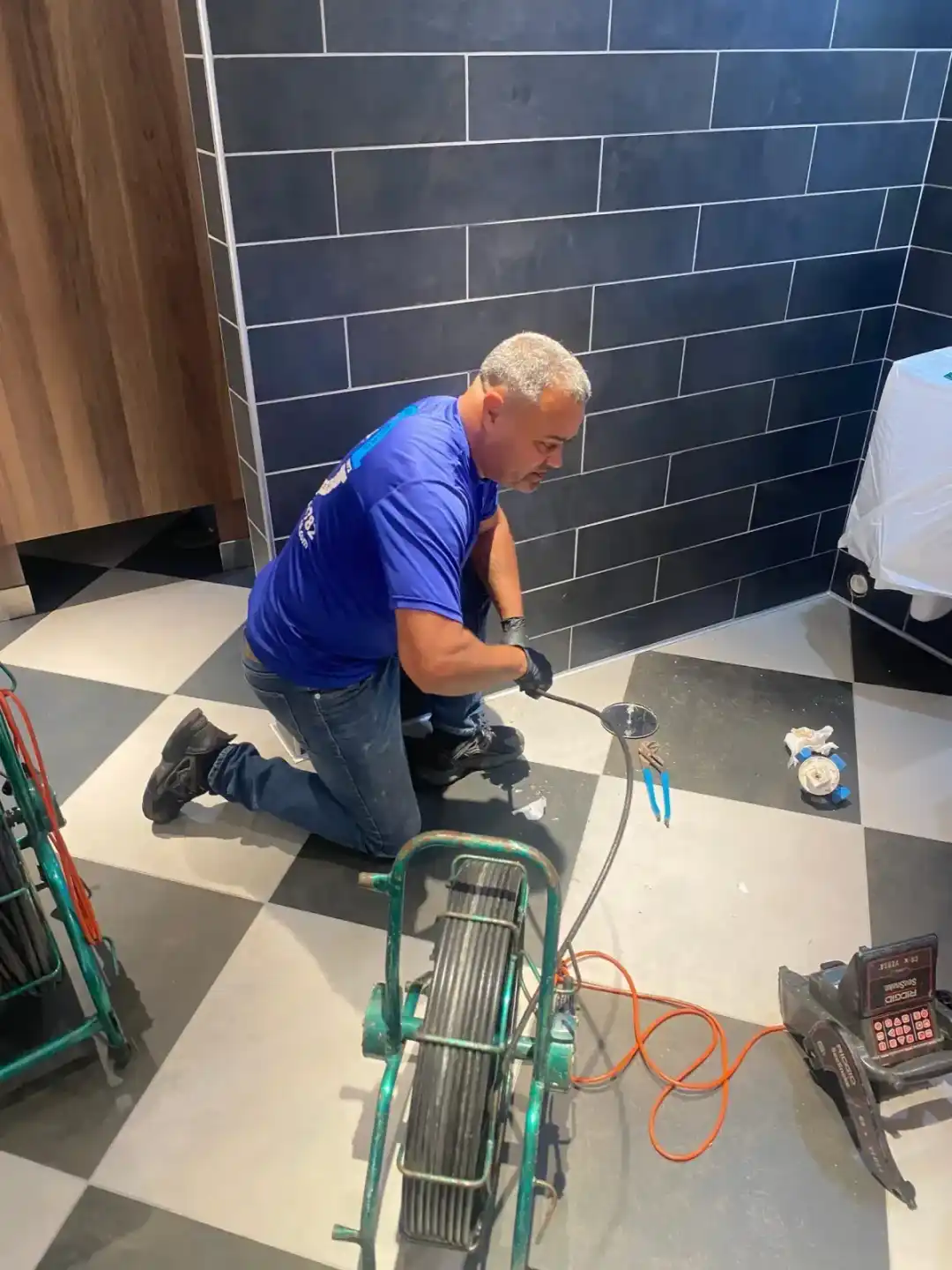 Storm-season plumbing problems are easier to manage when you already know the property’s weak points and who handles the follow-up.
The wet-season checklist should include:
- Confirm the shutoff plan. Know who has access, where the main shutoff is, and whether the tenant knows when to call instead of experimenting.
- Check exterior vulnerability points. Make sure cleanouts are sealed and visible trouble spots are documented before a storm hits.
- Review drain history. If a unit already has slow drains, recurring odors, or an older cast-iron profile, do not wait for the first tropical downpour to decide whether the line needs professional attention.
- Reinspect after major storms. Pay attention to drain odor, gurgling, slow fixtures, cloudy water, or anything that suggests the property is reacting differently than usual.
This is also the time to be disciplined about documentation. If a storm changes pressure, introduces water intrusion, or triggers a tenant complaint, photos and notes taken the same day are more useful than a reconstruction a week later.
When a tenant report becomes a same-day plumbing call
Not every complaint needs an emergency dispatch. Some absolutely do.
Hernandez Plumbing's emergency plumbing page treats burst pipes, sewage backups, major water leaks, complete loss of water, and flooding as true emergencies. The same page says the company typically responds within 30 to 60 minutes in its service area and can provide documentation that supports insurance claims. That is the line between a calendar item and a same-day call.
Use this rule set:
- Same-day or emergency call: active water damage, sewage backup, flooding, no water, a leaking water heater, or a drain problem that is affecting multiple fixtures
- Prompt but scheduled call: recurring slow drains, a toilet that keeps refilling, corrosion around shutoffs, weak hot water, or a problem that keeps returning between tenant visits
- Calendar follow-up: annual service, preventive drain cleaning, and record updates after a completed repair
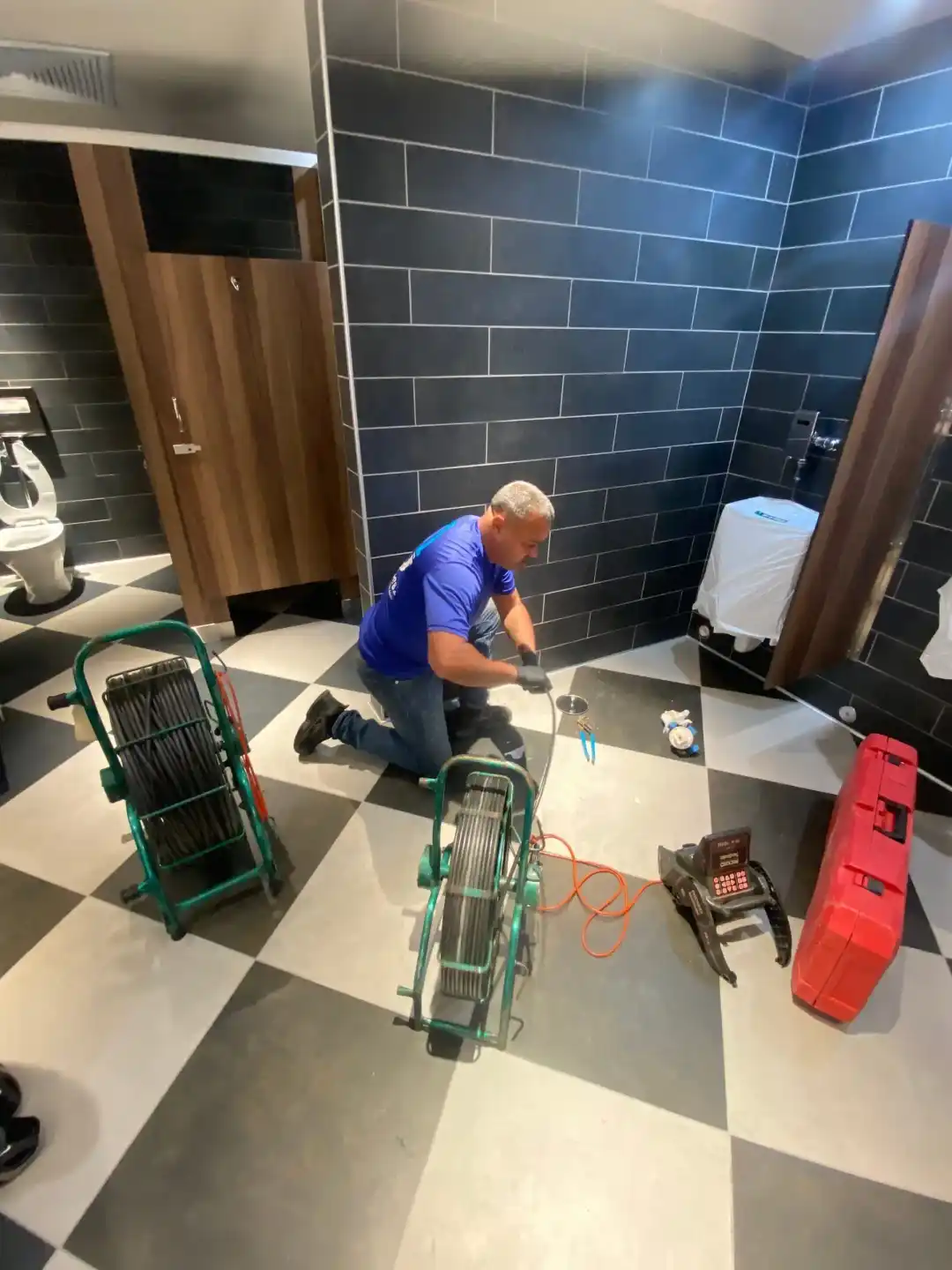 A good maintenance calendar lowers the number of surprises, but it also makes the urgent calls easier to recognize when they do happen.
For larger buildings, mixed-use properties, or tenant spaces with narrow access windows, the scheduling detail matters almost as much as the plumbing symptom. Hernandez Plumbing's commercial pages say the team can work around business hours and coordinate after-hours commercial work. If the property requires quiet access, loading-dock coordination, or building approval, build that into the vendor plan before the tenant is already angry.
When Hernandez Plumbing is worth adding to your vendor bench
Hernandez Plumbing is worth adding to your vendor bench when the property has moved beyond occasional one-off fixes and into repeat operational plumbing work.
That usually looks like one of four situations:
- you manage multiple units and want one vendor who already understands access, billing, and recurring service
- the building has older drains, repeat clogs, or water-heater maintenance that should be scheduled instead of improvised
- you need a plumber who can handle same-day problems and provide documentation when damage or insurance questions follow
- the property type is commercial, mixed-use, or manager-heavy enough that after-hours work and maintenance contracts actually matter
If that sounds like your portfolio, the clearest starting point is Hernandez Plumbing's commercial plumbing repair page, then the matching service pages for drain cleaning, water heaters, and emergencies based on the issue you are planning around.
The value of a landlord maintenance calendar is not that it creates more work. It is that it helps you do the work earlier, document it better, and save the true emergencies for the moments that really deserve them.
This article is for general education only and is not legal, insurance, or code advice. Property conditions and response priorities vary by building and tenant situation, so confirm the next step with the official Hernandez Plumbing site and current local guidance before you rely on it.
Need Professional Help?
Our licensed plumbers are ready to help with your plumbing repair needs.