Miami-Dade Backflow Testing Checklist for Property Managers
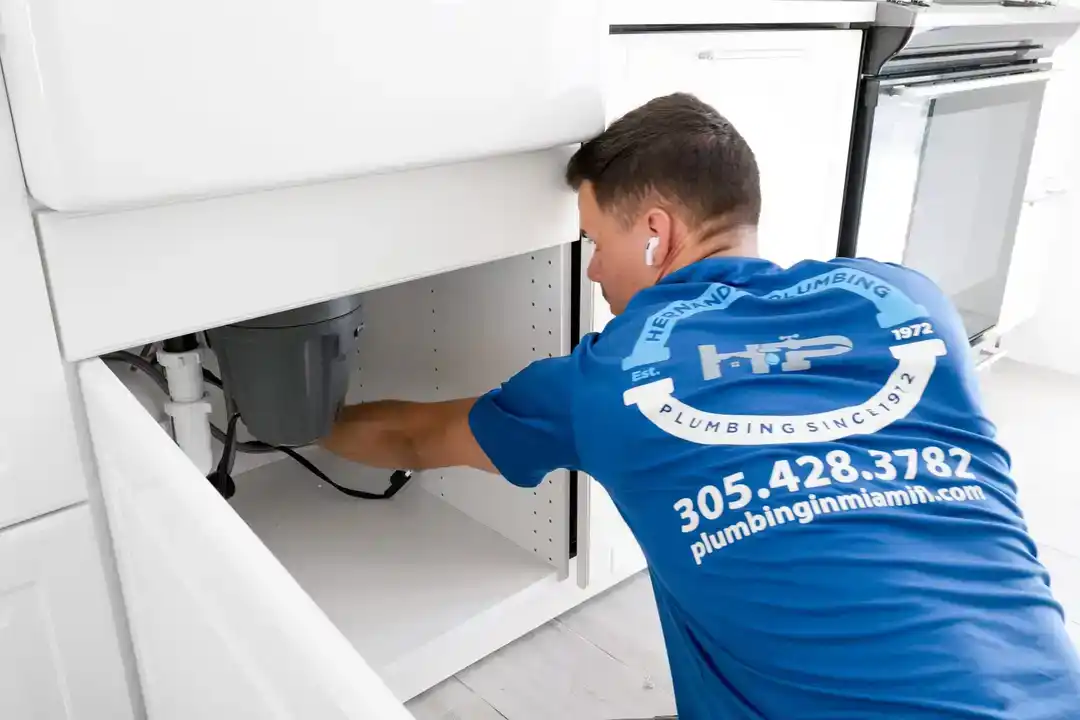
For most properties, the hard part is not the 15 to 30 minute test itself. It is having the right assembly, records, access, and approval chain ready before the technician arrives.
Miami-Dade Backflow Testing Checklist for Property Managers
Introduction
If you manage a condo association, restaurant, office building, mixed-use property, or small portfolio of rentals, a repeatable Miami-Dade backflow testing checklist can save you from the usual last-minute scramble: missing paperwork, locked valve rooms, no repair approval on file, and a tester standing on-site with incomplete information.
This guide is built for property managers, HOA boards, and commercial owners who need an operational plan rather than a generic plumbing definition. It focuses on what to gather before the appointment, what a certified tester is actually checking, what commonly causes delays, and what changes when a device fails. For service-specific scheduling, Hernandez Plumbing's backflow testing page and commercial backflow page for North Miami explain the company's scope, filing workflow, and repair options.
Backflow rules can vary by utility, device type, and hazard level. Use this article as planning guidance, then confirm your exact local requirements with your serving water utility or the relevant public-water authority before you treat any deadline as final.
What backflow is and why Miami-Dade properties get flagged
The Florida Department of Environmental Protection defines a cross-connection as any temporary or permanent connection between a potable water system and a source containing nonpotable water or other substances. Backflow is the unwanted reversal of flow through that connection and into the drinking-water piping.
That sounds abstract until you translate it into property-management terms. The Miami-Dade Cross-Connection Control and Backflow Prevention page gives common examples that are much more practical:
- Irrigation systems
- Boilers and mechanical equipment
- Kitchen sprayers in dirty sink water
- Garden hoses left in buckets or tanks
- Other equipment connected to both potable and nonpotable sources
For a property manager, the key takeaway is simple: the risk is not only a "bad valve." It is any setup where contaminated water could be pulled or pushed backward when pressure changes. Florida DEP explains that backflow can happen through backpressure or backsiphonage, including moments when the supply side loses pressure during a main break, firefighting, or another heavy-demand event.
That is why backflow work sits closer to compliance than to ordinary fixture maintenance. You are protecting drinkable water, not just keeping a line flowing.
Who usually needs a backflow test in Miami-Dade
Not every property has the same exposure, and not every assembly is there for the same reason. Florida DEP says water suppliers should ensure proper backflow protection at significant-hazard service connections, especially for irrigation systems, dedicated fire protection, auxiliary or reclaimed water systems, industrial or medical facilities, and tall buildings.
That broad state guidance turns into a more recognizable Miami-Dade list on the ground:
- HOAs and condo communities with irrigation, shared domestic water, pools, or common mechanical areas
- Restaurants and retail centers with kitchens, hose connections, grease-related washdown activity, or multiple tenant suites
- Office and mixed-use buildings with booster systems, rooftop equipment, and maintenance rooms that non-plumbing staff rarely inspect
- Commercial sites with multiple assemblies for irrigation, domestic service, or fire-related plumbing branches
- Single-family or small residential properties that added irrigation, a pool, or other equipment requiring a tested device
Hernandez Plumbing's residential page positions testing for homes, condos, apartments, and townhomes; its commercial page positions the same work for offices, restaurants, retail, hotels, warehouses, and other high-use sites. That split is useful because the operations problems are different. A single-family home usually needs one device, quick site access, and a clean filing trail. A commercial or HOA property may need multiple device records, engineering access, board approval for repairs, and communication with on-site staff in advance.
It also helps to separate occupancy from responsibility. A condo unit owner, small retail tenant, or office manager may notice the problem first, but the actual assembly, report history, and utility relationship may belong to an association, landlord, or master owner. Confirm that chain before you book the appointment. It is one of the simplest ways to avoid a wasted visit.
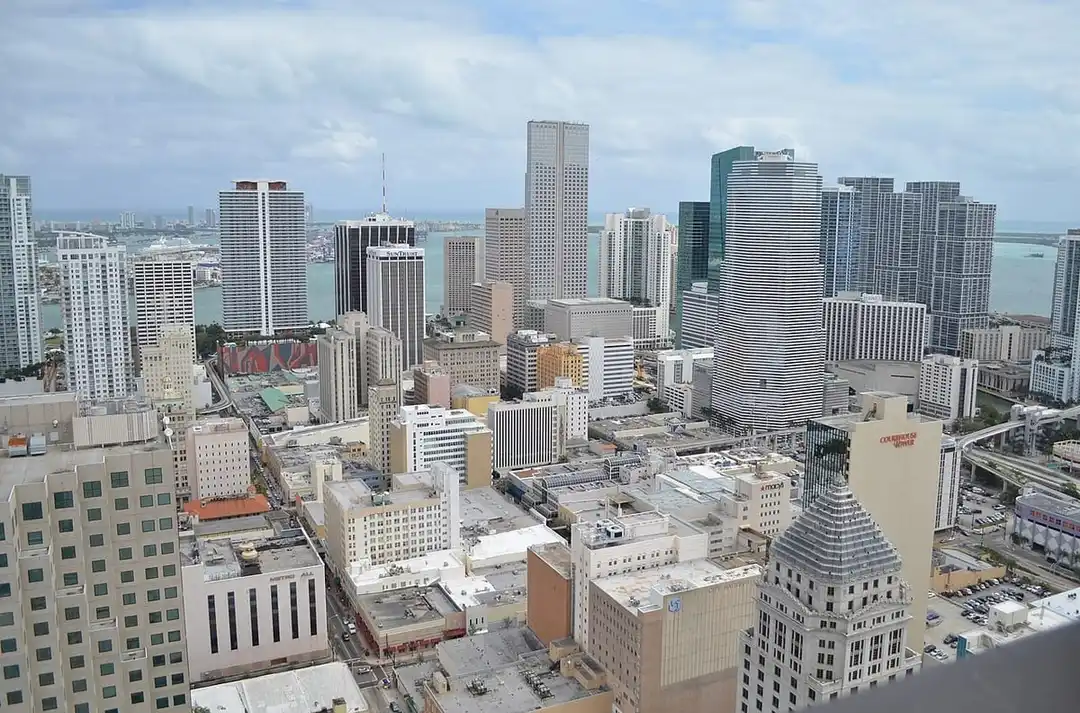 Dense Miami building stock means one missed access note or undocumented assembly can turn a simple compliance appointment into a multi-visit problem.
If you are unsure whether your property has a testable assembly, the fastest path is not guessing from memory. Pull the last certification record, walk the site, and compare the physical devices you can find against the address and device identifiers in your files.
What to gather before you schedule
This is the section that saves the most time. The test itself is usually the easy part. Hernandez Plumbing says most residential jobs take 15 to 30 minutes per device, while commercial properties with multiple assemblies take longer. What slows a visit down is poor preparation.
Before you call or confirm the appointment, assemble this packet:
-
Property address and site contact
- Include the person who can open locked rooms, gates, or irrigation enclosures.
- For condos or commercial buildings, identify whether engineering, security, or management needs to be present.
-
Device count and location notes
- Do not write "backflow at property" and stop there.
- Note whether assemblies serve irrigation, domestic, fire-adjacent, or other systems.
- Add plain-language landmarks: "garage mechanical room," "rear landscaping meter pit," "roof irrigation riser," and so on.
-
The most recent test report or certification
- Miami-Dade publishes an online option to submit backflow prevention assembly test reports through its Cross-Connection Control program.
- Keeping the last report on hand helps confirm device type, serial information, and prior failure history.
-
Any utility or city notice you received
- If the property got a due-date letter, failed-test notice, or correction request, send it before the appointment.
- That gives the tester and office staff a chance to confirm what the serving utility is asking for.
-
Repair authority
- Decide in advance who can approve a same-day repair if the device fails.
- Waiting three days for a board email or regional manager callback is one of the easiest ways to turn one visit into two.
-
Budget expectations
- Hernandez Plumbing's backflow page lists testing ranges by device type, with PVB, DCVA, and RPZ assemblies priced differently.
- Even if you do not want a quote yet, know whether you have room for a repair, replacement, or retest if needed.
-
Access and shutdown constraints
- Can the work happen during business hours?
- Does the tenant need notice?
- Will a maintenance window affect kitchens, irrigation, public restrooms, or other visible operations?
For larger sites, this is worth turning into a standing spreadsheet: address, device type, location, last test, utility notice date, approval contact, and outcome. Once you build it once, future renewals become a scheduling task instead of an archaeological dig.
For HOA boards and portfolio managers, build one tracker instead of one-off notes
This is where the checklist becomes a system. If you oversee more than one property, or even one association with several assemblies, keep a single tracker with a row for each device rather than a row for each building. That sounds picky, but it prevents a common management mistake: everyone remembers the property had "backflow done," but nobody can say which assembly passed, which one needed repair, and which one was retested later.
A useful tracker usually includes:
- property name and address,
- device type,
- exact location on site,
- service area served (irrigation, domestic, fire-adjacent, etc.),
- last pass date,
- last failure or repair date,
- copy location for the submitted report,
- next reminder date,
- and the person allowed to approve repair work.
That structure also helps when managers change, board members rotate off, or a maintenance supervisor leaves. The building keeps the history even if the personnel do not.
What the tester is checking on site
Florida DEP gives a helpful reminder that mechanical backflow preventers are not permanent "set it and forget it" devices. They contain seals, springs, and moving parts that can foul, wear out, fatigue, or get bypassed. That is the practical reason periodic testing exists.
On-site, the workflow is usually a mix of identification, condition, and functional testing:
- Confirm the device type and whether it matches the hazard it is protecting against
- Inspect shutoff valves, test cocks, and visible condition
- Run the appropriate test procedure with calibrated gauges
- Document whether the device passes, fails, or needs repair before certification
- Prepare or submit the paperwork expected by the serving utility
The device categories Florida DEP describes line up closely with Hernandez Plumbing's service-page explanations:
| Device type | Florida DEP / water-system role | Hernandez Plumbing page positions it for |
|---|---|---|
| RP / RPZ | Higher protection; effective against backpressure and backsiphonage | High-hazard connections such as irrigation with fertilizer injection |
| PVB | Effective against backsiphonage only | Residential irrigation and similar outdoor applications |
| DC / DCVA | Used for lower-hazard situations | Fire sprinkler and low-hazard commercial connections |
That matters for managers because "the device is there" is not the same as "the right device is there." A property that changed use, added irrigation, renovated tenant spaces, or modified service lines may need more than a routine pass/fail conversation.
If your site has multiple assemblies, expect the visit to feel more like an audit than a quick residential stop. Commercial properties often need a device-by-device record, especially when one site mixes landscape irrigation, public restrooms, kitchens, and domestic water service.
What a complete property file should contain after every visit
Do not stop at "passed" or "failed." After the appointment, save a full package:
- the signed test report,
- device identifier or serial information,
- any repair notes,
- replacement recommendations if the device is aging out,
- photos or location notes that make the assembly easier to find next time,
- and the email or portal confirmation showing the paperwork was submitted.
This matters most for associations and commercial owners because staff turnover is normal. A good file lets the next manager, engineer, or board member understand the assembly history in minutes instead of recreating it from invoices.
Common reasons a device fails or a visit gets delayed
Some failures are mechanical. Some are administrative. Both matter.
The obvious issue is a device that simply does not pass testing and needs repair or replacement before it can be certified. Hernandez Plumbing's pages say the company handles testing, repair, and replacement, which is useful because it shortens the handoff if the first visit uncovers a problem.
Just as often, though, appointments get delayed by preventable site issues:
- No access to the assembly because the room, gate, cage, or meter area is locked
- No one knows which device serves what on a multi-tenant or HOA property
- The wrong approval chain is in place, so same-day repairs cannot be authorized
- A utility notice or prior report is missing, forcing extra confirmation work
- The assembly is buried, obstructed, or visually compromised and cannot be tested efficiently
- The site changed after irrigation, pool, or tenant-improvement work, but records were never updated
For property managers, the expensive mistake is treating a failed visit like a plumbing fluke. Most of the time it is a process problem that will repeat next year unless someone standardizes the property file.
This is also where broad, generic backflow articles stop being useful. The real-world question is not "What is backflow?" It is "Can my team get the correct person, records, and authority lined up so a tester can actually finish the job in one cycle?"
Another practical point: if a site already has a history of failed assemblies, do not wait until the due-date notice to start the process. Older devices, properties with irrigation changes, and buildings that have had repeated shutoff-valve issues are better handled with extra lead time. Even when a repair is straightforward, the real delay is often waiting for approval, scheduling access, or getting the retest window back on the calendar.
What happens after the test
There are really only two pathways.
If the device passes, your main job is recordkeeping:
- Keep the report or certification copy in a property file
- Save it in the building, HOA, or portfolio tracker
- Note the next expected follow-up window
- Share the outcome with the board, owner, or facility lead if they monitor compliance items
Hernandez Plumbing says it handles paperwork submission to the water utility and promotes same-day digital filing on its backflow pages. That can be a real operational advantage for managers who do not want a completed field visit sitting unsubmitted in someone's inbox.
If the device fails, move quickly but calmly:
- Confirm whether the failure can be repaired immediately.
- Get written repair or replacement pricing if same-day work is not approved.
- Clarify whether the site needs a retest after repair before it can be certified.
- Save all job notes with the failed report, not in a separate email thread that disappears next month.
Hernandez Plumbing's pricing language also gives managers a useful expectation: the company lists basic testing ranges separately from repair and replacement ranges, and notes that failed devices may need either on-the-spot repair or a replacement plan. The important operational move is not memorizing the numbers. It is having authority in place so the job does not stall.
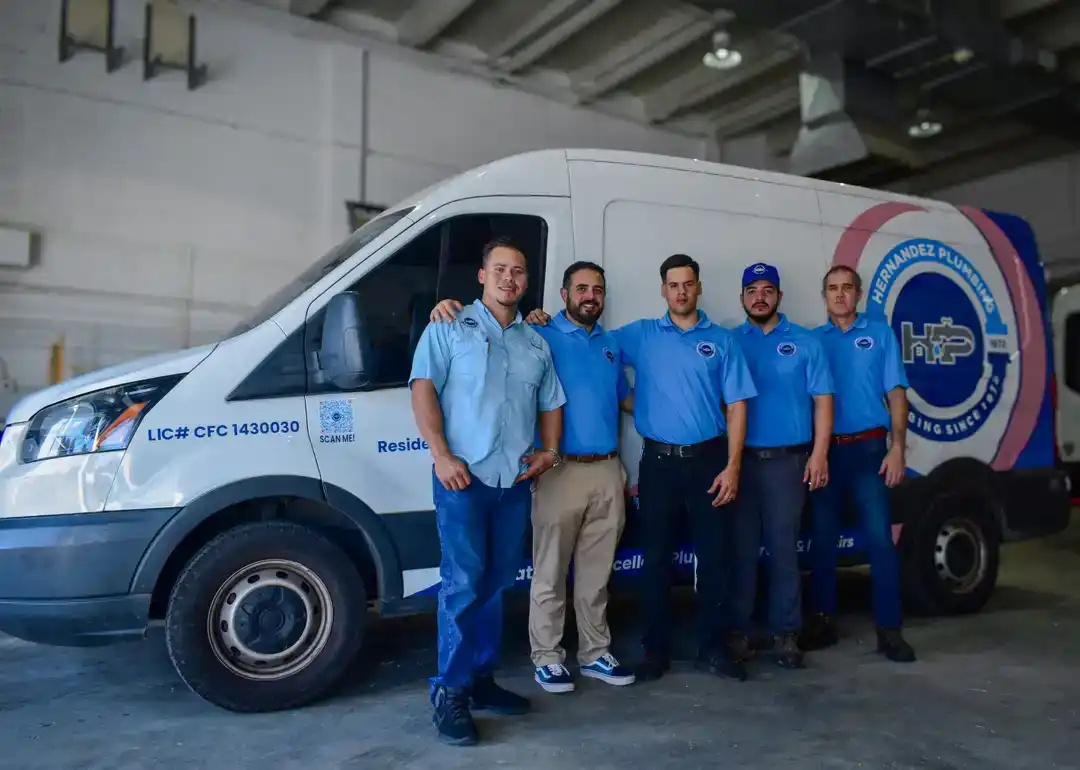 For multi-device sites, a fast repair-plus-retest workflow often matters more than shaving a small amount off the first testing invoice.
When Hernandez Plumbing is worth calling
Not every property needs the same level of coordination. A single irrigation assembly at a small residence is one kind of appointment. A portfolio of commercial or HOA sites with multiple assemblies, access constraints, and approval chains is another.
Hernandez Plumbing is a logical fit when you need more than a one-off test:
- You manage multiple addresses and want one vendor that already handles testing, repair, replacement, and filing
- Your property falls into the commercial or HOA bucket, where device counts and site logistics are more complex
- You want a team already publishing dedicated commercial backflow service information for North Miami instead of treating the job like an add-on
- You need a direct path from failed test to repair or certification follow-up service
- You want scheduling and contact handled through one visible contact page
If the job is simple, that may just mean a faster appointment. If the job is messy, it means fewer handoffs and less time spent explaining the property from scratch to a second contractor.
For managers who want one practical rule to keep: treat backflow testing like a recurring building-system workflow, not a last-minute notice response. The properties that stay organized are usually the ones that already know where the devices are, who approves repairs, and where last year's paperwork lives.
Utility rules, hazard classifications, and filing details can change. Use this article as educational guidance only, and confirm current requirements with your serving water utility and licensed plumbing professional before you rely on it for compliance decisions.