Low Water Pressure in Miami Homes: What It Can Mean and When to Call a Plumber
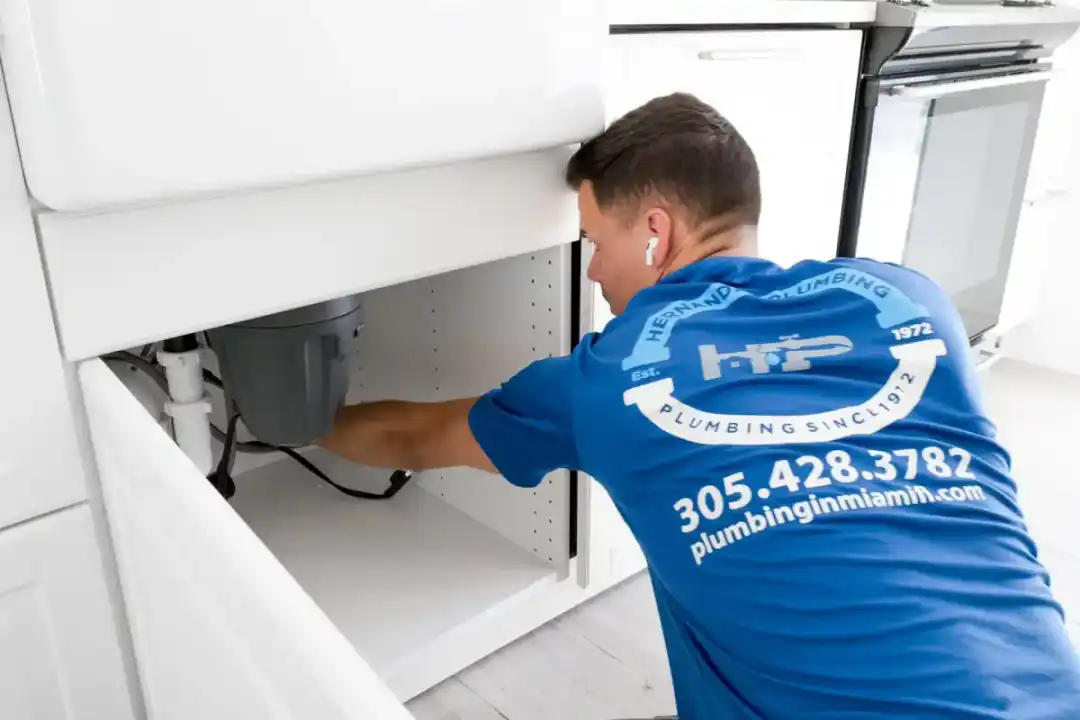
Low Water Pressure in Miami Homes: What It Can Mean and When to Call a Plumber
Weak water flow rarely stays a "small annoyance" for long. In South Florida homes, low pressure can start at one showerhead or point to a bigger supply-line problem that needs testing.
Why low water pressure is hard to pin down
Low water pressure is one of those plumbing problems that frustrates people precisely because it feels vague. One day your shower feels weaker than usual. Then the kitchen sink takes longer to fill a pot. Then someone flushes a toilet and the whole house seems to lose momentum. At that point, most homeowners are asking the same question: is this just a clogged fixture, or is something bigger going wrong?
In Miami-Dade homes, that question matters. Older galvanized lines, pinhole leaks, pressure-reducing valves, mineral buildup at fixtures, and even utility-side fluctuations can all affect water flow. Hernandez Plumbing's low water pressure service page and water line services hub frame the same core issue: weak pressure is a symptom, not a diagnosis.
This guide shows you how to separate single-fixture nuisance problems from whole-house warning signs, what you can safely check on your own, and when low pressure crosses the line into leak detection, water-line repair, or repiping territory. For general service-pressure guidance, the EPA WaterSense home maintenance guide says most homes perform best when incoming service pressure is between 45 and 60 psi.
Is the pressure problem limited to one fixture or the whole house?
Before you assume the worst, start with the most useful distinction you can make: is the weak flow isolated, or is it showing up everywhere? That one answer changes the troubleshooting path.
Signs the problem may be limited to one fixture
If pressure feels weak at one sink, one shower, or one faucet, but the rest of the house seems normal, the issue is often local to that fixture or branch line. Common examples include:
- A clogged faucet aerator
- Mineral buildup in a showerhead
- A partially closed stop valve under a sink or behind a toilet
- A cartridge issue affecting hot or cold flow on one fixture
- Sediment-related restriction affecting one appliance or one water heater connection
That does not mean the fix is always DIY, but it usually means you should inspect that fixture before worrying about your entire main water service line.
Signs the problem is more likely system-wide
If pressure drops in multiple fixtures, on multiple floors, or gets dramatically worse when more than one water outlet is running, you are probably dealing with a broader supply issue. Hernandez Plumbing's plumbing repair page lists low water pressure alongside pipe restrictions, hidden leaks, and pressure-regulator issues for exactly this reason.
System-wide clues include:
- Both hot and cold sides feel weak
- Outdoor hose bib flow seems low too
- Pressure used to be stronger and has gradually declined
- Several fixtures weaken at once when a shower, washer, or irrigation zone runs
- You also have rusty or discolored water, recurring leaks, or old galvanized piping
A simple way to think about it:
| What you notice | More likely bucket | What that usually means next |
|---|---|---|
| One faucet or shower is weak | Fixture-specific issue | Clean or inspect the affected fixture first |
| Pressure drops all over the house | Whole-house issue | Check meter, pressure, valves, and line condition |
| Hot side only is weak | Water-heater branch or fixture-side issue | Compare hot vs. cold before touching the PRV |
| Pressure dropped gradually over time | Restriction or aging supply lines | Corrosion, scale, or partial valve closure becomes more likely |
| Pressure dropped suddenly | Leak, valve issue, utility event, or failed PRV | Use the meter and pressure-gauge checks before guessing |
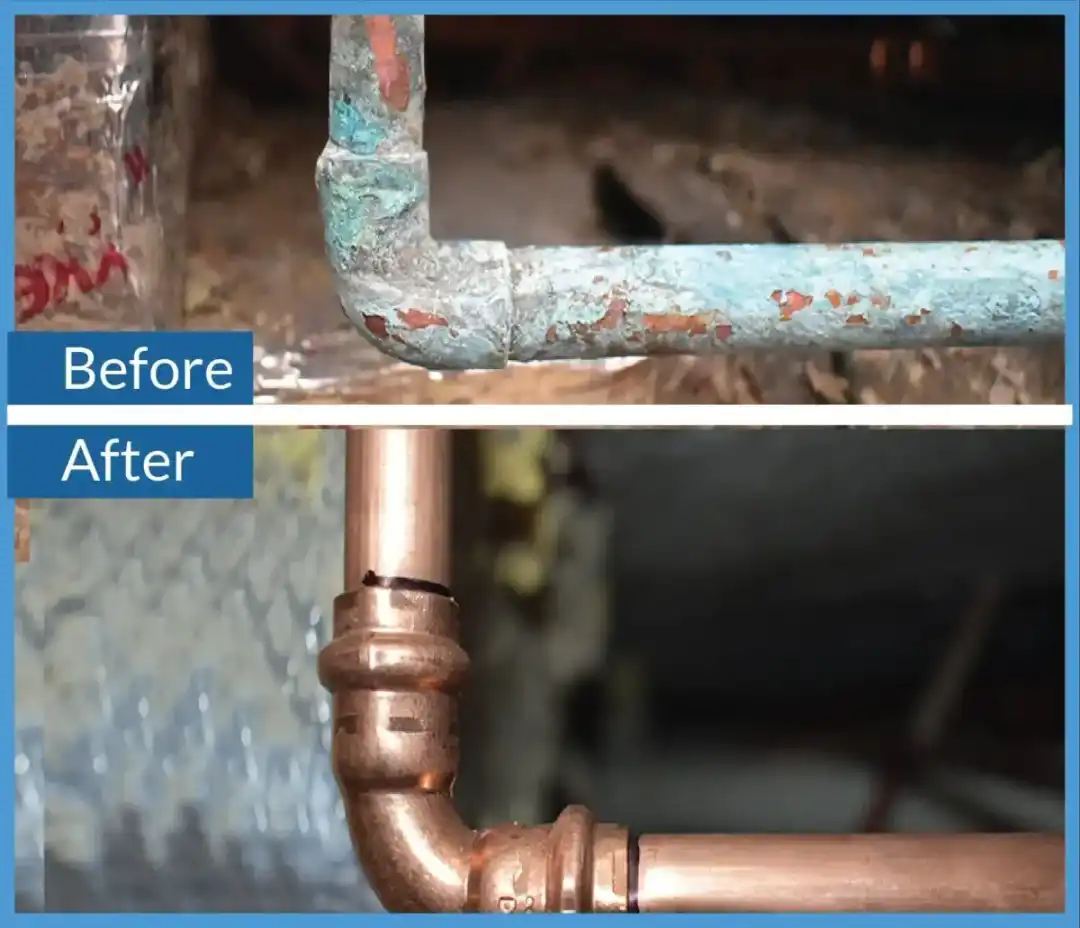 System-wide pressure loss is rarely about one faucet alone. When the main service line, buried connections, or whole-house controls are involved, the repair path changes fast.
Common reasons Miami-area homes lose water pressure
The trick with low pressure is that several causes can feel the same from inside the house. The faucet just feels weak. The shower just feels disappointing. But the plumbing story behind that symptom can be very different.
1. Corroded or restricted supply lines
Hernandez Plumbing's water-line and repiping pages repeatedly connect low pressure throughout the house with corroded pipes, especially older galvanized lines. The company's article on seven signs of corrosion in plumbing pipes lists low water pressure as one of the warning signs that pipes may be deteriorating from the inside.
That pattern matters in older South Florida housing stock. When corrosion or scale builds inside supply lines, the inside diameter shrinks. The pressure number at one point in the system may not tell the whole story, because what homeowners often experience is really a flow problem created by restriction.
Practical signs of this category include:
- Gradual decline over months or years
- Rusty or discolored water at multiple fixtures
- Multiple small leaks or past leak repairs
- Stronger pressure in some rooms than others
- Old galvanized piping that has never been replaced
2. Pressure-regulator problems
The EPA says homes often have a pressure-regulating valve (PRV) to keep incoming service pressure in the ideal range. Hernandez Plumbing also lists PRV service on its water-line page. A failing or misadjusted regulator can make pressure too low, too high, or inconsistent.
This is where homeowners often get tripped up: they hear "pressure issue" and assume turning a screw on the regulator will solve everything. Sometimes it does not. If the real problem is internal corrosion, an underground leak, or a partially closed valve, tweaking the PRV can waste time or make the symptom harder to read.
3. Hidden leaks in the water line or supply system
A leak does not need to create visible flooding to affect your plumbing. Hernandez Plumbing's leak detection page lists low pressure, unexplained high bills, sounds of running water, wet spots, and moldy odors as classic signs of hidden leaks. Miami-Dade Water and Sewer makes the same point in public guidance: many leaks go unnoticed because they are underground or concealed.
This is the category people regret waiting on. A small buried or wall-contained leak can keep stealing flow and quietly push the water bill higher while you spend weeks assuming the showerhead is the issue.
4. Partially closed or failing valves
A main shutoff or fixture stop valve that is not fully open can mimic bigger plumbing trouble. So can older gate valves that look open but are not actually letting water pass cleanly. This is one reason plumbers do not skip the boring checks just because the house feels like it has a dramatic problem.
5. Utility-side or neighborhood supply events
Not every pressure complaint begins inside the house. Hernandez Plumbing's water-line FAQ explicitly mentions municipal supply issues as one possible cause. If the problem started right after nearby utility work, a neighborhood shutoff, or a documented service interruption, that changes the sequence: verify whether neighbors are seeing the same issue before you jump straight to repiping conclusions.
What you can check safely before calling a plumber
Homeowners do not need to diagnose the entire system before asking for help, but a few disciplined checks can save time and help you describe the problem accurately.
Compare one fixture against the rest of the house
Start simple:
- Run cold water at one sink.
- Run cold water at a second sink.
- Check a shower.
- Check an outdoor spigot or hose bib if you have one.
If only one fixture feels weak, stay local. If the whole house feels underpowered, widen your suspicion.
Compare hot and cold
If cold pressure feels normal but hot water flow is weaker, you may be looking at a water-heater-side issue, a localized branch problem, or scale at a fixture. If both sides feel weak, whole-house supply issues become more plausible.
Inspect the obvious restriction points
Safe homeowner checks usually include:
- Cleaning a faucet aerator
- Checking whether a shutoff valve is partly closed
- Looking for visible drips, stains, or moisture under sinks
- Checking whether the issue appears only after multiple fixtures run at once
The EPA also recommends checking fixtures periodically for scale or calcium buildup that may restrict flow. That is a useful reminder because not every low-pressure complaint needs excavation-level thinking.
Use the meter test before guessing about hidden leaks
If you suspect a leak, use the meter rather than your intuition alone. EPA WaterSense recommends reading the water meter during a no-use period and then checking it again two hours later. If the reading changes, you probably have a leak. Miami-Dade's meter guide says the meter is typically in the front yard near the street or sidewalk, and a substantially higher reading than expected can point to water loss.
That same Miami-Dade guidance is useful for another reason: it keeps low-pressure troubleshooting from turning into pure guesswork. If the meter is moving when nothing is running, you have a stronger case for leak detection than for randomly replacing fixtures.
Check service pressure with a hose-bibb gauge
The EPA says you can test your home's service pressure with a simple gauge at a hose bibb, with other water-using fixtures turned off. If pressure is much lower than 45 psi, EPA says you may need to find and fix a leak. If it is much higher, professional PRV adjustment or installation may make sense.
The key word is professional. If you are not already comfortable identifying the correct valve, understanding the reading, and separating flow restriction from pressure loss, avoid turning this into an experiment.
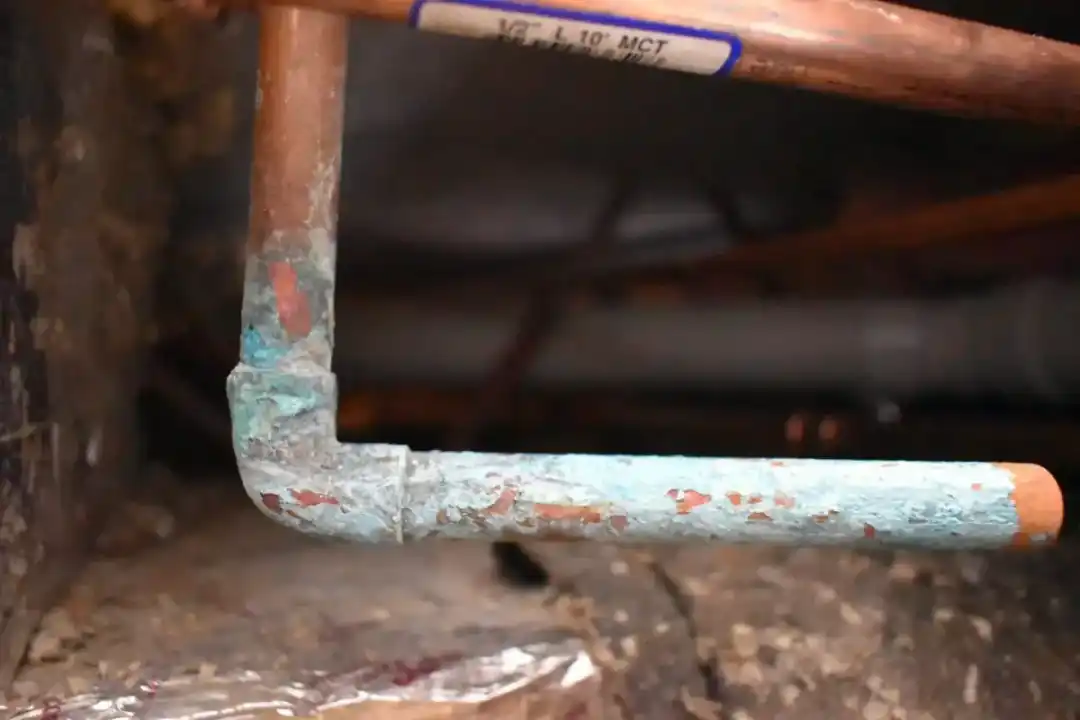 Low pressure that develops slowly often comes with another clue somewhere else in the system: corrosion, staining, repeated leaks, or discolored water.
When low pressure can signal a leak or failing water line
Low pressure deserves faster action when it arrives with other symptoms. On Hernandez Plumbing's own service pages, the strongest escalation signals are not subtle:
- Unexplained high water bills
- Wet spots in the yard
- Rusty or discolored water
- Multiple leak repairs over time
- Old galvanized pipes
- Mold smell, stains, or damp patches
- Pressure loss throughout the house, not just one fixture
If that list sounds familiar, you are no longer in "replace the showerhead and see what happens" territory.
What the likely next step usually costs on Hernandez Plumbing's site
These are published site ranges, not universal prices. They are useful for planning, but readers should confirm current numbers on the official site or in a written estimate.
| Possible next step | Published range on site | Source context |
|---|---|---|
| Leak detection | $150-$450 | Standard detection pricing on the leak-detection page |
| Water line repair | $200-$1,500 | Repair range on the water-line page |
| Full water line replacement | $2,000-$6,000 | Typical replacement range on the water-line page |
| Whole-house PEX repiping | $5,000-$10,000 | Average-home range on the repiping page |
| Whole-house copper repiping | $8,000-$15,000+ | Average-home range on the repiping page |
Those ranges matter because they help you choose the right conversation. If the evidence points to a concealed leak, leak detection is a logical first call. If the whole house has old galvanized piping, rusty water, and recurring repairs, a repiping discussion may be more honest than another short-term patch.
What a plumber may test next
A licensed plumber is not just looking at one weak shower. They are trying to isolate where the loss is happening.
A real diagnostic sequence may include:
- Pressure testing at the hose bibb or other service points
- Comparing hot-side and cold-side behavior
- Confirming whether valves are fully open and functioning correctly
- Evaluating whether the PRV is part of the problem
- Checking for line restriction, corrosion, or undersized supply sections
- Using acoustic or electronic methods if a hidden leak is suspected
- Discussing whether repeated repair history makes water-line replacement or repiping the better long-term move
Hernandez Plumbing's service hierarchy reflects that ladder clearly: plumbing repair for broad diagnosis, water lines when the supply side looks compromised, and leak detection when the symptoms point to concealed water loss.
One detail real homeowners often miss is the difference between pressure and delivery. A house can have an acceptable upstream pressure reading and still feel weak at fixtures because internal corrosion or line restrictions are choking the volume you actually receive. That is why repeated low-pressure complaints with rusty water or aging galvanized lines deserve a broader system conversation.
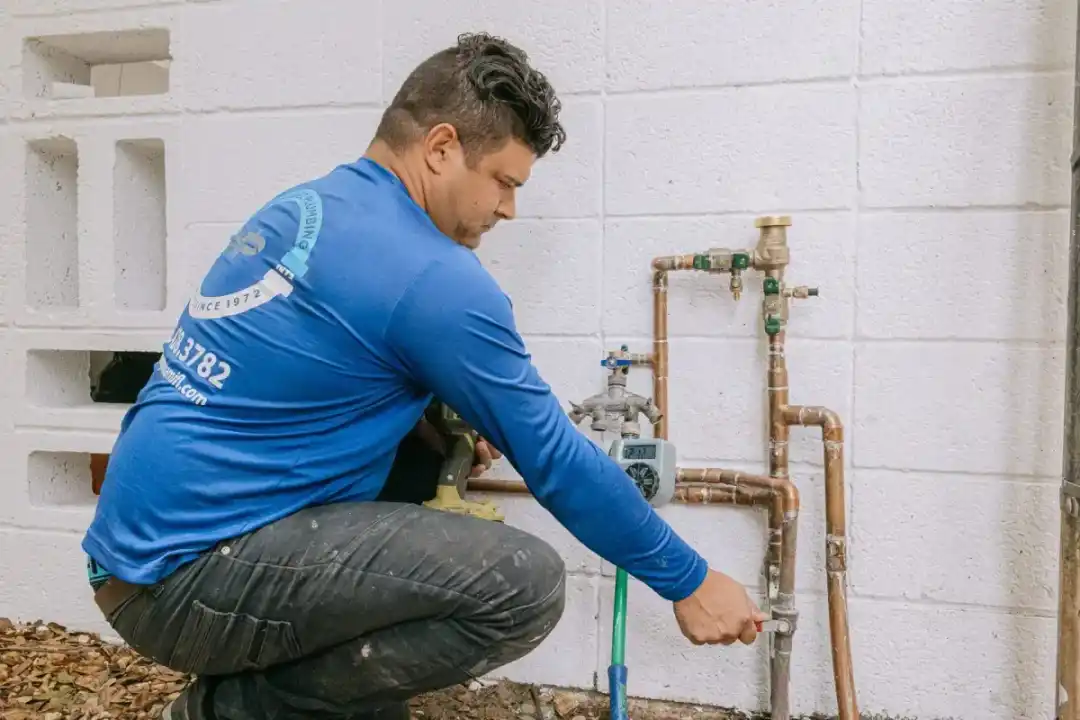 The goal is not just to "get more pressure back." It is to identify whether you need a fixture fix, a regulator adjustment, leak detection, line repair, or a bigger replacement plan.
When to call Hernandez Plumbing Co.
Call a plumber sooner rather than later if any of the following are true:
- Pressure is weak across the entire house
- You hear running water when nothing is on
- The water bill jumped without a clear reason
- The yard has soggy spots near the supply line route
- Water is rusty or discolored at multiple fixtures
- The home still has galvanized piping or a history of repeated supply-side leaks
- You are tempted to keep adjusting valves without knowing what they control
If you are already beyond the one-fixture stage, it makes more sense to start with Hernandez Plumbing's low-water-pressure, water-line, or leak-detection service pages than to keep treating the symptom as a hardware-store problem. The right next step depends on what testing reveals, not on whichever theory sounds most plausible during a frustrating shower.
Low water pressure is not legal or engineering advice, and conditions vary by property, piping material, and utility service. Confirm current pricing, service details, and diagnosis with the official site before authorizing work.