Hydro Jetting vs. Snaking a Drain in Miami: Which Option Fits Your Clog?

Introduction
South Florida’s mix of older homes, heavy rain, and busy kitchens makes drain problems common—choosing the right clearing method matters.
If you have ever stood over a slow tub drain or listened to a toilet gurgle after the washing machine runs, you already know how fast a “small” plumbing issue can turn into a stressful day. In Miami-Dade, two professional approaches come up constantly: drain snaking (cabling) and hydro jetting (high-pressure water cleaning). They are not interchangeable, and the right choice depends on what is happening inside your pipes—not just how annoyed you are with the clog.
This guide explains how each method works, how they compare on cost and durability, and what matters most in South Florida homes (grease, roots, cast iron, and shared building drains). For service-specific details and scheduling, start with the company’s drain cleaning overview and hydro jetting hub. For the main Miami plumber landing and brand overview, use the homepage. If you need help right away, call 305-428-3782.
What drain snaking does well (and where it falls short)
Snaking uses a flexible metal cable—often called an auger—with a cutting or grabbing head. A technician feeds the cable through the drain line to punch through the blockage, break up compacted material, and sometimes hook debris so it can be pulled back.
For many routine clogs, snaking is the fastest path back to normal life:
- Kitchen and bathroom branch lines where the problem is localized hair, soap scum, or light grease.
- A single fixture when other drains in the home still behave normally.
- Situations where you need a careful approach because piping condition is unknown and you want to avoid aggressive cleaning until a camera inspection clarifies risk.
Where snaking can fall short is when the issue is not only a “plug,” but sticky buildup on the pipe walls—especially grease that hardens in hot-climate kitchens, or fine sediment that keeps catching debris. In those cases, you might clear enough flow to get by while the walls remain coated. That pattern often shows up as repeat clogs a few weeks or months later.
Snaking also comes up when you need the least invasive first step: if you are not sure whether the problem is a simple trap clog or something deeper, a licensed plumber may still begin with cabling as part of a staged plan—especially when access points are tight or when you want to restore basic flow before scheduling a longer appointment.
Warning signs that often point to cabling-first jobs
Not every slow drain is a disaster. When symptoms are mild and isolated, technicians frequently start with cabling:
- A single sink or tub drains slowly while tubs and toilets elsewhere behave normally.
- You recently snaked the line but you suspect leftover debris near the trap or a short lateral segment.
- Noise is localized—gurgling only at one fixture rather than “whole-house” symptoms.
If those mild symptoms escalate—multiple fixtures, odors, or backups—treat it as a stronger signal that you need evaluation beyond a quick auger pass.
Hernandez Plumbing’s drain cleaning page contrasts methods and lists typical snaking price bands alongside hydro jetting for homeowners comparing options at a glance; figures appear in on-page comparison tables and FAQs and should be confirmed at booking time.
What hydro jetting is designed to solve
Hydro jetting sends high-pressure water through a specialized nozzle to scour the interior surface of the pipe. The goal is not merely to open a hole through the clog, but to strip away grease, scale, and sludge clinging to the walls—material cabling can leave behind.
That difference matters most when:
- You have recurring backups after previous cabling.
- You are dealing with grease-heavy lines (common in busy kitchens, including many Miami apartments and rentals).
- You need to address tree roots that have found a joint or crack and keep returning after temporary clearing.
- You want a longer interval between major cleanings on a line that is otherwise sound.
On Hernandez Plumbing’s hydro jetting page, the company describes equipment rated up to 4,000 PSI, emphasizes camera inspection as part of the workflow, and explains typical residential pricing bands in the FAQ. Treat dollar figures as starting points—final pricing should always come from an on-site assessment and the estimate you receive before work begins.
Commercial kitchens, rentals, and preventive cadence
You do not need to run a restaurant to experience “commercial-style” drain stress. Long-term rentals, in-law units, and busy multi-generational homes can put surprising volume through a kitchen line that was sized for a smaller household. When grease and starch ride the same line week after week, the failure mode is often gradual: a little slower each month until the line finally protests.
That is where hydro jetting is often discussed as a maintenance tool, not only an emergency rescue. The service positioning on Hernandez Plumbing’s pages references preventive maintenance programs for properties that cannot afford repeated backups—think food service, high-traffic rentals, and buildings where downtime is costly. Your technician should recommend a cadence based on inspection, not a calendar guessed from a blog.
If you manage a property, ask for clarity on access (cleanouts vs. roof vents), documentation (camera footage expectations), and what “clean” means after jetting—flow restored vs. a thorough scouring of the line. Clear expectations prevent mismatched assumptions between owners and tradespeople.
Side-by-side: hydro jetting vs. snaking
Use this as a decision framework, not a substitute for a licensed plumber’s diagnosis.
| Topic | Drain snaking | Hydro jetting |
|---|---|---|
| Primary goal | Open the line and restore flow | Clean pipe walls and flush deposits over longer segments |
| Best when | The clog is localized and straightforward | Buildup, grease, scale, or roots require thorough scouring |
| Time on site | Often quicker for simple branch-line clogs | Can take longer, especially for main lines and camera-verified work |
| Cost positioning | Lower typical entry range on the company’s comparison content | Higher typical entry range; often paired with inspection |
According to the marketing comparison on Hernandez Plumbing’s site, many homeowners will see snaking discussed in a roughly $150–$300 band for typical household situations, while hydro jetting is often discussed in a roughly $350–$600 residential band, depending on line length and access. Commercial scopes can differ. Confirm what you are being quoted for—branch line vs. main line, included inspection, and whether the job is preventive maintenance or emergency response.
If you are weighing options purely on monthly cash flow, snaking can look like the obvious win—until you count repeat visits, water damage risk from partial backups, and lost time. Jetting is not automatically “better”; it is more thorough when the failure mode is wall deposits or roots that cabling leaves behind. That tradeoff is why camera inspection is emphasized before turning high-pressure cleaning loose in an unknown line.
One practical takeaway: snaking is often the right first move when you need fast relief and the line is likely sound. Hydro jetting becomes the conversation when the problem keeps returning, when grease or roots are likely, or when camera inspection shows heavy wall deposits that cabling will not adequately remove.
If your home is on a septic system, the decision tree can differ from a municipal sewer connection; always disclose your setup when booking so the technician plans the right tools and access points. Septic and municipal maintenance rules are outside this article’s scope.
Finally, if you are comparing quotes between companies, ask each vendor what equipment class they plan to use and whether inspection footage is included—not every “jetting” appointment uses the same nozzles, hose sizing, or verification steps.
Questions worth asking before you choose a method
When you call for service, it helps to ask plain-language questions that reduce surprises:
- Where is the clog likely located—branch line vs. main—based on symptoms?
- Will the technician camera the line before jetting if pipe condition is uncertain?
- What are you quoting for—clearing only, inspection included, access from roof vent vs. cleanout?
- What happens if cabling opens flow but video shows heavy grease—do you recommend jetting the same day or scheduling it?
Those answers depend on your home; there is no universal script. For deeper education that walks through drain systems end-to-end, Hernandez Plumbing publishes a long-form guide on drain cleaning and sewer services.
Miami-Dade homes: roots, grease, and older pipe materials
South Florida’s conditions shape which failures show up first.
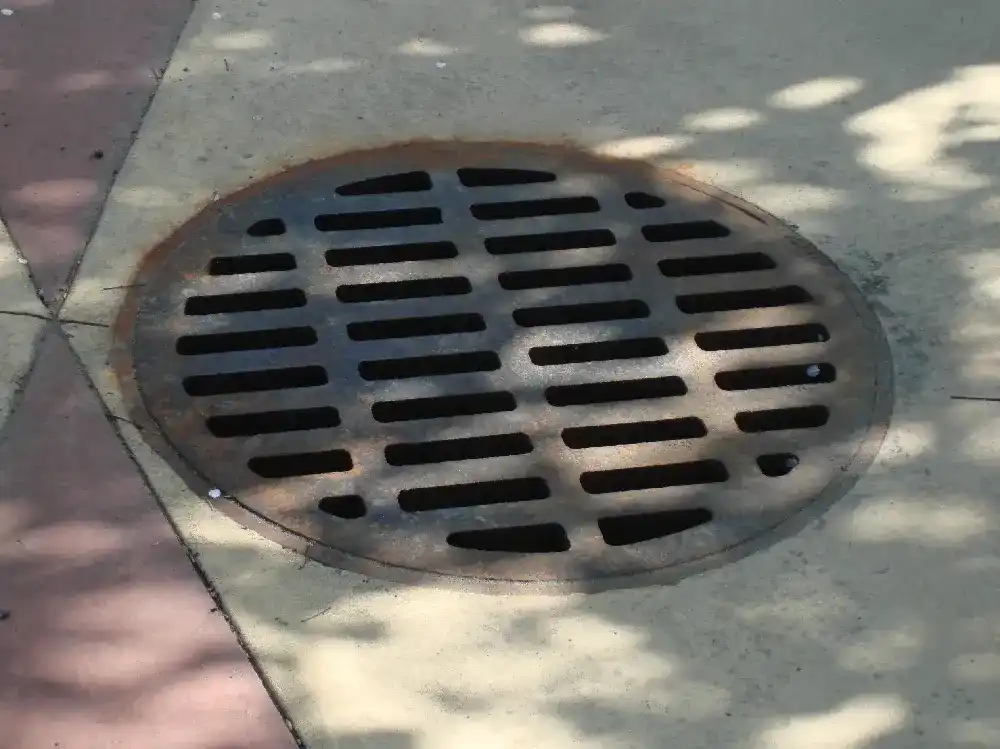 Heavy rain can stress exterior drainage and highlight main line problems that were easy to ignore in dry months.
Tree roots seek moisture and nutrients; a small opening at a joint can become a pathway into the sewer lateral. Cabling can punch a temporary hole through roots, but jetting is frequently highlighted as a more complete approach when roots are the recurring driver—paired with a plan for repairs if the line itself is damaged.
Grease is a Miami kitchen staple in the worst possible way for drains. Hot grease pours liquid, then firms up farther down the line. That process coats pipe walls and catches food particles until flow slows. If your home has multiple slow drains, do not assume every fixture needs a separate fix—the symptom pattern may point toward the main line.
Older materials still show up in long-established neighborhoods. Cast iron and older clay systems may still be serviceable, but they demand respect: aggressive cleaning without understanding pipe condition is risky. That is why reputable workflows emphasize camera inspection before high-pressure cleaning when there is any doubt.
Condos, townhomes, and single-family homes are different puzzles
In a single-family home, you usually control access to the main cleanout and have a clearer sense of whether problems track with one fixture or the whole house. In condos and townhomes, drains may involve shared stacks, association-maintained lines, or tight chase walls—symptoms can look like “your shower” when the issue is above or below you on the stack. That does not mean hydro jetting is automatically ruled out; it means coordination and clear ownership boundaries matter before aggressive cleaning.
Salt air, humidity, and corrosion talk
South Florida humidity does not “cause” drain clogs by itself, but it influences maintenance realities: exterior cleanouts corrode, lids stick, and hose bibs and irrigation timing can mask drainage problems until heavy rain exposes them. When your yard briefly ponds near the foundation after storms, note it—surface water patterns can interact with footer drains and landscape grading in ways that resemble plumbing failure even when the sewer line is sound.
If you suspect a hidden leak or mixed materials after remodeling, route questions through Hernandez Plumbing’s service hub at all plumbing services and reach the team directly via contact.
Safety, licensing, and why DIY jetting is a bad idea
Store-bought snakes and small drum augers can help with minor traps when used carefully. Hydro jetting rental equipment is a different category: high-pressure water can damage fittings, splash contaminated wastewater, and injure operators when something rebounds or bursts. It can also destroy fragile piping if the system is already compromised.
A licensed Florida plumber is not only trained on equipment—they are also assessing:
- whether the line is actually clear or temporarily opened,
- whether venting or municipal-side issues contribute,
- whether pipe replacement or spot repair is the durable fix after roots or collapses.
If sewage is backing up into the home or multiple fixtures bubble at once, treat it as urgent and call for professional help. Hernandez Plumbing advertises same-day options for drain emergencies—details are summarized on the emergency plumbing page.
Insurance notes (general guidance only)
Insurance coverage for sewer backups varies widely by policy, rider, and cause of loss. This article does not determine coverage. If you have water damage concurrent with a backup, document dates, photos, and what you observed first—your insurer’s process depends on your contract. A licensed plumber’s findings can help explain whether the failure looks like a localized clog versus a damaged lateral, but coverage decisions belong with your carrier.
When to call Hernandez Plumbing Co. for drains and hydro jetting
If you are unsure which method fits, the honest answer is: start with diagnosis.
A camera-first mindset matters because “slow drain” symptoms can come from a simple branch clog, a partial main blockage, or a belly in the line that keeps holding water and debris. Hernandez Plumbing promotes video inspection as part of hydro jetting workflows and describes standalone camera service on the video camera inspection page.
Call soon if you notice:
- repeated clogs in the same line after prior cabling,
- gurgling or bubbling when other fixtures run,
- sewage odors indoors or near cleanouts,
- multiple fixtures draining slowly at the same time.
When older drain materials may be involved—especially if neighbors have had cast iron replacement discussions—ask questions early. Hernandez Plumbing publishes education on cast iron pipe replacement for homeowners weighing repair paths.
What a professional visit often looks like
Every property differs, but many drain calls follow a recognizable arc:
- Intake — you describe symptoms, recent repairs, and whether multiple fixtures are affected.
- Access check — cleanouts, roof vents, and fixture locations determine the safest entry point.
- Clearing attempt or staged plan — cabling may come first; jetting may be scheduled once inspection shows it is appropriate.
- Verification — flow testing and, when included, camera pass to confirm the line is actually clear—not just “better than before.”
That sequence is why upfront pricing after assessment matters more than internet averages. The marketing FAQ patterns on Hernandez Plumbing’s pages are useful context, but your technician should translate them into a quote tied to your access and pipe condition.
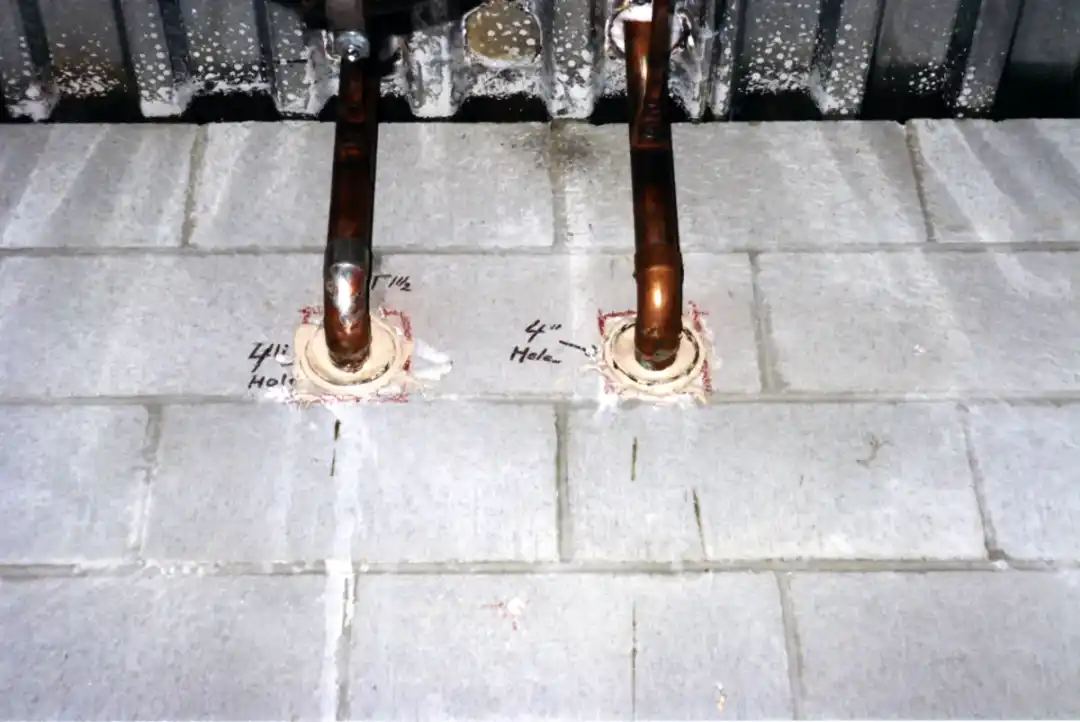 Renovations often leave a mix of materials behind the walls; professional diagnosis reduces guesswork before aggressive cleaning.
For same-day service questions and to book drain cleaning or hydro jetting, call 305-428-3782. Licensed Miami plumber crews dispatch from Doral across Miami-Dade.
Disclaimer: This article is general information for Miami-Dade homeowners, not plumbing code advice or a substitute for an on-site evaluation. Pricing, availability, and recommended methods depend on your property—confirm details on the official Hernandez Plumbing Co. website or with your technician before authorizing work.
Need Professional Help?
Our licensed plumbers are ready to help with your drain cleaning needs.