Your water heater is one of the hardest-working appliances in your home, providing hot water for showers, dishes, laundry, and more. In South Florida's humid climate, understanding how to maintain, repair, and eventually replace your water heater is essential for every homeowner.
This comprehensive guide will walk you through everything you need to know about water heater services, from understanding the different types available to recognizing when it's time for a replacement.
Understanding Water Heater Types
Before diving into maintenance and repair, it's important to understand the different types of water heaters available for your Miami home. Each type has distinct advantages and considerations, and the best choice depends on your household size, hot water usage patterns, available space, and budget.
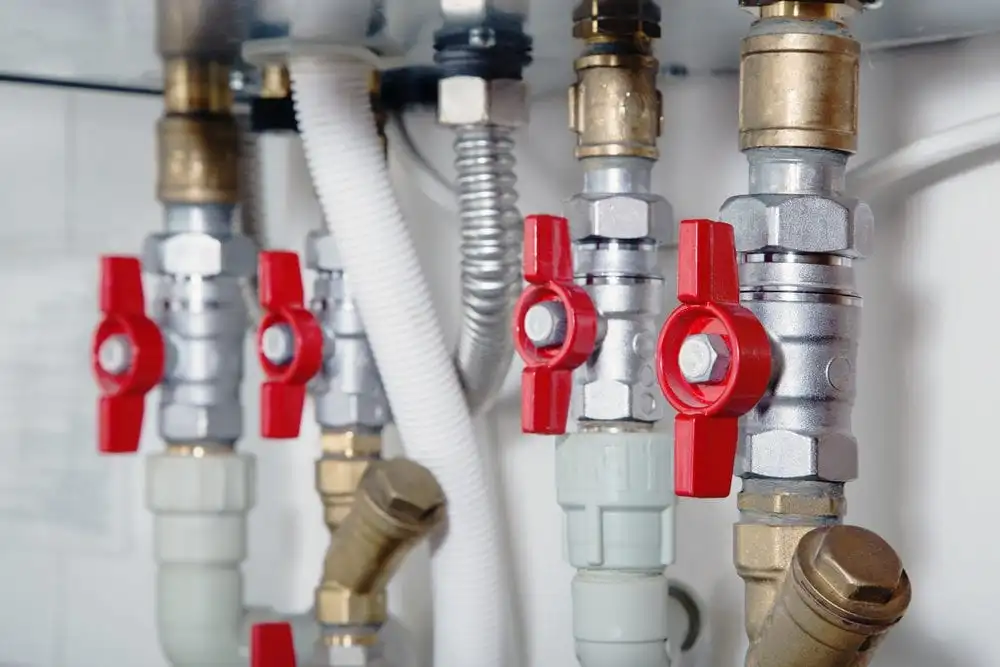
Traditional Tank Water Heaters
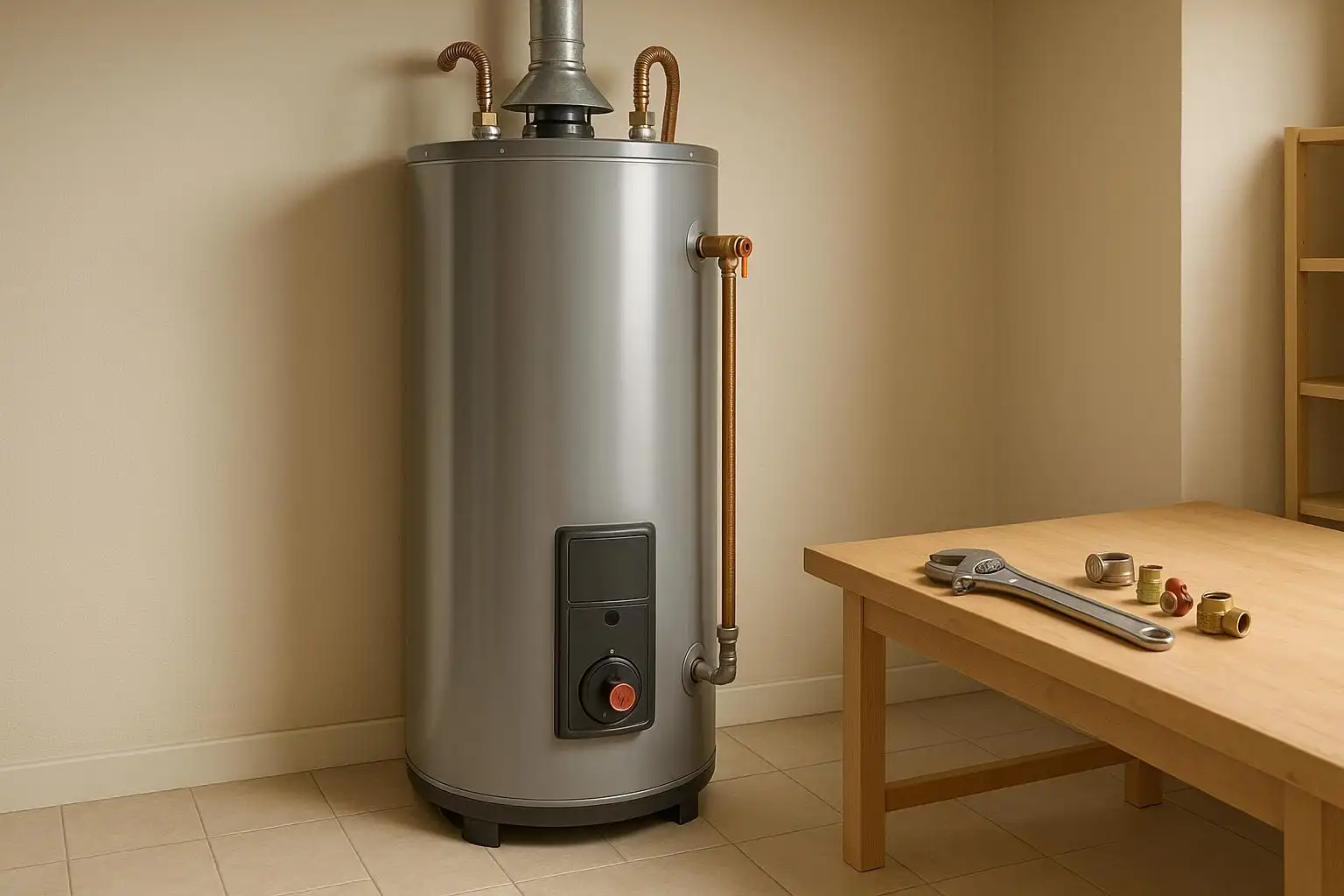
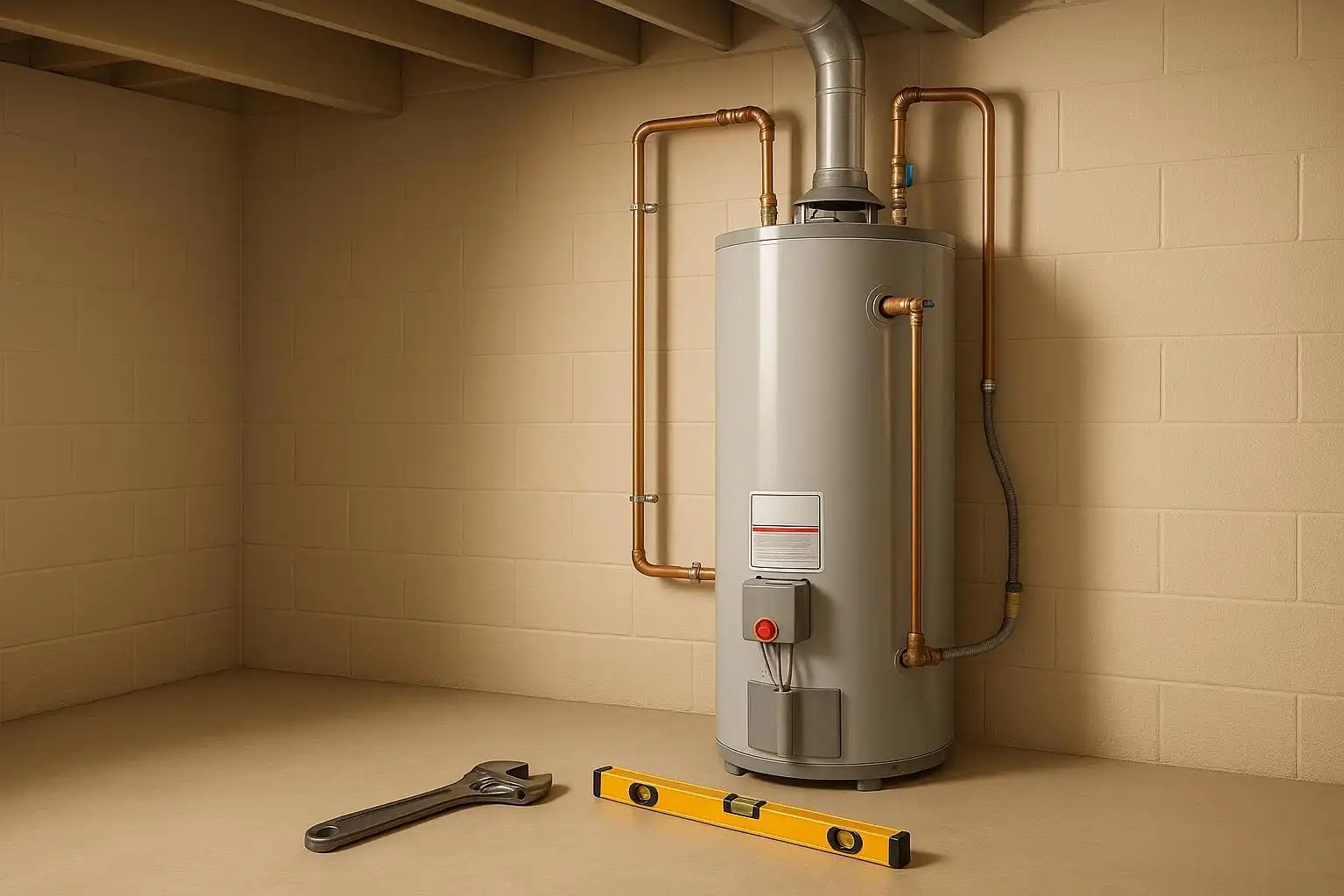
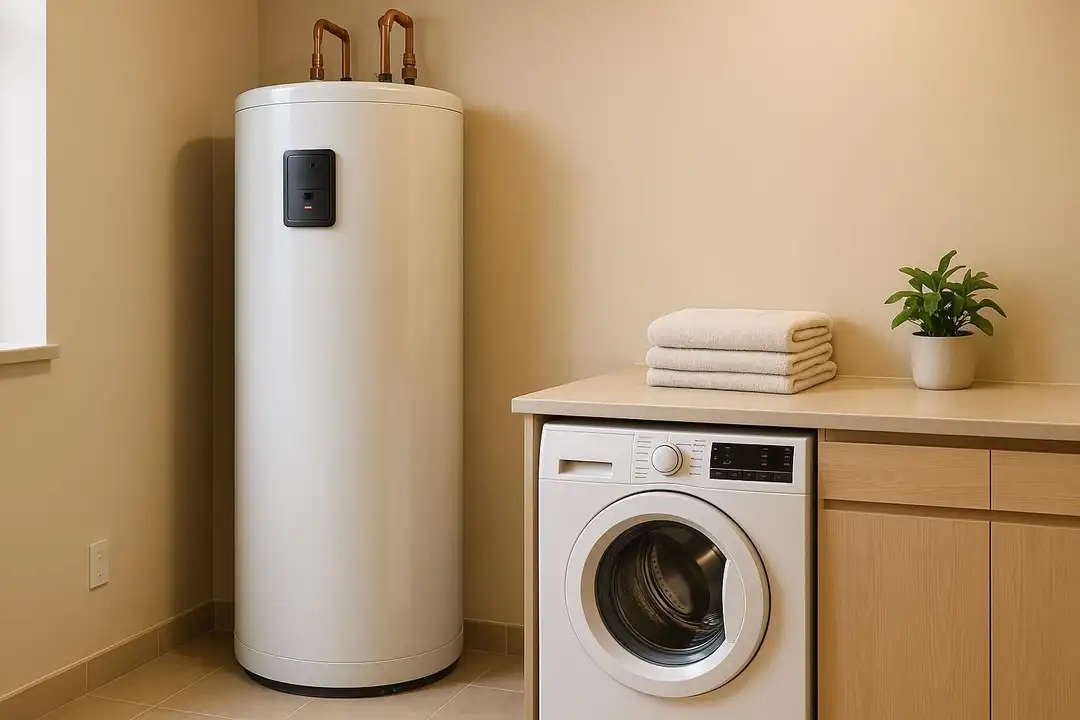
Tank water heaters remain the most common choice for South Florida homes. These units store and continuously heat a reservoir of water (typically 30-80 gallons) so hot water is always available on demand.
Pros:
- Lower upfront cost ($800-$1,500 for the unit)
- Simple installation and repair
- Works well in most homes
- Reliable technology with decades of proven performance
Cons:
- Higher energy costs (constantly heating water)
- Takes up more space
- Limited hot water supply (can run out during heavy use)
- Shorter lifespan (8-12 years)
Tankless Water Heaters
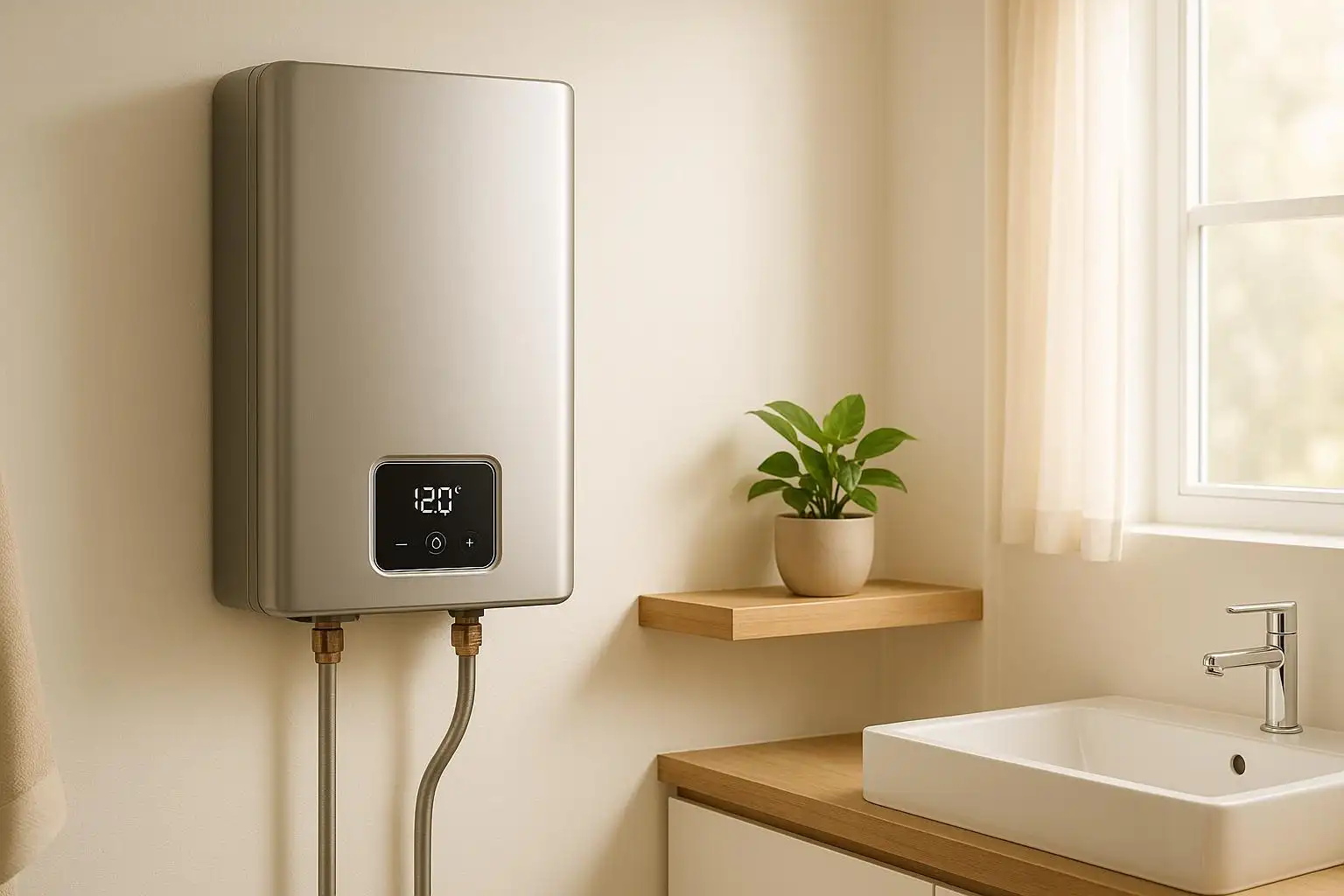
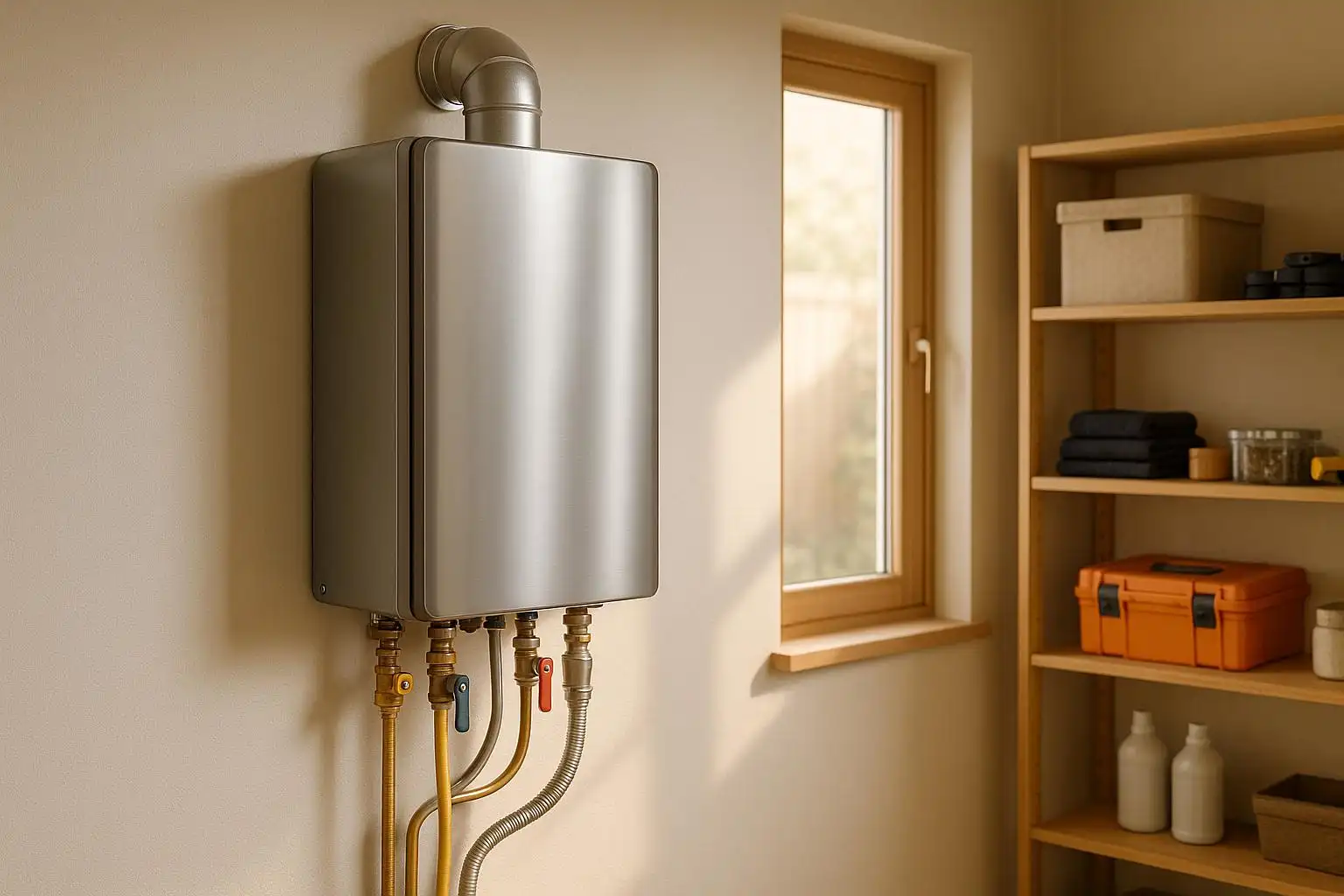
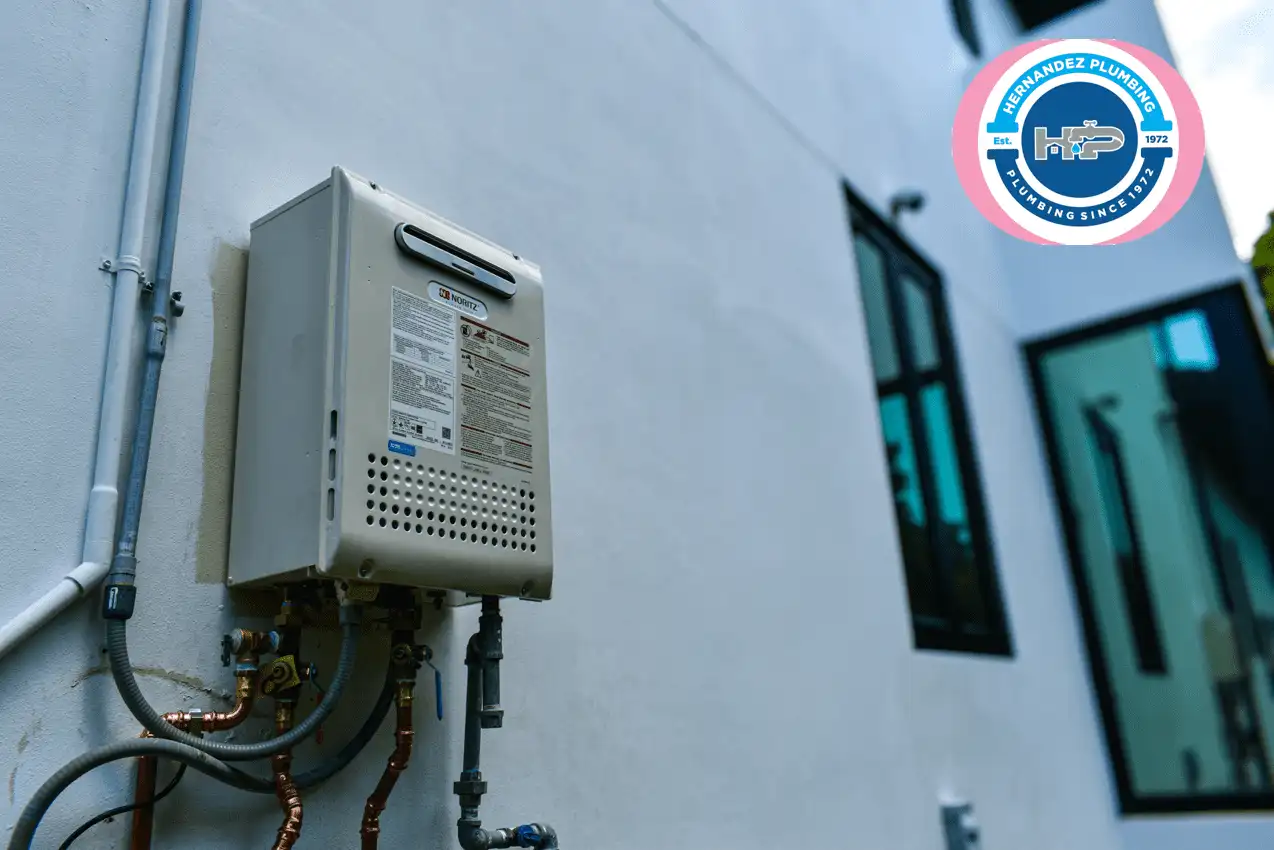
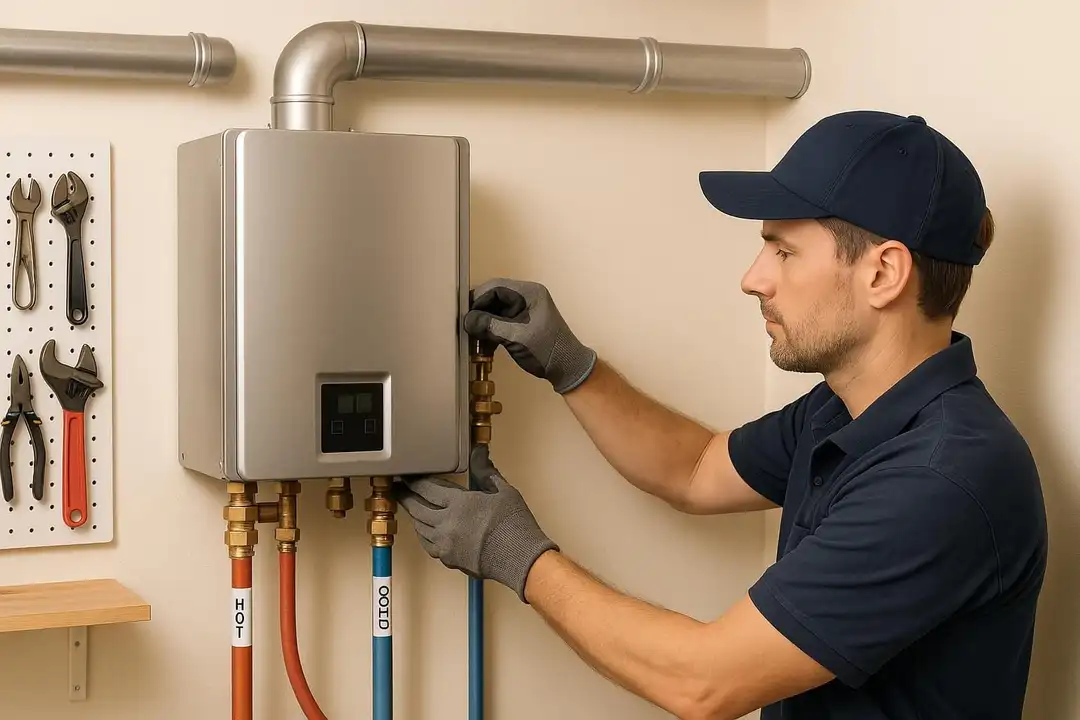
Tankless or on-demand water heaters heat water only when you need it, eliminating standby energy loss. These units are growing increasingly popular in Florida homes.
Pros:
- Energy savings of 24-34% compared to tank heaters
- Endless hot water supply
- Compact size (wall-mounted)
- Longer lifespan (15-20 years)
Cons:
- Higher upfront cost ($1,500-$4,500)
- May require electrical or gas upgrades
- Limited flow rate (multiple simultaneous uses may be challenging)
- More complex installation
Heat Pump Water Heaters
Heat pump water heaters (also called hybrid water heaters) use electricity to move heat from the air to the water, making them highly efficient—especially in Florida's warm climate.
Pros:
- 2-3 times more efficient than conventional electric water heaters
- Can lower water heating bills by up to 50%
- Ideal for Florida's warm climate
- May qualify for utility rebates
Cons:
- Higher upfront cost ($1,500-$3,000)
- Requires adequate space for air circulation
- Performance decreases in cold environments
- May produce some noise
Choosing the Right Size Water Heater
Selecting the proper size water heater is crucial for ensuring you have enough hot water without wasting energy.
Tank Water Heater Sizing
For tank water heaters, consider the First Hour Rating (FHR), which tells you how much hot water the heater can supply in the first hour of use.
| Household Size | Recommended Tank Size | First Hour Rating |
|---|---|---|
| 1-2 people | 30-40 gallons | 40-50 gallons |
| 3-4 people | 40-50 gallons | 50-70 gallons |
| 5+ people | 50-80 gallons | 80+ gallons |
Tankless Water Heater Sizing
For tankless units, sizing is based on flow rate (gallons per minute or GPM) and temperature rise needed.
In Miami, where incoming water temperature averages 72-77°F, you'll need less temperature rise than in colder climates. A typical South Florida home needs:
- Small home (1 bathroom): 2-3 GPM
- Medium home (2 bathrooms): 4-5 GPM
- Large home (3+ bathrooms): 6-8 GPM
Water Heater Installation Considerations
Proper installation is critical for safety, efficiency, and longevity. Here's what to consider:
Location Requirements
- Ventilation: Gas water heaters require proper venting to remove combustion gases
- Drainage: Install a drain pan and T&P valve discharge pipe
- Accessibility: Ensure access for maintenance and repairs
- Clearance: Follow manufacturer specifications for clearance from walls and combustibles
Florida Building Code Requirements
Florida has specific requirements for water heater installation:
- Hurricane strapping in wind zones
- Proper permits and inspections
- T&P valve discharge within 6 inches of floor or to exterior
- Expansion tanks on closed plumbing systems
- Energy efficiency requirements for new construction
Professional vs. DIY Installation
While some homeowners consider DIY water heater installation, professional installation is strongly recommended because:
- Ensures code compliance and proper permitting
- Validates manufacturer warranty
- Prevents gas leaks and electrical hazards
- Ensures proper sizing and efficiency
- Includes pressure and temperature testing
Common Water Heater Problems
Understanding common issues helps you identify problems early and determine when to call a professional.
No Hot Water
If you have no hot water at all:
- Electric: Check the circuit breaker and reset button
- Gas: Check if the pilot light is lit and gas valve is open
- Both: The heating element or thermocouple may need replacement
Insufficient Hot Water
If hot water runs out quickly:
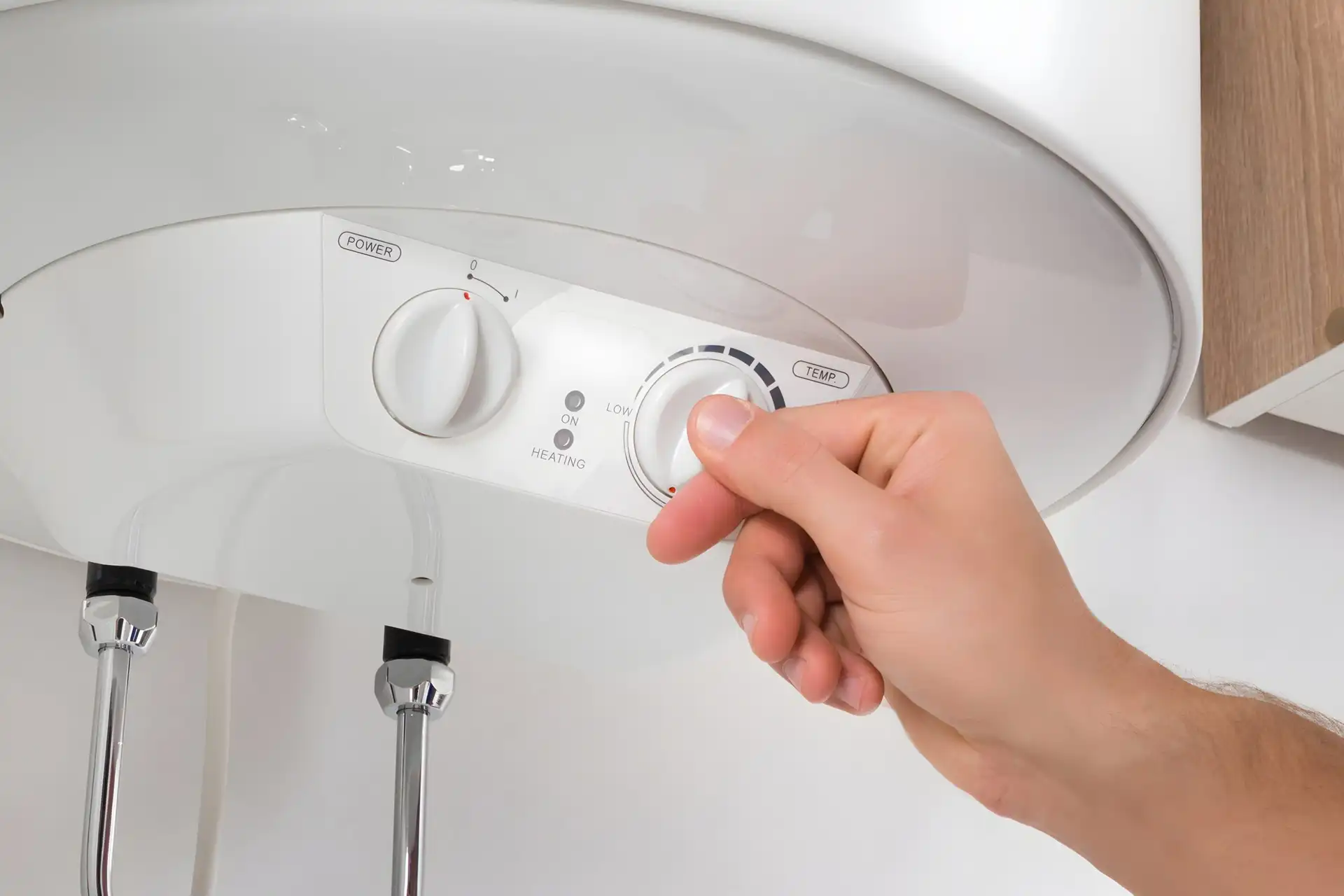
- Thermostat may be set too low (should be 120°F)
- Sediment buildup reducing capacity
- Dip tube may be broken
- Unit may be undersized for your needs
Strange Noises
Different sounds indicate different problems:
- Popping/rumbling: Sediment buildup on the bottom
- Whistling: Pressure relief valve issues
- Sizzling: Water dripping on burner (gas) or element leak
- Banging: Water hammer in pipes
Rusty or Discolored Water
Brown or rusty water can indicate:
- Failing anode rod (most common)
- Corroding tank interior
- Rust in the water supply
Leaking Water Heater
Leaks require immediate attention:
- Top leaks: Usually connections or T&P valve
- Side leaks: Often from T&P valve overflow
- Bottom leaks: May indicate tank failure (replacement needed)
Water Heater Maintenance Guide
Regular maintenance extends your water heater's lifespan and maintains efficiency.
Monthly Tasks
- Check the T&P valve: Lift the lever briefly to ensure it opens and closes properly
- Listen for unusual noises: Address any new sounds promptly
- Check for leaks: Inspect around the base and connections
Every 6 Months
- Flush the tank: Drain several gallons to remove sediment
- Inspect the anode rod: Replace if more than 50% depleted
- Check the burner flame (gas): Should be blue with yellow tips
Annual Professional Maintenance
Schedule professional maintenance to:
- Complete tank flush and sediment removal
- Test all safety controls
- Inspect gas connections and venting
- Check electrical connections and elements
- Evaluate overall condition and efficiency
When to Repair vs. Replace
Knowing when to repair and when to replace saves money and prevents emergencies. This decision often comes down to a simple calculation: weighing the cost of repairs against the unit's age and remaining lifespan. A newer water heater with a minor issue is almost always worth fixing, while an older unit showing multiple problems is usually better replaced.
Consider Repair When:
- Unit is less than 8 years old
- Problem is minor (thermostat, element, anode rod)
- No tank leaks or corrosion
- Repair cost is less than 50% of replacement
Consider Replacement When:
- Unit is over 10 years old
- Tank is leaking
- Multiple repairs needed
- Rising energy bills despite maintenance
- Rust inside the tank
- Insufficient capacity for your needs
Water Heater Lifespan by Type
| Type | Average Lifespan | With Regular Maintenance |
|---|---|---|
| Tank (Electric) | 10-15 years | 12-18 years |
| Tank (Gas) | 8-12 years | 10-15 years |
| Tankless (Electric) | 15-20 years | 20+ years |
| Tankless (Gas) | 15-20 years | 20+ years |
| Heat Pump | 10-15 years | 15-20 years |
Water Heater Costs in Miami
Understanding costs helps you budget for repairs and replacements.
Repair Costs
| Repair Type | Average Cost |
|---|---|
| Thermostat replacement | $150-$300 |
| Heating element | $150-$350 |
| Anode rod | $200-$350 |
| T&P valve | $150-$250 |
| Dip tube | $150-$300 |
| Gas valve | $300-$500 |
Installation Costs (Unit + Labor)
Professional installation ensures your new water heater operates safely and efficiently from day one. These costs include the unit itself, all necessary materials, labor, permit fees, and proper disposal of your old unit.
| Type | Average Total Cost |
|---|---|
| Tank (40-50 gal, electric) | $1,200-$2,000 |
| Tank (40-50 gal, gas) | $1,500-$2,500 |
| Tankless (electric) | $2,000-$4,000 |
| Tankless (gas) | $3,000-$5,500 |
| Heat pump | $2,500-$4,500 |
Energy Efficiency Tips
Water heating accounts for roughly 18% of your home's energy costs—second only to heating and cooling. In South Florida, where we don't need much heating or cooling for much of the year, water heating can represent an even larger portion of your utility bills. The good news is that simple adjustments and habits can significantly reduce these costs without sacrificing comfort.
Temperature Settings
- Set thermostat to 120°F (reduces scalding risk and saves energy)
- Lower to 110°F if you have a dishwasher with a booster heater
- Each 10°F reduction saves 3-5% on water heating costs
Insulation
- Insulate hot water pipes (especially first 6 feet from heater)
- Add an insulation blanket to tank water heaters (check manufacturer recommendations)
- Insulate cold water inlet pipe to reduce heat loss
Usage Habits
- Fix dripping faucets promptly
- Use cold water for laundry when possible
- Install low-flow showerheads and faucets
- Run full loads in dishwasher and washing machine
Emergency Water Heater Situations
Some situations require immediate action:
Gas Smell
If you smell gas near your water heater:
- Do NOT flip any switches or create sparks
- Turn off the gas valve if safely accessible
- Open windows and doors
- Leave the house immediately
- Call your gas company from outside
- Do not return until cleared by professionals
Major Leaks
If your water heater is flooding:
- Turn off the water supply valve
- Turn off power (breaker) or gas
- Call a plumber immediately
- Begin water damage mitigation
No Hot Water in Winter
While rare in Miami, cold snaps can affect water heaters:
- Check for frozen pipes in exposed areas
- Never use open flame to thaw pipes
- Call a plumber if you suspect freezing
Why Choose Professional Service
Water heaters involve the intersection of three potentially dangerous systems: water, electricity or gas, and high pressure. This combination makes professional installation and repair not just recommended but essential for safety. A improperly installed water heater can leak carbon monoxide, cause electrical fires, flood your home, or even explode in extreme cases.
Working with licensed plumbers ensures your water heater is installed safely, up to code, and in a way that maintains your manufacturer warranty. Professional technicians understand Florida's specific building code requirements, including mandatory hurricane strapping and proper T&P valve discharge routing.
Beyond safety, professional installation maximizes your unit's efficiency and lifespan. Proper sizing ensures you're not overpaying for capacity you don't need, while correct installation prevents premature wear and reduces energy costs. And when something does go wrong, professionals have access to high-quality replacement parts that outlast consumer-grade alternatives.
Hernandez Plumbing has served Miami homeowners since 1972, providing expert water heater installation, repair, and maintenance. Our licensed technicians are trained on all water heater types and brands, ensuring your home always has reliable hot water when you need it.
Frequently Asked Questions
How long does water heater installation take?
Standard tank water heater replacement typically takes 2-4 hours. Tankless installations may take 4-8 hours, especially if electrical or gas upgrades are needed.
Should I repair or replace my 10-year-old water heater?
At 10 years, consider the cost of repairs versus replacement. If repairs exceed 50% of a new unit's cost, replacement is usually more economical.
Can I install a tankless water heater myself?
Tankless installation requires electrical or gas work that should be done by licensed professionals. DIY installation can void warranties and create safety hazards.
How often should I flush my water heater?
Flush your tank water heater every 6-12 months, or more frequently if you have hard water. Tankless units should be descaled annually.
What size water heater do I need for a family of four?
A 50-gallon tank water heater or a tankless unit with 5+ GPM typically meets the needs of a four-person household in Florida.