9 Signs Your Drain Is Clogged
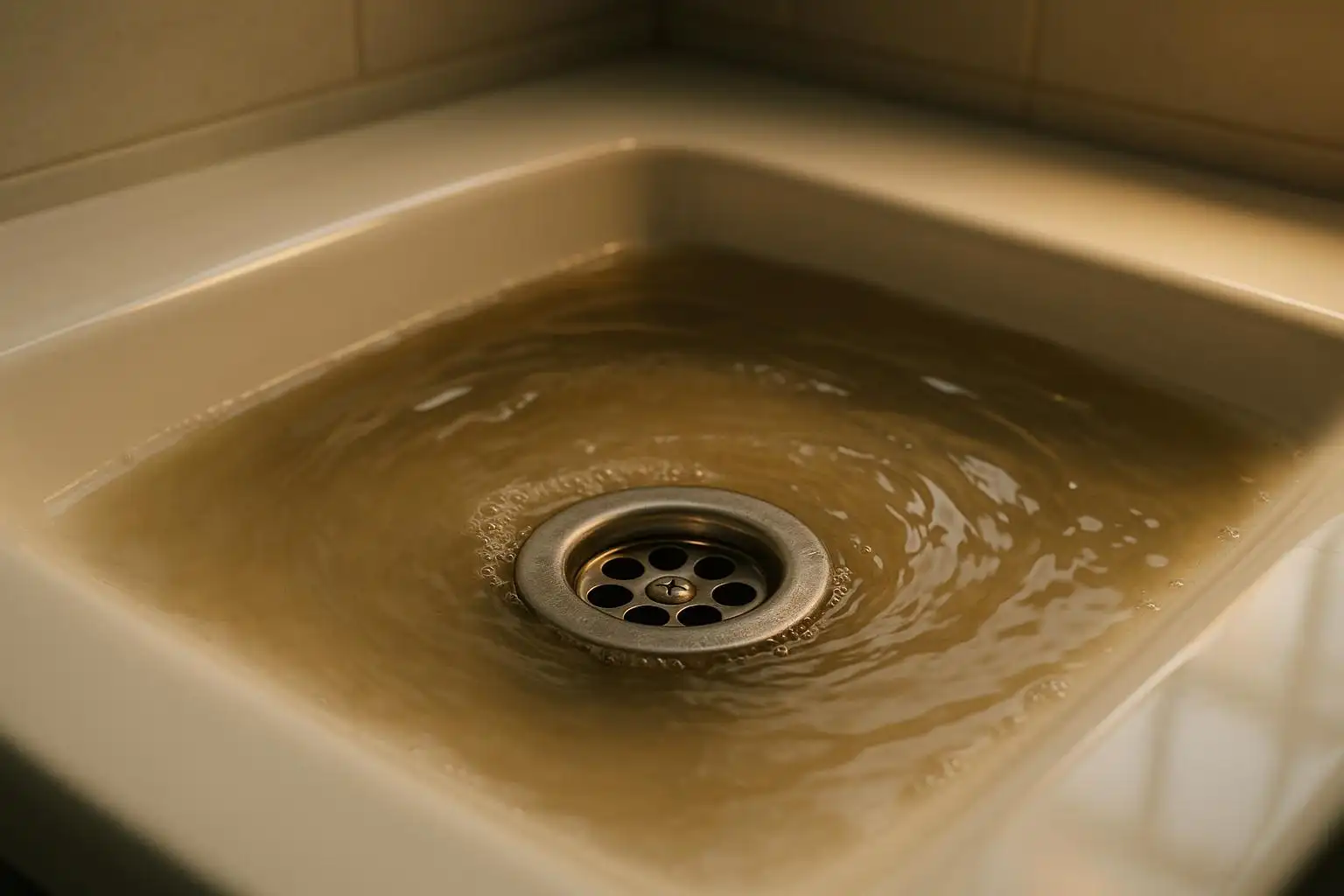
Clogged drains are more than just a nuisance – they can lead to costly repairs and even health hazards if ignored. Here are nine clear signs your drain may be clogged:
- Slow drainage: Water pooling in sinks or showers signals restricted flow, often caused by hair, grease, or soap buildup.
- Bad odors: Foul smells from drains suggest decomposing material or sewer gases escaping.
- Gurgling noises: Bubbling sounds when using fixtures point to trapped air from a partial blockage.
- Water backups: Water rising in tubs, sinks, or toilets when using another fixture indicates a main sewer line issue.
- Standing water: Persistent pooling in sinks or tubs means a total blockage.
- Multiple clogged drains: Simultaneous issues across fixtures often signal a main line problem.
- Spiking water bills: Unexplained increases could result from leaks caused by clogged pipes.
- Wet spots on walls or floors: Damp patches suggest leaks or pressure buildup from blockages.
- Water pressure changes: Weak or inconsistent flow can result from clogs disrupting water movement.
If you notice one or more of these signs, act quickly. Minor clogs can escalate into major plumbing issues, including sewage backups and structural damage. Learn about the most common causes of clogged drains in Florida homes to prevent future issues. DIY fixes like plungers may help with isolated clogs, but recurring or widespread problems often require professional drain cleaning. For severe cases, tools like sewer camera inspection or hydro-jetting can pinpoint and resolve the root issue effectively.
Don’t delay – early action can save you time, money, and stress.
Signs of a Clogged Sewer Line and What to Do About It
1. Water Drains Slowly
If you’ve noticed water pooling in your shower or your sink taking its sweet time to empty, you’re likely dealing with a partial clog in your pipes. Slow drainage is one of the earliest signs that something is obstructing the flow of water.
The usual suspects? Hair, grease, soap scum, and mineral deposits. In bathrooms, soap bubbles stick to the stopper and form a sticky film that narrows the pipe over time. Kitchen sinks face their own challenges – grease and food particles cling to pipe walls, creating a perfect recipe for blockages.
Slow drainage often becomes obvious during everyday tasks. Brushing your teeth or washing your hands and noticing water pooling in the sink? That’s a telltale sign of restricted flow.
Pay attention to where the problem occurs. If it’s just one fixture – like a single sink or shower – you’re likely dealing with a localized clog near the drain. These are usually minor and can often be fixed with simple maintenance. But if multiple drains across your home are sluggish – bathrooms, kitchen, and more – it’s a bigger issue. This points to a blockage deeper in your main sewer line, which may require professional help.
Delaying action on slow drainage can turn a small inconvenience into a costly problem. Over time, minor clogs can escalate into complete blockages, halting water flow entirely. Stagnant water isn’t just annoying – it can lead to mold, bacteria buildup, and unpleasant odors. The longer you wait, the harder (and pricier) it becomes to fix.
For a single slow drain, you might try using a plunger or checking for visible debris near the opening. But if the problem persists or affects multiple fixtures, it’s time to call in the experts. Hernandez Plumbing in Miami, FL offers 24/7 drain cleaning and repair to tackle even the toughest clogs.
Preventing slow drainage is just as important as fixing it. Be mindful of what goes down your drains – avoid pouring grease, use drain screens to catch hair and debris, and periodically flush drains with hot water. A little maintenance goes a long way in keeping your water flowing smoothly and avoiding unnecessary headaches.
2. Bad Smells Coming from Drains
If you notice foul odors coming from your sinks, showers, or tubs, it’s often a sign of plumbing trouble. When water struggles to flow through clogged drains, organic material builds up and starts to decompose. This not only creates unpleasant smells but could also hint at more serious blockages lurking deeper in your plumbing.
The type of odor can reveal the root of the issue. For example, if you detect a sewage smell from an unused sink, the culprit might be a dry P-trap. The P-trap, that U-shaped pipe under your sink, holds water to block sewer gases from entering your home. If it dries out due to lack of use, those gases can escape. Simply running water for a minute or two usually refills the trap and resolves the smell.
But if the odor sticks around even after refilling the P-trap, it could signal something more serious. A well-functioning drain system is designed to keep foul air sealed off. Persistent odors might mean there’s a deeper blockage or even a cracked pipe somewhere in your sewer line.
Pay attention to where the smell is coming from. If just one fixture smells bad, it’s likely a localized issue like a dry P-trap. However, if multiple drains are affected, you might be dealing with a bigger problem, such as a blockage further down the line.
Other warning signs often accompany bad smells. If you notice flies around your drains, black sediment buildup, slow drainage, or gurgling sounds, these could point to a larger issue in a branch line or even the main sewer line. A musty smell, on the other hand, often comes from biofilm – slimy buildup caused by stagnant water, hair, and soap scum. Left unchecked, this can encourage mold growth.
Drain odors aren’t just an annoyance – they’re an early warning system for potential plumbing disasters like water backups. Addressing these smells early can save you from costly repairs later on. If your efforts to clean the drain don’t resolve the issue, or if you notice other warning signs, it’s time to call a professional. Hernandez Plumbing provides 24/7 emergency services in Miami, FL, offering upfront pricing and a satisfaction guarantee for even the toughest clogs and odor problems.
Ignoring persistent drain odors can lead to bigger problems, such as mold growth, structural damage, or even sewage backups . Early action not only protects your plumbing but also safeguards your home and health. Bad smells might be the first clue, but if they’re paired with issues like gurgling sounds or water backups, it’s a clear sign that immediate attention is needed.
3. Gurgling or Bubbling Noises
If you’re hearing gurgling or bubbling sounds from your drains, it’s a strong clue that something’s not right. These noises often signal trapped air caused by a partial blockage in your drain line. When a clog disrupts the smooth flow of water and air, the air gets forced through water-filled pipes, creating those distinct bubbling sounds.
Where you hear these noises can reveal a lot. Toilets, sinks, tubs, and showers are the usual suspects, and the sounds often occur right after flushing or running water. A gurgling noise in just one fixture suggests a localized clog, but if multiple fixtures are making the same sound, it could point to a blockage in the main sewer line. These auditory cues, combined with other signs, can help you gauge the severity of the problem.
Timing also matters. For instance, if you notice gurgling when flushing the toilet or running the washing machine, your main sewer line might be struggling to handle the wastewater. If the noise happens consistently after using any fixture, it could indicate a vent pipe or branch line issue. A clogged vent pipe creates negative air pressure, disrupting water flow across multiple fixtures. On the other hand, a main sewer line blockage can cause wastewater to back up into other drains.
Gurgling sounds rarely come alone – they often appear alongside slow drainage, foul odors, water backups, or bubbling in the toilet bowl. To test for a sewer line clog, try turning on a faucet and watch for air bubbles rising in your toilet. Another tip is to listen closely near your sink drain after the water stops flowing – those bubbling noises can be a telltale sign.
If gurgling is paired with other warning signs, it’s a red flag for a more serious blockage that needs immediate attention. While a minor noise in one fixture might be resolved with basic maintenance, persistent gurgling across multiple drains shouldn’t be ignored. Waiting too long to address the issue can lead to bigger headaches like sewage backups, expensive repairs, mold, or even structural damage.
For residents in Miami, FL, Hernandez Plumbing offers 24/7 emergency drain cleaning services. Their team uses advanced tools like sewer camera inspections to quickly identify the source of the problem, whether it’s a simple clog, tree root intrusion, or a collapsed pipe.
Pay attention to what your plumbing is telling you. If your drains start gurgling, it’s time to act and find out what’s causing the issue before it turns into a costly repair.
4. Water Backs Up in Multiple Fixtures
If you’re noticing water backing up in more than one place at the same time – like the bathtub filling when you flush the toilet or the sink clogging when the washing machine runs – it’s a strong sign of a blockage in your main sewer line. Unlike isolated clogs that only affect one fixture, a main sewer line blockage disrupts the entire drainage system, forcing water to backtrack through all connected drains. Spotting this issue early can save you from bigger headaches down the road.
Common warning signs include water pooling around floor drains, especially in areas like the basement or laundry room. Sometimes, you might even see unusual things like air bubbles in the toilet or water gurgling up in the shower, which are clear indicators of a main line problem.
Other telltale signs of a main sewer blockage include multiple drains slowing down, unpleasant odors, and standing water in unexpected places. These symptoms suggest the problem is widespread and needs immediate attention to prevent further damage.
So, what causes these blockages? Tree roots invading the pipes are a major culprit, especially in older systems. Grease, debris, and mineral buildup can also restrict water flow over time. Pipes made of materials like clay or cast iron are particularly prone to deterioration, and in some cases, a leak in the sewer line can make matters worse.
If you notice multiple fixtures backing up, stop using water immediately. Adding more water to the system can worsen the clog. A quick check of your sewer clean-out – usually a capped pipe in your yard or basement – can help confirm the issue if you see signs of sewage. However, DIY fixes like chemical drain cleaners or plungers won’t cut it for a main line clog. Professional plumbers use advanced tools like video cameras, hydro-jetting, and mechanical snakes to pinpoint and clear the blockage effectively.
For residents in Miami, FL, Hernandez Plumbing offers 24/7 emergency services to handle these kinds of issues. They use sewer camera inspections to quickly identify whether you’re dealing with a simple clog, tree roots, or even a collapsed pipe. With diagnostic services starting at $49 and upfront pricing, they provide a transparent and reliable solution tailored to your situation.
Don’t delay addressing a main sewer line issue. Waiting too long can lead to unsanitary conditions, serious health risks, and expensive water damage. If multiple drains in your home are backing up, it’s time to call in the professionals.
5. Water Pools in Sinks or Tubs
If you notice water pooling in sinks or tubs, it’s a clear sign of a completely clogged drain. Unlike slow drainage, where water eventually flows out, pooling indicates a total blockage. This stagnant water creates the perfect environment for bacteria and mold to thrive.
What Causes Water to Pool
Several factors can lead to water pooling. Common causes include hair clogs, soap residue, foreign objects, and mineral deposits. In bathrooms, hair mixed with soap scum is a frequent culprit. In kitchens, grease and food particles gradually build up, forming stubborn blockages. Over time, this can lead to unpleasant odors as organic matter in the pipes begins to decompose.
Warning Signs Beyond the Pool
Pooling water often comes with other telltale signs. Brownish stains around drain pipes, for instance, are caused by sediment left behind from dirty, standing water. These stains suggest that a clog has been developing for a while. Additionally, standing water isn’t limited to sinks and tubs – it can also appear in dishwashers or washing machines if the connected pipes are blocked. Watching for these signs can help you determine whether the issue is isolated or part of a bigger plumbing problem.
Local Clog or Main Line Problem?
The location of pooling water can help you figure out the source of the problem. If water pools in just one fixture, the clog is likely local. For example, a bathtub or shower clog is often caused by hair and soap buildup. However, if multiple fixtures – such as sinks, toilets, and tubs – are affected at the same time, it might point to a blockage in the main sewer line. In some cases, pooling in several fixtures within the same bathroom could indicate a clog in the branch line serving that area.
What to Do When Water Pools
The first step is to stop using the affected fixture to avoid making the problem worse. For minor clogs, try simple fixes like using a plunger or removing visible debris. But if the water continues to pool or if multiple fixtures are impacted, it’s time to bring in a professional plumber.
For those in Miami, FL, Hernandez Plumbing offers reliable drain cleaning services. They’re available 24/7 for emergency repairs and use advanced tools like drain snakes and cameras to locate and clear deep blockages. Don’t ignore standing water – it’s more than just an inconvenience. Over time, it can cause serious structural damage as water seeps into walls or foundations. If you notice pooling in multiple areas of your home, it’s likely a main sewer line issue that requires immediate attention from a professional.
6. Several Drains Clog at Once
If you’ve noticed multiple drains clogging at the same time, it’s a red flag. This usually points to a main sewer line blockage, not just minor issues like hair or soap buildup in individual fixtures.
Understanding How Your Drain System Works
Think of your main sewer line as the backbone of your home’s plumbing system. When it gets clogged, it affects all the fixtures connected to it. This interconnectedness makes it easier to spot patterns that suggest a main line issue.
Signs of a Main Sewer Line Problem
When the main line is blocked, you’ll see clogs or slow drainage across multiple fixtures. You might also notice odd symptoms, like water backing up in unexpected places. For example:
- Flushing the toilet could cause water to bubble up in the bathtub.
- Running the washing machine might make your kitchen sink overflow.
These symptoms happen because the blocked wastewater has nowhere to go. It typically backs up into the lowest-level drains – like basement floor drains or first-floor tubs – since sewage rises through the pipes and exits at the lowest point first.
Common Causes of Main Sewer Line Clogs
Main line blockages are often caused by:
- Tree roots invading pipes
- Grease and debris buildup
- Mineral deposits over time
Homes with older plumbing systems made of clay or cast iron are especially at risk. These materials can degrade, crack, or collapse over time, making blockages more likely.
Why the Location of Clogs Matters
Pay close attention to which drains are affected. If multiple fixtures in the same bathroom are clogging, the problem might be in their shared branch line. But if drains in different rooms – or even on different floors – are acting up simultaneously, it’s almost certainly a main sewer line issue. Basement drains are especially telling. If you see standing water or sewage in a basement floor drain while other drains are also clogged, it’s a plumbing emergency that needs immediate attention.
What to Do Right Away
Skip the DIY methods like chemical drain cleaners or plungers when dealing with multiple clogged drains. This is a job for professionals with the right tools and expertise. Attempting to tackle a main sewer line blockage on your own could worsen the problem. A licensed plumber can use specialized tools, like video inspection cameras, to locate the blockage precisely. Once identified, they may use techniques like snaking or hydro-jetting to clear the line without causing further damage.
For homeowners in Miami, FL, Hernandez Plumbing offers diagnostic services for $49 (regularly $97) to get to the bottom of multiple drain clogs. They’re available 24/7 for emergencies and use advanced camera inspection technology to identify and address main sewer line problems efficiently.
Why You Shouldn’t Wait
Ignoring multiple drain clogs can lead to severe consequences. Sewage backing up into your home poses serious health risks, while standing water in your basement can lead to mold growth and even structural damage. If the main sewer line is cracked or damaged, contaminants could enter your plumbing system, affecting your tap water quality. The longer you delay, the more costly the repair becomes – what starts as a simple cleaning could escalate into a full sewer line replacement.
If you’re noticing slow drainage, backups, or foul odors across your home, don’t wait. Call a professional plumber immediately. Delaying action could turn a manageable issue into a much bigger problem. Keep an eye out for other warning signs, like unexpected spikes in your water bill, which could signal additional plumbing issues.
7. Water Bills Increase Unexpectedly
Clogged drains can do more than just slow down water flow or create strange gurgling sounds – they can also hit you where it hurts: your wallet. If your water bill suddenly spikes and you can’t pinpoint a clear reason, it might not be a billing error. Instead, it could be a sign that a clogged drain is putting extra strain on your plumbing system.
How Clogged Drains Can Drive Up Your Water Bill
When drains are clogged, water flow becomes restricted, forcing your plumbing system to work harder. This inefficiency doesn’t just waste water – it can also cause leaks in weakened pipes, further increasing your bill. For context, the average U.S. household uses about 300 gallons of water daily. Even a small increase of 10–20% in usage can be an early warning sign. Considering that most households spend between $35 and $50 per month on water, such increases are worth investigating.
Spotting the Problem Through Usage Monitoring
If you haven’t recently added new appliances, increased outdoor watering, or changed your household size, a sudden rise in your water bill could point to a plumbing issue. Pay attention to other red flags like slow-draining sinks, odd gurgling sounds, or unpleasant odors. Here’s a simple test: record your water meter reading, avoid using water for two hours, and then check the meter again. If the reading has changed, you may have a hidden leak. Keeping track of your monthly bills can help you identify unusual spikes early. If a higher bill coincides with slow drainage across multiple fixtures, it’s a strong indication of a main line clog.
Why Clogged Drains Waste Water
Clogs create pressure in the plumbing system, which can lead to leaks and wasted water. This is especially problematic when the clog is in the main sewer line rather than an individual fixture. A blockage in the main line can affect the entire home, making the issue much more severe. Across the United States, household leaks waste nearly 1 trillion gallons of water annually, and clogs only add to this staggering figure, driving up costs for homeowners.
Addressing the Problem Before It Escalates
A sudden spike in your water bill is more than just an inconvenience – it’s a warning that your plumbing system is under strain. Investing in professional drain cleaning can save you money in the long run by reducing water waste and preventing further damage. In Miami, FL, Hernandez Plumbing offers expert leak detection and drain cleaning services with transparent pricing and 24/7 emergency support. Their team uses advanced tools to determine whether the problem is isolated to a single fixture or stems from a main sewer line issue, ensuring the right solution for your home.
Keep an eye on your water usage. If your bills climb without an obvious reason – like extra showers, more laundry, or additional dishwasher cycles – it’s time to investigate for clogs or leaks. Acting quickly can save you money and protect your plumbing from further damage. Stay vigilant for other warning signs to avoid bigger headaches down the road.
8. Wet Spots Appear on Floors, Ceilings, or Walls
Visible water damage is another telltale sign of drain blockages, alongside slow drainage and those unsettling gurgling sounds.
Damp patches on floors, walls, or ceilings often point to plumbing problems. When a drain is clogged, water pressure builds within the pipes, forcing water through cracks or weak spots. This seepage then spreads into surrounding areas, leaving behind noticeable wet spots.
Common Areas for Wet Spots
Basements and lower levels are particularly prone to sewer backups since they’re the lowest points in your home. You might find damp spots on basement walls, standing water on the floor, or soggy areas in your yard near the foundation – especially where underground sewer lines run.
If you notice wet spots on ceilings or upper-level walls, the issue is likely with overhead pipes. These visible signs often hint at more extensive hidden damage lurking behind walls or beneath floors.
What Wet Spots Can Tell You
If the damp areas come with a musty or sewage-like odor, it’s a red flag for drain issues. Yellowish or discolored patches are another indicator of a drain or sewer problem. These smells and stains suggest water has been sitting long enough for bacteria to develop, signaling a more serious issue.
Why Older Homes Are at Greater Risk
Homes with older plumbing systems – especially those using clay or cast iron pipes – are more vulnerable to these problems. Over time, these materials degrade, developing small cracks that allow water to escape when pressure builds from a clog. These structural weaknesses not only worsen the plumbing issue but also increase health risks.
Health Hazards of Wet Spots
Wet spots caused by clogged sewer lines are more than just a nuisance – they can pose serious health risks. They may contain raw sewage and harmful bacteria. If this contaminated water seeps into your home’s foundation or soil, it can pollute groundwater and create an unsanitary environment. Additionally, these damp areas encourage mold growth, which can compromise indoor air quality. Sewage backups inside the home should always be treated as emergencies given the associated health and safety concerns.
The Importance of Quick Action
Time is critical when dealing with wet spots. Prolonged moisture can lead to higher repair costs and damage to your home’s structural integrity. Mold can start forming within 24 to 48 hours of water exposure.
If you see wet spots on floors, ceilings, or walls – especially in basements or lower levels – schedule a sewer camera inspection right away. This technology helps professionals identify whether the issue stems from a clog, tree root intrusion, or a collapsed pipe. For example, in Miami, FL, Hernandez Plumbing offers a residential diagnostic service for $49 (normally $97), providing expert evaluations by licensed and certified technicians.
Avoid touching wet spots that may contain sewage, and resist the urge to attempt DIY fixes. Professional plumbers can use camera inspections to locate the problem, determine whether it’s a blockage or a damaged pipe, and offer the right solution. With 24/7 emergency services and clear pricing, you can address the issue promptly and without unexpected costs.
Pay close attention to wet spots in basements or crawl spaces, as these are often the first areas where backed-up sewage becomes visible. If you notice standing water or recurring flooding in these spaces, treat it as an urgent matter requiring immediate professional help to prevent further damage and keep your drains functioning properly.
9. Water Pressure Changes
Noticing a weaker flow from your showerhead or faucets? Uneven water pressure in your home often signals a clogged drain that’s restricting water flow through your pipes.
When drains become blocked, the buildup doesn’t just slow down drainage – it can also reduce the pressure at which water reaches your fixtures. This means your shower might feel less powerful, or your kitchen faucet might not deliver the steady stream you’re used to.
How Clogs Impact Water Pressure
The effect of a clog on water pressure depends on where the blockage is located. If the clog is in a branch line, you’ll likely only notice reduced pressure in specific fixtures or rooms. For instance, a blockage in the bathroom pipe might affect the sink and shower there, while other parts of the house remain unaffected.
On the other hand, a clog in the main sewer line is a bigger issue. It can lead to reduced water pressure across your entire home. These blockages prevent wastewater from flowing out efficiently, creating backpressure that affects all your plumbing. This system-wide pressure drop often follows patterns that can help pinpoint the problem’s location.
Recognizing Patterns in Pressure Changes
Water pressure changes caused by clogs often follow noticeable patterns. For example, you might experience fluctuating pressure – strong one moment, weak the next – indicating a partial blockage that worsens during simultaneous water use.
Pay attention to when these changes occur. If pressure drops happen after flushing a toilet or running a washing machine, it could help identify where the blockage lies. Unlike issues with municipal water systems that affect entire neighborhoods, drain-related pressure problems are usually isolated to your home and specific fixtures.
Testing for Water Pressure Issues
Once you’ve noticed pressure inconsistencies, you can perform a simple test to confirm the problem. Turn on the kitchen sink, bathroom sink, and shower at the same time. If all fixtures show reduced flow, it could point to a main line issue. If only certain fixtures are affected, the problem might be localized to a specific branch line.
When Pressure Changes Indicate Bigger Problems
Water pressure changes rarely happen on their own. If they’re accompanied by gurgling sounds, slow drainage, or unpleasant odors, it’s a strong sign of a significant blockage that needs professional attention. Severe pressure drops, especially when paired with water backing up or sewage appearing in your yard, indicate a main sewer line issue requiring immediate action to prevent further damage and health risks.
Beyond Common Clogs
While clogs are a frequent cause of water pressure changes, other issues could be at play. Cracked or damaged pipes, leaks, or aging plumbing materials like clay or cast iron can also lead to pressure problems. In older homes, these changes might hint at underlying deterioration that could result in sudden failures.
To diagnose the exact issue, professional plumbers often use tools like sewer cameras. These inspections provide a clear view of your pipes, helping identify whether the problem is due to a clog, tree root intrusion, or structural damage.
Taking Action on Water Pressure Problems
If water pressure issues persist or affect multiple fixtures, it’s time to call in a professional. Addressing the problem early can prevent further damage and keep your plumbing system running smoothly.
For residents in Miami, FL, Hernandez Plumbing offers 24/7 emergency drain cleaning services with upfront pricing. Their licensed technicians can quickly determine whether the problem is a simple clog or something more serious, helping you avoid unexpected repairs and maintain a healthy plumbing system.
When to Call a Professional
A plunger might handle a minor clog, but when you’re dealing with persistent issues or backups across multiple fixtures, it’s time to bring in a licensed plumber. Ignoring these problems can lead to costly repairs and even health hazards.
Multiple fixtures backing up usually point to a blockage in the main sewer line, which DIY methods can’t fix. Since every fixture in your home connects to this main line, a clog here disrupts your entire plumbing system.
If you see water backing up in strange places, like your bathtub filling when you flush the toilet or your shower drain overflowing when the washing machine runs, it’s a clear sign you need professional help. These are not problems that will resolve on their own.
When DIY Methods Stop Working
If plungers or drain snakes aren’t cutting it, it’s time to call in the experts. Recurring clogs that keep coming back often mean there’s a deeper issue, like grease buildup, tree roots invading the line, or aging, deteriorating pipes. Clearing the same drain every few weeks is just treating the symptom, not the underlying problem. Professional plumbers use tools like sewer cameras to locate the exact cause of the issue and recommend the right fix.
Emergency Situations Requiring Immediate Action
Some plumbing problems can’t wait. Flooded basements or standing water need urgent attention to avoid mold growth and structural damage. Similarly, sewage backing up into your home or pooling near the sewer cleanout is a serious emergency. If you notice dark, contaminated water in your drains or toilets, or wet spots on walls, ceilings, or floors, these are red flags that demand immediate professional intervention. Ignoring these signs can lead to more extensive damage.
Signs of Systemic Problems
An unexplained spike in your water bill or ongoing issues in older clay or cast iron plumbing systems might mean your system is under strain. A professional inspection can identify the root cause.
What Professionals Bring to the Table
Professional plumbers have access to tools and techniques that go beyond what’s available to the average homeowner. For example, they can differentiate between a clogged vent pipe and a drain blockage – two problems that require entirely different solutions. If you notice air bubbles in your toilet bowl or experience overflow during heavy water usage, a professional can determine whether it’s a vent stack issue or a main line problem. Using video inspections, they can pinpoint whether the blockage is caused by grease, tree roots, collapsed pipes, or something else. Their expertise ensures the problem is addressed efficiently and thoroughly, reducing the chances of it recurring.
Professional Services in Miami, FL
For homeowners in Miami, professional plumbing services provide not only advanced diagnostics but also transparent, flat-rate pricing. Hernandez Plumbing, for instance, offers 24/7 emergency services with over 50 years of combined experience. Their licensed technicians provide a $49 residential plumbing diagnostic (regularly $97), giving you a clear understanding of the problem and the best solution. From emergency drain cleaning to leak detection and cast iron pipe replacement, their services come with a worry-free warranty on parts and labor.
Knowing when to step away from DIY fixes and call a professional is essential. Whether you’re dealing with multiple clogged drains, recurring blockages, sewage odors, water backing up in odd places, or unexplained increases in your water bill, a professional assessment can save you from turning a small inconvenience into a major disaster.
Conclusion
Spotting clogged drains early can save you from expensive repairs and potential damage to your home. By keeping an eye out for the warning signs mentioned earlier, you can address small issues before they turn into major emergencies. This kind of vigilance helps prevent problems like sewage backups, water damage, and even structural complications.
For smaller, isolated clogs, simple fixes like removing visible debris – such as hair, soap scum, or food particles – may be all you need. A plunger can often handle minor drainage issues without requiring professional help. However, if you notice your drains slowing down over time, it could be an early indicator of a developing clog. While you might manage occasional clogs on your own, frequent or widespread blockages often signal more serious underlying problems.
When multiple drains are affected or clogs keep returning, it’s time to call in the professionals. Persistent clogs or issues across several drains usually point to a blockage in the main sewer line. In such cases, DIY solutions won’t cut it. A professional sewer camera inspection can pinpoint the exact problem, whether it’s tree roots, collapsed pipes, or significant buildup. Ignoring these signs can lead to sewage backups, which quickly escalate into plumbing emergencies.
Taking action quickly is critical. Delaying repairs can lead to water damage, mold growth, and skyrocketing repair costs. Stagnant water not only damages your home but also creates a breeding ground for bacteria and mold. Additionally, clogged pipes force your plumbing system to work harder, increasing your water bills and putting unnecessary strain on your pipes.
Recurring clogs that become harder to resolve are a red flag for more severe issues in your sewer line. These could be caused by tree roots, pipe collapses, or heavy buildup in the main line – problems that require professional diagnosis and intervention.
If you’re in Miami and dealing with persistent drain issues, Hernandez Plumbing offers a $49 residential plumbing diagnostic (a discount from the regular $97) to help identify the root of the problem. With over 50 years of combined experience, their licensed technicians provide flat-rate pricing, a worry-free warranty on parts and labor, and 24/7 emergency services. Whether it’s a stubborn clog in one drain or a suspected sewer line issue, getting a professional inspection now can save you from severe water damage and costly repairs later.
Don’t wait until a minor inconvenience turns into a major problem. By addressing these warning signs early, you can keep your plumbing system running smoothly and protect your home from unnecessary damage.
FAQs
What should I do if I notice several signs of a clogged drain at home?
If you’re noticing slow drainage, unpleasant smells, or odd gurgling noises coming from your pipes, these could all be signs of a clogged drain. Ignoring these issues can lead to bigger problems, so it’s best to tackle them quickly.
That’s where Hernandez Plumbing comes in. Their skilled plumbers are experts at identifying and fixing drain problems, getting your plumbing system back on track fast. Don’t delay – acting early can prevent costly repairs down the road!
What are some effective ways to prevent drain clogs and keep my plumbing system in good shape?
To keep your plumbing system in good shape and avoid those pesky drain clogs, steer clear of flushing things like grease, coffee grounds, or hygiene products down the drain. A simple fix? Use drain strainers to catch debris and make sure to clean them regularly. For an extra layer of protection, scheduling periodic professional drain cleaning can help ensure your pipes stay clear and work efficiently.
If you’re in Miami, FL, Hernandez Plumbing is a trusted option. With over 50 years of experience, their team specializes in expert drain cleaning and maintenance services. They offer customized solutions to help keep your plumbing system running smoothly and prevent expensive problems down the road.
When should you call a professional plumber for a clogged drain?
If water is backing up due to a completely blocked drain, or if you’re dealing with ongoing problems like slow drainage, unpleasant odors, or gurgling noises, it’s a clear signal to bring in a professional plumber. These symptoms often point to more serious underlying issues that need specialized tools and expertise to address.
Hernandez Plumbing is ready to tackle clogged drains with speed and precision. From minor blockages to more complex plumbing challenges, their skilled team has the equipment and know-how to get your system running smoothly again in no time.
Need Professional Help?
Our licensed plumbers are ready to help with your drain cleaning needs.