Water Pressure Calculator for Accurate Results
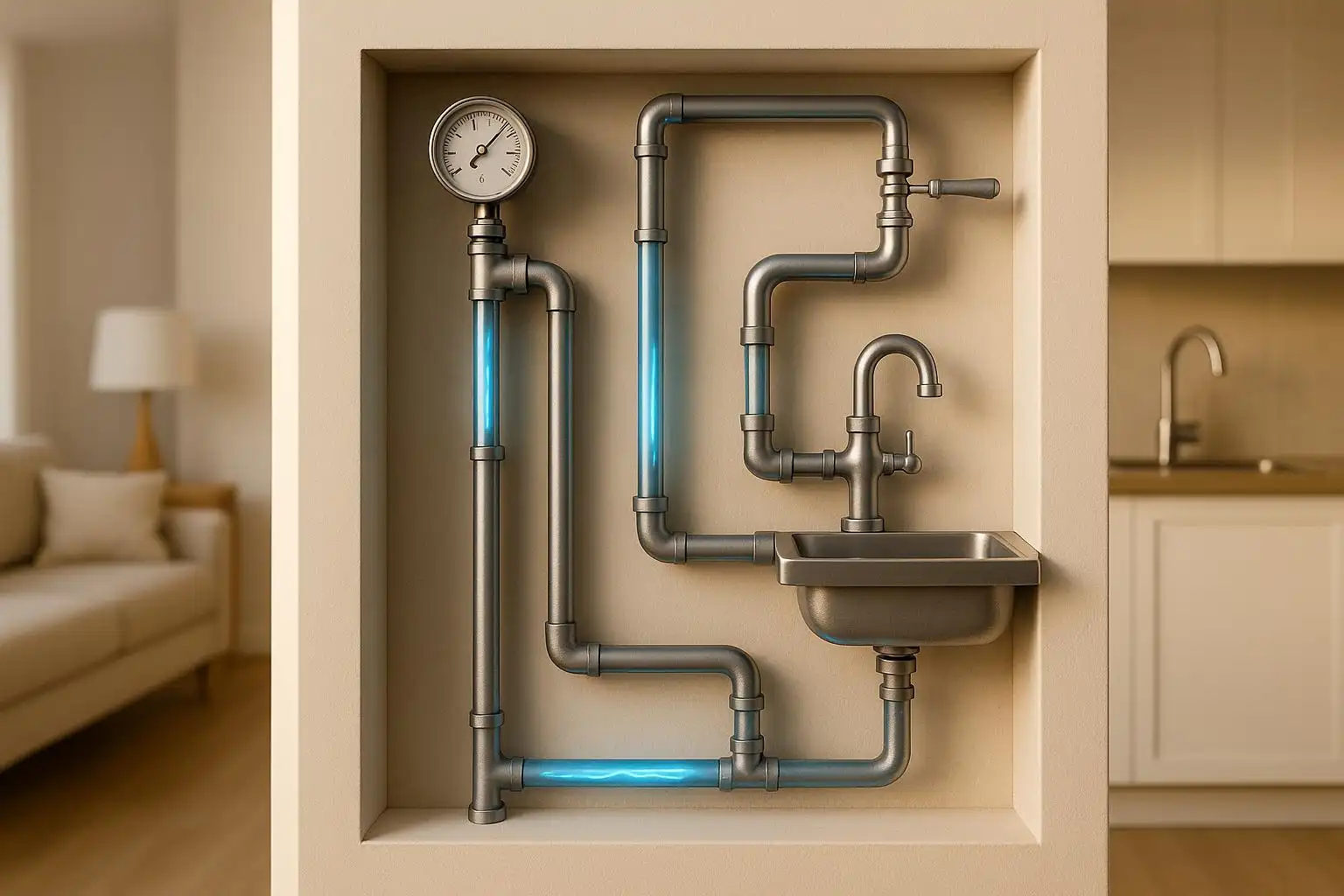
Understanding Water Pressure in Your Plumbing System
Water pressure is a key factor in ensuring your home's plumbing works smoothly. Whether you're dealing with low flow in the shower or planning a new irrigation setup, knowing the pressure in your pipes can save you time and hassle. Our water line repair services can help diagnose and fix pressure issues in your home. Tools like a water pressure estimator make it simple to get a handle on these numbers without needing a pro on speed dial.
Why Calculate Pipe Pressure?
Pressure loss happens naturally as water moves through pipes due to friction and other factors like length or narrow diameters. If you’ve ever noticed a weak faucet far from your main line, that’s likely why. By using a tool to measure pressure drop, you can pinpoint potential issues and make informed decisions about pipe upgrades or maintenance. It’s especially handy for DIY folks who want to optimize their system.
Beyond the Basics
While online calculators provide quick insights, remember that every home setup is unique. Factors like elevation or pipe material can tweak the results a bit. Still, starting with a solid estimate empowers you to tackle plumbing projects with confidence. Curious about your system? Plug in your numbers and see what’s flowing!
FAQs
How accurate is this water pressure calculator?
Our tool uses a simplified version of the Bernoulli equation and standard friction coefficients to estimate pressure loss. It’s pretty reliable for basic home systems, but keep in mind that real-world factors like pipe material, elevation changes, or fittings might cause slight differences. Think of this as a solid starting point, and consult a professional for critical projects.
What inputs do I need to calculate water pressure?
You’ll need three things: the diameter of your pipe in inches, the flow rate in gallons per minute (GPM), and the length of the pipe in feet. These help the tool figure out friction losses and give you an estimated pressure in PSI. If you’re unsure about exact numbers, just use your best guess for a rough idea.
Why does water pressure vary in my system?
Water pressure can change due to a bunch of reasons. Pipe length and diameter play a big role because of friction, but elevation differences, blockages, or even the time of day (due to municipal supply changes) can affect it too. Our calculator focuses on basic friction loss, so it’s a helpful guide, but not the whole picture for complex setups.
Need Professional Help?
Our licensed plumbers are ready to help with your water line services needs.