Water Heater Efficiency Checker for Savings
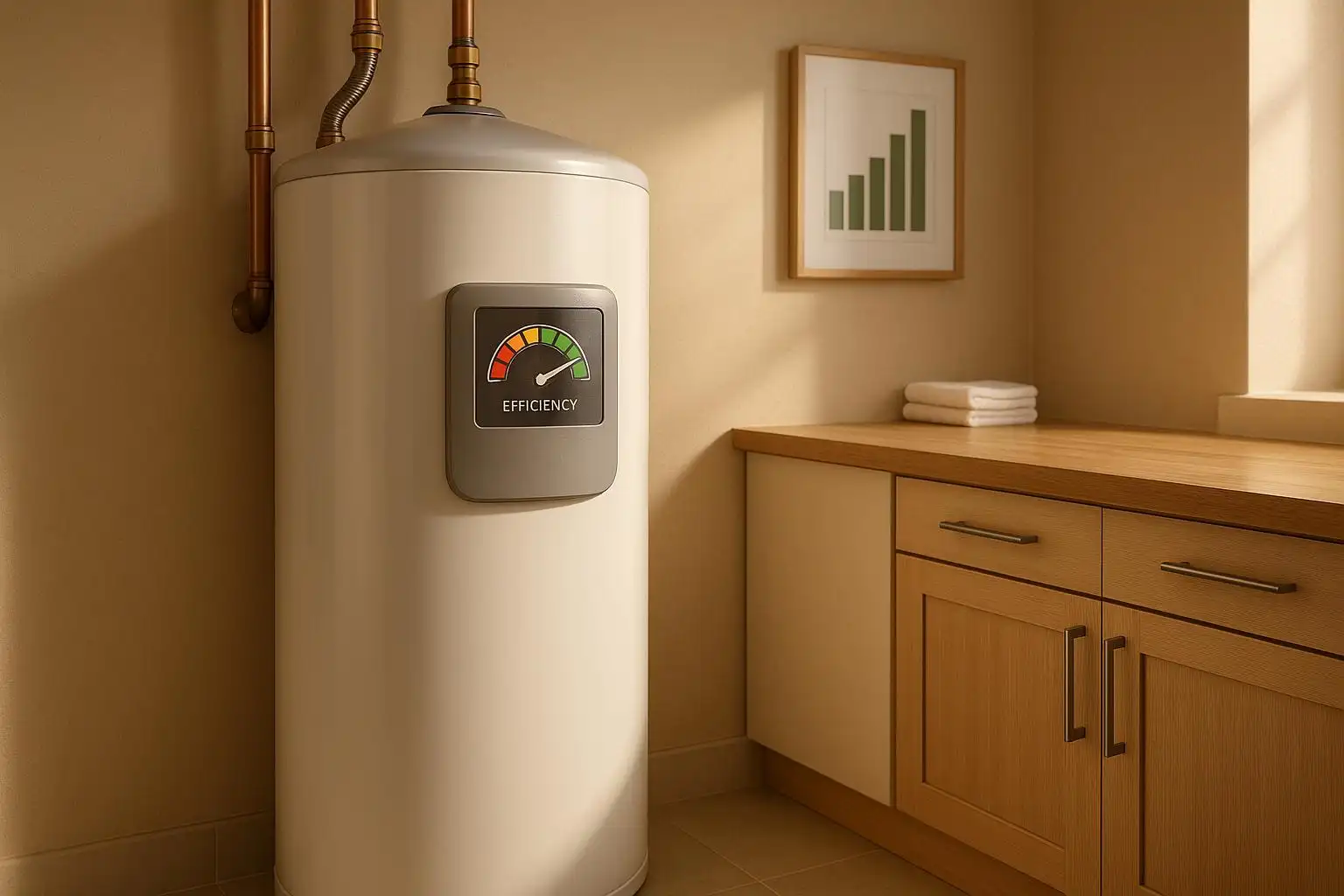
Understanding Water Heater Efficiency
When it comes to managing household expenses, heating water often sneaks up as a major cost. Many homeowners don't realize how much energy their system consumes until the bills pile up. Our water heater repair and installation services can help you upgrade to a more efficient system. That’s where a tool to evaluate your water heater’s performance can be a game-changer. By assessing factors like the type of unit, its age, and your daily usage, you can uncover whether your setup is draining your wallet more than necessary.
Why Efficiency Matters
Older units, especially traditional storage tanks, tend to lose heat over time, forcing them to work harder and use more energy. Modern alternatives, such as on-demand systems, often boast higher ratings on the Energy Factor scale, meaning they convert more energy into hot water with less waste. Checking how your current model stacks up against these standards can reveal opportunities to save.
Taking Control of Costs
Beyond just identifying inefficiencies, understanding your system’s performance empowers you to make smart decisions. Maybe it’s time for an upgrade, or perhaps small tweaks to usage habits could help. Either way, getting a clear picture of energy consumption is the first step toward a more budget-friendly home.
FAQs
How accurate are the energy cost estimates?
Our tool uses average utility rates—like $0.12 per kWh for electricity and $1.50 per therm for gas—to give you a ballpark figure for annual costs. Keep in mind, though, that local rates and your actual usage patterns can vary quite a bit. Think of this as a helpful starting point, not an exact bill prediction. For the most precise numbers, check your utility statements and compare.
What’s the difference between tankless and storage tank heaters?
Tankless heaters warm water on demand, so they’re often more efficient since they’re not constantly maintaining a hot water reserve. Storage tank models, on the other hand, keep a large volume of water heated at all times, which can use more energy, especially if the tank is old or poorly insulated. Our tool factors in these differences to estimate efficiency based on your specific setup.
Should I upgrade my water heater?
That depends on a few things, like the age of your current unit and its efficiency rating. If your heater is over 10-15 years old, it’s likely less efficient than newer models with better technology. Our tool crunches the numbers to show potential savings with an upgrade, but remember that upfront costs and local energy prices play a role too. Use our results as a guide to start the conversation.
Need Professional Help?
Our licensed plumbers are ready to help with your water heater services needs.