Washing Machine Drain Overflowing in Miami? What It Usually Means
Washing Machine Drain Overflowing in Miami? What It Usually Means
A laundry overflow often looks like an appliance problem at first, but the real question is whether the wastewater has anywhere to go.
Why a washer overflow is not always just a washer problem
If your washing machine drain is overflowing in Miami, the stressful part is not the puddle by itself. It is the uncertainty that comes right after: is this a small laundry-room clog, or is the house telling you something bigger is starting to fail?
That distinction matters because Hernandez Plumbing does not treat every drain problem the same way. Its drain cleaning service page separates kitchen, bathroom, floor-drain, and main-line work, and its Miami residential page says the team clears kitchen, bath, laundry, and main line clogs with snaking, jetting, and camera verification when needed. In other words, the overflow near the washer is the symptom. The real issue may be the laundry drain alone, a shared branch line, or the main line that every drain in the house depends on.
The good news is that the clues usually get clearer once you stop treating it like a random mess and start watching when it happens and what else reacts. Hernandez Plumbing's drain-cleaning pages repeatedly point readers to the same warning pattern: slow draining, gurgling, foul odors, water backing up, and multiple drains acting up at once. Those clues are more useful than guessing whether the washer itself is "going bad."
A simple rule helps here: if the problem appears only when the washer dumps water out, you are almost always dealing with the waste side of the plumbing, not the fresh-water side. That still leaves more than one possible cause, but it narrows the conversation fast.
What the timing of the overflow usually tells you
When a washer overflows, the timing is the shortcut.
If the overflow happens while the machine is draining, the plumbing system is failing to move wastewater away quickly enough. Hernandez Plumbing's emergency guide makes this practical by telling homeowners to know where the washer shut-off valves are before anything goes wrong. That is useful because once the drain cycle starts pushing water out, "let me just see if the next minute gets better" is usually the wrong instinct.
Here is the clearer way to read the symptom:
| What you notice first | What it often suggests | Why it matters |
|---|---|---|
| Water rises or spills only at the washer drain area during pump-out | A clog or restriction close to the laundry drain may still be possible | The problem may be local, but it still needs attention before the next load |
| The overflow is paired with slow drainage elsewhere | A shared branch line may be struggling | The issue is no longer isolated to one corner of the house |
| The washer drains and another fixture gurgles or bubbles | Air and wastewater are fighting for space in a deeper section of the system | A deeper blockage or venting issue becomes more likely |
| Multiple fixtures are slow, backing up, or smelling bad | Main-line trouble moves higher on the list | Stop using water and treat it as an urgent plumbing problem |
 Miami homes span everything from older cast-iron neighborhoods to newer condos, so the same laundry overflow can point to very different drain-system weak spots.
That local context matters. Hernandez Plumbing's Miami residential drain-cleaning page highlights older housing stock, cast iron deterioration, high humidity, and storm pressure on home plumbing. A laundry overflow in a newer condo does not always mean the same thing as the same symptom in an older single-family home with aging drain lines.
This is also where homeowners lose time by going straight to the wrong fix. The DIY drain snake article says home snaking is best for minor clogs and warns that main sewer lines, deep clogs, recurring clogs, and multi-fixture backups are not good DIY jobs. That does not mean you can never clear a nearby laundry clog. It means the symptom pattern should decide how far you push the DIY approach.
When other fixtures change the diagnosis
The fastest way to tell whether the washer is only the messenger is to watch the rest of the house.
Hernandez Plumbing's sewer-backup page and drain-cleaning guide both call out the same danger signs: multiple drains backing up, sewage smell, gurgling drains, toilets backing up, water in floor drains, and standing water around floor drains. Those are not "wait and see" details. They are the clues that move you from a clogged laundry drain conversation into a sewer-line or shared-line conversation.
The company's DIY drain snake article gets even more specific. It says water backing up into other fixtures - such as one fixture causing trouble somewhere else - points to a deeper plumbing issue. That is the same reason a washer overflow means more when the kitchen sink starts gurgling, when a nearby tub makes noise, or when a toilet reacts during the drain cycle. Once the problem crosses fixtures, you are no longer looking at a narrow laundry-room annoyance.
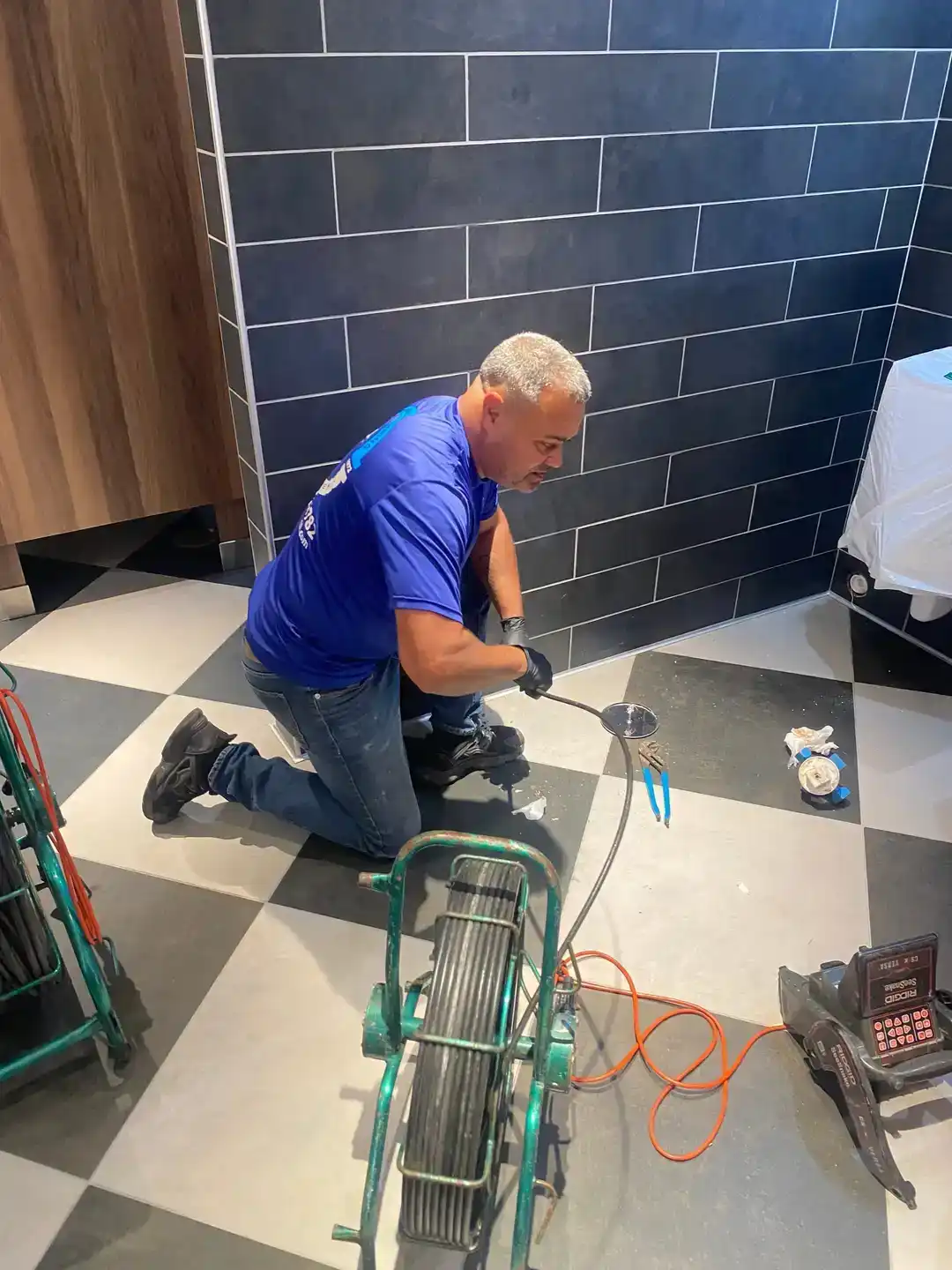 Cross-fixture symptoms matter because the real blockage may sit farther down the line than the place where the water first shows up.
A few examples make that clearer:
- Washer overflow and nothing else acts up: a nearby laundry drain restriction may still be possible.
- Washer overflow plus sink gurgling: a deeper shared line starts to look more likely.
- Washer overflow plus toilet bubbling or sewage smell: the risk profile changes fast toward main-line trouble or a sewer-backup scenario.
- Washer overflow plus water at a floor drain: treat it as a whole-system warning, not a washer-only problem.
This is why Hernandez Plumbing's drain-cleaning guide says main sewer line problems affect every drain in the home. The overflow does not have to show up everywhere at once to count. One strong cross-fixture reaction is enough to stop running the house like normal.
What to stop doing before the next load
Once the washer has overflowed, the next goal is not to prove you can squeeze one more load through. It is to avoid turning a plumbing problem into a cleanup problem.
Start with the conservative steps Hernandez Plumbing already publishes:
- Stop using the washer. If the system could not handle the last discharge, another drain cycle is more likely to spread the backup than fix it.
- Know your shut-offs. The emergency guide says washer shut-off valves are usually behind the unit, and the main water shut-off is commonly near the meter or where water enters the house.
- Watch the rest of the house. If other fixtures are slow, gurgling, or backing up, treat the problem as larger than the laundry room.
- Keep people and pets away if sewage is involved. Hernandez Plumbing's sewer-backup page says to keep children and pets far from backed-up sewage and avoid direct contact.
- Do not keep pouring chemicals into the line. The sewer-emergency page says chemical drain cleaners can corrode pipes and worsen the problem, and the DIY drain snake article warns they create added safety risks.
If the overflow crossed into sewage-backup territory, the cleanup rules get stricter. The U.S. Environmental Protection Agency says homeowners should avoid contact with sewage because it may contain harmful pathogens, and that cleanup personnel should wear protective clothing. Miami-Dade County's disaster recovery guidance adds that if sewage has backed into the house, you should wear rubber boots and waterproof gloves during cleanup and discard contaminated porous materials such as rugs, cloth, wall coverings, and drywall that cannot be disinfected.
That is why the right stopping point matters. If you are dealing with wastewater near living areas, the question is no longer "Can I coax this line through one more wash?" The better question is "Am I about to spread contamination farther through the house?"
When professional drain cleaning or camera work makes sense
Some washer overflows are narrow enough that the fix stays in the drain-cleaning lane. Others need deeper confirmation.
Hernandez Plumbing's drain-cleaning service pages lay out the logic pretty clearly:
- Snaking is a first-line option for softer or simpler blockages.
- Hydro jetting is better for heavier buildup when a more complete cleaning is needed.
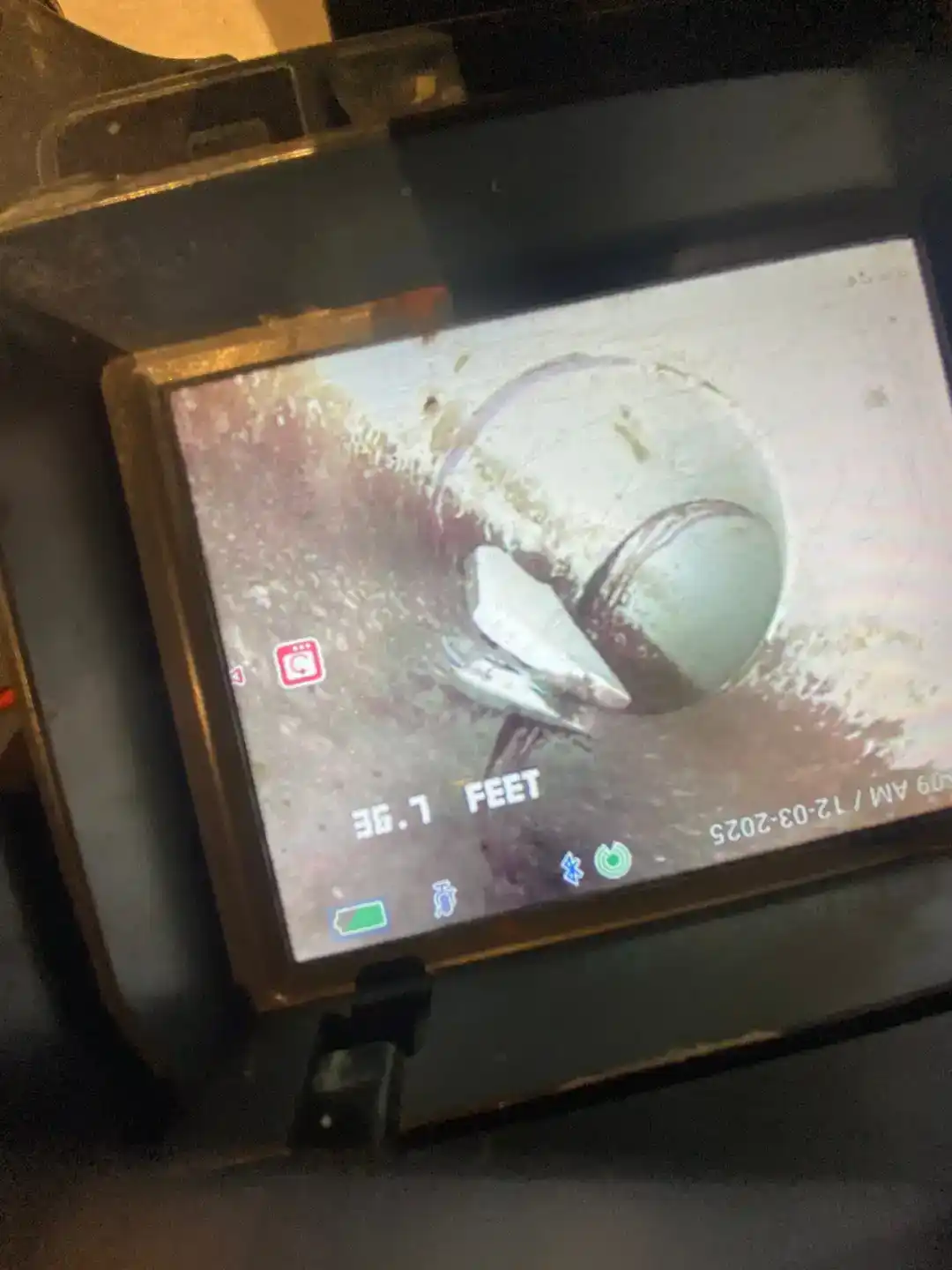
- Video inspection helps show the actual problem and confirm the line is clear.
That matters most in the cases homeowners hate most: recurring overflows, one fix that does not last, or a laundry overflow that comes packaged with other warning signs. The drain-cleaning guide says recurring clogs often mean a deeper problem such as tree roots, pipe damage, improper slope, or buildup that simple snaking cannot fully solve. The sewer-backup FAQ says Hernandez Plumbing often clears the immediate blockage first, then uses a sewer camera to identify the root cause and decides whether hydro jetting is necessary.
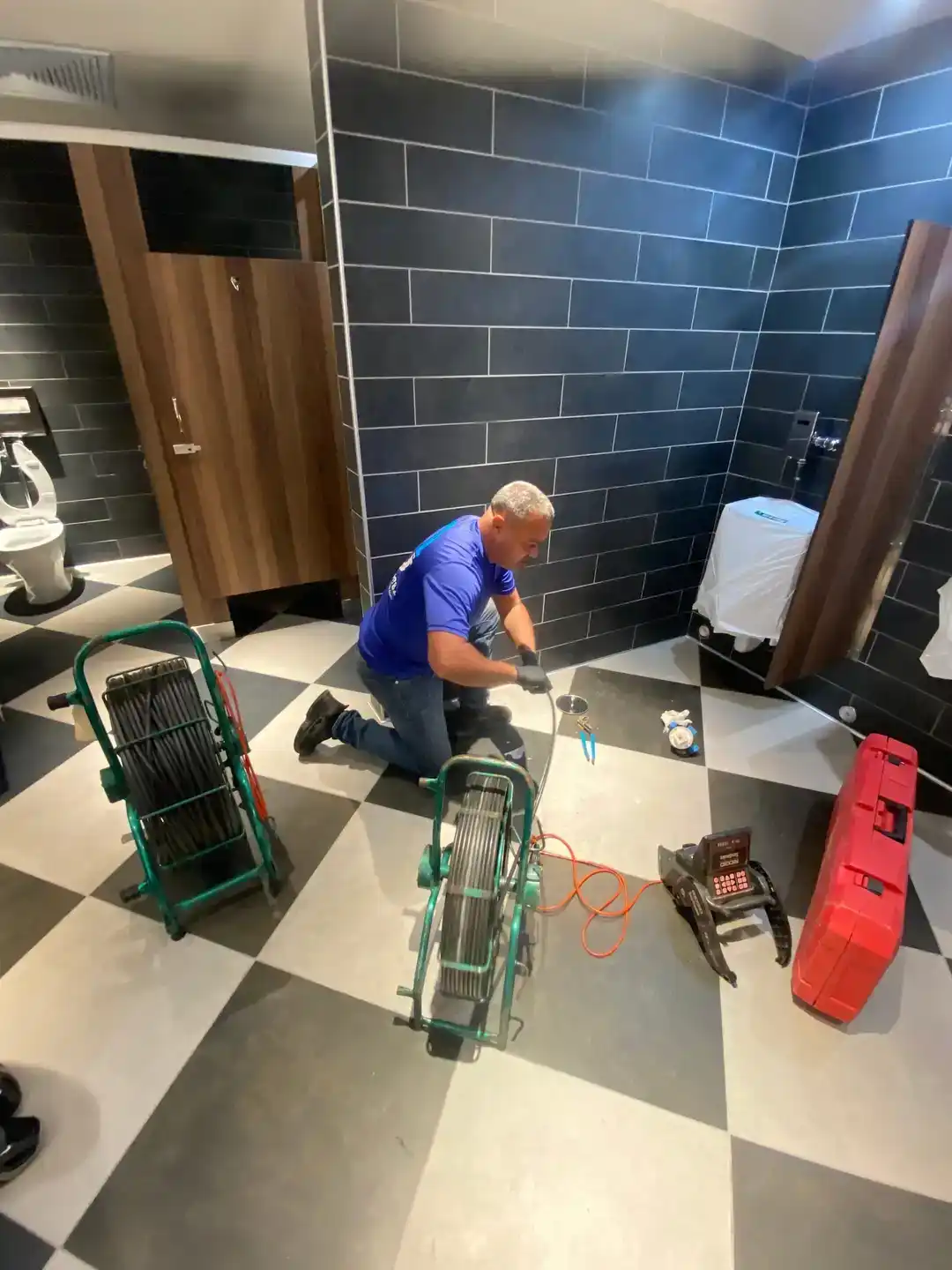 Camera work earns its keep when the same overflow keeps coming back or the symptoms spread beyond the laundry room.
A practical call-for-help checklist looks like this:
- the washer overflowed more than once,
- other fixtures react when the washer drains,
- you smell sewage,
- water is appearing at a floor drain,
- the home has older cast iron or a history of recurring drain trouble,
- or your cleanup plan now involves contamination instead of a simple puddle.
At that point, you are not paying for guesswork. You are paying to stop the cycle of temporary relief followed by the next backup.
When Hernandez Plumbing is worth calling
Hernandez Plumbing positions residential drain cleaning in Miami as work that covers laundry drains, main lines, and camera verification when needed. The company's Sewer Backup page treats multi-fixture backups and sewage exposure as urgent situations, while its emergency plumbing guide frames sewage entering the home and any situation where you cannot stop the water flow as true emergencies.
That gives you a reasonable dividing line:
- Call soon if the washer overflow appears limited but keeps returning.
- Call urgently if other fixtures react, foul odors show up, or the overflow becomes a wastewater event.
- Stop testing the system once the clues point to a deeper line issue.
When you call, give the plumber the details that actually move the diagnosis forward:
- Did the overflow happen only during drain or spin?
- Did any sink, tub, toilet, or floor drain react at the same time?
- Did you smell sewage?
- Has this happened before?
- Is the house older or known to have cast iron drain lines?
That is a much better starting point than saying only, "The washer is leaking." In many Miami homes, the washer is not leaking at all. It is simply the first place the drain system chose to show you that it is losing the fight.
This article is for general education only. For sewage exposure, active backups, or repair decisions, confirm the next step with a licensed plumber and any relevant local utility or emergency guidance.