Ultimate Guide to Preventing Drain Clogs at Home
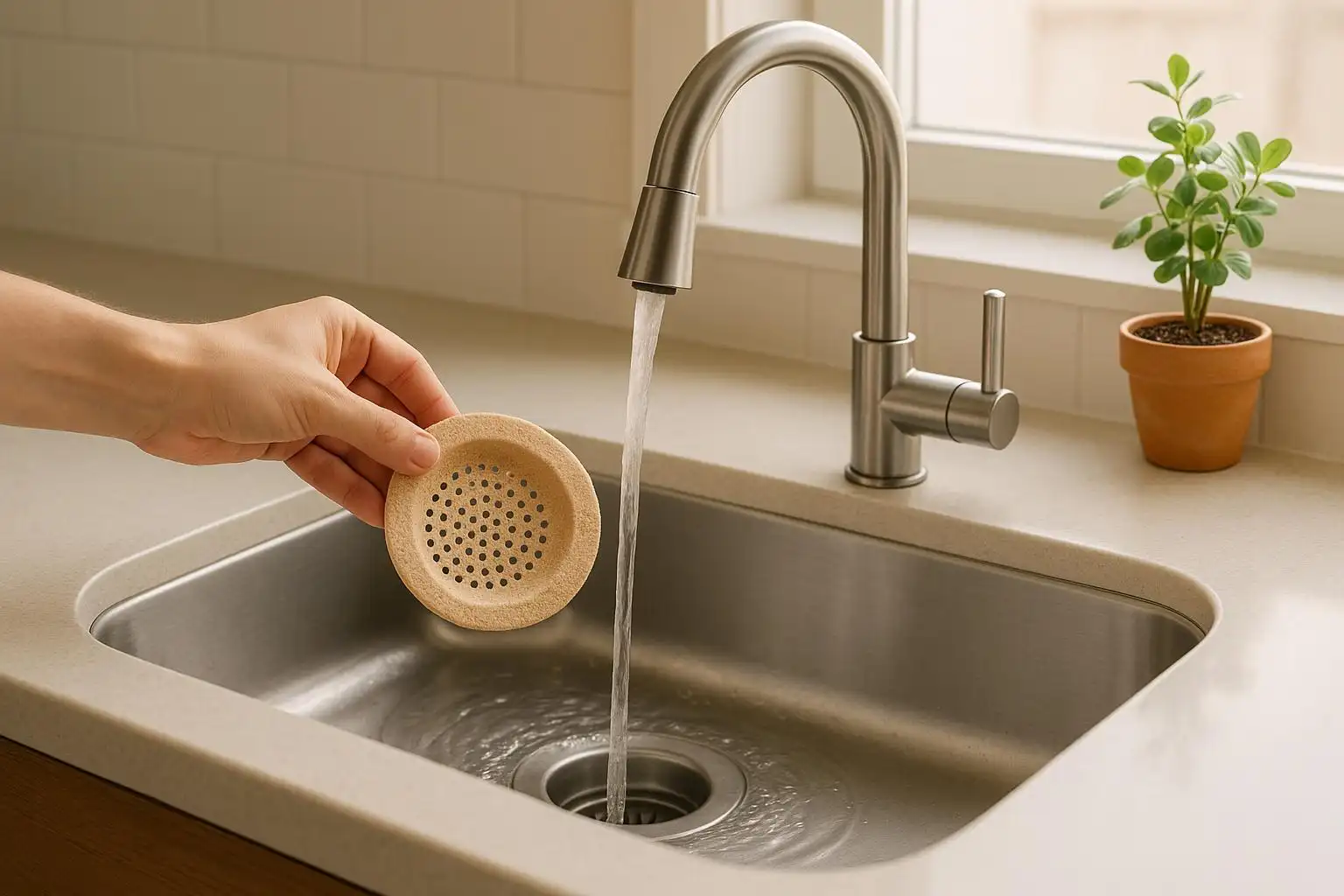
Clogged drains can lead to costly repairs, health risks, and major plumbing issues. The good news? Preventing them is simple with regular care and smart habits. Here’s a quick breakdown of what you need to know:
- Common Causes: Hair, grease, soap scum, food scraps, and "flushable" wipes are the usual culprits.
- DIY Solutions: Use hot water flushes, natural cleaners like baking soda and vinegar, or tools like plungers and drain snakes.
- Prevention Tips: Avoid pouring grease down drains, use drain guards, and never flush non-degradable items like wipes or hygiene products.
- Mistakes to Avoid: Overusing chemical cleaners, ignoring slow drains, or using improper tools can damage your pipes.
- When to Call a Pro: Recurring clogs, multiple drain backups, or foul odors may signal deeper issues requiring professional help.
Prevent Drain Clogs With 10 Helpful Tips
DIY Maintenance Techniques
Keeping your drains in good shape doesn’t always require calling in a professional. With a few simple tools and everyday household items, you can tackle buildup before it turns into a bigger issue. Here’s how to keep your drains flowing smoothly.
Hot Water Flushes
A hot water flush is a quick and easy way to clear minor clogs caused by grease or soap scum. Start by bringing water to a rolling boil. Slowly pour it down the drain in stages, allowing it to work through the buildup. Follow this by running hot tap water for about 30 seconds to rinse away any loosened debris. For kitchen sinks, doing this weekly can help prevent clogs from forming.
Natural Cleaning Solutions
If you want to avoid harsh chemicals, natural cleaners are a great alternative. These methods are safe for your pipes and just as effective:
- Baking Soda and Vinegar: Pour ½ cup of baking soda down the drain, followed by ½ cup of vinegar. Cover the drain, let it sit for an hour, and then flush with boiling water.
- Dish Soap and Hot Water: For grease clogs, mix a few tablespoons of liquid dish soap into 2 liters of boiling water. Slowly pour the mixture down the drain to break down grease.
- Baking Soda and Salt: Combine ½ cup of baking soda with ½ cup of salt. Pour the mixture into the drain, let it sit for 30 minutes (or overnight for tougher clogs), and flush with boiling water.
- Salt, Borax, and Vinegar: Mix ¼ cup of salt, ¼ cup of Borax, and ½ cup of vinegar. Add boiling water, let it sit for an hour, and rinse with hot tap water.
- Baking Soda and Lemon Juice: Combine ½ cup of baking soda with ½ cup of lemon juice, pour it down the drain, wait an hour, and finish with boiling water. This not only clears buildup but leaves a fresh, clean scent.
Basic Tools for Minor Blockages
When natural solutions don’t cut it, a few basic tools can help clear more stubborn blockages:
- Plungers: These create pressure to dislodge clogs. Cup plungers work well for sinks and bathtubs, while flange plungers are designed for toilets. They typically cost $5 to $20. To use, ensure the plunger forms a tight seal around the drain, add enough water to cover the cup, and pump vigorously.
- Drain Snakes: Also called plumbing snakes or drain augers, these flexible tools can reach deep into pipes to break up clogs. They range from $10 to $50. Insert the snake into the drain while rotating it, and wear gloves for safety.
- "Zip it" Drain Cleaners: These inexpensive plastic tools are designed to remove hair from drains. The small barbs catch and pull out hair as you remove the tool.
Enzyme-Based Drain Cleaners
Enzyme-based cleaners are a gentle way to maintain your drains. They use natural enzymes and bacteria to break down organic matter like hair, soap scum, and food particles. These cleaners are ideal for prevention rather than immediate fixes, as they need 6–8 hours to work. Apply the cleaner to a dry drain before bedtime and flush with warm water in the morning. They’re safe for pipes, septic systems, and even households with kids and pets.
DIY Solutions Comparison
| Method | Effectiveness | Safety | Cost | Ease of Use | Best For |
|---|---|---|---|---|---|
| Hot Water Flush | Good for minor buildup | Safe | Under $1 | Easy | Grease, soap scum |
| Baking Soda & Vinegar | Good for organic clogs | Safe | Under $2 | Easy | General maintenance |
| Dish Soap & Hot Water | Excellent for grease | Safe | Under $2 | Easy | Kitchen grease clogs |
| Plunger | Good for blockages | Safe with proper use | $5–$20 | Moderate | Physical blockages |
| Drain Snake | Excellent for deep clogs | Safe with gloves | $10–$50 | Moderate skill required | Hair, deep clogs |
| Enzyme Cleaners | Good for prevention | Safe | Varies | Easy | Organic buildup |
Natural solutions and enzyme-based cleaners are ideal for regular maintenance and safety, while tools like plungers and drain snakes are better for tackling immediate, stubborn clogs. With these simple techniques, you can keep your drains in top shape and avoid unnecessary service calls.
Daily Prevention Habits
Keeping your drains clear often starts with simple, everyday practices. While DIY fixes can handle clogs that already exist, these habits can help you avoid them in the first place.
What Never to Put Down Drains
Some common household items can wreak havoc on your plumbing. Grease, fat, and oils are among the worst offenders, responsible for over 47% of sewer overflows in the U.S.. When these substances cool, they solidify and create stubborn blockages.
In the kitchen, never pour cooking fats down the drain. Instead, collect them in a container and toss them in the trash. Coffee grounds and eggshells are also problematic – they tend to build up over time, so compost them or throw them away instead.
For bathroom drains, avoid flushing items like condoms, feminine hygiene products, cotton swabs, or dental floss. Even "flushable" wipes can cause blockages. Unlike toilet paper, they don’t break down properly and can clog pipes.
Dispose of medications and chemicals at designated disposal centers to prevent not only clogs but also harm to the environment.
By following these practices, you’ll set the stage for effective use of tools like drain guards, which are covered in the next section.
Drain Guards and Strainers
Drain guards and strainers are simple tools that can block debris before it becomes a problem. In the kitchen, use a sink strainer to catch food scraps and coffee grounds. Empty the strainer regularly to prevent buildup, and always scrape plates into the trash or compost before rinsing them.
For bathroom drains, a hair catcher in the shower can trap loose strands, one of the most common causes of clogs. Clean the hair catcher weekly, and consider brushing your hair before showering to minimize shedding.
Across your home, drain screens offer an easy way to stop debris from entering pipes. These inexpensive tools can save you from costly plumbing repairs down the line.
Seasonal Maintenance
In addition to daily habits, adjusting your routine with the seasons can make a big difference. Seasonal changes can put extra stress on your drains.
Each week, pour a kettle of hot water down the kitchen sink to dissolve grease buildup. In the bathroom, clean drain stoppers regularly to remove hair and soap residue that can slow water flow.
During holiday seasons, when cooking increases and food waste piles up, be extra diligent about scraping plates and using sink strainers. In winter, grease solidifies faster in colder pipes, so hot water flushes become even more important.
Common Mistakes to Avoid
Homeowners often make avoidable mistakes that can turn a simple clog into an expensive plumbing repair. Being aware of these pitfalls can help you protect your pipes and avoid unnecessary costs.
Overusing Chemical Cleaners
Reaching for chemical drain cleaners might seem like the fastest solution, but it’s one of the worst things you can do for your plumbing. These products are packed with harsh chemicals, like sodium hydroxide, that can eat away at your pipes over time.
"A chemical drain cleaner contains strong acids and alkalines that can corrode pipes and create dangerous fumes." – Intelligent Design
Whether your pipes are PVC, metal, or galvanized, every use of these cleaners weakens them, increasing the risk of leaks or even complete pipe failure. To make matters worse, chemical cleaners often fail to clear certain types of clogs, leading to repeated use and compounded damage. Instead, opt for safer options like enzymatic cleaners or natural remedies such as hot water and baking soda. These alternatives are gentler on your plumbing and can still be effective without the risks associated with harsh chemicals.
Ignoring Slow Drains
A slow drain might not seem like a big deal, but it’s often a sign that debris is building up in your pipes. Hair, soap scum, and other materials can form partial blockages that, if ignored, can turn into full clogs. Cleaning pop-up stoppers and removing residue weekly can prevent these small issues from snowballing into costly repairs.
Improper Use of DIY Tools
DIY tools can be helpful, but using them incorrectly can do more harm than good. For instance, improper plunging techniques can push clogs deeper into the pipes or damage toilet seals. Always use a high-quality plunger with short, controlled strokes, and for toilets, choose a flange plunger for a better seal.
Avoid using sharp objects like coat hangers or knives to clear clogs, as they can scratch or puncture your pipes. If you need to manually remove a blockage, stick to tools designed for the job, like an auger or drain snake. Even then, improper use of these tools – such as applying too much force – can cause scratches, push clogs further down, or even break the tool inside the pipe. And whatever you do, don’t try using a garden hose to force water through a drain or sewer line. The high pressure can damage pipes and lead to water backups. When in doubt, calling a professional is always the safer option.
Mistakes and Solutions
Here’s a quick summary of common plumbing mistakes and smarter alternatives:
| Common Mistake | Potential Consequences | Better Alternative |
|---|---|---|
| Overusing chemical drain cleaners | Pipe corrosion, leaks, dangerous fumes | Use enzymatic cleaners, hot water, or baking soda |
| Ignoring slow-draining fixtures | Full blockages and costly repairs | Address issues early with regular cleaning |
| Using sharp objects to clear clogs | Scratched pipes, deeper clogs, potential damage | Use a proper auger or consult a professional |
| Incorrect plunging technique | Deeper clogs, damaged seals | Use controlled strokes with a quality plunger |
| Using a garden hose in drains | Pipe damage and water backups | Opt for professional hydro-jetting services |
| Skipping pop-up stopper maintenance | Hair and debris buildup causing slow drainage | Clean stoppers weekly to prevent blockages |
When it comes to DIY plumbing, knowledge is everything. Mistakes can lead to costly repairs that far exceed the price of calling a professional in the first place. Taking the time to understand the right tools and techniques can save you both time and money in the long run.
When to Call a Professional
When dealing with major clogs or recurring drainage problems, it’s often time to call in a licensed plumber. Ignoring the warning signs could lead to costly damage, so knowing when to seek professional help is essential.
Signs You Need Professional Help
If multiple drains in your home are backing up at the same time, it’s a strong indication of a main sewer line blockage. For example, when your kitchen sink, bathroom drains, and toilet all act up simultaneously, the issue likely goes beyond individual fixtures and stems from your main sewer line.
Persistent foul odors coming from your drains could signal a sewage backup, which not only smells unpleasant but also poses health risks to your household.
Standing water that refuses to drain is another major red flag. In fact, statistics reveal that 80% of standing water cases in homes are caused by clogged drainage pipes.
Pay attention to gurgling sounds during drainage. These noises often indicate trapped air due to obstructions, which, if ignored, can lead to pipe damage. Similarly, fluctuating water levels in your toilet bowl may point to blockages in the drain line or problems with the sewer vent stack.
Don’t overlook outdoor warning signs either. Foul odors around your yard or soft, wet patches of ground near your home’s foundation could suggest a leak in your sewer line or underground plumbing. These issues often require specialized tools and expertise to diagnose and fix.
"Unresolved clogs despite DIY methods suggest a complex issue requiring professional intervention"
Frequent clogs are another indicator of deeper issues. Research shows that 85% of recurring clogs are linked to residue buildup inside pipes. These buildups often demand professional cleaning techniques to resolve fully.
Hernandez Plumbing Services
When these warning signs appear, turning to trusted professionals is your best bet. Hernandez Plumbing has decades of experience and offers a range of solutions tailored to local needs. Their licensed and certified technicians specialize in drain cleaning services that go far beyond the capabilities of standard household tools.
Hernandez Plumbing provides 24/7 emergency services, so you won’t have to wait until regular business hours to address sewage backups or completely blocked drains.
Their technicians arrive equipped to handle most repairs on the spot. In addition to drain cleaning, they offer services like leak detection, water line replacement, and cast iron pipe replacement.
To help you assess the problem, Hernandez Plumbing offers a $49 residential plumbing diagnostic (regularly $97). This affordable service provides clarity about your plumbing issue before you commit to repairs. You can schedule an appointment by calling 305-428-3782.
"We understand that plumbing issues can be stressful. Whether you’re remodeling a bathroom or just need your toilet unclogged, we have highly experienced plumbers ready to help." – Hernandez Plumbing
Benefits of Professional Help
Hiring a licensed plumber offers benefits that go beyond simply clearing a clog. Professionals provide insured, long-lasting solutions while adhering to current codes, which ultimately saves you time and money.
Unlike temporary fixes, professional plumbers address the root cause of your plumbing issues. As plumbing expert David "Rudy" Rudisill explains:
"Hiring a professional plumber offers numerous benefits that can save you time, money, and stress in the long run"
They can also identify potential problems before they escalate into costly repairs, potentially saving you thousands of dollars down the line.
Hernandez Plumbing takes the guesswork out of repairs with flat-rate upfront pricing and a satisfaction guarantee on all parts and labor. Their mission statement reflects this commitment:
"Our goal is to give the highest level of service and leave each home’s plumbing problem completely solved, providing our customers with a 100% Satisfaction Guarantee." – Hernandez Plumbing
The peace of mind that comes with professional service is invaluable. For instance, in November 2021, a customer named Victor R. praised Hernandez Plumbing for handling his bathroom repair issues "with urgency and ownership".
If your DIY efforts aren’t solving the problem or if you’re noticing multiple warning signs, calling a professional is the best way to protect your home and ensure your family’s safety.
Conclusion
Keeping your drains clear starts with consistent care, smart habits, and knowing when to call in the pros. Simple DIY techniques – like flushing with hot water or using enzyme-based cleaners – work best when done regularly.
Everyday prevention is key to avoiding clogs. Small actions, like using drain guards, keeping grease and food scraps out of your sink, and scheduling seasonal checkups, can go a long way. As Eddie Buzzell, a former musician and construction manager, wisely says:
"Figuring out what causes issues in the first place – preventive plumbing – is the best cure."
While daily habits are essential, steering clear of common mistakes is just as important. Overusing chemical drain cleaners can damage your pipes and harm the environment. And if clogs keep coming back, it might be a sign of a bigger issue that needs professional attention. Persistent problems like multiple clogs, bad odors, or strange gurgling sounds are clear signals to bring in an expert before things spiral into major plumbing or water damage.
This guide emphasizes that staying proactive with maintenance and addressing warning signs early are your strongest tools for avoiding costly repairs. Regular plumbing checkups can save you money by catching small issues before they turn into expensive fixes. And when DIY efforts don’t cut it, a professional plumber can ensure the job gets done right. Taking these steps keeps your plumbing dependable for the long haul.
FAQs
What are the long-term advantages of using enzyme-based drain cleaners over chemical ones?
Enzyme-based drain cleaners provide lasting advantages for keeping your plumbing in good shape. Unlike harsh chemical cleaners that can damage pipes and disrupt septic systems, these cleaners rely on natural bacteria and enzymes to break down organic buildup. This approach not only helps prevent clogs but also encourages a healthier plumbing system by supporting beneficial bacterial activity.
Another plus? Enzyme-based cleaners are a safer and more eco-conscious option. They don’t introduce harmful chemicals into your pipes or the environment, making them a smart choice for homeowners who want a sustainable and pipe-friendly way to maintain clear drains.
How can I tell if a slow drain is just a minor issue or something more serious?
A slow drain might seem like a small inconvenience, especially if it clears up with quick fixes like removing debris or using a basic drain cleaner. But if the issue sticks around – or you notice foul smells, gurgling noises, or the problem getting worse – it could point to something more serious, like a stubborn clog deeper in the system or even a sewer line issue.
When simple solutions don’t work, it’s a smart move to call in a professional plumber. Ignoring the problem could lead to bigger headaches and expensive repairs later on.
When should I call a professional plumber instead of trying to fix a drain issue myself?
If you’re facing stubborn drain clogs, recurring backups, or slow drainage that won’t improve despite your best DIY efforts, it’s time to call in a professional plumber. Other red flags include low water pressure, visible signs of water damage, or strange odors wafting from your drains. When it comes to more severe problems like burst pipes, sewer line issues, or major water leaks, professional intervention is crucial to prevent further damage and costly repairs.
For those in Miami, FL, Hernandez Plumbing is a trusted option. They provide dependable services, including 24/7 emergency support and transparent upfront pricing, ensuring your plumbing problems are handled promptly and effectively.
Need Professional Help?
Our licensed plumbers are ready to help with your drain cleaning needs.