Top 7 Benefits Of Professional Water Line Upgrades
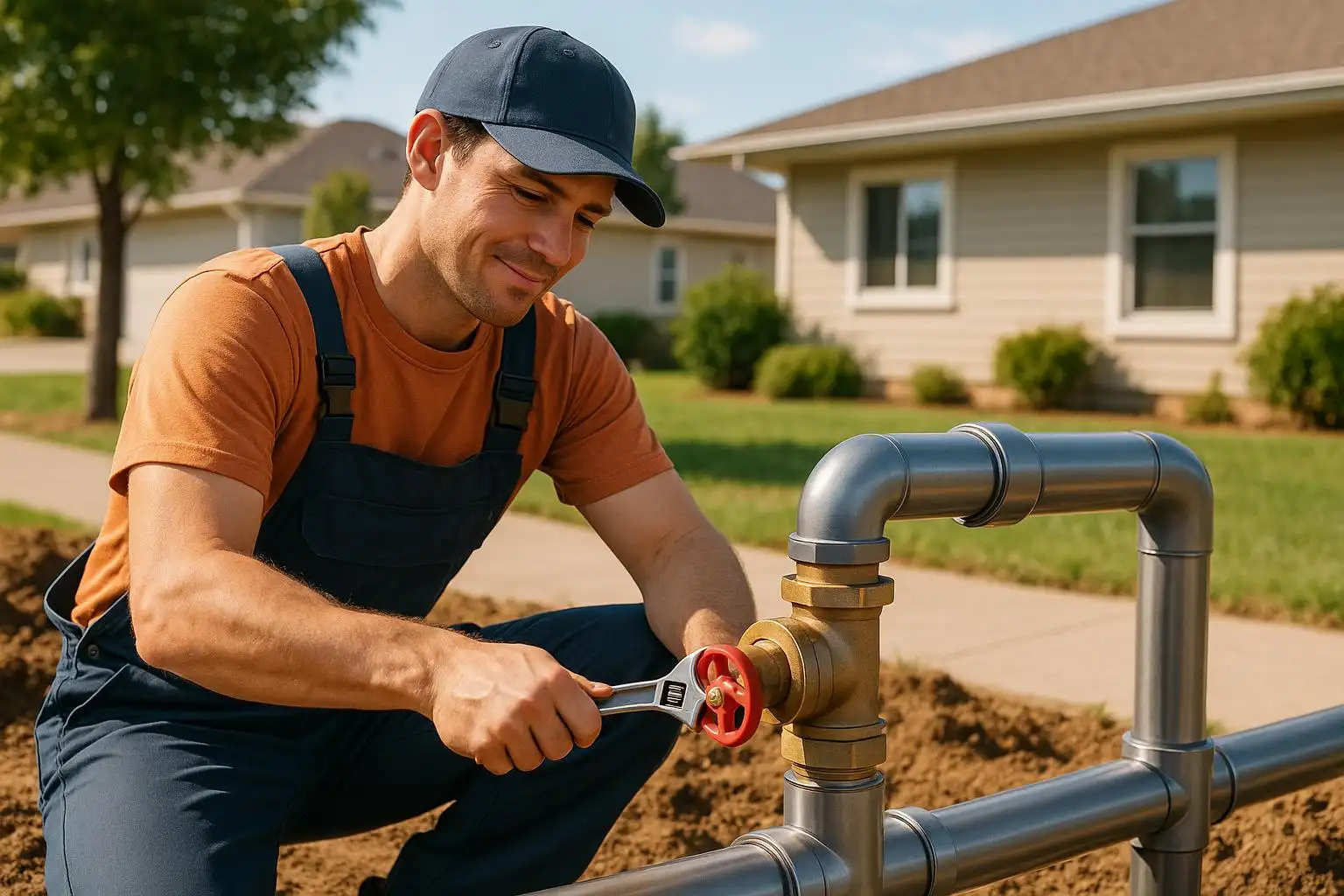
Upgrading your water lines professionally can improve your home's plumbing system, save money, and enhance safety. Our water line services provide expert installation with modern materials. Here's what you gain:
- Expert Installation & Compliance: Professionals ensure proper installation, follow local codes, and handle permits, reducing the risk of fines or future issues.
- Improved Water Pressure: Replacing old pipes enhances water flow and pressure, ensuring consistent performance.
- Cleaner, Safer Water: Modern materials like PEX (cross-linked polyethylene) and copper resist corrosion and contamination, improving water quality.
- Reduced Leaks & Damage: Upgraded systems lower the chance of leaks, saving you from costly water damage.
- Higher Property Value: New plumbing increases home value and appeals to buyers.
- Long-Term Savings: Modern materials last longer, reduce repairs, and cut utility costs.
- Access to Modern Tech: Smart systems and durable materials improve efficiency and reliability.
Quick Takeaway: Professional water line upgrades offer better performance, lower risks, and long-term cost savings, making them a smart investment for homeowners.
Upgrade Your Plumbing With The Latest PEX (cross-linked polyethylene) System!
1. Expert Installation and Code Compliance
Upgrading your water line with professional help ensures not only top-notch installation but also adherence to legal requirements. Take Hernandez Plumbing, for instance – their experienced team ensures every water line upgrade aligns with Miami-Dade County‘s ever-evolving plumbing codes. This meticulous attention to detail creates a foundation for a system that performs reliably and efficiently.
Compliance with Local Plumbing Codes
Miami-Dade County has specific plumbing codes that are both intricate and frequently updated. Professional plumbers stay on top of these changes, applying them to meet the unique needs of each project.
Licensed plumbers handle the necessary permits, sparing you from potential fines. Before starting any work, they evaluate your current system to confirm it meets the required standards, consulting local amendments and securing all relevant documentation.
Enhanced Water System Performance
Expert installation doesn’t just meet regulations – it also improves how your water system functions. Skilled plumbers use high-quality materials and precise techniques, such as proper pipe sizing and drainage installation, to ensure steady water pressure and reduce the risk of clogs.
"Expert plumbing installation is not merely a matter of connecting pipes and fixtures; it is an art that requires a deep understanding of water flow, pressure dynamics, and local building codes." – Xavier Claude
Once the installation is complete, thorough testing ensures every part of your system operates as it should.
Durable and Advanced Materials for Longevity
Given Miami’s unique environmental challenges, professional plumbers rely on advanced methods like directional drilling and camera inspections. They use materials that meet the latest building standards and are specifically chosen to withstand local conditions, such as high groundwater levels and shifting soil. These materials resist corrosion, ensuring your upgraded water line remains reliable and protects your investment for years to come.
2. Better Water Pressure and Steady Flow
Upgrading your water lines professionally can significantly improve water pressure and ensure a steady flow throughout your home. Old, corroded pipes often restrict water flow, leading to frustratingly weak streams from faucets and showerheads. By replacing these outdated systems, professionals can systematically address these issues, delivering the consistent water performance your household needs.
Improved Water System Performance
Professional upgrades don’t just mask the symptoms of poor water pressure; they tackle the root causes. Experienced plumbers can identify whether you’re dealing with low water pressure or simply low flow – two issues often mistaken for one another. They then implement tailored solutions to ensure your system delivers a steady 40 to 60 PSI, verified through thorough post-installation testing.
Achieving consistent pressure involves addressing a variety of factors, such as the type of pipes, their length, and elevation changes. Professionals are equipped to manage complex plumbing layouts or unusual pressure variations, ensuring your system operates smoothly. This expertise eliminates the guesswork and potential missteps of DIY fixes.
Use of Durable and Advanced Materials
Reliable water pressure depends on both expert installation and the use of high-quality materials. Professionals often choose materials like PEX, Chlorinated polyvinyl chloride, and HDPE pipe for their resistance to corrosion and scaling, which helps maintain consistent pressure over time. These materials are designed to provide durability and reliability for decades.
For example, while a 1/2-inch pipe can handle up to 7 GPM (gallons per minute), a 1-inch pipe can manage 27 GPM. However, as Newtech-pipes points out:
"A larger pipe does not increase water pressure; instead, it increases water flow while reducing velocity." – NewTech Pipes
This distinction is critical, and professional plumbers know how to select the right pipe sizes and materials to optimize your system.
| Pipe Material | Benefits for Pressure & Flow |
|---|---|
| Copper | Smooth inner surfaces reduce friction; lifespan exceeds 50 years |
| PEX | Flexible, durable, and resistant to ground movement; minimal flow resistance |
| CPVC | High tensile strength and heat resistance; ideal for hot water systems |
| HDPE | Long-lasting (50–100 years) and resistant to freezing damage |
By comparison, galvanized steel pipes – commonly found in older homes – are prone to internal corrosion, which can drastically reduce both water pressure and flow over time. As plumbing expert Daphne Hunt explains:
"If you have galvanized steel, that slow pressure drop might not be your faucet – it could be decades of mineral buildup inside narrowing your pipes."
Cost-Effectiveness Over Time
While professional upgrades may seem like a significant investment upfront, they save money in the long run by reducing repair costs and improving efficiency. Upgraded water lines minimize leaks, which can lower both water and energy bills over time.
Materials like PEX and HDPE are particularly cost-effective because they can withstand ground shifts and freezing temperatures, reducing the likelihood of cracks or leaks that would otherwise lead to expensive emergency repairs. These materials are built to last – HDPE pipes, for instance, can maintain their performance for 50 to 100 years.
Additionally, professional installations often come with warranties and ongoing support, offering extra peace of mind. For example, Hernandez Plumbing in Miami, FL, provides water line upgrades with 24/7 emergency services, upfront pricing, and a satisfaction guarantee, ensuring your water system delivers improved performance for years to come.
3. Cleaner Water Quality and Safety
Upgrading your water lines can significantly enhance the quality and safety of your drinking water. By replacing old, deteriorating pipes prone to rust, sediment, and other contaminants, these modern systems safeguard your family’s health and ensure a cleaner water supply.
Use of Durable and Advanced Materials
Modern water line materials, such as PEX, PVC, and copper, are designed to resist corrosion and block contaminants from entering your water supply. This durability ensures that your water remains cleaner and safer over time.
The type of material used plays a big role in water safety. Copper pipes, for example, are known for their longevity and don’t release harmful chemicals into the water. Similarly, polypropylene pipes are a safer plastic option, as they are less likely to leach chemicals compared to other plastics. The age of your home may also determine the risks associated with older plumbing. Homes built before 1930 often have lead-containing pipes, while those constructed prior to 1980 may use lead solder with copper pipes. Since 2014, stricter regulations have limited lead content in plumbing materials to no more than 0.25% for pipes and fittings and 0.20% for joints.
"Replacing old pipes helps ensure a safe water supply and improves overall plumbing performance, reducing health risks and enhancing the quality of water for everyday use." – Pure Plumbing Company
Improved Water System Performance
Upgraded water lines address common contamination risks by eliminating old, leaky pipes. Aging pipes can waste up to 10,000 gallons of water annually due to leaks, which not only increases costs but also creates opportunities for contaminants to enter the water supply. Materials like PEX and PVC are specifically designed to resist leaks, scale buildup, and even freezing temperatures, ensuring consistent water quality even in challenging conditions.
Professional installations also include backflow prevention devices, which ensure water flows in only one direction, keeping contaminants out of your drinking water. These upgrades not only improve performance but also ensure compliance with local safety standards.
Compliance with Local Plumbing Codes
Modern water line upgrades adhere to current health and safety regulations designed to protect water quality. These codes address everything from pipe materials and sizing to pressure regulation, ensuring your plumbing system meets the latest standards.
"Plumbing codes and regulations are put in place to establish standards and guidelines for the design, installation, and maintenance of plumbing systems. They ensure that plumbing work meets specific safety, health, and environmental requirements." – Sin City Plumbing
Additionally, these regulations cover plumbing fixtures and appliances to promote water efficiency and hygiene. If your current system doesn’t meet these standards, professional upgrades can resolve compliance issues and protect your water quality.
Cost-Effectiveness Over Time
Although upgrading your water lines requires an upfront investment, the long-term benefits are undeniable. Cleaner water reduces health risks, while corrosion-free pipes minimize future maintenance costs. Modern materials extend the lifespan of your plumbing system and help preserve your home’s structural integrity. Staying compliant with updated codes can also prevent fines, legal issues, and complications during property sales.
For residents in Miami, Hernandez Plumbing offers professional water line upgrades with 24/7 emergency services and transparent pricing, ensuring your investment results in safer, cleaner water for years to come.
4. Lower Risk of Leaks and Water Damage
Upgrading your water lines professionally offers a significant advantage: it reduces the risk of leaks and water damage. Household leaks waste nearly 1 trillion gallons of water every year across the U.S., and one in 50 homes files a water damage insurance claim annually. These upgrades build on the improved water pressure and quality already discussed, adding another layer of protection for your home.
Use of Durable and Advanced Materials
Modern plumbing materials are designed to resist leaks far better than older options. PEX and PVC pipes are excellent examples – they don’t corrode or rust, and PEX’s flexibility allows it to expand if water freezes, which helps prevent bursting. By switching to these advanced materials, homeowners can significantly lower the chances of leaks.
A compelling example is a residential building that transitioned to PEX piping. The upgrade not only reduced maintenance costs but also improved water quality, showcasing the practical benefits of modern plumbing materials.
Improved Water System Performance
Professional installations go beyond just replacing pipes – they tackle the root causes of leaks. For instance, pressure regulators and water hammer arrestors help stabilize water pressure, preventing damage from sudden surges. Smart water monitors add another layer of security by detecting unusual usage patterns and alerting homeowners to potential leaks early.
Additionally, advanced whole-house water shut-off systems can automatically stop water flow when a leak is detected, minimizing the risk of widespread flooding.
"Plumbing leaks might seem harmless, but ignoring them can lead to serious and costly problems…even a small leak can lead to major water damage, mold growth, and structural issues." – F.H. Furr Plumbing, Heating, Air Conditioning & Electrical
Cost-Effectiveness Over Time
The financial case for professional water line upgrades is clear. Addressing leaks early is far more affordable than dealing with the aftermath of water damage. For instance, fixing a bathroom supply line leak early costs about $500, but delaying repairs can lead to expenses totaling $10,700 – including plumbing fixes, mold remediation, and replacing walls, ceilings, and floors.
The numbers speak for themselves: a dripping faucet wastes over 3,000 gallons of water annually, a running toilet wastes 73,000 gallons, and a small 1/8-inch pipe crack can waste a staggering 90,000 gallons per year. The average water damage claim exceeds $10,000, and severe cases involving structural repairs can surpass $50,000.
One homeowner reported saving over $600 annually – a 30% reduction in their monthly water bill – after fixing undetected leaks in their irrigation system. Professional upgrades not only eliminate these hidden costs but also provide invaluable peace of mind.
Compliance with Local Plumbing Codes
Professional water line upgrades also ensure compliance with local plumbing codes, which are designed to minimize risks and protect property. These codes specify approved materials, proper installation techniques, and pressure requirements to reduce the likelihood of leaks. Meeting these standards is essential for safeguarding your home.
For Miami residents, Hernandez Plumbing offers expert water line upgrades that adhere to all local regulations. Their 24/7 emergency services ensure quick responses to any issues, helping prevent costly water damage while keeping your home safe and up to code.
5. Higher Property Value
Upgrading water lines through professional services can significantly increase a home’s market value. In fact, repiping can add between $10,000 and $20,000 to a home’s worth. New plumbing systems signal to potential buyers that the property is well-maintained and less likely to require costly repairs anytime soon.
Use of Durable and Advanced Materials
Modern materials are a game-changer for durability and buyer interest. Options like PEX and copper piping not only last longer but also appeal to buyers looking for reliable systems. PEX is highly flexible and resistant to leaks, while copper offers exceptional longevity and is naturally resistant to bacteria. These materials also improve water flow and reduce maintenance needs, addressing common concerns about future repair costs. Homes with updated plumbing systems are particularly attractive to buyers seeking convenience and efficiency in their investment.
Improved Water System Performance
New plumbing systems enhance water performance, which directly boosts a home’s appeal. Consistent water pressure and optimal flow are especially attractive to buyers, particularly families who rely on multiple bathrooms. In competitive markets, these features can make a home stand out. Additionally, the improved efficiency of modern systems is a major draw for eco-conscious buyers looking for sustainable solutions.
Compliance with Local Plumbing Codes
Ensuring compliance with plumbing codes is another key factor in maintaining and increasing property value. Homes with up-to-code plumbing systems are more likely to pass inspections, sell faster, and retain their value. With the International Plumbing Code (IPC) adopted in 37 states, Washington, D.C., Puerto Rico, and Guam, meeting current standards can prevent inspection-related delays and headaches during the selling process.
Cost-Effectiveness Over Time
The initial investment in professional water line upgrades is often outweighed by the long-term benefits. A whole-house repipe can cost between $3,500 and $15,000, depending on the home’s size, but the value it adds far exceeds the upfront expense. Buyers are often willing to pay more for homes with updated plumbing, knowing they won’t face major repair costs in the near future.
"In many cases, upgrading the plumbing can increase your home’s resale value and help it stand out in a competitive market." – Gold Star Plumbing & Drain
In competitive housing markets, modern and efficient plumbing systems can justify higher asking prices. Buyers are drawn to the reliability and efficiency these upgrades offer, making such homes more desirable.
For homeowners in Miami, Hernandez Plumbing delivers expert plumbing installations that not only meet code requirements but also add lasting value to your property. Their professional services ensure years of dependable performance, protecting your investment and enhancing your home’s market appeal.
6. Long-Term Cost Savings
When considering professional water line upgrades, the long-term financial benefits become a key factor. While the upfront costs may seem steep, these upgrades often pay for themselves over time by cutting down on repairs, lowering utility bills, and preventing expensive water damage. It’s an investment that not only protects your home but also saves you money in the long run.
Cost-Effectiveness Over Time
The numbers speak for themselves. Homeowners can save up to $3,000 annually by staying proactive with home maintenance. Leaks and water loss are a massive issue in the U.S., with around 6 billion gallons of water wasted daily due to water main breaks. To put it in perspective, about 14% of treated water is lost through leaks, and some systems report water losses exceeding 60%. Upgrading to modern, efficient systems helps curb these losses, turning wasted resources into savings. For example, high-efficiency fixtures can reduce indoor water use by roughly 30%, and the EPA estimates that water-efficient plumbing products can save families hundreds of dollars every year.
Use of Durable and Advanced Materials
Modern plumbing materials are built to last, offering a significant advantage over older systems. Copper pipes, for instance, can last up to 100 years, while PEX pipes provide a service life of around 50 years. In contrast, older materials often require frequent repairs, which can quickly add up. Although lower-cost materials might seem appealing initially, their shorter lifespan and higher maintenance needs can make them more expensive in the long term. PEX pipes, in particular, stand out for their flexibility, resistance to corrosion and freezing, and lower installation costs. These features not only reduce emergency repair costs but also contribute to a more reliable and efficient plumbing system.
Improved Water System Performance
Upgraded water systems deliver better performance, which translates to lower utility bills and fewer headaches. Modern systems improve water pressure and flow, making appliances work more efficiently. Enhanced insulation in plumbing materials also reduces the energy consumption of water heaters, cutting down on energy bills. On top of that, low-flow faucets and high-efficiency toilets can slash water use by 30% to 60%, and switching to low-flow showerheads can save up to 14,000 gallons of water annually. Smart leak detection systems add another layer of protection by automatically shutting off the water supply at the first sign of a leak, preventing costly water damage. Together, these upgrades significantly reduce utility costs while boosting the overall efficiency of your home.
Compliance with Local Plumbing Codes
Ensuring your plumbing system meets local codes is another way to avoid unexpected expenses. Professional installations guarantee compliance from the start, which eliminates the need for costly corrections down the road. This also helps protect your insurance coverage in case of water-related incidents. By meeting these standards, you not only prevent future retrofits but also enhance your system’s efficiency and safeguard against potential water damage.
For Miami homeowners, Hernandez Plumbing offers an excellent solution. Their professional water line upgrades combine durable materials, expert installations, and improved system performance. The result? Decades of savings, increased reliability, and added property value – all while ensuring your plumbing system meets local requirements and runs at peak efficiency.
7. Access to Modern Materials and Technology
Upgrading water lines opens the door to better materials and advanced technology. These upgrades bring improved performance, durability, and efficiency compared to older systems. Let’s dive into how these modern materials and methods stand out from outdated plumbing solutions.
Use of Durable and Advanced Materials
Modern plumbing relies on engineered materials designed to last. Take PEX (cross-linked polyethylene), for example. It’s popular in the industry for its flexibility, resistance to freezing, affordability, and ability to handle various temperature conditions.
Copper remains a top-tier option for those prioritizing durability and water quality. It can last over 50 years and offers antimicrobial properties that help maintain cleaner water. While copper is more expensive upfront, its longevity and exceptional heat resistance make it worth considering for specific needs.
CPVC (Chlorinated Polyvinyl Chloride) is another standout material. Known for its heat resistance and smooth interior, it works well for both hot and cold water systems, with a lifespan of 50 to 80 years under ideal conditions. For underground installations, HDPE (High-Density Polyethylene) shines due to its flexibility and ability to resist root intrusion, making it perfect for buried water lines.
| Material | Lifespan | Key Advantages | Best Applications |
|---|---|---|---|
| PEX | 50+ years | Flexible, freeze-resistant, affordable | Residential water supply lines |
| Copper | 50+ years | Antimicrobial, excellent for hot water | Premium installations, hot water lines |
| CPVC | 50–80 years | Heat resistant, smooth inner surface | Hot and cold water distribution |
| HDPE | 50+ years | Resistant to root intrusion, highly flexible | Underground main water lines |
Improved Water System Performance
Switching to these modern materials significantly boosts system performance. For instance, plastic pipes like PEX and CPVC have a much lower failure rate compared to older materials like iron or steel. This reliability ensures steady water pressure, better flow rates, and fewer interruptions. Plus, the smooth interiors of these pipes reduce friction and prevent mineral buildup, keeping water flowing efficiently over time.
Advancements in installation methods also make a difference. Professionals can now replace old, corroded pipes with durable plastic alternatives using techniques that minimize the need for major digging or demolition. This not only reduces costs but also limits disruptions during the upgrade process.
Compliance with Local Plumbing Codes
Modern upgrades aren’t just about better materials – they’re also about meeting today’s safety and performance standards. Plumbing codes are regularly updated to reflect advancements in technology and safety. Materials like PEX, CPVC, and copper meet these stringent standards because they resist corrosion and offer proven durability. Licensed plumbers ensure that your system complies with current codes, helping you avoid potential fines, work delays, or safety risks.
For homeowners in Miami, Hernandez Plumbing combines high-quality materials with a deep understanding of local plumbing codes. This ensures not only an upgrade in performance but also peace of mind for years to come.
Comparison Table
This table highlights how professional upgrades stand out compared to DIY or outdated methods, emphasizing key benefits that homeowners should consider.
| Benefit | Professional Upgrade | Outdated/DIY Approach |
|---|---|---|
| Installation Quality | Expertly installed using proper tools, techniques, and extensive experience, ensuring systems meet current codes | Often lacks the expertise to guarantee proper setup, leading to costly mistakes and non-compliance |
| Code Compliance | Professionals are knowledgeable about local building codes, ensuring safety and adherence to regulations | DIY or outdated installations may not meet current standards, increasing risks of fines or safety issues |
| Long-Term Reliability | Backed by warranties and professional guarantees, offering peace of mind for years | DIY fixes are often temporary, leading to recurring problems and higher repair costs |
| Leak Prevention | Modern materials like copper and HDPE resist corrosion and leaks, ensuring durability | Older materials, such as galvanized steel or cast iron, are more prone to corrosion and leaks over time |
| Water Quality | Advanced materials like copper or PEX and filtration systems help maintain clean, safe water | Aging pipes can accumulate rust and minerals, potentially compromising water quality |
| Energy Efficiency | Water-saving fixtures and tankless systems can cut water usage by up to 30% and eliminate standby heat loss | Traditional systems with tank heaters waste energy through standby heat loss |
| Future Repair Costs | Professional work reduces the chance of emergency repairs and extensive damage | DIY installations often result in improperly installed components, leading to expensive repairs later |
| Technology Integration | Smart plumbing systems allow for remote monitoring and early leak detection | Outdated systems lack modern monitoring features, making it harder to catch issues early |
| Installation Time | Flexible PEX piping speeds up installation with fewer joints, reducing labor time | Rigid metal pipes require more labor and invasive techniques, increasing installation time |
| Noise Levels | Modern piping operates more quietly, reducing household noise | Older pipes can create banging and clanging sounds, adding to home noise levels |
While DIY projects might seem like a cost-saving solution at first, the long-term risks and potential repair costs can outweigh the initial savings. For example, the national average for main water line replacement ranges from $1,500 to $12,000, and errors in DIY installations can drive these costs even higher.
Though small plumbing tasks might be manageable for a DIY enthusiast, water line upgrades require the precision and expertise of a professional. Professionals ensure superior performance, reliability, and long-term cost savings. In Miami, FL, companies like Hernandez Plumbing offer tailored solutions to guarantee lasting quality for your home.
Conclusion
Upgrading water lines professionally offers Miami homeowners several key benefits: expert installation that meets local codes, improved water flow and pressure, cleaner water, fewer leaks, higher property value, long-term savings, and access to modern plumbing materials and techniques. These upgrades ensure your plumbing system remains dependable and efficient for years to come.
It’s worth noting that many homes in Miami have plumbing systems that are 40 to 70 years old. If your home was built before 1985, there’s a good chance your water lines are nearing the end of their lifespan. This makes professional expertise even more important. Licensed plumbers can assess your system, design the best replacement plan, and handle permits and inspections to ensure everything meets legal standards. This proactive approach reduces the risk of leaks and costly emergencies.
For Miami homeowners, Hernandez Plumbing offers a reliable solution. Their licensed technicians provide full-service water line replacements with transparent pricing, satisfaction guarantees, same-day availability, and 24/7 emergency support – making sure your plumbing needs are met quickly and efficiently.
FAQs
What are the common signs that your water lines need to be upgraded?
If your water bill unexpectedly shoots up, or you spot wet patches, pooling water in your yard, or even sinkholes, you might be dealing with a water line issue. Other warning signs include rusty or discolored water flowing from your faucets, a noticeable drop in water pressure, or mold and mildew showing up inside your home. Tackling these problems quickly can save you from more extensive damage and expensive repairs down the road.
How do PEX and copper pipes enhance water quality and extend the lifespan of plumbing systems?
Modern plumbing materials such as PEX and copper bring notable benefits when it comes to water quality and the longevity of your plumbing system. These materials are designed to resist corrosion and prevent mineral buildup, helping to ensure clean, safe water while reducing the chances of leaks.
PEX stands out for its flexibility and its resistance to chlorine and hard water, making it a popular option for contemporary homes. Meanwhile, copper is known for its natural durability and, with proper maintenance, can last more than 50 years, offering a dependable solution for long-term plumbing needs.
What should I look for when hiring a professional for water line upgrades?
When planning water line upgrades, it’s crucial to hire licensed contractors with solid experience who follow local building codes. This ensures the work is done safely and meets all legal requirements. Make sure they use durable materials like copper, PVC, or PEX, known for their strength and resistance to corrosion.
Take the time to review the contractor’s history, their ability to stick to timelines, and how they handle potential disruptions. Clear communication, transparent pricing, and a commitment to reliable, long-lasting solutions are key factors to look for when choosing the right professional for your home or business.
Need Professional Help?
Our licensed plumbers are ready to help with your water line services needs.