Miami Slab Leak Signs Homeowners Should Not Ignore

A slab leak is plumbing industry shorthand for water escaping from supply or drain lines that run under or through the concrete slab many Miami-Dade homes sit on. The leak itself is often small at first. The damage is not: soaked framing, ruined flooring, mold-friendly humidity, and foundation-adjacent moisture patterns that are expensive to unravel.
This article explains warning signs homeowners often notice first, what those signs can mean in plain language, and when to stop troubleshooting and call a licensed plumber. It is not a substitute for an on-site inspection, and it cannot tell you whether a specific stain is a slab leak, a roof leak, or a window leak from a single photograph.
If you want professional help tracing a hidden leak, Hernandez Plumbing Co. offers leak detection across Miami-Dade, Broward, and surrounding South Florida, with same-day scheduling options when you call 305-428-3782. The dedicated leak detection service page explains how the team approaches hidden leaks before recommending repairs. South Florida’s mix of slab-on-grade homes, condos, and commercial buildings means leak symptoms show up in many ways—context matters as much as any single “red flag.”
What “slab leak” usually means for Miami-Dade homes
In much of Miami-Dade, domestic water lines and some drain runs may be routed below finished flooring and a concrete slab, or through slab-adjacent wall chases that are hard to see without selective access. When a fitting corrodes, a line rubs against rebar, or a joint shifts, water can travel along the path of least resistance—often along the underside of the slab, in soil, or up wall cavities through capillary action.
Older neighborhoods and properties with aging cast iron or mixed materials can be especially vulnerable after decades of vibration, chemical exposure in soils, and seasonal saturation. That does not mean every older home has a slab leak; it means small changes in water use, sound, or humidity deserve attention sooner rather than later. Hernandez Plumbing documents cast iron pipe replacement services separately for owners dealing with whole-house deterioration—not every damp spot is cast iron failure, but the two topics overlap often enough that a coordinated inspection plan matters.
Condos and townhomes add another layer: your meter and the “starts and stops” of responsibility may differ from a detached single-family home. You might notice symptoms only on one side of a unit line, or see recurring dampness tied to a neighbor’s renovation schedule. When common plumbing elements are involved, building management often needs early visibility—your goal is still the same: clear notes and photos so a licensed plumber can separate your branch lines from common risers without guesswork.
Warning signs you might notice before opening walls
None of the items below proves a slab leak. They are reasons to document what you see and call a licensed team that can use listening equipment, thermal tools, and isolation tests—the same non-invasive philosophy summarized on the company’s leak detection marketing pages linked above.
1. A water bill that climbs without a lifestyle change
If your household size and habits are stable but usage jumps, start with the obvious: irrigation timers, guest usage, and a running toilet. If those checks fail, a hidden leak on the pressure side of the system becomes more likely. A meter test your utility or plumber walks you through can help narrow whether the loss is continuous or intermittent.
Small leaks can run 24 hours a day, which is why they show up on bills before they show up as dramatic flooding. Track two consecutive billing cycles if you can; a steady upward drift with no matching lifestyle story is more concerning than a one-month spike that coincides with pool fill or pressure-washing.
2. Warm or cold spots on tile, wood, or carpet
A warm linear patch on a tile floor can track with a hot-water line breach under or in the slab. Conversely, a persistently cool damp area may align with a cold-water line or migrating moisture from a drain issue. Tile that sounds hollow where it used to sound solid can indicate adhesive failure from moisture cycling—again, not diagnostic by itself, but worth logging with photos and dates.
Pay attention to symmetry: a single warm tile near a sunny window is different from a corridor of warmth that follows where plumbing is likely routed. For wood and engineered floors, cupping (edges curling up) often means moisture is entering from below; crowning can mean moisture from above. Either pattern merits investigation, but the direction of moisture travel helps professionals choose the first listening points.
3. Damp baseboards, bubbling paint, or mildew odor near slab edges
Water follows gravity until something blocks it—then it spreads sideways. Baseboards along exterior walls or wet walls backing plumbing chases are common first visible points even when the failure started elsewhere.
Musty odors that return quickly after you clean, or paint that bubbles only after rain, are clues that help separate plumbing from envelope leaks. Keep a simple log: time of day, weather, which AC zones were running, and whether the dampness tracks with long showers or irrigation cycles.
4. Cracking or heaving you have not seen before
Structural and geotechnical issues belong to engineers and foundation specialists. Still, new step-cracks in drywall, slab elevation changes you can feel underfoot, or exterior stucco patterns that changed after a season of heavy rain should trigger a professional chain of inquiry that can include both plumbing leak detection and foundation experts depending on what a visual sweep shows.
Photograph cracks with a reference object (ruler or coin) so future comparisons are honest. If doors begin to rub where they once cleared, or tile grout lines telegraph a new “hump,” write down the date—you may need that timeline for insurance or warranty conversations later. This article does not interpret policies; it only notes that dated evidence reduces ambiguity.
5. Sound changes when taps are off
At night, with HVAC and appliances quiet, listen along walls and near the water meter area (if accessible safely). A hiss or rush with all fixtures off can indicate pressurized water moving where it should not. Note whether the sound tracks with irrigation valves or recirculation pumps if your home has them.
If the sound changes when you shut the house main valve (only if you know how to do this safely and have verified what that valve controls), tell the plumber—that single observation can speed isolation between interior and utility-side issues. Never force a seized valve during an emergency; if the handle will not move smoothly, stop and call for help.
 Leaks do not respect city limits—if you are in Miami-Dade or nearby counties, choose a team that states its service area clearly and can dispatch for emergencies.
What can look like a slab leak (but might be something else)
- Wind-driven rain and failed window or door seals can wet carpet at slab edges and mimic plumbing moisture.
- Roof leaks often telegraph down wall cavities and appear as ceiling stains far from the original entry point.
- Condensation on cold lines in humid Miami summers can pool on floors and be mistaken for active leaks.
- Sewer odors after heavy rain may relate to traps drying out or municipal system events—not automatically a slab supply leak.
That overlap is why reputable plumbers emphasize non-invasive detection before cutting concrete. Hernandez Plumbing’s marketing describes acoustic listening, thermal imaging, and electronic detection to localize leaks before recommending the most cost-effective repair path—re-read the live service page linked in the introduction if you want the exact current wording before you book.
How plumbers narrow the source (without tearing up the whole house)
Professional leak detection is part science, part experience with local construction. A licensed team typically combines:
- Acoustic listening to trace pressurized spray or turbulence along lines.
- Thermal imaging to spot temperature anomalies that can correspond to moving water or wet assemblies (interpretation matters—Florida attics and sun-heated walls create false positives).
- Electronic or tracer-based methods on some jobs, depending on pipe type, depth, and access.
The goal is not a dramatic demolition reveal on day one—it is a testable hypothesis about where water is leaving the system. Once the location is tight enough, a repair plan might be a direct spot fix, a reroute above the slab when repeat failures are likely, or a staged plan when multiple weak zones exist in an older home.
Documentation that helps your first call
You do not need a perfect theory before you dial—just clean facts:
- Two to three months of water bills (PDF or photos).
- Photos of stains, bubbling paint, or cracked finishes with dates.
- A short timeline (“started after tropical storm X,” “only when guest shower runs,” and so on).
- Whether the water heater pressure relief valve has ever discharged noticeably (a different failure mode that still alarms homeowners).
If you are unsure whether a symptom is urgent, treat it as urgent and use the published emergency line—Hernandez Plumbing’s emergency marketing emphasizes true 24/7 availability and 30–60 minute response language for South Florida emergencies; confirm current response-time statements on the live emergency page when seconds matter.
When to stop guessing and call a licensed plumber
Call sooner rather than later if you notice multiple warning signs together, if you see active pooling you cannot attribute to a fixture, or if you smell sewage gas alongside slow drains after storms (possible drain-side issue requiring camera work). True emergencies—spreading water, major backups, or safety concerns—should route to 24/7 emergency plumbing so a technician can be dispatched with the tools the company advertises for on-the-spot repairs.
Florida contractor license CFC 1430030 is listed on the company’s contact page for verification.
How professional leak detection fits into repairs
A strong leak-detection visit should end with a location hypothesis you can understand, not just a bill. Depending on what failed, repairs might involve spot repair, reroute, or broader repiping when materials are at end of life. For supply lines specifically, the water lines section of the Hernandez Plumbing site outlines how the team approaches installation and replacement when corroded piping is part of the picture.
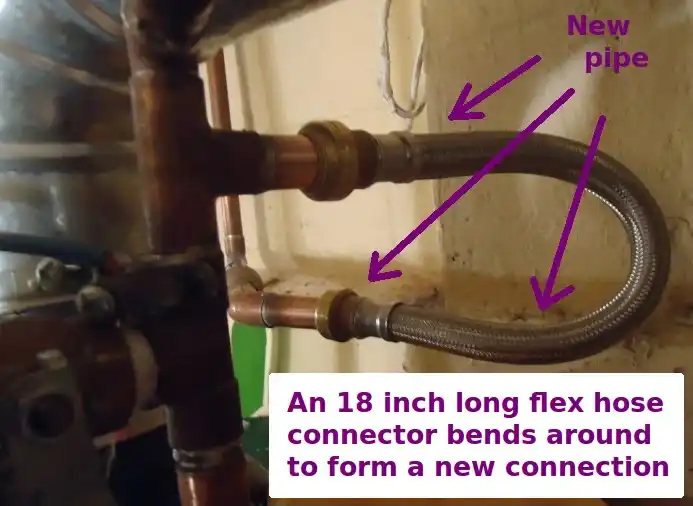 Supply lines can fail at fittings or in runs hidden in walls—photos like this illustrate the hardware involved; your home’s routing may differ.
Drain-side failures can still produce damp slabs when wastewater escapes outside the intended pipe path. That is one reason camera-capable teams matter: slow drains after storms might be root intrusion, line belly, or partial collapse—each with different repair economics. If your symptoms skew drain-heavy, mention it up front so the dispatcher sends the right equipment.
After a confirmed pressurized leak repair, ask what pressure checks or fixture exercises the team recommends before you close walls again. Many Miami homes run higher static pressure than owners realize; your plumber can advise whether a pressure-reducing valve or other adjustments belong in the conversation once the immediate leak is controlled.
The Hernandez Plumbing blog and guides index on the main site also hosts longer leak-related articles if you want more background after you have a professional plan in place.
Insurance, documentation, and realistic timelines
Insurance coverage for hidden water damage varies by carrier, endorsement, and how quickly you report. This article cannot tell you what your policy will pay. What does help almost every homeowner is documentation: dated photos, a short written timeline, and any plumber-provided notes that describe where moisture was found and what tests were run.
If you are filing a claim, ask your adjuster what evidence they prefer before you discard damaged materials. Some carriers want to see failed components; others want moisture-mapping photos. When Hernandez Plumbing performs leak detection, keep any written findings alongside your own photos so you are not relying on memory weeks later.
Timelines also deserve honesty: locating a leak is often faster than restoring finishes. You might know where to open a wall on day one yet still need dry-out, mold assessment (when applicable), and finish carpentry scheduled after the plumbing repair is verified. Planning for that sequence reduces the temptation to “close everything up” while assemblies are still wet.
Seasonal context in South Florida
South Florida’s wet season and tropical systems stress homes differently than a dry northern winter. Saturated yards can change how wastewater moves, wind-driven rain can overwhelm flashing, and utility recovery after outages can mean pressure swings when service returns. Those realities do not create slab leaks by themselves, but they reveal marginal systems—slow seepage becomes obvious dampness, and small sounds become noticeable when the house is quiet after a storm.
If your symptoms appear only during the wettest months, still treat them seriously; intermittent leaks are still leaks. The goal of early detection is to catch the cycle before rot cycles stack on top of one another.
Need help in Miami-Dade?
If warning signs are stacking up, do not wait for obvious flooding. Early leak detection tends to cost far less than wholesale floor and cabinet replacement.
Hernandez Plumbing Co. has served the Miami area for decades (the site highlights a family-owned story since 1972 and 50+ years of local experience) with a strong Google review presence. Ratings and review counts change—confirm the latest numbers on the live site before you rely on them for a decision.
305-428-3782 is the same-day and emergency line published across service pages. For non-urgent questions about hidden moisture, call with what you measured on your meter, which rooms are affected, and whether hot, cold, or both seem involved—the intake team can route you to the right technician and service offering.
This article is for general education only—not legal or engineering advice. Plumbing work in Florida should be performed by appropriately licensed professionals. Confirm offers, response-time claims, and license details on the official Hernandez Plumbing website before you book.
Need Professional Help?
Our licensed plumbers are ready to help with your leak detection needs.