Slab Leak vs. Irrigation Leak in Miami: How to Tell the Difference Before You Dig

If you are trying to sort out a slab leak vs irrigation leak Miami homeowners often confuse, the challenge is not noticing that something is wrong. The challenge is noticing which system is talking to you. A damp floor, a wet strip of grass, or a bigger-than-normal bill can point to a buried sprinkler line, an under-slab supply leak, a running toilet, or something even simpler like a misdirected spray head.
That ambiguity is normal in Miami-Dade. Hernandez Plumbing's residential leak detection in Miami page says local homes deal with high humidity, frequent rain, flooding pressure, cast-iron deterioration in older neighborhoods, and a mix of single-family homes, condos, and attached properties. Add irrigated lawns, slab-on-grade construction, and warm-weather outdoor valves, and it becomes easy to read one clue too confidently.
The goal of this guide is not to diagnose your house from a screen. It is to help you separate indoor slab-leak patterns from outdoor irrigation-leak patterns, use the water meter more intelligently, and know when a licensed leak detection visit is worth more than another round of guesswork.
Why Miami homeowners mix up slab leaks and irrigation leaks
Both problems can waste a surprising amount of water without announcing themselves with a dramatic flood. Hernandez Plumbing's leak-detection FAQ says the warning signs for hidden leaks include unexplained high water bills, the sound of running water when nothing is on, wet spots, mildew odor, and in some cases foundation-related movement. But a hidden irrigation problem can also push the bill up, create soggy soil, and make one area of the property look wrong long before you see a broken head spraying into the air.
The overlap is easiest to understand when you stop treating every clue as a diagnosis:
| What you notice first | More consistent with a slab leak | More consistent with an irrigation leak | Still needs more checking |
|---|---|---|---|
| Wet flooring or damp baseboards indoors | Often yes | Rarely the first sign | Could also be a fixture, roof, or wall leak |
| A spongy patch in one part of the yard | Sometimes, if a buried line is nearby | Often yes | Could also be poor drainage or recent rain |
| Warm floor or line of warmth through tile | More often yes | Uncommon | Hot-water routing still needs confirmation |
| Puddles on pavement when irrigation runs | Uncommon | Often yes | Could be runoff from compacted soil instead of a broken line |
| Meter movement when everything is off | Possible | Possible | You still need the house-valve isolation step |
That last row is the reason the water meter matters so much. EPA WaterSense says the basic leak test is simple: read the meter during a period when no water is being used, wait two hours, and read it again. If the reading changes, you probably have a leak. Miami-Dade Water and Sewer adds the better local layer: after that first test, close the house valve and repeat the meter check. If the meter still moves, the leak may be outside the home in the service line or another outdoor water-using device. If it stops moving, the leak may be inside the home.
That one extra step is the difference between panicking about your slab and realizing the problem may be in the yard.
What a slab leak usually looks like indoors
The strongest slab-leak clues usually show up inside the building envelope, not just on the bill.
Hernandez Plumbing's slab-leak explainer says to pay attention to:
- a water bill that climbs without a lifestyle change
- warm or cold spots on finished flooring
- damp baseboards, bubbling paint, or mildew smell near slab edges
- hissing or rushing sounds when fixtures are off
- cracks or movement patterns that seem new enough to deserve attention
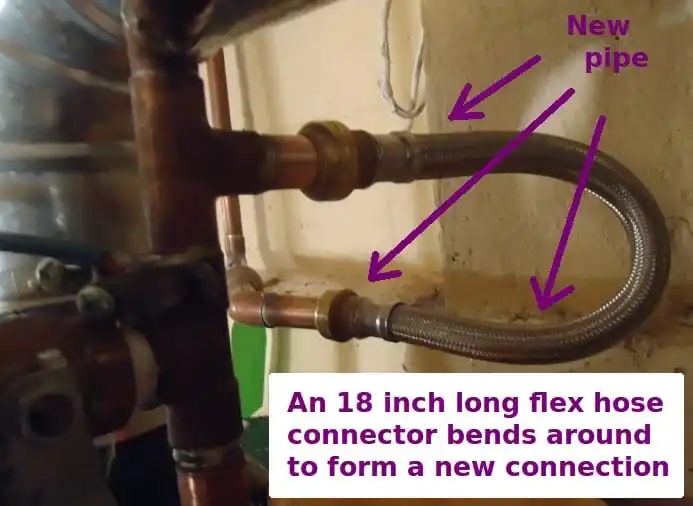 Under-slab supply leaks often reveal themselves through the rooms and floors above them. That is why indoor patterns matter more than lawn appearance when you are trying to sort out a true slab issue.
The bill clue matters, but only when the story matches. Hernandez Plumbing's slab-leak article specifically says to rule out obvious drivers first, including irrigation timers, guest usage, and a running toilet. In other words, a higher bill alone is weak evidence. A higher bill plus warm tile, damp baseboards, and the sound of water when nothing is running is much more meaningful.
Floor temperature is another clue people either overrate or ignore. Hernandez says a warm linear patch can track with a hot-water line breach, while a persistently cool damp area can align with a cold-water line or migrating moisture from a drain issue. The useful part is not the word "warm." It is the pattern. A single tile that feels odd in afternoon sun is different from a repeatable strip of warmth that follows the likely route of plumbing.
Listen to the house too. Hernandez's leak pages and slab article both treat the sound of running water with fixtures off as a serious clue. If the sound is steady, seems interior, and does not care whether your irrigation schedule is active, that leans more toward the domestic plumbing side of the system than toward sprinklers.
Finally, look at how the moisture behaves. Slab-related leaks tend to create room-level symptoms: staining, baseboard damage, warped materials, smell, or floor anomalies. Irrigation leaks more often create landscape-level symptoms first.
What an irrigation leak usually looks like outside
The best irrigation clues are not abstract. They are specific, visual, and usually tied to one zone behaving badly.
UF/IFAS gives some of the clearest Florida-specific indicators:
- sand washed onto the driveway or sidewalk can indicate an underground break pulling sand to the surface
- one spongy area with struggling turf and dollarweed can indicate too much water from a broken pipe, leaking emitter, or head problem
- puddles on pavement when it has not rained often point to misaligned or damaged sprinkler heads
Those details matter because they keep you from calling everything a "wet yard leak." A truly irrigation-driven problem often tracks with irrigation operation:
- the puddle grows while a zone is running
- one section of grass looks too wet while the rest of the yard looks normal
- spray is hitting hardscape instead of planting beds
- water pools around one head or around a leaking seal
- runoff appears in the same place on scheduled watering days
EPA WaterSense adds another clue that homeowners often miss: check whether sprinklers are spraying pavement or hardscape and whether drip lines are working without visible leaks or clogs. That is important because not every "irrigation problem" is a broken underground line. Sometimes the system is simply wasting water inefficiently.
That is also why irrigation problems reward short, repeatable inspections more than one dramatic weekend search. UF/IFAS recommends test-running and visually inspecting each zone at least once every three months. EPA WaterSense goes one step further and says homeowners should consider a certified irrigation audit about every three years. In practical terms, that means the question is not only "Is something wet today?" It is also "Does this same zone always look wrong, overspray pavement, or leave one patch mushier than the rest every time it runs?"
There is also a false alarm worth mentioning. UF/IFAS notes that water running onto pavement can come from compacted soil that prevents water from soaking in, even if the heads are aimed correctly. That means a puddle on the driveway is a strong clue, but it is not yet a final answer.
If the yard symptoms only show up during or right after irrigation cycles, and the interior of the home stays quiet and dry, the pattern leans harder toward irrigation than toward a slab leak.
A safe meter-and-shutoff process before you guess
This is the highest-value homeowner test in the whole article because it helps you separate systems without cutting concrete or digging up the lawn.
Step 1: Stop intentional water use
Turn off all water use inside and outside the house:
- no showers
- no dishwasher
- no laundry
- no hose use
- no irrigation cycle
EPA WaterSense says the first meter reading should happen during a true no-use window. If water is still being used somewhere, the test becomes noisy.
Step 2: Read the meter, then wait two hours
Record the meter reading. Wait two hours with no water use. Check it again.
If the reading changed, you probably have a leak somewhere in the system. That confirms the problem is real, but not yet whether it is inside or outside.
Step 3: Use the house valve only if you know what it controls
Miami-Dade Water and Sewer says to close the house valve and repeat the meter test. Hernandez Plumbing's main water shut-off valve guide says Miami-area homes often place that valve near the water heater, in a mechanical room, under the kitchen sink in slab homes, or on an exterior wall. Street-side municipal valves exist too, but those are not the right place for improvised homeowner experimentation.
If you know which valve serves the house and it operates smoothly, close it and repeat the meter check.
- Meter still moves: the problem may be outside the home in the service line or another outdoor water-using device.
- Meter stops moving: the leak may be inside the home.
If you do not know what the valve controls, or if it is corroded, stuck, or feels unsafe to operate, stop there. Hernandez's shutoff guide specifically warns that damaged or seized valves deserve professional attention.
Step 4: Match the meter result to the physical clues
This is where the diagnosis becomes more honest:
- meter keeps moving and one yard zone stays soggy -> irrigation or outdoor line becomes more likely
- meter stops moving and you have warm floor or damp baseboards -> slab or interior plumbing becomes more likely
- meter moves but there are no yard clues and no slab clues -> expand the search to toilets, faucets, valves, appliances, and pool-related equipment
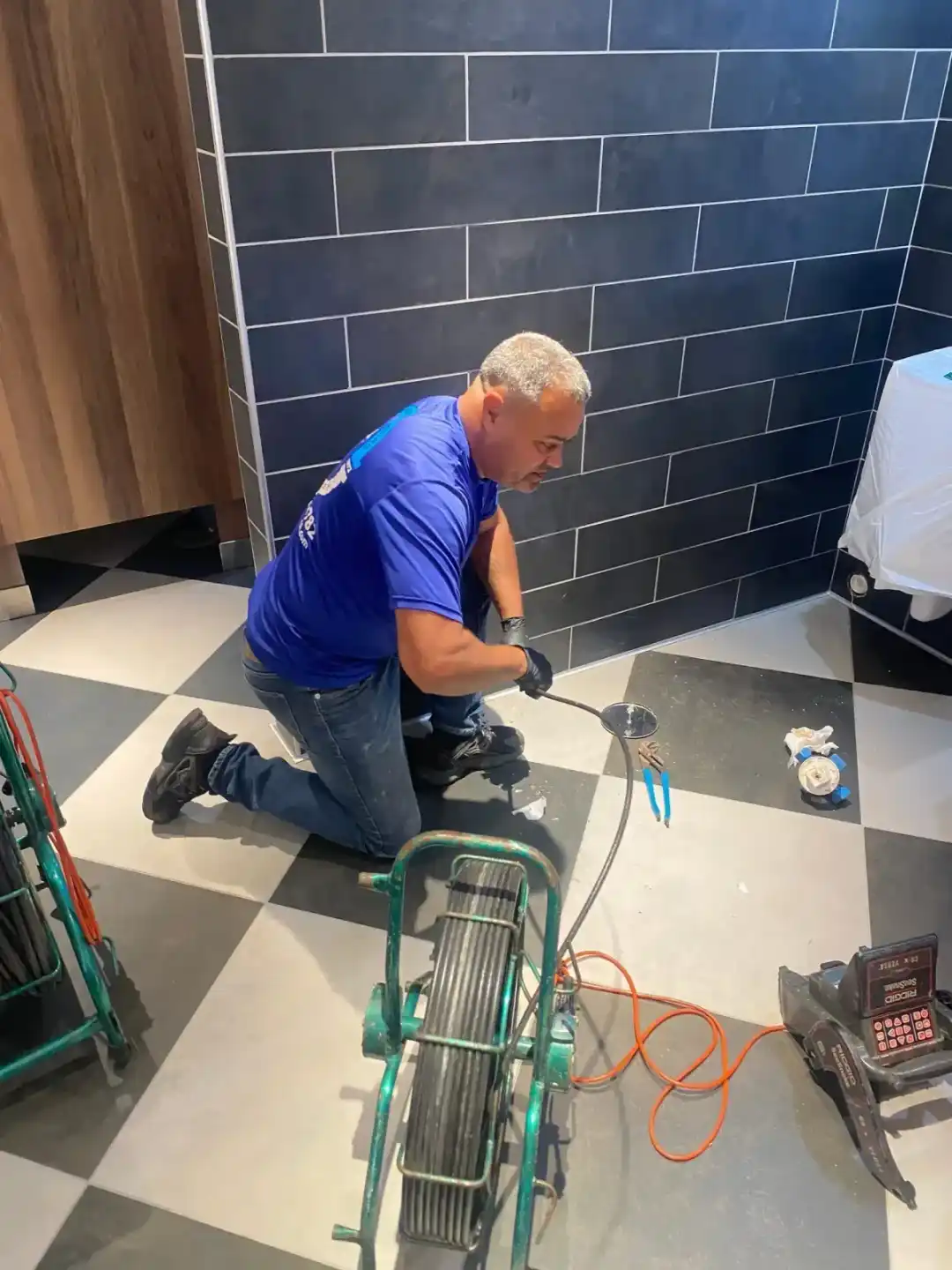 A good leak-detection visit starts with clean observations, not with dramatic demolition. The meter test is valuable because it gives the technician a better first hypothesis before walls or yard sections are opened.
Before you reset timers, mop floors, or convince yourself the symptom is gone, keep one short log. Hernandez Plumbing's slab-leak article recommends noting time of day, weather, which AC zones were running, and whether the dampness tracked with long showers or irrigation cycles. That sounds basic, but it is often the detail that makes a technician's first visit faster. "The wet strip only appears the morning after Zone 3 runs" is better than "sometimes the grass looks weird." "The hiss stops when the house valve is closed" is better than "I think it sounded louder in the hallway."
One important caveat: condo owners may not control a classic detached-house valve layout. In a condo or townhome, the building's plumbing configuration can blur the line between your unit and a common system. In that setting, the value is not proving everything yourself. It is documenting the symptoms and getting building management plus a plumber involved early.
False clues that can point you in the wrong direction
The fastest way to waste money is to force a big conclusion from a small clue.
Miami-Dade's leak page says common, easily correctable leaks include worn toilet flappers, dripping faucets, showerheads, and leaking valves. Hernandez Plumbing's leak-detection FAQ adds that high bills can also come from running toilets and other ordinary fixture leaks. That means a meter change is important, but it is not a verdict.
These are the most common misreads to avoid:
1. "The yard is wet, so it must be irrigation."
Not always. Rainfall, poor grading, compacted soil, and runoff can mimic an irrigation leak. UF/IFAS explicitly notes that water hitting pavement or running off a lawn can sometimes reflect infiltration problems rather than a broken line.
2. "The bill jumped, so it must be under the slab."
Also not always. A running toilet, leaking valve, faucet drip, or outdoor water use change can distort the bill before the slab is ever part of the story.
3. "I hear water, so the leak is under this exact room."
Sound travels. Hernandez Plumbing's service pages emphasize non-invasive detection methods for a reason: acoustic clues help, but they are not a map by themselves.
4. "It only smells musty indoors, so the yard cannot be involved."
Moisture problems are rarely that polite. Outdoor leaks can influence walls and floor edges differently depending on soil, routing, and the shortest path for water migration.
5. "If I cannot see the leak, I should keep testing until I can."
That is where people cross from useful observation into unhelpful damage. Once the clues are stacking up, another amateur experiment usually adds less value than a professional detection plan.
When Hernandez Plumbing is worth calling
You do not need to call for every damp blade of grass. You should call when the evidence stops being isolated and starts behaving like a system problem.
Hernandez Plumbing is the right next call when:
- the meter confirms ongoing loss and you cannot narrow it safely
- the house-valve isolation result points toward an indoor leak
- you have warm flooring, damp baseboards, or persistent indoor moisture
- one landscape zone keeps showing sand washout, spongy ground, or abnormal pooling
- you hear running water when fixtures are off
- the valve you need is stuck, corroded, or unclear
- active flooding, sewage, no-water events, or gas-related concerns move the issue into true emergency territory
Hernandez says its leak-detection work relies on acoustic listening, thermal imaging, and electronic methods to find the leak before recommending the repair path. Its Miami residential page frames the process as assessment, detection, verification, and repair, which is exactly what you want after a muddled meter test: a disciplined sequence, not a guess.
For true emergencies, Hernandez's emergency plumbing page treats burst pipes, sewage backups, major leaks, complete loss of water, flooding, and gas smell near a water heater as call-now situations. The page advertises 24/7 availability and typical 30-to-60-minute emergency response in the service area, with the usual caveat that severe weather and heavy call volume can affect timing.
 Once your clues are consistent, speed matters less than clarity. The best dispatch is the one that arrives with the right expectations about whether the problem is in the home, the yard, or both.
If your concern is less dramatic but still persistent, the higher-value call is often same-day or next-step leak detection rather than waiting for the symptom to become obvious enough to destroy more finish materials. That is especially true in older Miami houses where irrigation lines, supply piping, and past repairs can overlap in messy ways. The earlier you move from vague suspicion to a documented detection visit, the lower the odds that you pay for both the wrong repair path and the finish damage that comes with delay. A false start can cost extra drywall work, extra landscape repair, and extra days of uncertainty while the real leak keeps running.
This article is for general education only. It is not legal, insurance, engineering, or code advice. Confirm current service details, response availability, and property-specific plumbing conditions on the official Hernandez Plumbing site or with a licensed professional before authorizing work.
Need Professional Help?
Our licensed plumbers are ready to help with your leak detection needs.