How to Replace a Natural Gas Water Heater Safely
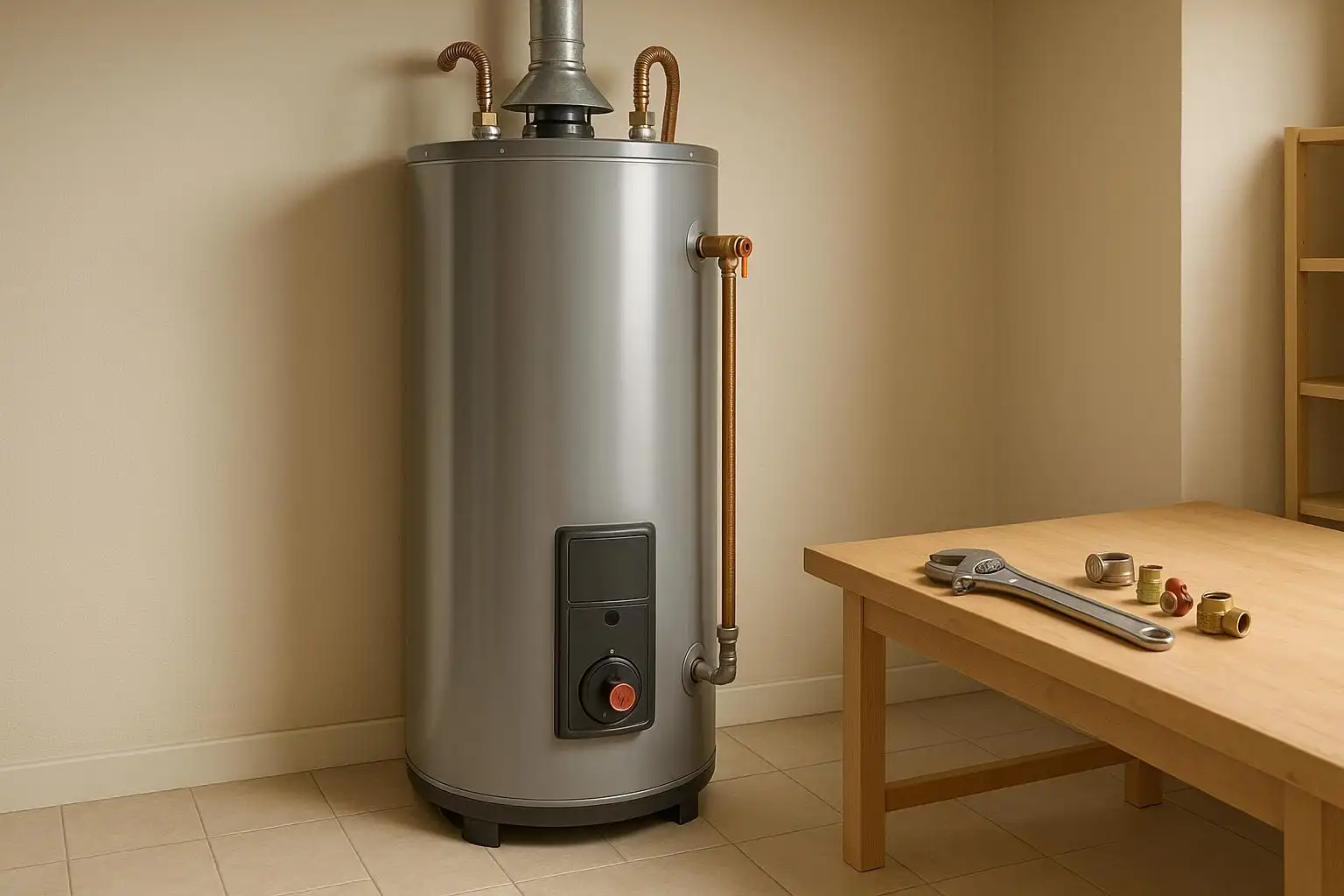
Replacing a natural gas water heater may seem intimidating, but with the right tools and guidance, it's a task you can tackle with confidence. Whether you're replacing your water heater due to age, inefficiency, or malfunction, following a step-by-step process ensures a safe and effective installation. For complex gas line work or if you're unsure about any step, our professional water heater services ensure safe, code-compliant installations. This article breaks down the process as demonstrated by Handy Jeff, adding professional insights and context to help homeowners and business owners in Miami, FL, understand how to replace a water heater safely while avoiding common pitfalls.
Natural gas water heaters are a popular choice in Miami for their cost efficiency and fast recovery rates. However, improper handling of gas and water connections can lead to safety risks. Let’s explore the key steps and best practices for replacing your natural gas water heater.
Understanding When to Replace Your Water Heater
Before diving into the replacement process, it’s important to identify when a water heater needs replacement. In the video, the water heater in question had a faulty thermocouple, and the client opted for a full replacement instead of repairing an aging unit. This decision was based on the likelihood of recurring issues with older equipment. Here are some reasons to replace your water heater:
- Age: Most water heaters last 8–12 years. If yours is approaching or exceeding this range, consider replacement.
- Performance Issues: A lack of hot water, inconsistent heating, or strange noises may signal underlying problems.
- Leaks: Rust or water pooling around the base indicates a compromised tank.
- Energy Efficiency: Upgrading to a newer model can reduce energy costs, especially if your current unit is inefficient.
Tools You’ll Need for the Job
Preparation is crucial for a smooth installation. Handy Jeff outlined the essential tools required:
- Two pairs of channel-lock pliers
- Screwdrivers (a multi-bit screwdriver is ideal)
- Thread tape (Thread seal tape)
- Thread sealant (pipe dope)
- Flashlights for visibility
- Optional: Slip-on push-to-connect fittings, if reusing old connections isn’t possible
Having these tools on hand will ensure you’re ready to handle every step of the process, from disconnection to installation.
Step-by-Step Guide to Replacing a Natural Gas Water Heater
1. Turn Off Utilities
- Water Supply: Shut off the water supply to the heater. If there’s no dedicated valve for the cold water inlet, you may need to turn off water to the entire property.
- Gas Supply: Locate the gas shut-off valve near the heater and turn it off. Ensure the valve is perpendicular to the pipe to block gas flow.
2. Drain the Tank
- Attach a garden hose to the drain valve located at the base of the water heater.
- Run the hose to a drain, toilet, or outdoor area.
- Open the drain valve and a hot water faucet to allow air into the system, speeding up the drainage process.
3. Disconnect the Old Water Heater
- Water Lines: Use two channel-lock pliers to loosen the unions on the hot and cold water lines. If connections are corroded, clean them before reusing.
- Gas Line: Carefully disconnect the gas line while ensuring the gas is fully off. Use two wrenches – one to hold the pipe steady and the other to loosen the connection.
- Ventilation: Remove the screws securing the vent pipe and set them aside for reuse.
4. Remove the Old Unit
- Use a hand truck to safely move the old water heater out of the way. Be cautious when navigating stairs or tight spaces.
5. Position the New Water Heater
- Remove the new unit from its packaging and position it where the old one stood. Ensure the water line and gas connections align with the new unit.
6. Reconnect the Water Lines
- Clean the fittings and apply thread tape to the threads of the water inlet and outlet pipes (cold and hot).
- Use thread sealant for additional security before tightening the unions with pliers.
7. Reconnect the Vent Pipe
- Attach the vent pipe to the new unit and secure it with screws. Ensure the vent is properly seated to prevent gas leaks.
8. Reconnect the Gas Line
- Apply thread sealant to the gas line threads and reconnect it to the gas control valve on the heater. Tighten the connection securely using two wrenches.
9. Fill the Tank
- Open the cold water supply and allow the tank to fill. Open a hot water faucet to release trapped air.
- Monitor for leaks at all connections and tighten as needed.
10. Light the Pilot and Activate the Unit
- Turn the gas valve back on and set the control knob to "Pilot."
- Follow the manufacturer’s instructions to ignite the pilot light. Once the pilot is lit, set the temperature control to the desired level (usually "B" for 120°F–130°F).
Safety Tips and Best Practices
- Triple-Check Gas Lines: Ensure all gas connections are secure and leak-free before turning the gas back on.
- Avoid Over-Tightening: While connections should be secure, excessive force can damage pipes or fittings.
- Ventilation Is Key: Properly reinstall the vent pipe to avoid dangerous carbon monoxide buildup.
- Consult a Professional: If you’re unsure about any step, it’s wise to call a licensed plumber or gas technician.
Key Takeaways
- Be Prepared: Gather the necessary tools and familiarize yourself with your home’s gas and water shut-off systems.
- Safety First: Always turn off utilities before beginning, and double-check connections for leaks when finished.
- Reusing Materials: If possible, reuse existing water lines and fittings to save time and money.
- Follow Manufacturer Guidelines: Ensure the new water heater is installed according to its specific requirements.
- Bleed Air from the Lines: After installation, run hot water fixtures to release trapped air and ensure proper water flow.
- Monitor for Issues: Check for leaks or unusual sounds in the days following installation.
Conclusion
Replacing a natural gas water heater doesn’t have to be daunting. By following these steps and prioritizing safety, Miami homeowners and business owners can ensure a successful installation with minimal hassle. Remember, if you’re ever in doubt, consulting a licensed professional can provide peace of mind and ensure compliance with local codes.
A well-functioning water heater is essential for comfort and convenience, and with proper installation, your new unit will deliver reliable service for years to come. Always prioritize quality materials and attention to detail to get the most out of your investment.
Source: "How to replace your Natural Gas Water Heater" – Youtube, YouTube, Sep 19, 2025 – Youtube
Need Professional Help?
Our licensed plumbers are ready to help with your water heater services needs.