High Water Pressure in Miami Homes: Signs Your Pressure Regulator Needs Attention
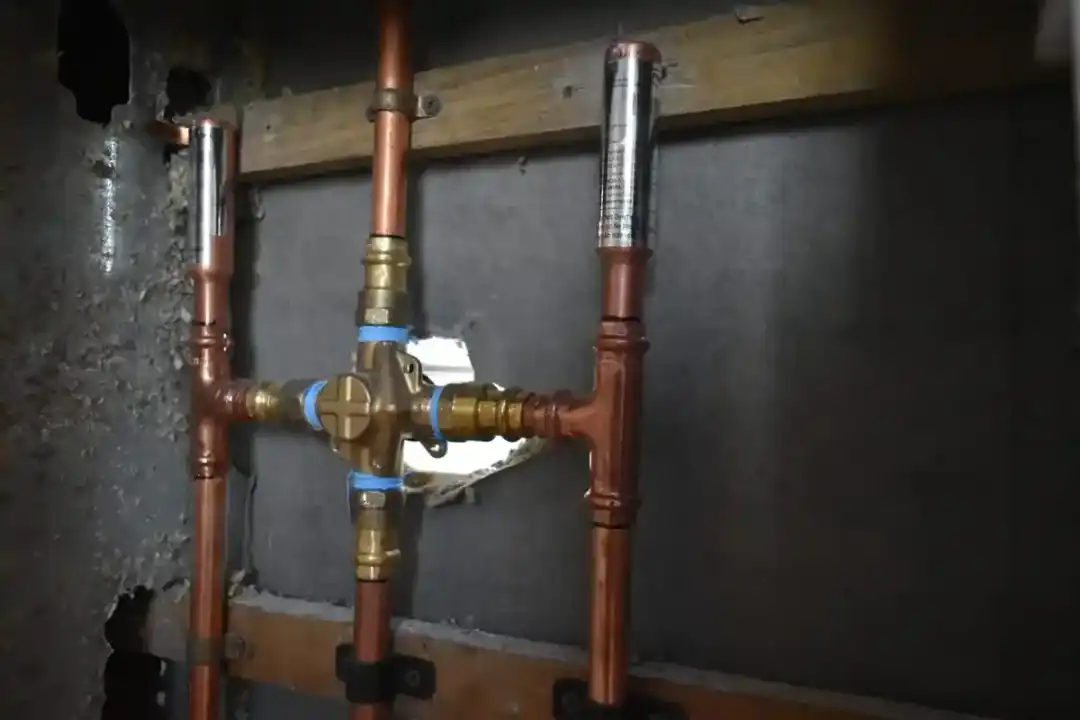
If you are dealing with high water pressure in Miami homes, the hardest part is that the problem often feels useful before it feels dangerous. A shower that hits hard can seem like an upgrade. A hose bibb that blasts water across the driveway does not immediately sound like a warning sign. Even a faucet that fills a pot a little faster can trick you into thinking the system is working well.
That is why pressure problems tend to stay hidden longer than low-pressure problems. Weak flow gets blamed right away. Strong flow gets tolerated until the plumbing starts talking back with banging pipes, dripping fixtures, worn-out hoses, splashy faucets, or a water heater and appliance history that feels more expensive than it should.
Hernandez Plumbing's water line services page already hints at that pattern. It lists pressure regulator service as a way to protect the plumbing from high pressure and flags water hammer, high water bills, and older galvanized supply conditions as signals worth taking seriously. This article takes the next step: how to tell whether pressure is actually too high, what the number on a gauge means, and when the pressure regulator is the likely issue versus a larger plumbing repair problem.
Why high water pressure is easy to miss in Miami homes
High pressure does not advertise itself the same way a clog or leak does. It acts more like background stress. The water still runs. The toilet still refills. The washing machine still starts. The damage shows up in the parts that absorb repeated force over time: valves, supply hoses, fill mechanisms, faucets, and older piping connections.
That is one reason the pressure number matters more than your intuition. The EPA WaterSense service-pressure technical sheet says supply-main pressure can reach 100 psi or more and that high pressure can damage pipes, fixtures, and appliances while increasing leak risk. The same guidance says most domestic systems need a pressure-regulating valve when supplied pressure exceeds 80 psi and recommends a more comfortable operating range of 45 to 60 psi.
PNNL's Service Water Pressure guide adds another useful detail: multi-family units should still stay at or below 60 psi, and public or private water systems can create much higher upstream pressure than homeowners expect because pumps and pumping stations can push supply pressure well beyond a normal fixture-friendly range.
That matters in Miami-Dade because the housing mix is not one-size-fits-all. A detached slab home, a townhouse, and a condo unit can all show pressure-related symptoms differently:
| What you notice first | What it may suggest | Why it is easy to misread |
|---|---|---|
| Strong shower spray or very fast faucet fill | Pressure may be running high | Many people assume strong flow means the system is healthy |
| Banging when a faucet or washer valve closes | Pressure shock or water hammer | It gets blamed on "old pipes" without checking the actual pressure |
| Repeated fill-valve, hose, or faucet trouble | Ongoing system stress | Each repair gets treated as a one-off event |
| A splashy kitchen faucet or hard-to-control hose bibb | Excess pressure at point of use | The symptom feels annoying, not urgent |
| A higher water bill with no obvious leak | Hidden waste or pressure-related wear | The bill gets blamed on usage before the system is checked |
The goal is not to assume every strong stream means you need a new regulator. The goal is to stop treating strong flow as automatic proof that everything is fine.
Signs your pressure regulator may need attention
Not every pressure problem starts with a pressure-gauge reading. Most homeowners notice a symptom first.
Hernandez's water-line page says loud banging noises when you turn off a faucet are a water-hammer warning sign and point to pressure issues in the water lines. Its plumbing-repair page also says water-pressure problems can involve PRV adjustments, valve issues, or broader pipe restrictions. On the support side, Hernandez's pipe-leaks article says pressure above 80 psi can stress pipes enough to cause leaks or bursts, especially when the warning pattern already includes banging noises or dripping fixtures.
Those clues are most useful when you group them into a pattern instead of reacting to one symptom at a time:
- Banging when valves close: common with washing machines, dishwashers, icemakers, and quick-closing faucets
- Faucets or hoses that feel harder to control than usual: the flow may feel jumpy, aggressive, or need an unusually gentle touch
- Fixture parts wearing out too often: toilet fill valves, faucet cartridges, flexible supply lines, and hose bibb components may fail faster than expected
- Pressure that seems to swing during the day: acceptable one hour, then suddenly loud or forceful later
- Leaks or drips that keep coming back: especially at already-stressed joints, shutoffs, or supply connectors
- Older supply-line material showing its age: corrosion, discolored water, or recurring wet spots can raise the stakes when pressure is high
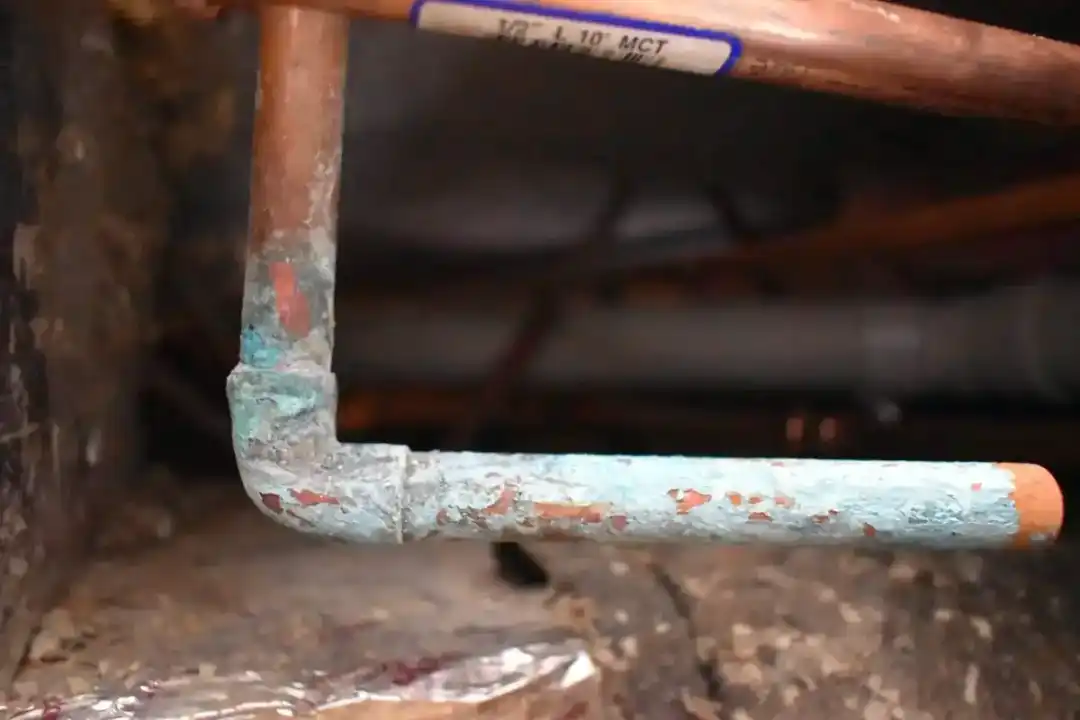 High pressure does not create every pipe problem, but it makes weak points more expensive. Corrosion, aging valves, and stressed connections tend to fail sooner when the system is pushing harder than it should.
One of the easiest mistakes is confusing a pressure symptom with a regulator diagnosis. A partially closed valve, a single bad faucet cartridge, mineral buildup in one fixture, or loose pipe support can create a similar impression. That is why the article should not stop at "you heard a bang" or "the shower feels strong." It needs one more step: measure the pressure.
It also helps to notice where the symptom lives. If the complaint is only one bathroom sink, the odds of a whole-home pressure problem are lower. If the same house also has a noisy washer box, a hose bibb that feels violent, and a toilet fill valve that keeps needing attention, the pattern shifts. Pressure issues usually stop being convincing at the single-fixture level and start becoming convincing when several unrelated parts of the system feel more aggressive or wear out faster than they should.
Water-use patterns add another clue. Hernandez's water-line page includes high water bills among the warning signs worth investigating. That does not mean high pressure always creates one dramatic break. More often, it means small weak points begin wasting water earlier, seals wear faster, and fixture parts stop lasting as long as they should. The result can look like a string of unrelated annoyances when the real issue is the amount of force moving through the system all day.
What a simple pressure test can tell you before you guess
The safest useful homeowner move in this category is not to turn screws on a regulator. It is to take a clean pressure reading.
EPA WaterSense says you can verify water pressure by attaching a gauge to a hose bibb, a cold-water washing-machine hookup, or another first-floor cold-water tap and then opening the water fully. Hernandez's pipe-leaks article makes the same basic point in simpler homeowner language: a gauge on an outdoor faucet can tell you quickly whether the pressure is drifting into the over-80-psi danger zone.
That gives you a straightforward sequence:
- Pick a sensible test point. An outdoor hose bibb or another accessible cold-water point is usually easiest.
- Use a basic pressure gauge. The gauge is there to replace guesswork with a number.
- Read it with the water opened fully. You are trying to understand the system's delivered pressure, not just how the faucet feels in your hand.
- Compare the reading to real thresholds. The most important one is whether it is over 80 psi. The more efficient target range is 45 to 60 psi.
If the reading is comfortably in range, the story changes. Your issue may be fixture-specific, thermal-expansion-related, or connected to loose piping or worn components rather than nonstop high incoming pressure.
If the reading is over 80 psi, that is the point where the regulator question becomes serious. A plumber may find:
- there is no functioning PRV on the line
- there is a PRV, but it is not holding the set pressure
- the pressure issue is tied to another system condition, such as thermal expansion in a closed system or a valve layout problem
PNNL also notes something many homeowners miss: if a PRV is already installed, the system becomes closed, which means thermal expansion can create additional pressure issues that should be handled according to local code. That is one reason not to treat this like a simple "turn it down and move on" task if you are not sure how the home is configured.
Another smart nuance from EPA is that if the home has multiple supplies, such as a separate irrigation source, each supply should be verified. That matters because outdoor-only pressure complaints do not always tell the same story as the interior system.
If you want the reading to be more useful, keep a short log with it:
- the date and time of the reading
- whether the complaint feels constant or comes and goes
- which fixtures are the noisiest
- whether any recent repairs involved fill valves, hoses, or shutoffs
- whether the strongest symptom is indoors, outdoors, or both
That sounds minor, but it turns "the water feels weird" into something a plumber can actually triage. A note like "two hose-bibb readings over 80 psi and the washer valve bangs every cycle" gives a much better starting point than "the shower seems extra strong lately."
The test itself is easy. The interpretation is where discipline matters.
Why older Miami plumbing makes pressure problems more expensive
Pressure is a force multiplier. It does not have to be the original problem to make everything around it worse.
Hernandez's water-line page warns readers to pay attention to old galvanized pipes, discolored water, wet yard spots, and recurring bills. Its plumbing-repair page says the company works on copper, PVC, CPVC, PEX, galvanized, and cast-iron systems. That list matters because a high-pressure problem lands differently on a newer, well-supported system than it does on a house with aging supply materials, corroded shutoffs, or a repair history that already includes leaks and replacements.
Here is the practical version:
- A newer fixture on a healthy line may just feel aggressive and noisy.
- An older hose, fill valve, or shutoff may start leaking under the same conditions.
- Corroded or narrowed piping may create uneven pressure behavior that confuses the diagnosis.
- A home with a wider water-line issue can show both pressure symptoms and material-failure symptoms at the same time.
That is why certain failures deserve more attention than others. When pressure is too high, the first complaints often come from the parts that open and close repeatedly or rely on smaller seals:
- toilet fill valves that stop shutting off cleanly
- braided supply lines that begin weeping at the nut or connection
- hose bibbs that feel too forceful or awkward to control
- faucet cartridges that become noisy, splashy, or inconsistent
- washer and dishwasher valves that produce the sharpest hammering sounds
None of those parts prove the regulator is bad by themselves. Together, though, they create a stronger case that the system is running harder than it should.
That is why "my pressure is high" and "my regulator is bad" are not automatic synonyms. Sometimes the pressure problem is the main event. Sometimes it is the clue that exposes a broader supply-line problem.
This is especially important when the symptom stack includes more than one category:
- high pressure plus discolored water
- water hammer plus recurring leaks at fittings
- strong flow plus wet yard spots
- noisy fixtures plus an unexplained water bill
At that point, the conversation shifts from regulator-only troubleshooting toward a fuller water-line and repair diagnosis. That is exactly where a licensed water-line visit is more helpful than another internet checklist.
What a plumber checks before blaming the regulator
The fastest path to a bad repair is to decide the answer before checking the system around it. A good diagnosis does the opposite.
Start with the basics Hernandez already points to on its live pages: pressure complaints can involve PRV adjustments, valve issues, or pipe conditions. A plumber will usually want to confirm the pressure reading first and then work outward from there.
That often includes:
- verifying the gauge reading at a sensible test point
- checking whether the pressure stays high consistently or only spikes
- confirming the main shutoff and other relevant valves are actually fully open
- looking for evidence of corrosion, leakage, or recurring connection failure
- checking whether fixture-specific complaints are system-wide or isolated
- locating the PRV, if present, and evaluating whether it is functioning as intended
- thinking about thermal expansion if a PRV is already installed
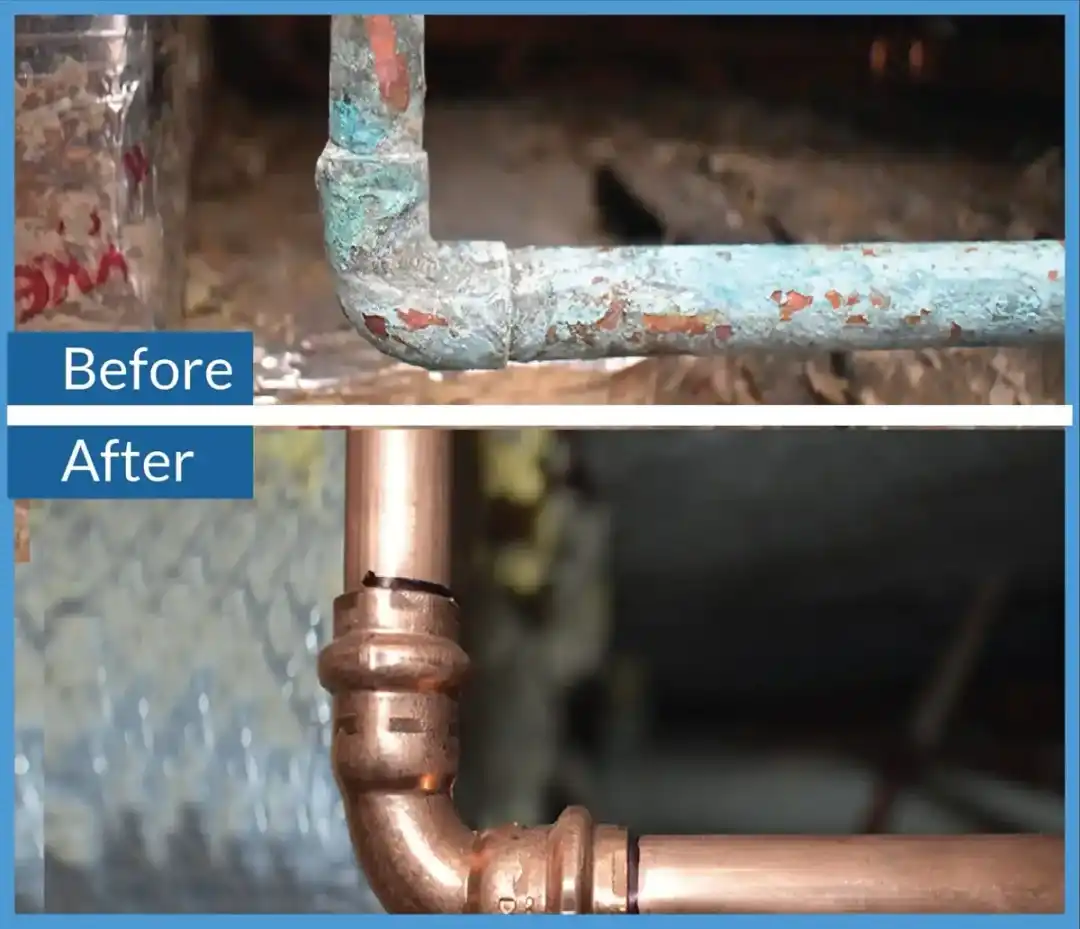 A regulator problem and a broader water-line problem can look similar at first. The job is not to assume one and ignore the other; it is to confirm what the system is actually doing before choosing the repair path.
That broader view is why the water-line page stays relevant even if the final answer is a PRV repair instead of a replacement. Hernandez's own service language ties pressure complaints to old galvanized lines, leaks, and full water-line work, not just one regulator component in isolation.
This is also where condo and townhome readers should slow down. PNNL's guidance makes clear that unit pressure still matters in multi-family buildings, but the actual equipment layout may not be fully inside your unit. If pressure is obviously high and you live in a condo, the best move may be to document the symptom, get a reliable reading, and involve building management with a licensed plumber rather than assuming the regulator is yours alone to adjust.
Homes with irrigation deserve a different kind of caution. If the strongest complaint is outside, it helps to tell the plumber whether your irrigation is tied to the same domestic supply or a separate arrangement. That detail does not replace diagnosis, but it does help explain why an outdoor symptom may not match what the interior fixtures are doing.
What should not happen is blind tinkering:
- do not start turning adjustment hardware just because a search result told you the regulator is nearby
- do not open street-side or utility-side valves casually
- do not treat every hammering sound as proof that the regulator itself is the only bad part
The right repair comes after the right scope.
When Hernandez Plumbing is worth calling
There is a difference between "I should pay attention to this" and "I should get a plumber involved now."
Hernandez Plumbing is the right next call when:
- your pressure reading is over 80 psi
- pressure-related symptoms keep returning after individual fixture repairs
- banging pipes, leaking connectors, or splashy faucets are happening across more than one fixture
- you also have older galvanized piping, wet yard signs, discolored water, or other water-line warnings
- you are not sure whether the issue is the PRV, the water line, or a wider repair problem
- the pressure complaint has crossed into active leakage, flooding, or no-water symptoms
For routine but important pressure diagnosis, Hernandez's water line services and plumbing repair in Miami pages are the most relevant service anchors. They cover PRV service, water-line leaks, supported piping materials, and broader repair work when the issue is more than one noisy faucet.
For true emergencies, the threshold is narrower. Hernandez's emergency plumber in Miami guide treats burst pipes, active flooding, sewage backups, and complete loss of water as call-now situations. That is a different problem category than "my shower feels too strong," and it should be treated differently.
 A pressure problem is worth diagnosing early because the expensive part is rarely the gauge reading itself. It is the repeat damage that piles up while the system keeps running harder than it should.
If your pressure is high but the home is still dry, this is a good moment to act before the symptom becomes a repair history. The earlier you confirm the number, the easier it is to separate a PRV problem from a broader supply-line issue and the less likely you are to keep replacing small parts that are failing for the same hidden reason.
This article is for general education only. It is not legal, engineering, or code advice. Confirm current service details, pressure conditions, and property-specific plumbing requirements with the official Hernandez Plumbing site and a licensed professional before authorizing work.
Need Professional Help?
Our licensed plumbers are ready to help with your water line services needs.