Pre-1975 Miami Homes: The Hidden Cast Iron Pipe Problem
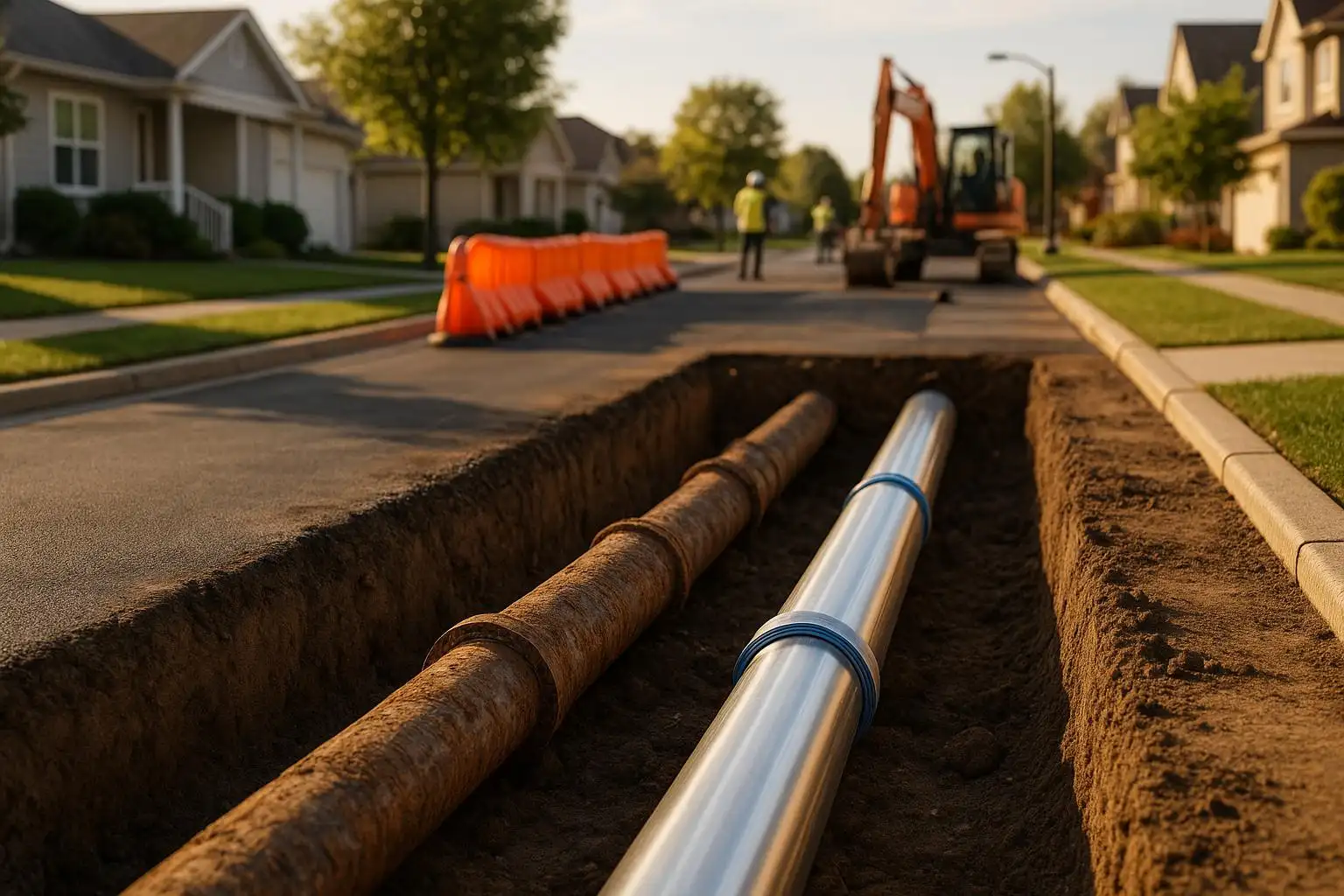
Miami's architectural heritage includes thousands of beautiful mid-century homes—charming ranches in Coral Gables, Art Deco gems in Miami Beach, and sturdy CBS (concrete block and stucco) houses throughout Miami-Dade and Broward counties. But beneath these beloved homes lies a ticking time bomb: aging cast iron plumbing systems that are reaching—or have already passed—their expected lifespan.
If you own a pre-1975 Miami home, understanding the cast iron problem isn't optional—it's essential to protecting your investment. For a comprehensive overview of pipe issues and solutions, read our Complete Guide to Pipe Repair and Repiping.
Why 1975 Is the Magic Number
Before the mid-1970s, cast iron was the standard material for drain, waste, and vent (DWV) pipes in residential construction. It was durable, fire-resistant, and considered the best available option.
Around 1975, PVC (polyvinyl chloride) pipe became widely accepted by building codes as a cheaper, easier-to-install alternative. By the early 1980s, PVC had largely replaced cast iron in new construction.
This means:
- Homes built before 1975: Almost certainly have cast iron drain pipes
- Homes built 1975-1985: May have cast iron, PVC, or a mix
- Homes built after 1985: Usually have PVC throughout
The Miami Cast Iron Timeline
Here's what's happening to cast iron pipes in Miami homes:
| Home Era | Pipe Age in 2026 | Condition |
|---|---|---|
| 1940s-1950s | 70-85+ years | Critical—likely failing |
| 1950s-1960s | 60-75 years | At or past lifespan |
| 1960s-early 1970s | 50-65 years | Approaching end of life |
Cast iron pipes have an expected lifespan of 50-75 years under ideal conditions. South Florida's conditions are far from ideal.
Why South Florida Is Especially Hard on Cast Iron
Cast iron pipes in Miami deteriorate faster than in other parts of the country due to:
High Humidity
Miami's average humidity hovers around 75%. This constant moisture promotes:
- Exterior corrosion on exposed pipes
- Condensation that accelerates rust
- Mold and mildew in areas around leaking pipes
Aggressive Soil Conditions
Miami-Dade's soil chemistry is uniquely corrosive:
- High mineral content attacks metal pipes
- Limestone substrate can be acidic in areas
- Salt intrusion in coastal neighborhoods adds chlorides
Year-Round Usage
Unlike homes in northern climates where plumbing gets a winter "rest," Miami homes use their plumbing systems at full capacity 365 days a year. More usage means more wear.
Hurricane and Flood History
Major hurricanes can stress underground pipes through:
- Ground shifting and settling
- Flooding that introduces debris
- Pressure changes in the system
The Hidden Danger: You Can't See Cast Iron Failing
Cast iron pipes corrode from the inside out. By the time you see external rust or experience problems, significant damage has already occurred.
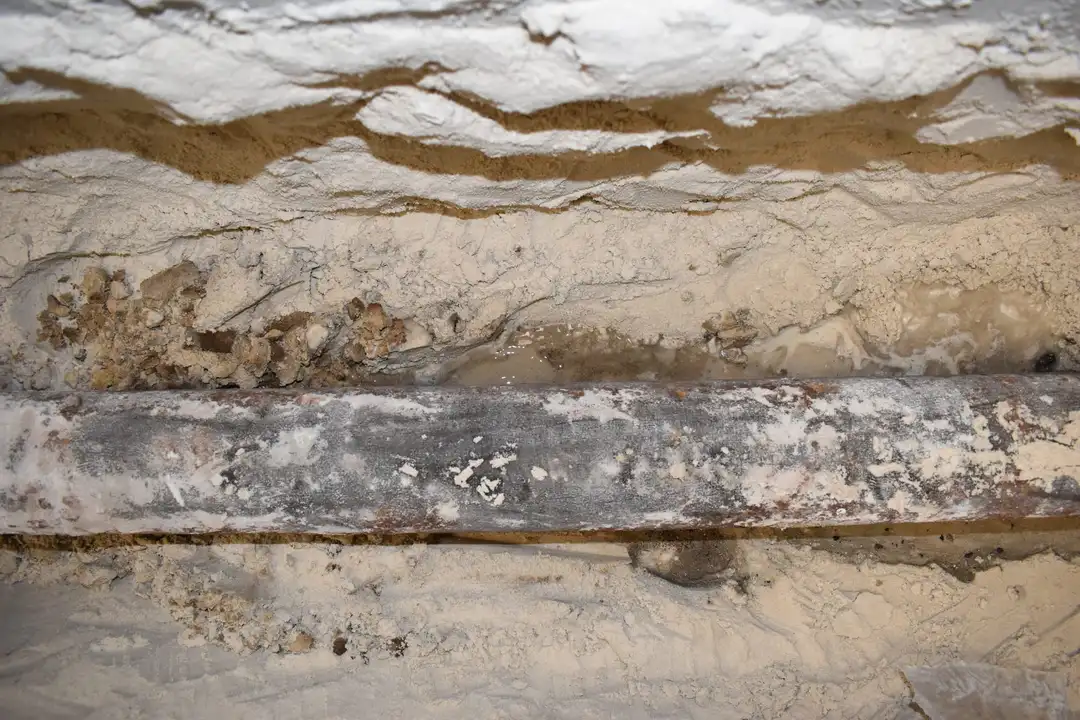
What's Happening Inside Your Pipes
Stage 1: Surface corrosion The interior pipe surface develops a thin layer of rust. Flow is minimally affected. No visible signs.
Stage 2: Scale buildup Rust accumulates into rough, uneven scale. This catches debris, slows drainage, and requires more frequent drain cleaning.
Stage 3: Pitting and thinning Corrosion eats through the pipe wall unevenly, creating weak spots. Some areas become paper-thin while others remain relatively intact.
Stage 4: Cracks and breaks Weakened areas crack under normal use. Small cracks allow sewage to seep into surrounding soil. Large cracks cause backups and failures.
Stage 5: Collapse Pipe sections collapse entirely, blocking the line and causing major backups. Emergency repair is required.
Most Miami homeowners don't realize there's a problem until Stage 3 or 4—when damage is already significant.
Neighborhoods Most Affected
Based on our 50+ years serving Miami-Dade and Broward, these neighborhoods have the highest concentration of pre-1975 homes with aging cast iron:
Miami-Dade County
- Coral Gables: Historic homes from 1920s-1960s
- Coconut Grove: Some of Miami's oldest residences
- Miami Beach: Art Deco and MiMo homes from 1930s-1960s
- Little Havana: Primarily 1940s-1960s construction
- Hialeah: Rapid development in 1950s-1970s
- Kendall (older sections): 1960s-1970s neighborhoods
- South Miami: Mid-century homes throughout
Broward County
- Fort Lauderdale (older areas): Pre-1970s neighborhoods
- Hollywood: Mid-century beach community
- Wilton Manors: 1950s-1960s homes
- Oakland Park: 1960s-1970s development
What Every Pre-1975 Homeowner Should Do
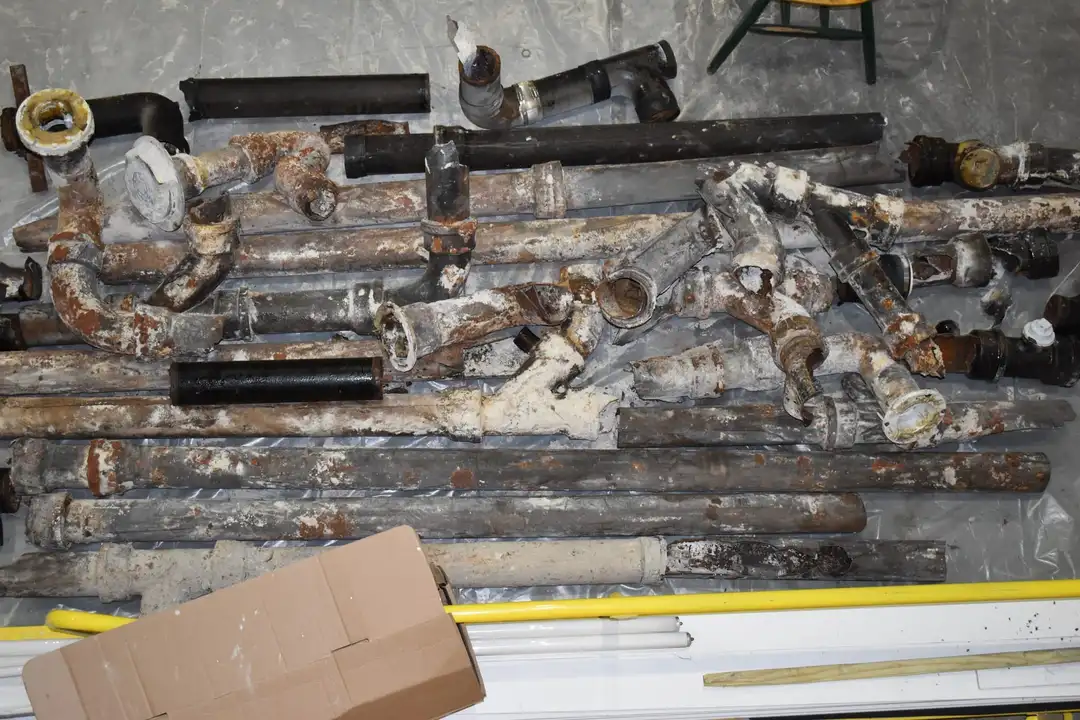
Step 1: Confirm What's in Your Home
Not sure if you have cast iron? Here's how to check:
Visual inspection:
- Look at exposed pipes in the garage, under sinks, or in utility areas
- Cast iron is dark gray or black, heavy, and makes a dull "thud" when tapped
- PVC is white or gray plastic, lightweight, and makes a hollow "ping"
Professional inspection: A sewer camera inspection ($150-$300) shows exactly what's in your drain system and its current condition.
Step 2: Get a Baseline Assessment
Even if you're not experiencing problems, knowing your pipe condition helps you plan:
- Good condition: Monitor annually, budget for future replacement
- Fair condition: Plan replacement within 2-5 years
- Poor condition: Replace soon to avoid emergency
- Critical condition: Replace immediately
Step 3: Plan Proactively
Proactive replacement offers major advantages over emergency repair:
| Proactive Replacement | Emergency Repair |
|---|---|
| Choose your contractor | Take whoever's available |
| Schedule at your convenience | Happens when it happens |
| Get multiple quotes | No time to shop around |
| Budget and finance | Pay immediately |
| Minimize home disruption | Maximum disruption |
| Lower total cost | Emergency premiums |
Step 4: Budget Appropriately
For a typical 3-bedroom, 2-bathroom Miami home, expect:
- Partial replacement: $5,000 - $15,000
- Full replacement: $15,000 - $35,000
- With restoration: Add $2,000 - $5,000
Many homeowners spread costs by addressing the most critical sections first.
Real Estate Implications
If you're buying or selling a pre-1975 Miami home, cast iron pipes matter:
For Buyers
- Always get a sewer camera inspection before closing
- Factor replacement costs into your offer or negotiation
- Ask for credits if pipes are in poor condition
- Consider insurance implications (some companies won't cover homes with failing cast iron)
For Sellers
- Disclose known issues (required by Florida law)
- Consider proactive replacement to avoid deal-killing inspection findings
- Provide documentation if pipes have been recently inspected or replaced
- Price accordingly if selling as-is with old cast iron
Homes with documented new plumbing often sell faster and for more than comparable homes with unknown pipe conditions.
The Bottom Line for Pre-1975 Homeowners
If your Miami home was built before 1975:
- You almost certainly have cast iron drain pipes
- Those pipes are at or near end of life
- Failure is a matter of when, not if
- Proactive assessment and planning saves money and stress
Don't wait for a sewage backup to discover what's happening in your pipes. The best time to address aging cast iron is before it becomes an emergency.
Schedule Your Assessment
Hernandez Plumbing has been helping Miami homeowners with cast iron pipe problems since 1972—we've literally been doing this longer than most of these pipes have been in the ground.
Our comprehensive cast iron assessment includes:
- Video camera inspection of your drain system
- Condition report with photos and video
- Honest assessment of remaining lifespan
- Replacement options and pricing
- No pressure, no obligation
Schedule your cast iron assessment or call us at 305-428-3782.
Protect your vintage Miami home by understanding what's beneath it.
Need Professional Help?
Our licensed plumbers are ready to help with your cast iron pipe replacement needs.