Plumbing Maintenance Checklist For Emergencies
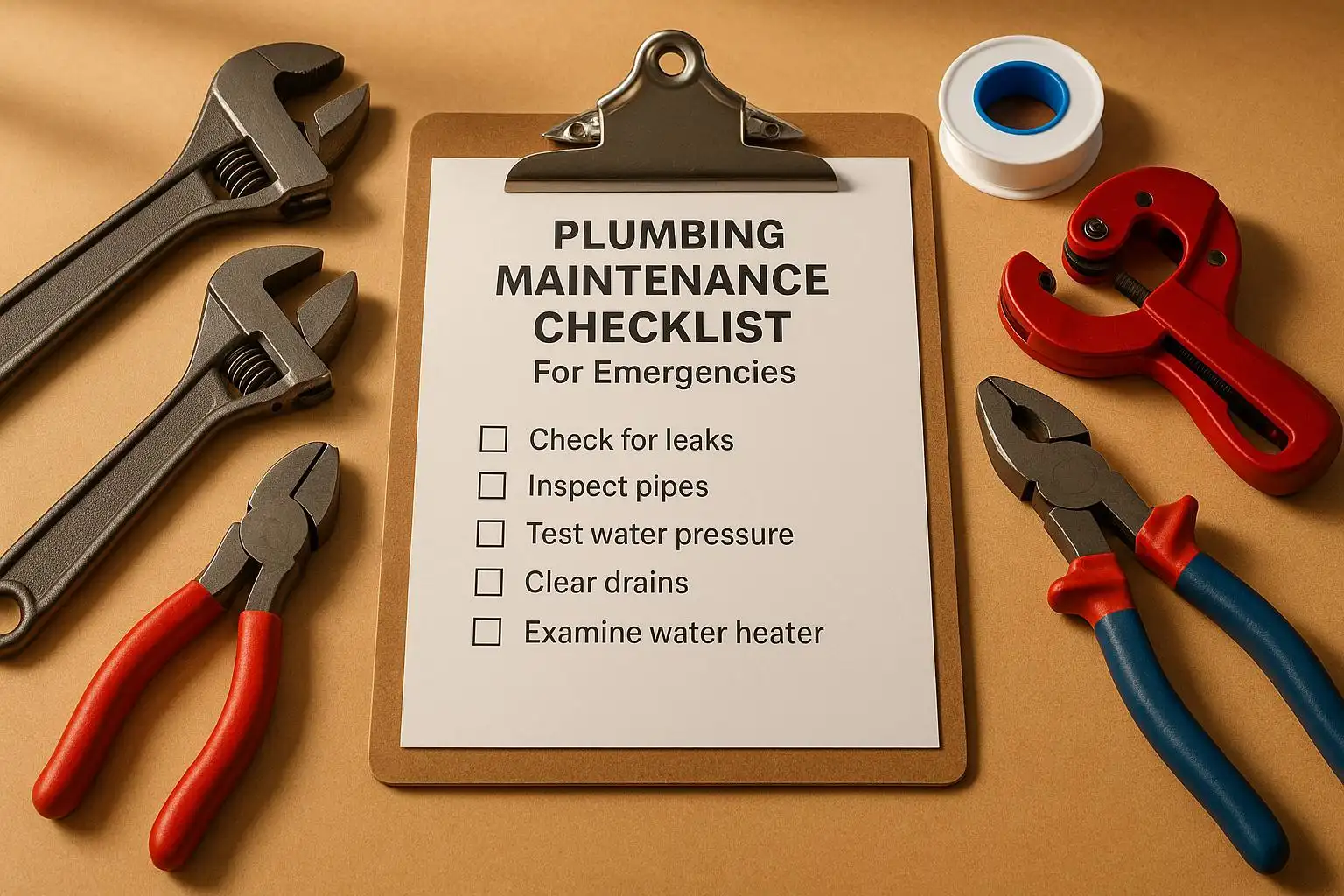
Plumbing problems can hit when you least expect them, leading to expensive repairs and disruptions. Regular maintenance is your best defense against leaks, clogs, and costly emergencies. Here’s the bottom line:
- Leaks waste water and money: A single leaky faucet can waste over 3,000 gallons annually, and hidden leaks can add hundreds to your water bill.
- Emergency repairs are expensive: Rates can reach $600+ per hour, compared to $170 for routine service.
- Maintenance saves time and money: Annual checkups (~$199) can prevent repairs costing up to $4,000.
- Health and property risks: Ignored plumbing issues can cause mold, water contamination, or structural damage.
To stay ahead of issues, inspect for leaks, test drains, check water pressure, and maintain your water heater. Know where your main water shut-off is, keep basic tools handy, and have a plumber’s contact info ready. Proper care not only prevents emergencies but also ensures your plumbing system runs smoothly year-round.
Real Plumber Ultimate Plumbing Maintenance Guide
Routine Inspection Tasks
Regular inspections are key to spotting problems before they escalate. According to the EPA, leaks in an average home can waste about 10,000 gallons of water annually. By performing monthly checks in critical areas, you can catch these issues early and save yourself from expensive repairs down the line.
Check for Leaks and Drips
Start by looking at visible plumbing for any signs of trouble. Water stains, discoloration, damp patches, mold, or peeling paint often mean water is escaping where it shouldn’t. Pay close attention to areas under sinks, around toilets, in basements, and near appliances like dishwashers or washing machines, where water tends to pool.
Unusual pipe noises – even when the water is off – can signal hidden problems behind walls or underground. Keep an eye on your water bills; a sudden spike might point to a hidden leak wasting gallons of water.
In March 2025, Abacusplumbing in Houston, TX, highlighted that slab leaks, often identified by warm spots on floors or unexplained moisture, need immediate professional attention to avoid foundation damage. They use advanced electronic Roundrockplumbing tools to locate leaks without unnecessary damage, saving both time and money.
For leaks that aren’t easily visible, tools like moisture meters or thermal imaging cameras can help you detect hidden moisture behind walls or under floors before it causes noticeable damage.
Test Drains and Clear Minor Clogs
Slow-draining water is often a sign of a clog. To test, pour a bucket of water into the drain and see how quickly it empties. Slow drainage or gurgling sounds could mean trapped air pockets from a developing blockage.
Address minor clogs quickly. Pour boiling water down the drain to dissolve grease, but be cautious with PVC pipes. For tougher clogs, try the classic baking soda and vinegar trick: pour half a cup of baking soda, then half a cup of vinegar, cover the drain, wait at least 30 minutes, and flush with hot water.
Prevent clogs by using drain screens in sinks, tubs, and showers to catch debris like hair and food particles. Clean your drains monthly with hot water, vinegar, and baking soda to remove minor buildups. Avoid chemical drain cleaners, which can harm your pipes and pose health risks. Instead, use a plunger or a drain snake to tackle stubborn blockages.
Check Toilets for Proper Function
Toilets account for nearly 30% of a home's indoor water use, so keeping them in good shape can save both water and money. Learn about the hidden costs of running toilets and discover effective solutions for fixing a running toilet. Check for water pooling around the toilet base, which could indicate a leak that needs immediate attention.
Listen for the sound of running water when the toilet isn't in use – a sign that the fill valve may need replacing. Weston residents with running toilet issues can schedule a repair today. Also, ensure the toilet flushes properly without running continuously. If the flush seems weak, adjust the tank’s water level, but never set it higher than the overflow tube.
To check for hidden leaks, add a few drops of food coloring to the tank, wait 15 minutes without flushing, and see if the color shows up in the bowl. If it does, the flapper valve likely needs replacement.
Make sure the toilet is securely attached to the floor by gently rocking it side to side. A loose toilet can damage the wax ring seal, causing leaks. Also, inspect the connection between the bowl and tank, and check for wear on the fill and flush valves.
Check Water Heater Performance
Regular water heater inspections can help extend its life and prevent sudden breakdowns. Look for signs of corrosion, especially around fittings and connections, and check for pooling water at the base, which could indicate a leak.
Test the water temperature throughout your home. If it fluctuates or isn’t as hot as usual, your water heater might need professional servicing. Unusual noises like rumbling or popping often point to sediment buildup inside the tank.
Inspect the pressure relief valve for signs of discharge or corrosion. This valve is a critical safety feature, so any issues should be handled by a professional immediately. Also, keep the area around your water heater clear of flammable materials, and make sure ventilation is unobstructed.
For gas water heaters, check the venting system for proper connections, and look for rust or corrosion on the flue. If you smell gas, shut off the supply immediately and contact a professional.
Check Water Pressure Levels
Maintaining proper water pressure is essential for your plumbing system. Test the pressure at various faucets to ensure consistency. The ideal range for residential water pressure is between 40-60 PSI; anything above 80 PSI can strain your pipes and lead to damage.
Use a pressure gauge on an outdoor spigot to check the pressure. If it’s too high, consider installing a pressure-reducing valve to protect your plumbing system.
Low water pressure might be caused by clogged aerators, partially closed shut-off valves, or mineral buildup in pipes. Clean faucet aerators and showerheads regularly to remove any deposits restricting water flow. If cleaning doesn’t solve the issue, the problem could stem from your main water line or the municipal supply.
Be alert to sudden changes in pressure. A gradual drop could mean pipe corrosion or sediment buildup, while a sudden increase might stress your plumbing system, potentially leading to leaks or pipe failures.
Preventive Maintenance Steps
Routine inspections are just the start – taking proactive steps can keep your plumbing in top shape and prevent small issues from turning into expensive repairs. Here are some practical ways to maintain your drains, fixtures, and water heater for the long haul.
Clean Drains Regularly
Keeping your drains clean is essential to avoid clogs and costly repairs. Stick to the basics: only let water go down your kitchen sink and limit toilets to human waste and toilet paper. Avoid dumping grease, fats, rice, pasta, eggshells, coffee grounds, banana peels, or any non-degradable items into drains. Instead, collect cooking oils and grease in a container and toss them in the trash.
To catch debris, use drain screens in sinks, showers, and bathtubs, and clean these screens weekly. Flush your drains with hot water once a week to help dissolve grease buildup. For a deeper clean, try this monthly trick: pour ½ cup of baking soda followed by ½ cup of white vinegar into the drain, cover it, wait 15–20 minutes, and then flush with hot water. This method is safer for both your pipes and the environment compared to chemical cleaners.
For more stubborn buildup, a few teaspoons of liquid dish soap or an enzyme-based cleaner followed by a hot water flush can do the trick. If you’re using a garbage disposal, always run cold water to keep oils and grease solid, and don’t forget to clean drain stoppers regularly while inspecting pipes for cracks or leaks.
Replace Worn Washers and Seals
Dripping faucets aren’t just annoying – they can waste over 3,000 gallons of water annually. Keep an eye out for water pooling around faucets, which could mean seals or gaskets need replacing. Strange noises when you turn on a faucet might point to faulty washers or valves. If your water bill suddenly spikes, a hidden leak could be the culprit.
During monthly inspections, check faucets and fixtures for drips, leaks, or signs of corrosion, especially in damp areas. If you spot a leak, replace the washers, seals, or gaskets right away. When reassembling, use plumber’s grease on the new parts for a watertight seal, and avoid overtightening faucet handles to extend their lifespan.
Insulate Exposed Pipes
Exposed pipes are vulnerable to freezing, especially in unheated spaces like basements, crawl spaces, garages, or along exterior walls. Wrapping these pipes with foam insulation or heat tape can prevent freezing and bursting, saving you from costly repairs. Plus, proper insulation helps maintain water temperature and can lower energy bills.
Flush Water Heater Annually
Flushing your water heater once a year can improve its efficiency and extend its life. Over time, sediment and mineral deposits build up, reducing performance and potentially causing damage. Common signs that it’s time to flush include a reduced supply of hot water, strange popping or crackling noises, or discolored water. If you live in an area with hard water, consider flushing the tank twice a year.
Here’s how to flush your water heater:
- Turn off the power or gas supply and shut off the water inlet.
- Open a hot water faucet to let air into the system.
- Attach a hose to the drain valve and drain the tank completely.
- Open the cold water inlet and let it run until the water is clear.
- Close the drain valve, disconnect the hose, and refill the tank.
- Turn the power or gas back on, and test the pressure relief valve to ensure it’s working.
For tankless water heaters, descaling is recommended to keep temperatures consistent and reduce system stress.
Seasonal Plumbing Preparations
Adjusting your plumbing for seasonal changes is a smart way to avoid weather-related damage. Before winter, disconnect and drain outdoor hoses, shut off exterior water valves, and insulate outdoor faucets to prevent freezing. In spring, check for any freeze damage and test outdoor spigots. During the summer, monitor water usage from irrigation systems, and in the fall, clear out gutters and downspouts to prevent backups.
Emergency Preparedness Steps
Routine maintenance is essential for avoiding plumbing issues, but being ready for emergencies is just as important. When something goes wrong, acting fast can make all the difference. Follow these steps to ensure you’re prepared to handle plumbing emergencies effectively.
Find and Label the Main Water Shut-Off Valve
The main water shut-off valve is your first line of defense in a plumbing emergency, as it controls the water supply to your entire property. Learn how to shut off water during a plumbing emergency before disaster strikes. Unfortunately, many people don't know where it is until disaster strikes. Start by checking these common locations:
- In homes with basements, the valve is often near the front wall closest to the street.
- For homes built on concrete slabs, look near the water heater or inside the garage.
- In warmer regions, the valve may be on an exterior wall where the main water line enters.
- If you can’t find it indoors, check outside near the front curb for a meter box.
Once you locate the valve, test it to make sure it works. Most valves are either gate valves with round handles (turn clockwise to close) or ball valves with lever handles. If it’s stuck or hard to turn, address the problem before an emergency arises. After confirming it works, label the valve with colored tape or a clear sign so everyone in your household can identify it quickly. This simple step ensures you’re ready to shut off the water in an emergency.
Keep Basic Plumbing Tools
Having the right tools on hand can help you manage minor plumbing issues before they become major problems. Here are some essentials to include in your emergency plumbing kit:
- Plungers: Keep a cup plunger for sinks, tubs, and showers, and a flange plunger for toilets.
- Wrenches: A pipe wrench for larger pipes and fittings, and an adjustable wrench for smaller tasks.
- Plumber’s tape and putty: Use plumber’s tape to seal threaded connections and plumber’s putty to create watertight seals around faucets and drains.
- Other essentials: A bucket to catch water from leaks, a plumber’s snake (drain auger) for clearing clogs, a flashlight, duct or pipe repair tape, rubber gloves, and basic screwdrivers and hex keys.
Familiarize yourself with each tool and inspect your kit regularly to ensure everything is in working order.
Keep Emergency Contact Information Ready
Sometimes, a plumbing issue is too big to handle on your own. Having a professional’s contact information readily available can save valuable time. Post the number for a licensed 24/7 plumber, like Hernandez Plumbing, in visible spots such as your refrigerator, phone, and emergency kit. Make sure everyone in your home or workplace knows where to find this information in a hurry.
Train Household Members or Staff
It’s crucial that everyone in your home or workplace knows how to respond during a plumbing emergency. Train them on these key procedures:
- Locating and operating the main water shut-off valve.
- Using buckets, towels, or other materials to manage leaks.
- Assigning roles during an emergency – for example, one person shuts off the water, another calls the plumber, and someone else works to contain the water.
Display emergency procedures in a central location and review them regularly. Annual drills or refreshers can ensure everyone stays calm and confident when action is needed.
When to Call a Professional Plumber
Even with regular maintenance, some plumbing problems demand expert attention. Recognizing when to call a professional can save you from expensive repairs and ensure the issue is resolved properly the first time.
Persistent or Severe Leaks
Even a minor leak can lead to major consequences. For example, a drip every two seconds could add $60 a month to your water bill, and ongoing leaks often hint at more serious plumbing troubles.
Here are some warning signs to watch for:
- Sudden spikes in your water bill.
- Water stains on walls, ceilings, or floors, which may point to hidden leaks.
- Low water pressure at specific fixtures.
- The sound of running water when no taps are on.
- Mold or mildew growth near pipes or drains.
- Strange pipe noises, like gurgling, hissing, or banging.
If your DIY fixes don’t hold or the issue keeps coming back, it’s time to call a professional.
Recurring or Major Drain Clogs
If you’re dealing with multiple clogged drains or blockages that keep coming back, it could mean there’s a problem with your main sewer line. Other signs, like unpleasant odors or strange sounds coming from your drains, might point to serious blockages or ventilation issues. When plungers and other DIY methods fail, a professional plumber can diagnose and fix the root cause.
Water Heater Problems
Water heaters generally last 8 to 12 years, but there are clear signs that it’s time to call in an expert:
- Fluctuating or inconsistent water temperature could mean failing heating elements or internal issues.
- Rust-colored or discolored water may signal a failing anode rod, which protects the tank from corrosion.
- Any leaks from the water heater tank need immediate attention, as the tank should be completely sealed.
- Rotten egg-like smells might indicate bacterial growth inside the tank.
If your water heater is acting up, don’t wait – it’s a problem that needs professional attention right away.
Signs of Pipe Damage
Some pipe issues can lead to significant damage if not addressed quickly. Keep an eye out for:
- Burst pipes, which require emergency repairs to stop flooding.
- Corrosion on exposed pipes, as it could lead to sudden failures.
- Reduced water flow throughout your home, possibly caused by major blockages or pipe damage.
- Wet spots around your yard or near your home’s foundation, which might indicate underground leaks.
- Cracks in walls or foundations, potentially caused by leaking or damaged pipes.
If you notice these signs, it’s crucial to have a professional assess and repair the issue.
Emergency Services by Hernandez Plumbing
When plumbing emergencies strike, immediate help is essential. In Miami, FL, Hernandez Plumbing is a trusted name for Bluecollars. Their licensed and certified technicians provide upfront pricing, so you’ll know the cost before any work begins – no surprise charges in an already stressful situation.
Hernandez Plumbing offers a wide range of services, including emergency repairs, water line replacement, water heater maintenance, leak detection, and drain cleaning. They stand behind their work with a satisfaction guarantee, ensuring the job is done right the first time.
Their emergency services are designed for convenience, with same-day availability and flexible scheduling to handle urgent plumbing problems whenever they arise.
Checklist Summary
Keeping up with plumbing maintenance is one of the smartest ways to avoid expensive emergencies and water damage. The key? Regular inspections, preventive care, and being ready for the unexpected.
Start with daily checks for leaks, monthly inspections for signs of corrosion or unusual noises, and an annual full-system review. Even a tiny drip can waste up to 20 gallons of water a day – a small problem that can quickly add up.
Preventive care is just as important. This includes cleaning drains regularly, replacing worn-out parts, flushing your water heater annually, and ensuring your water pressure stays between 40–60 psi. These steps not only save water but also prevent bigger issues down the line.
Preparation is crucial for emergencies. Know where your main water shut-off valve is located, keep a basic plumbing toolkit handy, and have emergency contacts ready. With 1 in 4 homeowners facing plumbing emergencies and repairs averaging $7,000, being prepared can save a lot of stress and money.
Emergency repairs typically cost between $200–$700, but severe cases can run into thousands. On average, water damage claims reach $10,900, making plumbing failures the second most common home insurance claim in the U.S..
For homeowners in Miami, Hernandez Plumbing is a trusted name with over 50 years of experience. They offer 24/7 emergency services, upfront pricing, and licensed technicians to handle any plumbing issue. Whether it’s routine maintenance or an unexpected crisis, having a reliable professional on call can make all the difference.
"We have highly experienced plumbers that are ready to help."
- Hernandez Plumbing
Lastly, label your shutoff valves and test critical components regularly. By sticking to this checklist, you can ensure your plumbing system stays dependable throughout the year.
FAQs
How do I find and turn off my home’s main water shut-off valve during a plumbing emergency?
To find your main water shut-off valve, start by looking near the point where the water line enters your home. Common places to check include the basement, crawl space, utility room, or near the water meter. The valve is usually a lever or a round handle.
To turn off the water, rotate the valve clockwise (to the right) until it stops. This will shut off the water supply and help limit damage in case of an emergency. It’s a good idea to ensure everyone in your household knows the valve’s location and how to use it for quick response when necessary.
What are safe and effective ways to prevent and clear minor drain clogs without using harsh chemicals?
If you’re dealing with minor drain clogs, here are a few natural methods you can try:
- Boiling water: Pouring boiling water down the drain can help loosen grease and other debris stuck in the pipes.
- Baking soda and vinegar: Combine 1/2 cup of baking soda with 1/2 cup of vinegar. Pour the baking soda into the drain first, then add the vinegar. Let it sit for about 15 minutes, and follow up by flushing the drain with hot water.
- Plungers or drain snakes: For more stubborn clogs, using a plunger or a drain snake can physically clear the blockage without needing any chemicals.
These approaches are not only effective but also gentle on your plumbing and better for the environment compared to harsh chemical cleaners.
Why should I flush and inspect my water heater regularly, and how can I do it safely at home?
Flushing and inspecting your water heater on a regular basis can do wonders for its performance. It helps clear out sediment, boosts energy efficiency, prevents rust, and even adds years to the unit’s life. This is especially crucial if you live in an area with hard water, as mineral deposits can build up faster.
Here’s how you can safely flush your water heater:
- Turn off the power or gas supply to the heater. Safety first!
- Connect a garden hose to the drain valve at the bottom of the tank.
- Direct the other end of the hose to a safe drainage spot, like a floor drain or a large bucket.
- Open the drain valve and let the water flow out, carrying sediment with it.
Always check the manufacturer’s instructions for your specific model before getting started. And don’t forget – make sure the power or gas is completely off during the process. If you’re unsure or prefer professional help, Hernandez Plumbing in Miami, FL, offers expert water heater services to make the job stress-free.
Need Professional Help?
Our licensed plumbers are ready to help with your plumbing repair needs.