Pipe Sweating or a Real Leak in Miami? How to Tell the Difference
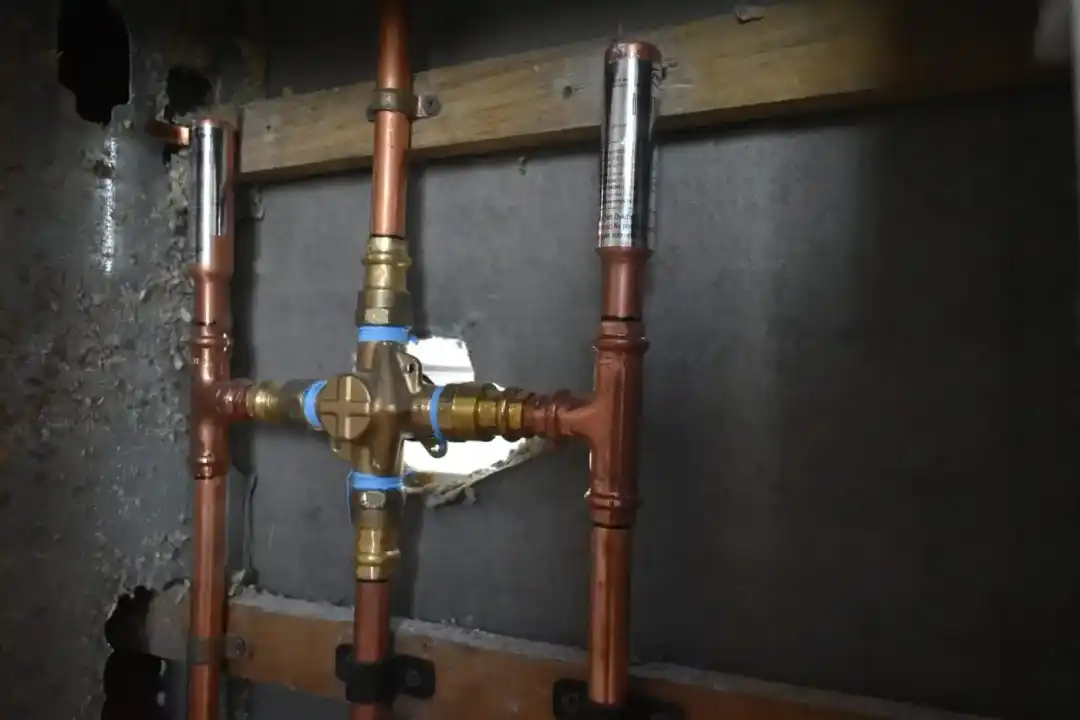
If you are trying to figure out whether you are seeing pipe sweating or a real leak in Miami, the hardest part is not noticing the water. The hardest part is deciding what the water means.
In Miami, exposed pipes under sinks, near water heaters, or inside utility spaces can collect moisture for a simple reason: warm humid air meets a colder pipe surface. But that does not mean every damp pipe is harmless. Sometimes the moisture is only condensation. Sometimes it is condensation sitting right next to a real plumbing failure. And sometimes what looks like sweating is actually a leak that has already started damaging cabinets, drywall, or flooring.
That is why this guide focuses on separation, not guesswork. Hernandez Plumbing's leak detection and plumbing repair pages already describe the warning signs that matter most in Miami homes: unexplained bills, running-water sounds, wet spots, moldy odors, and hidden damage that shows up later than you expect. This article takes the next step and answers a narrower homeowner question: when is the moisture probably just pipe sweating, when is it more likely a real leak, and when should you stop observing and call for professional help?
Why pipe sweating shows up so often in Miami homes
Pipe sweating is not a strange Miami-only event. It is just basic moisture behavior happening in a humid climate.
The EPA's mold and moisture guide says condensation can collect on pipes when indoor humidity is high and warm moist air contacts a colder surface. Hernandez Plumbing's seasonal leak article makes the same point in more local terms: during Miami's wet season, moisture tends to collect on cooler pipes and joints, especially in places like under-sink cabinets, inside walls, and around plumbing fixtures.
That matters because "water on a pipe" is not a diagnosis by itself. It can mean:
- the air around the pipe is humid enough to condense on a cold surface
- the pipe is carrying cold water and repeatedly gathering surface moisture
- the moisture has nowhere to dry because ventilation is poor
- the pipe is also aging, corroding, or leaking and the two problems are getting blended together
Miami homes make that confusion easy. Condos, slab homes, older single-family properties, and houses with tight utility closets all create spots where cool piping sits inside warm damp air. Hernandez's seasonal leak article goes further and says this dampness can wear down seals, accelerate corrosion, and create musty smells or rust before homeowners realize the moisture pattern has become a larger plumbing problem.
That is the key mindset shift: pipe sweating is common, but repeated moisture is never something to ignore forever. Even when the source starts as humidity, the wet environment can still damage finishes and hide a separate leak later.
The timing clue also matters more than most homeowners think. If the moisture is worst after showers, laundry, cooking, or long air-conditioning cycles, humidity becomes a stronger suspect. If the dampness shows up regardless of weather, keeps one exact connection wet, or leaves the same cabinet floor soaked after you dry it, the odds start moving away from harmless sweating and toward a plumbing issue that deserves closer attention.
Fast clues that point to condensation instead of a real leak
The best condensation clues are about pattern, not panic.
When moisture looks more like sweating than a pressurized leak, the pattern usually includes several of these details at the same time:
- the moisture is forming on the outside of a cold exposed pipe rather than spraying from a fitting
- the problem is worse on very humid days, after showers, or in stuffy cabinets with poor airflow
- the water appears as a fine film, droplets, or repeated dampness rather than a steady bead forming from one exact connection point
- nearby supply lines, shutoff valves, or joints do not show obvious fresh dripping when watched closely
- there is no clear jump in the water meter during a true no-use test
That does not mean you should trust appearance alone. But it does help you ask a better question. Instead of "Why is there any water here at all?" the question becomes "Is this surface collecting moisture from the air, or is the plumbing system actively losing water?"
One clue that often helps is scope. Condensation tends to show up on exposed cold surfaces and nearby materials. A real leak often creates a more directed pattern: one connection stays wet, one cabinet floor keeps pooling, one ceiling stain expands, or one section of material keeps softening even when the air feels less humid.
Another clue is whether the surrounding symptoms fit. Hernandez's hidden-leak article ties real plumbing problems to warped surfaces, peeling paint, sagging ceilings, unexplained puddles, and running-water sounds with the fixtures off. Those are not the first things you expect from mild seasonal condensation on an otherwise healthy pipe.
This is a useful shortcut:
| What you notice first | More consistent with condensation | More consistent with a leak |
|---|---|---|
| Moisture beads across the outside of a cold exposed pipe | Often yes | Sometimes, but not by itself |
| One shutoff, fitting, or hose connection keeps forming the same drip point | Less likely | Often yes |
| Moisture gets worse when the room feels stuffy or after long hot showers | Often yes | Possible, but weaker clue |
| Cabinet bottoms, drywall, or flooring keep staining or swelling | Possible after long neglect | Much stronger leak warning |
| Running-water sounds or meter movement show up too | Uncommon | Stronger leak pattern |
Another honest question to ask is whether the pipe surface is the only wet thing in the area. Condensation usually starts on the coldest accessible surface. Active leaks are more likely to leave a trail, a drip point, or damage below the connection rather than a uniform film on the pipe exterior.
What a meter check can and cannot tell you
This is the most useful homeowner test in the entire article because it replaces intuition with evidence.
Hernandez's water-line leak guide says to shut off all water use, watch the meter's leak indicator or record the reading, then recheck after a no-use period. Portland Water Bureau gives the same basic public-utility version: turn off all water inside and outside the house, check the leak indicator or sweep hand, and recheck later if nothing is moving at first.
That gives you a safer and more honest sequence:
- Turn off intentional water use. No showers, dishwasher, laundry, hose use, or irrigation cycle.
- Check the meter. If the leak indicator is spinning, or the reading changes after a no-use period, water is still moving somewhere in the system.
- Use the house shut-off only if you know it works and you know what it controls. If the meter still moves after the house valve is closed, the problem may be between the meter and the house. If it stops, the issue is more likely inside the home.
That test matters here because condensation by itself does not make the meter advance like an active supply leak does.
What the meter check can tell you:
- whether water is moving through the system when it should not be
- whether the leak appears more likely inside the house or between the meter and the home, if the house shut-off test is done safely
- whether the damp pipe under your sink deserves to be treated like a real leak investigation instead of a cabinet airflow problem
What the meter check cannot tell you:
- the exact room or fixture causing the problem
- whether the moisture source is from plumbing or an HVAC condensate issue
- whether a damaged shut-off valve is safe to operate
- whether every hidden leak is pressurized enough to show up immediately
It also cannot tell you whether the moisture started with plumbing at all. If your meter test is quiet but you still have repeat dampness near an air handler closet, around a secondary drain pan, or below an evaporator area, Hernandez's water-line leak guide suggests looking at HVAC condensate drainage as another possible explanation. That does not make the moisture harmless. It simply changes what system probably needs attention first.
That last point matters. A clean meter result does not mean you should ignore cabinet rot, stains, or persistent odors. It simply means the next step may be observation, ventilation, or targeted inspection instead of assuming a domestic supply line is actively running.
If your valve is corroded, stuck, or feels unsafe to turn, do not force it. Hernandez's own guidance on leak-related emergencies is clear that damaged shutoffs deserve professional attention when the system cannot be isolated cleanly.
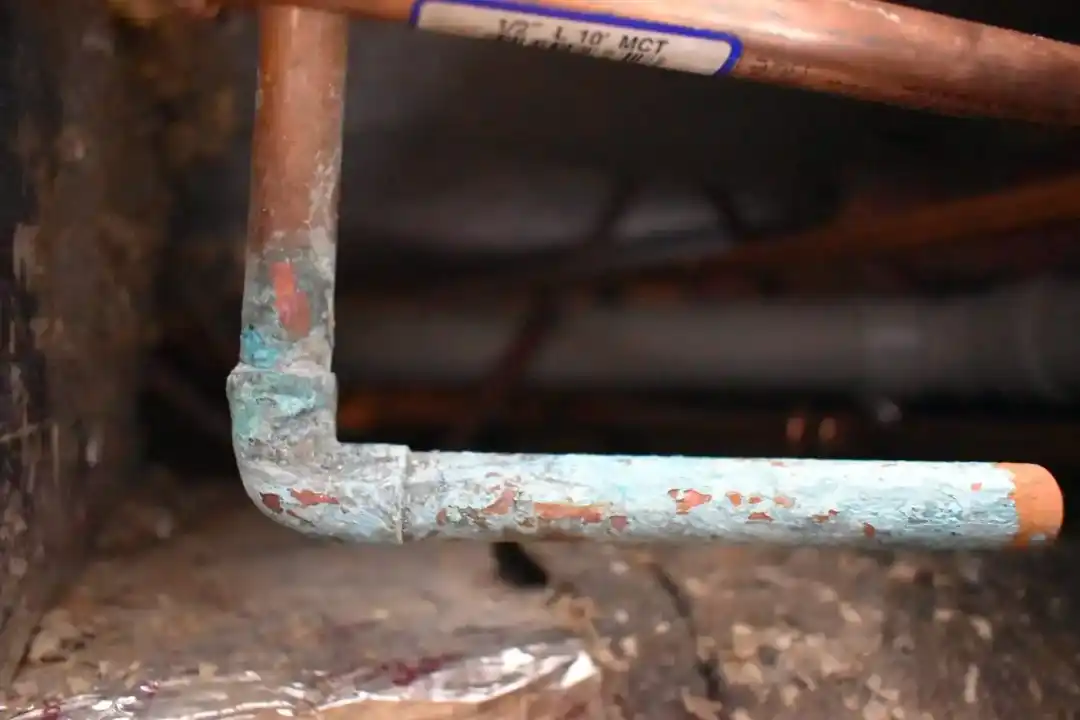 Recurring moisture does not need to look dramatic to become expensive. Oxidation, rust, and stained connections are often the signs that a "small dampness issue" has been sitting there too long.
When sweating still becomes a water-damage problem
One of the biggest homeowner mistakes is assuming that condensation is harmless simply because it is not a pipe burst.
The EPA guide says the key to mold control is moisture control. It also says wet or damp areas should be dried within 24 to 48 hours, indoor humidity should stay below 60 percent, and cold water pipes can be insulated to reduce surface condensation. Just as important, EPA says that if you see condensation collecting on pipes, walls, or windows, you should act quickly to dry the surface and reduce the moisture source.
That matters because the real-world damage from sweating often happens around the pipe, not inside it:
- cabinet bottoms stay wet and start swelling
- baseboards or drywall absorb recurring dampness
- rust develops on nearby fasteners or pipe surfaces
- enclosed spaces start smelling musty
- mold grows in hidden wall or cabinet cavities
EPA specifically notes that hidden mold can develop around leaking or condensing pipes inside walls. That is the part many quick-answer plumbing articles skip. The question is not only "Is the pipe itself broken?" The question is also "Is this moisture pattern creating conditions that now need to be corrected even if the pipe itself is sound?"
In practical terms, the homeowner moves are simple:
- dry the wet surface promptly
- improve ventilation where possible
- reduce indoor humidity
- stop treating repeated condensation as a one-time nuisance
- pay attention if the moisture is reaching wood, drywall, flooring, or insulation
Where people go wrong is staying stuck between two extremes. Some ignore the problem completely because it is "only sweating." Others jump straight to worst-case leak assumptions. The better move is to notice whether the moisture is improving after drying and airflow changes, or whether it keeps returning with cabinet damage, corrosion, or a bad smell attached to it.
There is a practical threshold hidden inside that advice. If the wetness is easy to dry, stays limited to the pipe exterior, and improves once airflow and humidity improve, you may be dealing with a moisture-control problem first. If the same area stays damp, materials are absorbing water, or the smell and staining keep getting worse, you are no longer making a simple humidity decision. You are managing home damage, and the exact source needs to be identified sooner rather than later.
Red flags that point to a hidden leak instead
When the pattern shifts away from "surface moisture in humid weather" and toward "my house is being damaged," the odds of a real leak go up fast.
Hernandez's hidden-water-leak article gives a strong checklist of signals that deserve a more serious response:
- warped or uneven flooring
- peeling paint or bubbling finishes
- stains on walls or ceilings
- soft wood or cabinet materials
- sagging ceilings
- persistent musty smells
- unexpected puddles or damp spots
- dripping or running-water sounds when fixtures are off
Those clues are stronger than a single damp pipe because they show the moisture is traveling, collecting, or building up somewhere it should not.
There is also an important false positive worth keeping in the mix. Hernandez's water-line leak guide says HVAC condensate problems can create pooling water, ceiling stains, musty smells, or hidden moisture when drain pans or lines are not draining correctly. So if the moisture shows up near an indoor air handler, below an evaporator area, or after heavy AC use, the homeowner should not automatically assume the plumbing line itself is leaking.
At the same time, some patterns should make you suspicious of a real plumbing problem even before you find the exact source:
- the dampness keeps returning in one cabinet even after the area is dried
- corrosion is concentrated at one fitting or valve instead of evenly across a cold pipe
- you hear water when no fixture is running
- the water meter confirms movement during a no-use window
- stains, bubbling finishes, or swollen trim are showing up below the moisture
- the problem is spreading to rooms or materials that are not directly touching the cold pipe
This is why "I only see a little moisture" can be misleading. A very small supply leak can create a modest visible clue while still soaking hidden materials over time. Condensation can also do damage, but it usually becomes convincing through repeated surface wetting and humidity context. A leak becomes convincing when the moisture pattern starts behaving like water is being supplied to the area, not just collected from the air.
That is why the most useful framing is not "condensation or leak?" as a coin flip. It is a three-way filter:
| If this is true | What it points toward |
|---|---|
| Moisture forms mainly on cold exposed piping during humid periods, with no strong meter evidence and no expanding damage | More consistent with condensation |
| Moisture is paired with stains, warping, rust, odors, or repeated puddling in the same place | No longer safe to dismiss as harmless sweating |
| Meter movement, running-water sounds, or worsening structural symptoms show up too | More consistent with a real leak that needs diagnosis |
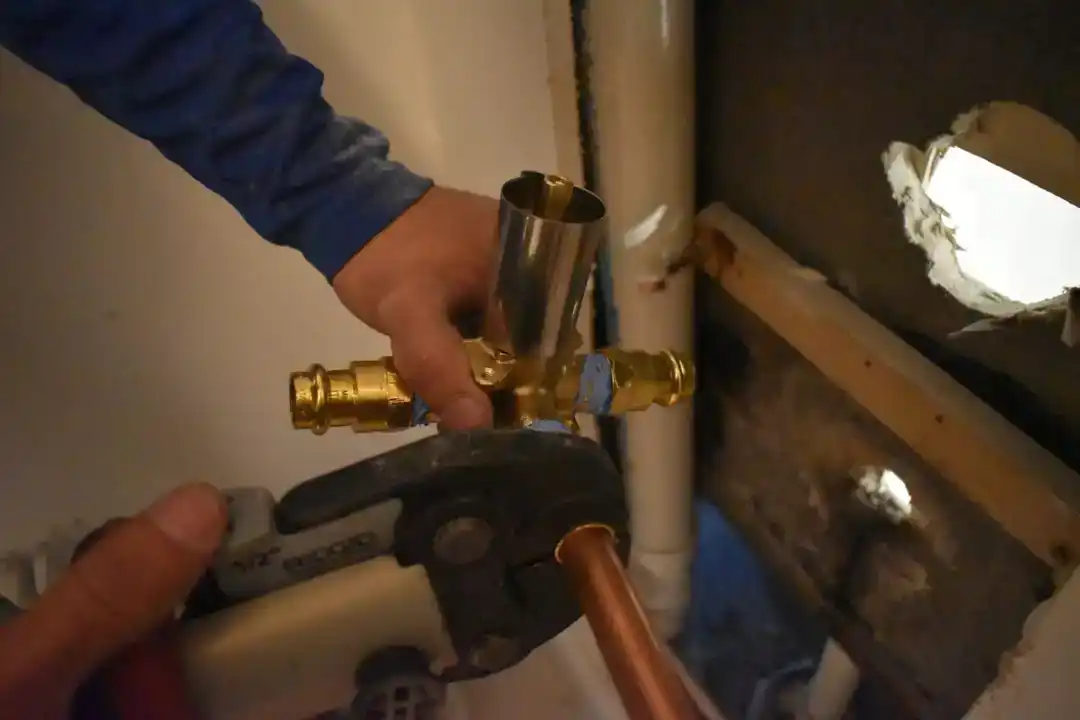 Once the clues move beyond one damp surface, the value is not another guess. It is figuring out whether the real problem is a supply leak, fixture issue, shutoff problem, or a different moisture source entirely.
When Hernandez Plumbing is worth calling
There is a point where this stops being a humidity observation problem and becomes a damage-control problem.
Hernandez Plumbing is worth calling when:
- the meter confirms water is moving during a no-use period
- moisture keeps returning even after you dry the area and improve airflow
- rust, corrosion, or cabinet damage is already visible
- you hear water running when no fixtures are on
- stains, soft materials, or musty odors are spreading
- the shut-off valve is stuck, corroded, or unreliable
- you are not sure whether the moisture belongs to plumbing, HVAC drainage, or another hidden source
That is where a licensed leak detection service matters more than another round of homeowner troubleshooting. Hernandez's leak-detection page says the company uses acoustic, thermal, and electronic methods to locate hidden leaks without guessing where to open walls or floors first. If the issue turns out to be a broader fixture, piping, or shutoff problem, that same diagnosis can hand off cleanly into plumbing repair. And if the moisture is paired with active flooding, sewage, or another urgent failure, the next step is emergency plumbing help, not another humidity theory.
 Good leak diagnosis starts with better evidence. In Miami homes, the difference between condensation and a real leak is usually a pattern, not one dramatic clue.
The bottom line is simple: pipe sweating is common in Miami, but repeated moisture is never something to shrug off indefinitely. If the pattern stays superficial, improves with drying and ventilation, and does not show up in the meter or the surrounding materials, you may be dealing with condensation. If the moisture is recurring, spreading, or paired with damage, the smarter move is to treat it like a real plumbing problem until proven otherwise.
This article is general educational information, not a substitute for a licensed in-person diagnosis. Conditions vary by home, building layout, and moisture source, so confirm the next step on site before opening finishes or forcing shutoff valves.
Need Professional Help?
Our licensed plumbers are ready to help with your leak detection needs.