Main Sewer Cleanout Access in Miami Homes: What to Check Before an Emergency Visit
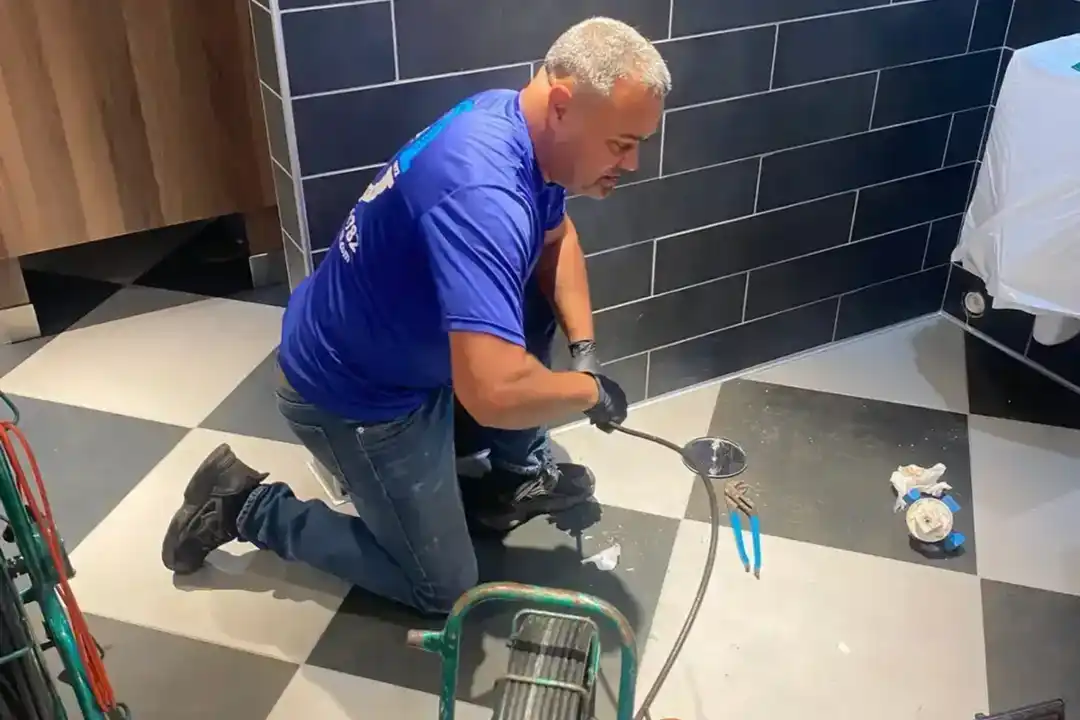
If a sewer backup starts creeping toward a shower, toilet, or floor drain, most homeowners do not begin by asking where the cleanout is. They start by asking why the water is acting strange, whether they should run one more fixture, and how bad the cleanup is about to get.
That is exactly why sewer cleanout access matters. If you are trying to sort out sewer cleanout access in Miami before an emergency visit, the cleanout is not glamorous, but it is often the fastest controlled entry point for a plumber who needs to diagnose a main-line problem, clear a blockage, or run a camera before anybody guesses wrong and digs in the wrong place.
When that access point is buried under mulch, hidden behind storage, boxed in by landscaping, or forgotten until the day wastewater shows up, the diagnosis slows down. In Miami homes with older lines, recurring grease buildup, root intrusion, or storm-season drain stress, that delay can turn a manageable service call into a much uglier afternoon.
Cleanout access does not solve the sewer problem by itself, but it often determines how quickly a plumber can see the line and stop guessing.
Why sewer cleanout access matters before a backup turns urgent
Hernandez Plumbing's sewer camera inspection page and its step-by-step camera article both make the same point: a camera inspection normally enters the line through a cleanout or another agreed access point. That sounds small until you hit the version of the problem homeowners actually hate. The toilet bubbles, the tub drains slowly, maybe the smell has been building for days, and now the crew's first job is not only finding the blockage. It is finding a usable way into the line.
The camera-process article gets even more direct. If there is not a functional cleanout, access may require removing a toilet or opening another access point. That does not mean every home without a visible cap is doomed to a bigger job. It does mean access affects time, options, and how cleanly the diagnosis starts.
That matters because Hernandez's drain cleaning page says the team diagnoses access points first, then chooses the right tool - cable, jet, or camera - based on what the line is doing. In other words, access is part of the diagnosis, not a side note after the fact.
Miami adds its own pressure to the situation. Hernandez's sewer line services page calls out aging cast iron, roots, bellies, and recurring backups across Miami-Dade's housing stock. If the system is already showing main-line symptoms, losing time to blocked cleanout access is the opposite of helpful.
A good rule is simple: the less guesswork a plumber has to spend on access, the faster the visit can focus on the real question - soft clog, root mass, grease collar, failing cast iron, offset joint, or something worse.
Where Miami homeowners usually find the main sewer cleanout
There is no one perfect spot that fits every Miami house. The more useful answer is a short list of likely places.
Hernandez's sewer camera walkthrough says the cleanout is commonly:
- outside near the foundation,
- in a side yard near the sewer line's path,
- or under landscaping, mulch, or an access cover.
That list is helpful because it keeps people from jumping straight to blind digging. A cleanout may be visible as a capped pipe near an exterior wall, tucked into a planting bed, hidden below decorative rock, or sitting under a small cover in a side yard that nobody thinks about until the drains start talking.
Hernandez's sewer-line page also points readers toward the kinds of houses that deserve extra suspicion: older properties, especially where cast iron laterals or repeat backups are already part of the story. In those homes, the cleanout may exist, but the area around it may not stay obvious over time. New pavers, fresh mulch, storage bins, planters, or fence-line clutter can turn a known access point into a buried one.
That is why the best pre-emergency search looks like a checklist, not a treasure hunt:
- Walk the side yards and the exterior wall lines before the next backup happens.
- Look for capped pipe stubs, round or square access covers, or disturbed patches in planting beds.
- Check the route between the house and the street-side sewer connection, not only the prettiest open areas.
- If a plumber has serviced the line before, look for old notes, photos, or repair invoices that mention where access was found.
If you still cannot identify the access point, do not upgrade your confidence just because one area of the yard seems logical. Ask the plumber to locate it instead of starting a blind excavation. The point of this article is to help you shorten the diagnosis, not create a new repair by guessing under concrete, pavers, or irrigation.
It also helps to think about what the cleanout is not. Homeowners sometimes treat any capped pipe, valve box, or irrigation access cover as if it must be the sewer cleanout. In reality, exterior plumbing features can belong to very different systems. That is another reason photos and previous service notes matter. A quick phone photo sent during scheduling can sometimes save a crew from arriving with the wrong expectation about where sewer access actually lives.
The best outcome is not proving that you found it by yourself. The best outcome is making the property easier to read. If the right answer is "I narrowed it down to two likely areas and cleared both," that is already useful. It is much better than covering a wrong hole in the yard with a guess and hoping the plumbing emergency somehow becomes simpler on its own.
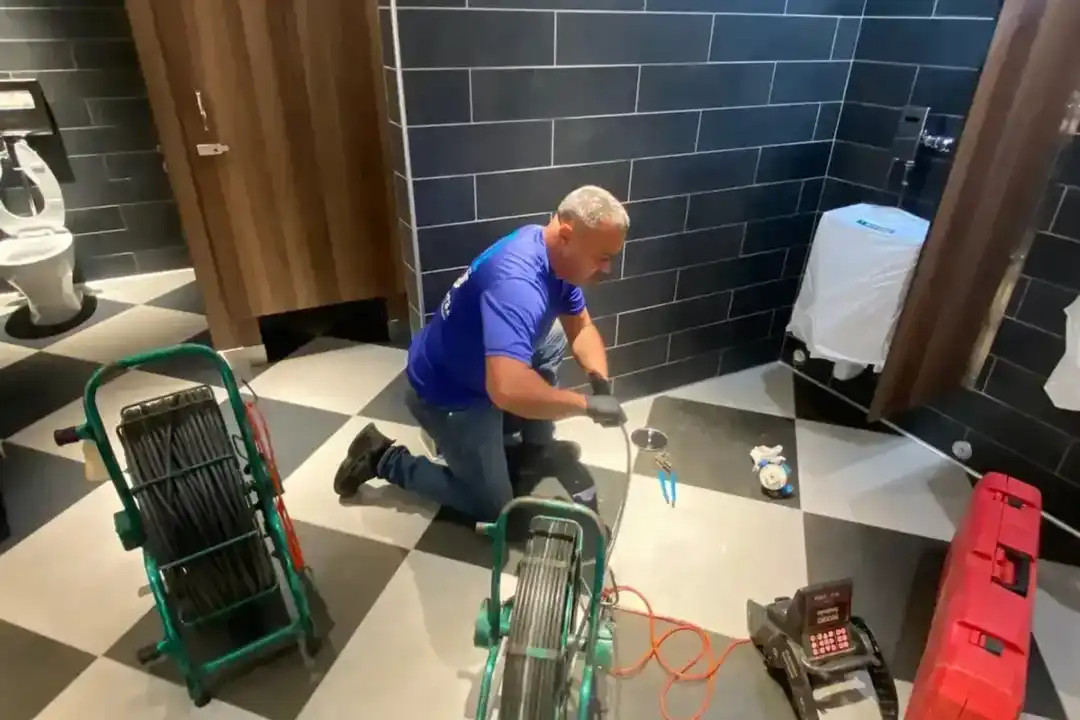 If the cleanout is missing, buried, or unusable, access may have to shift to a different entry point, which is one reason early cleanout prep saves time.
What to clear, photograph, and stop doing before the plumber arrives
When a backup is active or clearly building, cleanout access prep is less about heroics and more about removing friction.
Start with the things that help the visit move faster:
- Clear movable obstacles from the likely access area: planters, storage bins, hoses, patio furniture, or anything blocking an exterior wall or side-yard path.
- Photograph the suspected cleanout area, especially if it is partly buried, wet, or showing signs of overflow.
- Photograph the symptoms inside too: which drain backed up first, where standing water appeared, and whether one fixture triggered another.
- Write down the pattern before the details blur: when it started, which fixtures are affected, whether this happened before, whether the line has been snaked or jetted recently, and whether roots or nearby construction are part of the property's history.
That last point comes straight from Hernandez's camera-inspection process article. It says the best inspections start with context: when symptoms started, which fixtures are affected, whether you have a history of snaking or hydro jetting, and whether tree roots or construction are relevant. That information is not paperwork for paperwork's sake. It is the difference between a faster first pass and a slower trial-and-error visit.
Photos help more than people expect because they preserve the sequence. Once water recedes, once a toilet stops bubbling, or once one family member starts wiping things down, the clues get less reliable. A few calm photos of the cleanout area, the affected fixture, the floor drain, or the soggy path outside can tell a better story than a stressed verbal summary after cleanup has already started.
Just as important is what to stop doing.
Hernandez says to avoid heavy water use right before a camera inspection because turbulence makes it harder to see cracks, scale, and standing water in the line. The same logic helps before the crew even gets there. If multiple fixtures are already slow, gurgling, or reacting together, running more showers, laundry, or dishwasher cycles usually adds noise and wastewater rather than clarity.
The emergency plumber page draws a hard line on this: sewage backups are true emergencies. If wastewater is rising, stop using water and treat the problem like a system failure, not a nuisance clog.
A few more stop signs matter here:
- Do not keep pouring chemical cleaners into a line that may already be blocked deeper down.
- Do not assume one temporary drain-down means the main line is healthy again.
- Do not start removing caps, forcing fittings, or digging around buried piping unless a plumber has told you that is the safe next step.
- Do not ignore public-side warning signs. Miami-Dade's Water and Sewer emergency page says the county's 24-hour call center handles emergencies including sewer lines backed up or overflowing manholes.
If the problem includes an overflowing manhole, a public hazard, or another obvious county-side sewer emergency, that county call is the right move alongside the plumbing call. If the issue is private-side backups, blocked drains, or recurring home symptoms, the plumber still needs the best access and symptom record you can give.
 The goal before arrival is simple: clear the path, document the pattern, and stop doing the things that make an already stressed sewer line harder to read.
Clues that this is a main sewer issue instead of one fixture
The cleanout matters most when the symptom pattern is bigger than one sink, tub, or toilet.
Hernandez's drain-cleaning page says multi-fixture backups are main-line trouble until proven otherwise. Its sewer-line page adds the classic warning signs: slow drains throughout the house, gurgling drains, sewage smell in the yard, soggy lawn patches, and backups that affect more than one fixture. The camera-inspection article adds one more useful clue: backups that keep returning after snaking usually mean the story is deeper than one local clog.
That gives homeowners a much better decision grid than "the bathroom is acting weird":
| What you notice | What it usually suggests |
|---|---|
| One sink or one toilet is slow, with no cross-fixture reaction | The problem may still be local to that branch or fixture |
| A toilet bubbles when a sink, shower, or washer runs | Air and wastewater are competing in a deeper shared line |
| Multiple drains are slow or backing up together | Main-line trouble moves to the top of the list |
| Sewage smell appears in the house or yard | A deeper drain or sewer issue is more likely than a single fixture clog |
| The line was snaked before, but the same symptoms came back | Buildup, roots, bellies, or pipe damage may still be there |
| Soggy or unusually lush spots appear near the sewer path | Underground sewer leakage or a failing line may deserve camera work |
Miami-Dade gives one more practical reason not to treat this lightly. In a county press release about preventing clogs, WASD said it repaired 720 clogs in a 12-month period caused by items that should not have been washed down drains or flushed, costing the county about $594,000. The same release says that if a clog happens within a home's sewer pipes and causes a backup, the homeowner is responsible for the repair.
That is worth remembering because homeowners often want a single clean culprit: one bad flush, one storm, one kitchen problem. Real main-line trouble is usually messier. Grease, wipes, roots, scale, bellies, and older cast iron can all stack together until the system finally stops being polite about it.
This is also where cleanout access becomes practical rather than theoretical. A single slow sink may not justify a sewer-line conversation yet. Multiple fixtures reacting together usually do. Once the symptoms start crossing rooms, the cleanout becomes the most likely place a plumber can confirm whether the issue is a temporary obstruction or a structural line problem that keeps setting the house up for repeat failures.
When camera inspection or sewer-line service is the better next step
Once the symptom pattern points beyond one fixture, the cleanout stops being a convenience and starts becoming the doorway to better answers.
Hernandez's sewer camera and sewer-line pages are useful here because they do not pretend every backup deserves the same fix. A camera can show roots, cracks, bellies, offset joints, heavy scale, sludge, and collapsed sections. That is what tells you whether the next step is simple clearing, hydro jetting, targeted repair, trenchless lining, or full replacement.
The step-by-step article also explains why homeowners should not romanticize guessing. A good camera run is there to answer a few plain-language questions:
- What is the problem?
- Where is it?
- How urgent is it?
- What fix makes sense?
That is the practical value of good cleanout access. It gets the visit to those four questions faster.
It also helps set expectations. Hernandez says many sewer camera inspections take about 30 to 90 minutes depending on access and line conditions, and the service page says residential inspections often run about $250 to $450. If the line is fully blocked, the camera may not pass until the blockage is cleared first. That is another reason access and symptom prep matter. They help the crew decide whether the first move is camera, cable, jetting, or emergency containment.
Camera work also makes sense before homeowners make expensive choices that assume the line is healthy. Hernandez specifically calls out pre-purchase inspections, recurring backups, and major remodeling or landscaping plans as situations where seeing the line before you dig or build is the smarter play.
That is especially relevant for homes where the cleanout may be hidden by upgrades that came later. Fresh hardscaping, landscaping beds, outdoor kitchens, and side-yard storage can all make sewer access less obvious than it was when the house was first serviced. If a remodel or yard project is already planned, confirming access and line condition before the next emergency is often cheaper than learning about both problems during a backup.
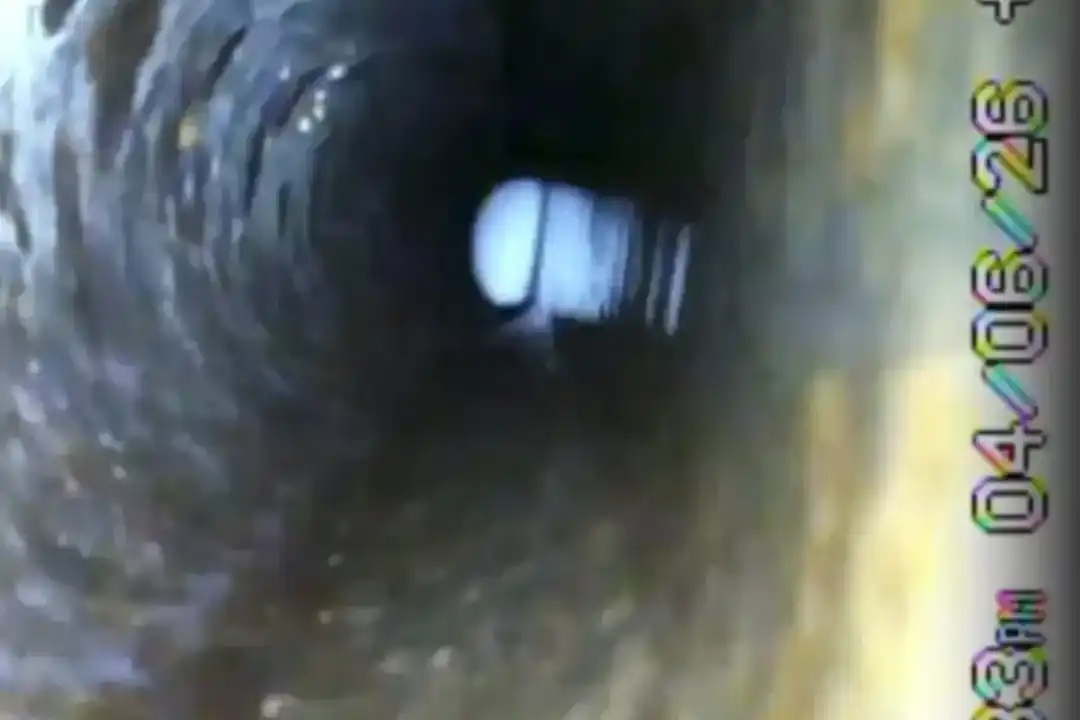 The real value of camera work is not the gadget. It is replacing guesswork with a visible plan before anyone chooses jetting, repair, lining, or replacement.
When Hernandez Plumbing is worth calling right away
Some cleanout questions can wait for a calm weekday. Others should not.
Hernandez is worth calling right away when:
- sewage is backing up into a shower, tub, toilet, or floor drain,
- multiple fixtures are reacting together,
- the cleanout area looks involved but you cannot safely confirm the condition,
- the line was cleared before and the same symptoms returned,
- the yard shows sewer-odor or soggy-path clues along with indoor drain problems,
- or you need to decide whether the better next step is drain cleaning, sewer camera inspection, or broader sewer line service.
For true backup or flooding conditions, Hernandez's emergency page says the company provides 24/7 response across Miami-Dade and typically arrives in about 30 to 60 minutes in its service area, while noting that severe weather can stretch ETAs. That is exactly the kind of moment where the best help you can give the visit is a clear path to the access point and a clear summary of what the house did before the call.
There is also a local split worth remembering. If the issue is clearly a county-side emergency, such as an overflowing manhole or another public sewer hazard, Miami-Dade's 24-hour line at 305-274-9272 belongs in the response plan. If the trouble is happening on the private side of the property, Hernandez Plumbing at (305) 428-3782 is the call when you need someone to diagnose, clear, scope, and explain the repair path.
The cleanout is not the whole sewer story. It is the part that makes the rest of the story easier to read. If you can find it, clear it, and document the symptom pattern before the next emergency, you give yourself a better chance of a faster and less chaotic diagnosis when the system finally demands attention.
This article is general educational guidance, not utility, code, or engineering advice. For active sewage exposure, public sewer hazards, or repair decisions, confirm the next step with a licensed plumber and current Miami-Dade guidance.