Complete Guide to Installing a Gas Water Heater
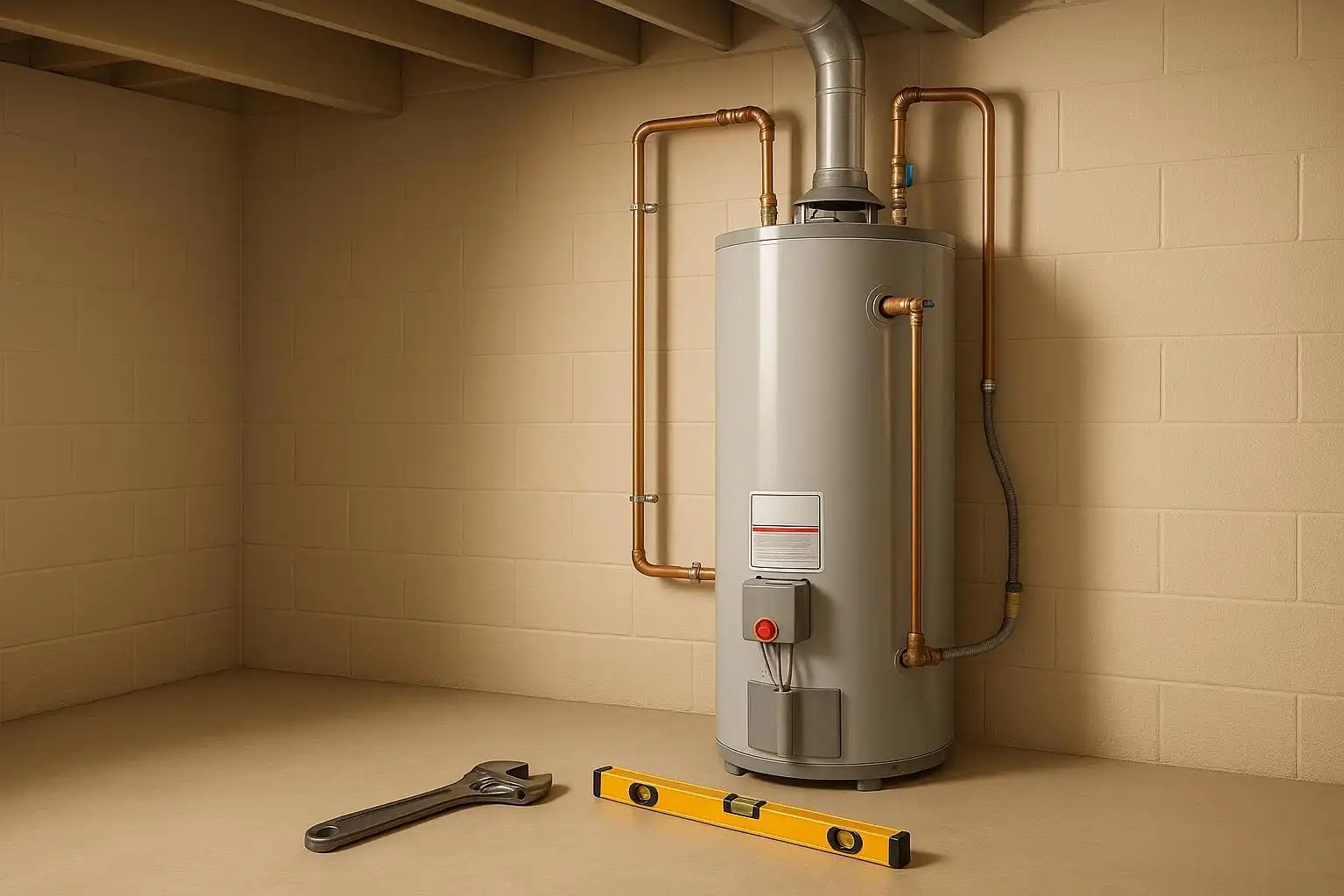
Replacing a gas water heater may seem like a daunting task, but with the right preparation, tools, and knowledge, homeowners in Miami, FL, can confidently tackle this project. Whether you’re upgrading your current unit or need to replace an old, inefficient model, our comprehensive guide will help you navigate each step of the installation process while prioritizing safety and efficiency. This article is designed to empower you with practical advice drawn from a detailed walkthrough of installing a gas water heater, ensuring you save time, avoid costly mistakes, and achieve professional-grade results.
Why Gas Water Heater Installation Matters
A gas water heater is a critical component of any home or business. It ensures a reliable supply of hot water for everything from bathing to cooking and cleaning. However, improper installation can lead to serious issues, including leaks, poor performance, and even dangerous carbon monoxide exposure. With Miami’s unique combination of tropical climate and older building infrastructure, it’s particularly important to maintain a safe and efficient water heating system.
This guide outlines the key steps to installing your gas water heater while addressing common challenges and offering expert tips for long-lasting results. For safe and code-compliant installation, consider professional water heater installation services.
Preparing for Installation
1. Shutting Off Utilities and Ensuring Safety
The first step in replacing a gas water heater is shutting off the power and water supply to the unit. Turn off the gas line by positioning the valve perpendicular to the pipe and close the cold water valve supplying the tank. Safety is paramount – heat-resistant gloves, proper ventilation, and awareness of your surroundings are essential throughout the process.
Pro Tip: Always allow the tank to cool before starting to avoid burns from residual hot water.
2. Checking Water Pressure
Before installing the new unit, use a water pressure gauge (commonly attached to a hose bib) to measure your home’s water pressure. The ideal range is 50–60 PSI, but it should never exceed 80 PSI. If your system’s pressure is off, inspect and adjust the pressure-reducing valve on the main water line.
Selecting and Preparing Your New Water Heater
3. Choosing the Right Tank
When replacing a water heater, ensure that the new tank’s height and diameter align closely with the old unit. This simplifies installation and ensures a proper fit. Keep in mind the capacity – while upgrading to a larger-size tank is an option, it should suit your household’s hot water demand and available space.
4. Inspecting the Expansion Tank
The expansion tank plays a crucial role in maintaining pressure balance. Check for any signs of wear by depressing the Schrader valve (similar to a bike tire). If water escapes instead of air, it’s time to replace the expansion tank. These tanks are affordable and relatively easy to install, making this a good opportunity for an upgrade if your current one is over 7–10 years old.
Removing the Old Unit
5. Draining the Tank
Connect a hose to the drain valve and direct it to a safe location – preferably outside, away from plants that could be damaged by hot water. Open all faucets in your home, starting from the upper floors, to allow air into the system and expedite drainage.
6. Disconnecting Gas and Water Lines
Carefully disassemble the gas line, flue pipe, and copper plumbing. Use a wrench and extra leverage (such as a PVC pipe) to loosen stubborn fittings. Inspect all components for wear, rust, or improper installation. Replace any corroded parts, especially flue pipes, to prevent issues like carbon monoxide leaks.
Pro Tip: Always adhere to local building codes when selecting and installing flue pipes. Use double-walled (Type B) pipes for areas passing through flammable materials, transitioning to single-walled pipes (Type A) where applicable.
Installing the New Water Heater
7. Positioning and Connecting the Unit
Carefully move the new water heater into place. When reconnecting copper pipes, ensure the fittings are clean, deburred, and dry-fitted before soldering. Apply flux to the joints to facilitate proper soldering.
If using threaded fittings, such as dielectric nipples or thermal isolation nipples, apply thread sealant to prevent corrosion and leaks. These fittings are crucial for reducing wear caused by water chemistry.
Pro Tip: Consider using flexible connectors for water and gas lines instead of hard copper piping. These are easier to install and maintain, especially for future repairs.
8. Adjusting the Expansion Tank
Before completing the installation, ensure the expansion tank’s pressure matches your home’s water pressure. Use a pump to add or release air as needed.
Restoring Utilities and Testing
9. Refilling the Tank
Before turning on the gas, refill the tank with water. Open the cold water valve and let the tank fill completely. Air in the lines is normal, so you’ll hear sputtering when opening faucets.
10. Lighting the Pilot Light
Follow the manufacturer’s instructions to light the pilot. Be patient, as air in the gas line may delay ignition. Use soapy water to test for gas leaks at all fittings – bubbles indicate a leak requiring immediate attention.
11. Checking Ventilation and Final Testing
Once the pilot light is on, inspect the flue pipe for proper ventilation using a lighter or similar method. There should be a slight vacuum pulling air into the pipe, ensuring toxic gases exit the home safely.
Monitor the water heater for leaks or unusual performance over the next few hours. Insulate the hot and cold water pipes to improve energy efficiency and prevent heat loss.
Common Challenges and Solutions
- Rust or Corrosion in Flue Pipes
Replace any rusted pipes immediately to prevent carbon monoxide leaks. Always use high-quality materials that meet local codes. - Copper Pipe Soldering Issues
If you’re inexperienced with soldering, practice on scrap pieces before working on the installation. Alternatively, opt for push-to-connect fittings like Sharkbite for ease of use. - Pressure Mismatches
Ensure the expansion tank and system pressure align before use to avoid unnecessary wear on the unit.
Key Takeaways
- Preparation is Key: Shut off utilities, gather tools, and allow the old water heater to cool before beginning.
- Safety First: Always check for gas leaks and ensure proper ventilation when handling gas water heaters.
- Expansion Tanks Matter: Regularly inspect and replace the expansion tank to maintain system pressure and longevity.
- Use Proper Materials: Choose appropriate flue pipes, fittings, and seals that meet local building codes.
- Flexible vs. Hard Connections: While copper pipes offer durability, flexible connectors simplify installation and future repairs.
- Thorough Testing: After installation, test for leaks in water, gas, and ventilation systems to ensure safety and performance.
- Insulate for Efficiency: Insulate both hot and cold water pipes to reduce energy costs and optimize system performance.
Final Thoughts
Installing a gas water heater requires planning, attention to detail, and a commitment to safety. While this guide offers an in-depth look at the process, every home and situation is unique. For Miami homeowners, where code compliance and operational efficiency are crucial, consulting with a professional plumber can ensure peace of mind and optimal results.
Whether you attempt a DIY installation or hire an expert, understanding the steps and considerations involved will help you make informed decisions and maintain a reliable source of hot water for years to come.
Source: "Install a Gas Hot Water Heater – Complete & No Nonsense Guide #diy #hotwaterheater #homeimprovement" – Youtube, YouTube, Sep 3, 2025 – Youtube
Need Professional Help?
Our licensed plumbers are ready to help with your water heater services needs.