How Water Line Upgrades Improve Pressure
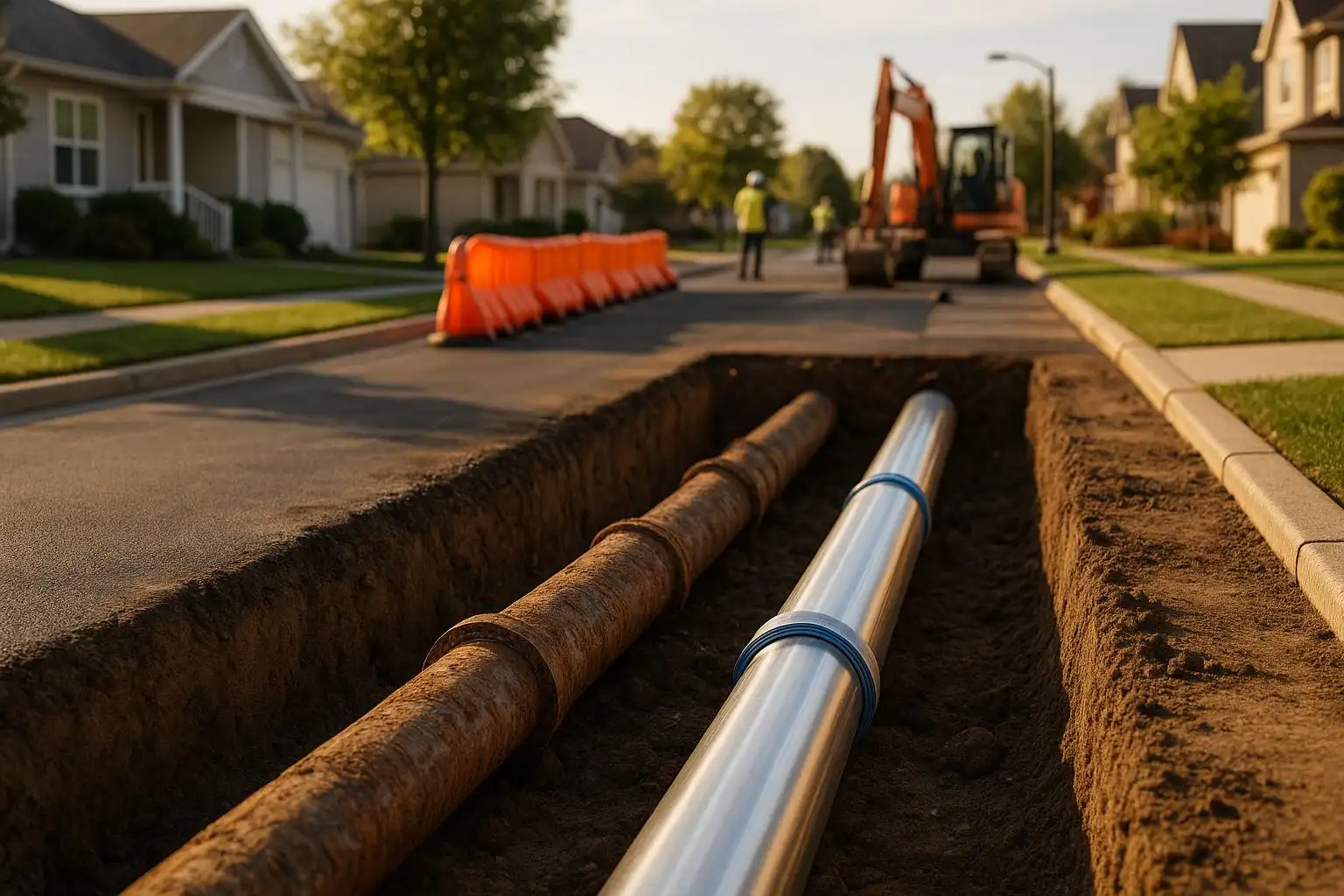
Low water pressure can disrupt everyday activities like showering or washing dishes. The root cause often lies in outdated or corroded pipes, especially in older homes. Professional water line repair services can diagnose and fix these issues. By upgrading water lines with modern materials like copper or PEX (cross-linked polyethylene), you can restore steady, reliable water flow.
Key Takeaways
- Why It Happens: Corroded pipes, mineral buildup, leaks, or undersized water lines restrict water flow.
- The Fix: Replacing old pipes with larger, smoother materials improves water pressure and reduces friction.
- Modern Materials: Copper and PEX pipes resist corrosion and buildup, ensuring consistent flow.
- Steps to Upgrade:
- Measure water pressure (ideal range: 40-60 PSI).
- Inspect pipes for corrosion or buildup.
- Hire a licensed plumber for proper installation.
- Test pressure post-upgrade to confirm improvements.
In Miami, older homes face unique challenges due to hard water and aging infrastructure. Replacing outdated systems not only solves pressure issues but also prevents costly future repairs.
Understanding Water Pressure and Its Problems
What Is Water Pressure?
Water pressure, measured in pounds per square inch (PSI), is what pushes water through your pipes to faucets, showers, and appliances. Without enough pressure, everyday tasks like washing dishes or taking a shower become frustratingly inefficient.
For most homes, the ideal water pressure falls between 40 and 60 PSI, though the acceptable range is 40 to 80 PSI. When pressure drops below 40 PSI, you might notice weak showers, toilets that refill sluggishly, and appliances taking longer to do their job. On the flip side, pressure above 80 PSI can overburden your plumbing system, leading to leaks, burst pipes, and faster wear and tear on fixtures. Striking the right balance is crucial for keeping your home running smoothly. But what causes water pressure to drop in the first place?
Common Causes of Low Water Pressure
Low water pressure can stem from several issues, and older homes are especially prone to these problems. One common cause is corroded pipes. Homes built decades ago often used galvanized steel or cast iron pipes, which can rust and corrode internally over time, shrinking the space available for water to flow.
Hard water is another factor. Water rich in calcium and magnesium leaves behind mineral deposits that accumulate inside pipes, gradually restricting the flow. Even a small leak in the water line can cause a noticeable drop in pressure, as water escapes before it reaches your fixtures. Additionally, older pipes that were once adequate may no longer meet the demands of modern households, where larger appliances and multiple bathrooms require more water. Aging municipal water systems can also contribute to pressure issues, especially in areas with older infrastructure.
Problems in Older Miami Homes
In Miami, water pressure problems are particularly common in homes built between the 1940s and 1980s. These properties often feature galvanized steel or cast iron pipes that have deteriorated significantly over time. South Florida’s humid climate accelerates corrosion, while the region’s hard water adds to the problem by promoting mineral buildup. In some cases, these pipes can lose up to 50% of their effective diameter due to a combination of corrosion and deposits.
Another challenge is that many older homes were designed with smaller water lines that worked fine decades ago but struggle to keep up with today’s water usage. Modern families often have larger appliances, multiple bathrooms, and higher overall water consumption, which puts additional strain on outdated plumbing systems. Addressing these issues early can save homeowners between $500 and $1,000 by preventing water damage and avoiding costly repairs.
How Water Line Upgrades Improve Pressure
The Science Behind Water Line Upgrades
Upgrading your water lines can make a big difference in water pressure by tackling two main issues: friction and blockages. Over time, older pipes with rough or corroded interiors create resistance, slowing down water flow. By replacing them with pipes that have a larger diameter and smoother surfaces, water can move more freely and efficiently throughout your home. This upgrade also eliminates buildup-prone materials, restoring the flow to what it should be.
Modern Materials for Better Performance
Today’s water line materials are a huge step up from the galvanized steel or cast iron pipes often found in older homes. Copper pipes, for instance, are known for their durability and smooth interiors, which help maintain steady pressure. Another popular option is PEX (cross-linked polyethylene), valued for its flexibility, affordability, and resistance to mineral buildup. Both materials are designed to avoid the common restrictions that develop in aging pipes, offering a reliable and efficient water flow. This contrast underscores how modern upgrades can solve longstanding plumbing issues.
Old vs. Upgraded Water Lines Comparison
| Feature | Older Pipes | Modern Copper | Modern PEX |
|---|---|---|---|
| Smooth Interior | Rough, corroded surface | Maintains smooth finish | Consistently smooth surface |
| Longevity | Reduced by age and buildup | Built for long-lasting performance | Engineered for reliable use |
| Water Flow Efficiency | Prone to friction loss | Optimized for efficient flow | Improved flow, fewer joints |
| Resistance to Hard Water | Vulnerable to corrosion | Resists mineral buildup | Resists mineral buildup |
| Installation Flexibility | Rigid, multiple joints | Moderately flexible | Highly flexible installation |
When you upgrade your water lines, the difference is immediately noticeable. Homeowners often report better water flow, even when multiple fixtures are running at the same time. If you’re considering an upgrade and want expert guidance, reach out to Hernandez Plumbing, a trusted name in professional plumbing services in Miami, FL.
Step-by-Step Guide to Upgrading Water Lines
Check Current Water Pressure and Pipes
Before diving into a water line upgrade, it’s crucial to evaluate your existing system. Start by measuring your water pressure using a water pressure gauge, which you can find at most hardware stores. Attach the gauge to an outdoor faucet (hose bib) after ensuring all indoor water fixtures are turned off. Open the faucet fully and wait for the reading to stabilize. Ideally, residential water pressure should fall between 40 to 60 psi. If your reading is lower, it’s a sign your system might need an upgrade.
Next, inspect your pipes for signs of wear and tear, such as corrosion, mineral buildup, or leaks around joints. Homes in Miami built before 1980 often have galvanized steel or cast iron pipes, which can show rust stains, flaking, or white mineral deposits. Pay attention to areas with weak water flow, like upstairs bathrooms or fixtures far from the main water line.
Document everything – take photos of problem areas and record your pressure readings. This information will be incredibly useful when consulting with a professional plumber. Once you’ve assessed your current system, you’re ready to move on to the next step: hiring a qualified professional.
Hire a Professional Plumbing Service
Upgrading water lines isn’t a DIY project – it requires a licensed plumber who knows local building codes and permit requirements. Start by researching reputable plumbing services online, focusing on reviews that highlight response times, pricing transparency, and quality of work.
When narrowing down your options, verify that each contractor is licensed, bonded, and insured. Ask for official documentation to confirm their credentials. Request written estimates from at least three plumbers, ensuring each quote outlines the same scope of work. During consultations, discuss their experience with water line upgrades, the materials they recommend, and any warranties they offer on both labor and parts.
For example, Hernandez Plumbing is a trusted provider in Miami, FL, specializing in water line replacements. They offer upfront pricing, satisfaction guarantees, and licensed technicians who handle everything from system assessments to permits and inspections. They’re also available 24/7 for emergencies, should any issues arise during the process.
Choose a plumber who communicates clearly, arrives on time for estimates, and respects your home. A dependable contractor will walk you through the upgrade process, explain their recommendations, and provide realistic timelines for completion.
Test and Confirm Improvements
Once the upgrade is finished, it’s time to confirm that everything works as expected. Start by retesting your water pressure using the same method you initially used. Attach the gauge to the outdoor faucet, turn off all indoor fixtures, and take a new reading. If the upgrade was successful, the pressure should now fall within the optimal 40 to 60 psi range.
To ensure the system performs well under normal use, test it in real-world conditions. Run multiple fixtures simultaneously – such as a shower, sink, and toilet – and check the gauge to confirm the pressure remains stable. A properly upgraded system should handle this without significant drops in pressure.
Finally, verify that the installation complies with local building codes and required inspections. Ask for documentation that confirms everything has been approved. For added peace of mind, take pressure readings at different times of day, especially during peak usage hours, and keep a log. This will help you spot any lingering issues and serve as a reference for future maintenance.
The difference between water pressure and water flow | How Pipe Size Affects Water Flow
Other Solutions for Low Water Pressure
If upgrading your water lines doesn’t fully address low pressure, there are other ways to improve performance. These options focus on adjusting system controls, increasing pressure, or dealing with mineral buildup.
Adjusting or Replacing the Pressure-Reducing Valve (PRV)
The pressure-reducing valve (PRV) in your home plays a key role in managing how much water pressure enters your plumbing from the municipal supply. You’ll typically find it near your water meter or where the main water line enters your house.
Most PRVs are preset to around 50 psi, but you can adjust this by turning the adjustment screw. Turn it clockwise to increase pressure and counterclockwise to reduce it. Make small quarter-turn adjustments and test the pressure after each change to avoid over-adjusting.
PRVs don’t last forever. In areas with hard water, like Miami, they often need replacing every 8 to 12 years. A failing PRV can cause fluctuating pressure, noisy pipes, or even dangerously high pressure that might damage your plumbing fixtures and appliances.
If you need to replace your PRV, make sure to choose a model that matches your home’s water usage. Most residential PRVs are designed for 1-inch to 2-inch pipe connections, but larger homes may require commercial-grade models. Professional installation is recommended to ensure proper calibration and compliance with local codes.
If adjusting or replacing the PRV isn’t enough, consider adding a booster pump to increase pressure.
Installing a Water Pressure Booster Pump
When municipal water pressure consistently falls below 40 psi, a booster pump can make a big difference. These pumps draw water from your main line and pressurize it before distributing it throughout your home.
Booster pumps are especially helpful for homes located in elevated areas or at the end of municipal water lines, where pressure naturally drops. They’re also useful in large homes where the distance from the main line can lead to pressure loss. Most residential booster pumps can raise pressure by 20 to 40 psi, bringing weak municipal supply up to a more functional level.
Modern booster pumps often feature variable frequency drives, which adjust the pump’s speed based on water demand. For instance, if only one faucet is running, the pump operates at a lower speed. But if multiple fixtures are in use, it speeds up to meet the demand. This technology eliminates the pressure spikes and cycling problems that older pumps were prone to.
Proper installation is crucial. The pump must be sized to meet your home’s peak water demand and existing pressure levels. An undersized pump won’t deliver enough pressure during high-demand periods, while an oversized one wastes energy and wears out faster. Professional installation ensures the pump is properly connected and paired with the right pressure tank.
Addressing Mineral Buildup and Filtration Systems
Over time, mineral deposits from hard water can reduce water pressure. Installing a whole-home water softener alongside a 5-micron sediment filter can prevent scale buildup in your plumbing. For severe cases, a reverse osmosis (RO) system with a booster pump can help maintain pressure while providing thorough filtration.
A whole-home water softener works by removing minerals like calcium and magnesium through ion exchange, replacing them with sodium. This prevents scale from forming and restricting water flow. Residential softeners are typically capable of handling 30,000 to 80,000 grains of hardness before needing regeneration, depending on your water usage and the hardness of your water supply.
Sediment filters are designed to trap particles like sand, rust, and debris that can clog fixtures and reduce pressure. For extremely hard water or unusual mineral content, a reverse osmosis system provides additional filtration. However, RO systems naturally reduce water pressure, so pairing them with a booster pump ensures adequate flow.
Regular maintenance is essential to keep these systems functioning properly. Sediment filters should be replaced every 3 to 6 months, and water softeners must be regenerated as needed. Neglecting these systems can lead to clogs, which can worsen pressure issues instead of solving them.
Conclusion: The Benefits of Water Line Upgrades
Upgrading your water lines can make an immediate and noticeable difference in water pressure. By replacing old pipes with modern materials like PEX or copper, you eliminate the internal buildup that often clogs older systems. This ensures a steady and strong water flow throughout your home.
Using larger diameter pipes also helps reduce friction loss and increases GPM (gallons per minute) capacity. This means you can enjoy consistent water pressure even when multiple fixtures – like showers, faucets, and washing machines – are running at the same time.
Beyond improving pressure, updated water lines offer durability and reliability. Modern materials resist corrosion, preventing harmful contaminants from entering your water supply. They also reduce the risk of leaks, bursts, and the frequent repairs that lead to pressure drops and water damage. Additionally, these upgrades can enhance energy efficiency by minimizing heat loss, allowing your water heater to perform more effectively.
Proper installation is crucial to fully benefit from these upgrades. Professional plumbers ensure pipes are sized correctly, connections are secure, and all work complies with local building codes. While the initial investment may seem significant, it solves persistent water pressure issues, boosts your home’s resale value, and ensures your plumbing meets current standards.
For Miami homeowners, where low water pressure is often caused by corrosion and mineral buildup in older pipes, these upgrades offer a practical solution. Hernandez Plumbing specializes in water line replacement services, offering upfront pricing and a satisfaction guarantee. Their licensed technicians can evaluate your system, recommend the best upgrade options, and ensure proper installation for long-lasting results tailored to your needs.
FAQs
What are the advantages of upgrading to PEX pipes instead of copper for water lines?
Upgrading to PEX pipes comes with several perks compared to copper when it comes to water lines. For starters, PEX is typically more budget-friendly and much simpler to install. Its flexibility means it can bend around corners without requiring extra fittings, which can cut down on both time and labor during installation.
Another big plus? PEX pipes resist corrosion, scaling, and mineral build-up, making them a solid choice – especially if you live in an area with hard water. And unlike copper, PEX is far less likely to burst in freezing temperatures, offering an extra layer of protection for homes in colder regions. With its durability, minimal upkeep, and long-lasting performance, PEX is a smart, cost-efficient option for upgrading water lines.
How can I tell if low water pressure in my home is caused by old pipes or something else?
If you’re dealing with low water pressure, the issue could stem from outdated pipes. Keep an eye out for corrosion, rust, or mineral buildup – these can reduce water flow significantly. Noisy or banging pipes might signal loose fittings or aging materials. Also, watch for visible leaks or white, chalky deposits on your pipes, as these are signs of wear and tear.
When you spot these problems, there’s a good chance your pipes are the reason behind the pressure drop. Replacing or upgrading your water lines can bring back proper water flow and enhance your plumbing system’s performance. For expert help, consider contacting a reliable plumbing service like Hernandez Plumbing to inspect your setup and provide tailored solutions.
What should I consider when choosing a plumber for water line upgrades?
When you’re planning to upgrade your water lines, choosing the right plumber is key. Start by ensuring they are licensed, insured, and certified – this guarantees they meet industry standards and gives you confidence that the work will be handled safely and professionally.
It’s also important to find someone with solid experience and a good reputation in water line upgrades. Check reviews and testimonials to gauge their reliability and the quality of their work. Make sure they’re well-versed in local building codes, as following these regulations is essential for a hassle-free process.
Finally, opt for plumbers who provide clear communication and transparent pricing. Knowing the costs upfront and having open discussions about the project can save you from unexpected surprises, making the entire upgrade process much smoother.
Need Professional Help?
Our licensed plumbers are ready to help with your water line services needs.