How to Use a DIY Drain Snake Safely
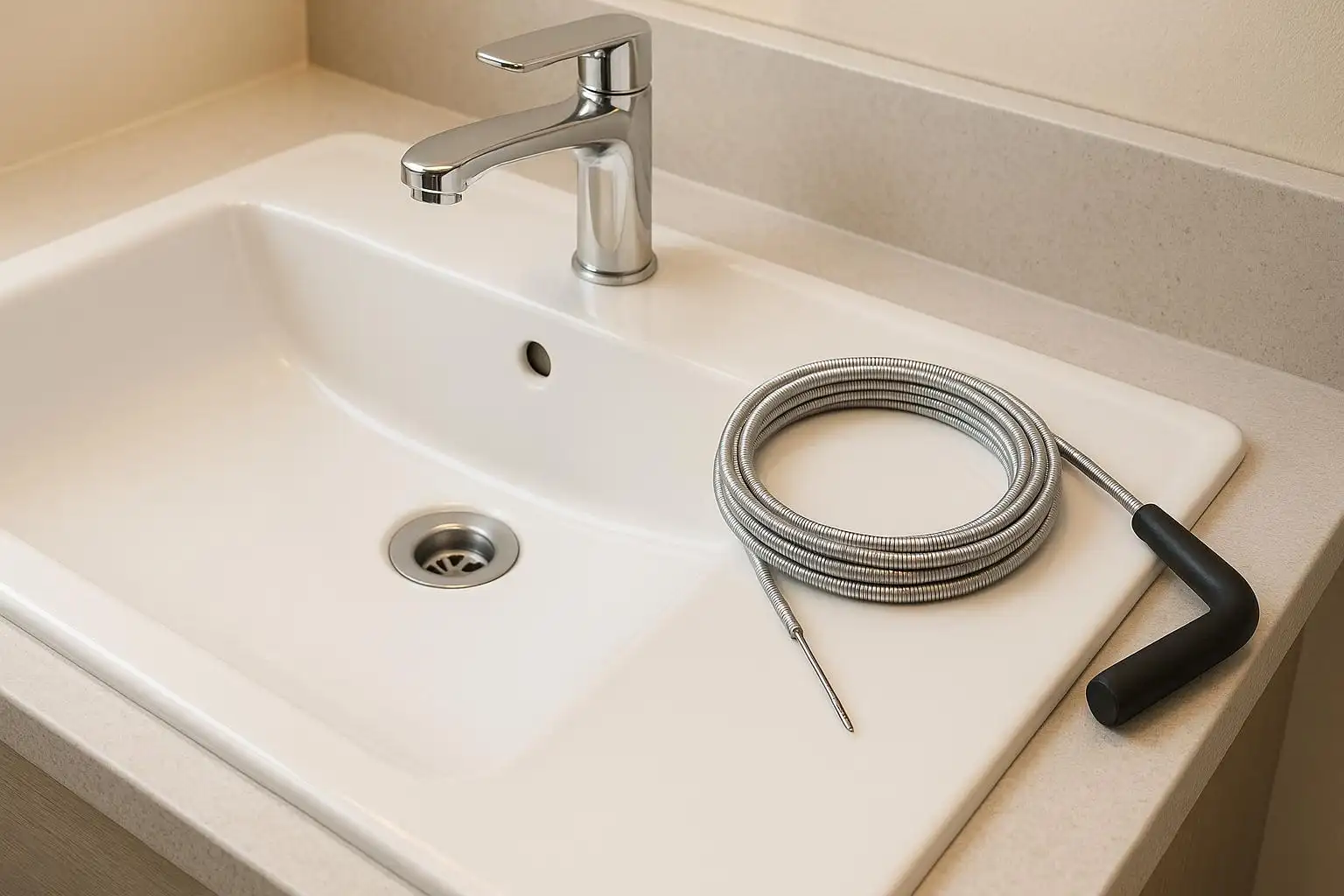
Using a DIY drain snake can save you time and money, but improper handling can damage your pipes or cause injuries. This guide covers how to use a drain snake safely, what types of clogs it works best for, and when to call a professional.
Key Takeaways
- DIY drain snakes are great for minor clogs in sinks, showers, and floor drains but not suitable for toilets or main sewer lines.
- Safety first: Always wear gloves and goggles, and avoid using the snake in pipes treated with chemical cleaners.
- Technique matters: Insert the snake gently, rotate it to break up clogs, and avoid forcing it to prevent pipe damage.
- Common mistakes include using excessive force, skipping safety gear, or choosing the wrong tool size.
- Call a plumber if clogs persist, multiple drains back up, or you notice sewer odors or strange noises. Professional drain cleaning services can handle stubborn blockages.
Follow these steps to tackle clogs effectively while protecting your plumbing system.
How to Snake a Clogged Drain | Ask This Old House
What DIY Drain Snakes Are and When to Use Them
Before tackling any clogged drain, it’s important to know what a DIY drain snake can handle – and what it can’t. Understanding the tool’s purpose and its limitations will help you use it effectively while avoiding unnecessary damage to your plumbing.
What Is a DIY Drain Snake?
A DIY drain snake is a straightforward tool designed to clear clogs by breaking them apart or pulling them out. It’s essentially a flexible metal cable that can navigate the bends and curves of your plumbing pipes. Once it encounters a blockage, you can rotate the snake to either dislodge the clog or latch onto it for removal.
These tools differ from professional-grade equipment, which often includes advanced features like cameras, high-pressure water jets, or industrial-strength snakes. DIY drain snakes, on the other hand, are lightweight, consumer-friendly, and readily available at hardware stores. They’re typically shorter and less powerful than the tools professionals use but are ideal for handling minor clogs.
The big advantage? They’re affordable and work well for common issues like hair, soap scum, or debris near the drain opening. However, they’re not built for tackling severe or deep clogs, which may require professional help.
Which Drains Work Best for DIY Snaking
DIY drain snakes are best suited for household drains that experience minor, routine blockages. These include:
- Kitchen and bathroom sinks: Clogs in these drains often result from food scraps, soap buildup, or hair. To snake them effectively, remove the stopper or drain cover to access the pipe directly.
- Showers and bathtubs: These drains are prone to hair and soap scum clogs. Their straight-down design makes them relatively easy to snake with a hand-operated auger.
- Floor drains: Found in basements or laundry rooms, these drains can also benefit from light snaking when dealing with minor debris.
For these types of blockages, a basic DIY snake is usually enough to get the job done.
Drains You Should Never Snake Yourself
Knowing when not to use a DIY drain snake is just as important as knowing when to use one. Certain situations call for specialized tools or professional expertise to avoid damaging your plumbing system.
- Toilets: A regular drain snake isn’t suitable for toilets. The porcelain can crack under pressure, and the shape of the toilet trap requires a specific tool called a toilet auger.
- Main sewer lines: These lines often require heavy-duty equipment to clear. If multiple drains in your home are backing up at the same time, it’s likely a main line issue that only a professional should handle.
- Deep or recurring clogs: If a clog keeps coming back or is located deep within the plumbing system, a DIY snake won’t cut it. Professionals can use techniques like hydro jetting or video inspections to pinpoint and resolve the issue.
Using a DIY snake in the wrong situation can lead to pipe damage or make the problem worse. When in doubt, it’s better to call in experts like Hernandez Plumbing, who have the tools and know-how to handle more complex drainage problems.
Safety Steps Before Using a DIY Drain Snake
Taking the right safety measures is crucial to avoid injuries and protect your plumbing before tackling a clogged drain. These steps will help ensure a safer and smoother process.
Personal Protective Equipment (PPE)
Put on gloves and safety goggles before you begin. Drain water can carry harmful bacteria, sharp debris, or chemicals that could harm your skin or eyes.
Preparing Your Workspace
Ventilate the area well, keep the floor dry to avoid slips, and have essentials like towels, rags, and a bucket ready for cleanup. A well-prepared workspace minimizes mess and makes the job easier.
Know Your Pipes
Check the material and condition of your pipes before using a drain snake. If chemical cleaners have been used, proceed with extreme caution. These chemicals can cause severe skin and eye injuries if splashed. Always wait for the chemicals to clear out before inserting the auger.
Once you’ve taken these precautions, you’re ready to start using your DIY drain snake confidently and safely.
How to Use a DIY Drain Snake Step by Step
Once you’ve taken the necessary safety precautions, follow these steps to tackle the clog effectively without causing any damage to your pipes.
Inserting and Turning the Snake
Begin by removing any covers or accessing the trap area. For sinks, take off the P-trap (the curved pipe underneath) by unscrewing the plastic nuts, and drain any water into a container. For showers, remove screens or covers, and for bathtubs, access the drain through the overflow opening.
Next, loosen the thumbscrew on the snake drum and carefully extend the cable by hand into the drain pipe until you feel resistance. This resistance typically means you’ve reached the clog. Be gentle to avoid any jamming motions that could scratch the pipes.
When you hit a blockage, tighten the thumbscrew and rotate the handle two or three times. Use slow, steady rotations and apply light pressure to work through bends in the pipes. As you proceed, continue turning the handle and feeding the snake deeper into the drain.
Once you reach the clog, rotate the auger tip in various directions – up, down, back, and forth – to break up the material. If you hear scraping against the pipe walls, stop immediately, adjust the snake’s position, and then continue. After loosening the clog, you’re ready to pull it out.
Pulling Out the Clog
Slowly and steadily pull the cable straight out by hand, avoiding any twisting motions during the process. This reduces the risk of the snake tangling or getting stuck.
If the snake does get stuck, lock the thumbscrew and reverse the drum’s rotation while gently pulling the cable out. Turning the snake counterclockwise can also help dislodge debris from the tip.
Once the snake is out, clean off the clog material using paper towels or disposable cloths. Check the snake’s tip for any remaining debris to ensure you haven’t pushed the clog further down the pipe. If needed, repeat the process until the pipe is completely clear.
Cleaning Up After Snaking
After clearing the clog, it’s time to clean up. Reassemble the drainage pipe and run water to check for proper flow. If the water still drains slowly, repeat the snaking process.
To keep your snake in good condition, clean it thoroughly after use. Rinse off all debris and hair to prevent bacteria buildup, then dry the snake completely to avoid rust. Use a rag to wipe away any water from the drum.
For long-term care, lubricate the snake after cleaning to prevent rust and maintain its functionality. If your snake has a drum plug, remove it to let out any trapped water. Periodically clean the drum and cable thoroughly, and let everything dry before storing.
Proper cleaning and maintenance not only prepare your snake for future use but also help extend its lifespan while keeping it safe and sanitary.
How to Avoid Damage and Common Mistakes
Even with the best intentions, tackling a clogged drain yourself can sometimes lead to more harm than good. Knowing the common mistakes people make – and how to avoid them – can save your pipes from damage and ensure the clog is removed effectively.
Mistakes That Cause Problems
Using too much force can harm your pipes. If you hit resistance while snaking, forcing the tool through can puncture the pipe or cause the snake to get stuck. Instead, apply steady, controlled pressure, allowing the snake to work its way through the blockage gradually.
Choosing the wrong size snake can be risky. An oversized snake might loop back on itself, scraping the inside of the pipe. This can damage protective coatings and lead to corrosion or leaks. Always match the snake size to the drain you’re working on.
Forcing the snake through bends in the pipe is another common error. When you feel the snake hit a curve, pushing harder can scratch or even crack the pipe. Instead, gently retract and rotate the snake to guide it through the bend safely.
Skipping safety gear puts you at risk. Without proper protection like rubber gloves and safety glasses, you expose yourself to harmful bacteria and potential chemical splashes during the cleaning process.
Rushing the job can lead to costly mistakes. Taking your time allows you to feel what’s happening inside the pipe. A patient approach prevents the snake from twisting or kinking and minimizes the risk of damaging your plumbing.
What Happens When You Use It Wrong
Ignoring these precautions can lead to serious plumbing headaches. Here’s what might happen if the snake is used incorrectly:
- Pipe punctures: Excessive force can push the snake tip through the pipe wall, especially in older or corroded systems.
- Scratched interiors: Using an oversized snake or aggressive techniques can leave rough surfaces inside the pipe. These scratches can trap debris, causing frequent clogs, and in pipes with zinc coatings, they may expose the metal, leading to corrosion.
- Stuck snakes: Twisting or kinking the cable can cause it to get jammed. Removing a stuck snake may require cutting the cable or dismantling parts of the plumbing.
- Pushed clogs: Improper technique can push blockages deeper into the system instead of clearing them.
- Broken cables: Excessive twisting or forcing can snap the snake. Retrieving a broken cable is a difficult and frustrating task.
DIY Snakes vs. Chemical Drain Cleaners
Knowing when to use a mechanical drain snake versus a chemical cleaner is key to addressing clogs safely and effectively. Here’s a quick comparison:
| Factor | DIY Drain Snake | Chemical Drain Cleaners |
|---|---|---|
| Safety | Risk of injury or bacterial exposure if misused | Risk of burns, toxic fumes, and pipe corrosion |
| Effectiveness | Great for hair, soap buildup, and solid debris | Better for minor organic clogs like soap scum |
| Pipe Damage Risk | May scratch or puncture pipes if used incorrectly | Can corrode pipes with repeated use |
| Environmental Impact | No chemical runoff; reusable tool | Potentially harmful to water systems and septic tanks |
Chemical cleaners are often effective for minor organic clogs, such as food particles or soap scum, particularly in newer pipes. However, they’re less effective for hair or solid obstructions. On the other hand, a drain snake is ideal for removing physical blockages like hair or accumulated debris.
Choosing the right method depends on the type of clog and the condition of your pipes. For visible debris or persistent clogs, a drain snake is typically the better, more sustainable option – even if it requires a bit more effort and care.
When to Call a Professional Plumber
While tackling minor clogs with DIY methods like drain snaking can be effective, certain situations call for the expertise of a professional plumber. Knowing when to seek help can save you from costly repairs and ensure your plumbing system gets the attention it needs.
Warning Signs You Need Professional Help
- Multiple drains backing up at once: If water is backing up in more than one drain, it’s often a sign of a main sewer line blockage that requires specialized tools.
- Sewer gas smells: A strong sewer odor could mean a serious blockage is affecting your plumbing’s ventilation system.
- Water backing up into other fixtures: For example, flushing the toilet might cause water to bubble up in the bathtub, or running your washing machine could lead to backups in other fixtures. These are signs of a deeper issue in your plumbing system.
- Recurring or stubborn clogs: If clogs keep coming back, there might be a bigger problem like tree root intrusion or damaged pipes that needs professional attention .
- Strange noises from pipes: Persistent gurgling, banging, or whistling sounds in your plumbing system can indicate hidden problems that are unsafe to inspect yourself.
- Discolored water or unexpected drops in water pressure: These symptoms may point to pipe corrosion, hidden leaks, or main line issues that require immediate professional evaluation.
If any of these issues sound familiar, it’s time to call in the experts.
How Hernandez Plumbing Can Help
Hernandez Plumbing brings decades of experience to the table, offering solutions for even the most complex plumbing problems. From routine maintenance to emergency repairs, their team is equipped to handle it all.
- 24/7 emergency services: Plumbing emergencies don’t wait for business hours. Hernandez Plumbing’s certified technicians are available around the clock to respond quickly and help prevent further damage.
- Accurate diagnostics: Whether it’s tree roots invading your pipes, corroded plumbing, or a clogged main sewer line, their team uses advanced diagnostic tools to identify the root cause and provide targeted solutions.
- Specialized tools and expertise: With cutting-edge equipment, Hernandez Plumbing can handle tasks like cast iron pipe replacements, leak detection, and water line repairs – often completing up to 91% of repairs on-site.
- Transparent pricing and warranties: Their upfront pricing ensures no surprises, while their satisfaction guarantee and worry-free warranty give you peace of mind that the job will be done right.
For Miami homeowners dealing with persistent plumbing issues, Hernandez Plumbing offers the professional expertise needed to restore your system efficiently and effectively. Whether it’s a late-night emergency or a long-term fix, they’re ready to help.
Key Points for Safe DIY Drain Snaking
Tackling a clogged drain yourself can save time and money, but it requires careful preparation, the right technique, and knowing when to call in a professional. The difference between a quick fix and a plumbing nightmare often comes down to following some essential safety tips. Here’s a quick-reference guide to keep your DIY drain snaking both effective and safe.
Before you start, check your personal protective equipment (PPE) and make sure any chemicals previously used in the drain have been thoroughly flushed out. Always wear sturdy gloves and safety glasses – drain pipes are home to bacteria, and debris can splash unexpectedly.
When using the snake, gentle movements are key. One of the most common mistakes is forcing the snake when it hits resistance. Instead, use slow, deliberate motions and stay mindful of your pipe’s condition to avoid unnecessary damage. As you rotate the snake, turn the handle counterclockwise to help it grip the clog more effectively. If the cable starts twisting, stop immediately and reverse direction to prevent further issues. Keep a steady pace when cranking – rushing can lead to broken pipes or a stuck snake.
It’s also important to recognize your limits. Studies show that 85% of frequent clogs are caused by deeper buildup that a basic snake can’t clear. If your efforts don’t resolve the problem within an hour, or if you notice recurring clogs or persistent foul odors, it’s time to call a professional.
FAQs
Can I safely use a DIY drain snake if I’ve previously poured chemical cleaners down the drain?
Using a DIY drain snake after using chemical cleaners can be hazardous. Leftover chemicals in the pipes might still be active, posing a risk of burns or skin irritation if they come into contact with you. On top of that, chemical cleaners can weaken pipes over time – this is especially true for older or plastic pipes – making them more prone to cracking or leaking when you use a drain snake.
To reduce these risks, make sure to thoroughly flush the pipes with water before attempting to use the snake. If you’re uncertain about the state of your pipes or the type of chemicals previously used, it’s a safer bet to call a professional plumber. This can help you avoid unnecessary damage or injury.
How do I know if a clog is too serious for a DIY drain snake and needs a professional plumber?
If your clog doesn’t clear up or gets worse after trying a DIY drain snake, it’s probably time to bring in a professional. Watch out for warning signs like slow drainage that refuses to improve, water backing up into sinks, tubs, or toilets, gurgling sounds, unpleasant odors, or even sewage backups. When multiple fixtures are affected, it often points to a deeper issue, such as a major blockage or damaged pipes.
Trying to fix a severe clog on your own can sometimes make things worse, potentially causing more damage to your plumbing system. To avoid costly repairs and ensure your safety, it’s a smart move to call a licensed plumber if these problems persist. If you’re in Miami, FL, you can rely on Hernandez Plumbing – a trusted name in professional drain cleaning and repair. They’re available 24/7 to tackle emergencies and get your system back on track.
How can I properly maintain my DIY drain snake to keep it in good condition?
To ensure your DIY drain snake stays in great condition, make it a habit to clean it thoroughly after every use. This helps remove any debris, grease, or buildup that could affect its performance. Once cleaned, dry it completely to avoid rust forming. You can also apply a light coat of oil or a rust-preventative product to the cable to protect it from corrosion and reduce wear over time.
Take a moment to inspect the snake regularly for signs of damage, such as kinks, cracks, or other issues. If you notice any problems, repair or replace the affected parts promptly. Keeping up with these maintenance steps not only prolongs the life of your tool but also ensures it’s ready to work effectively whenever you need it.
Need Professional Help?
Our licensed plumbers are ready to help with your drain cleaning needs.