How to Test Water Heater Efficiency
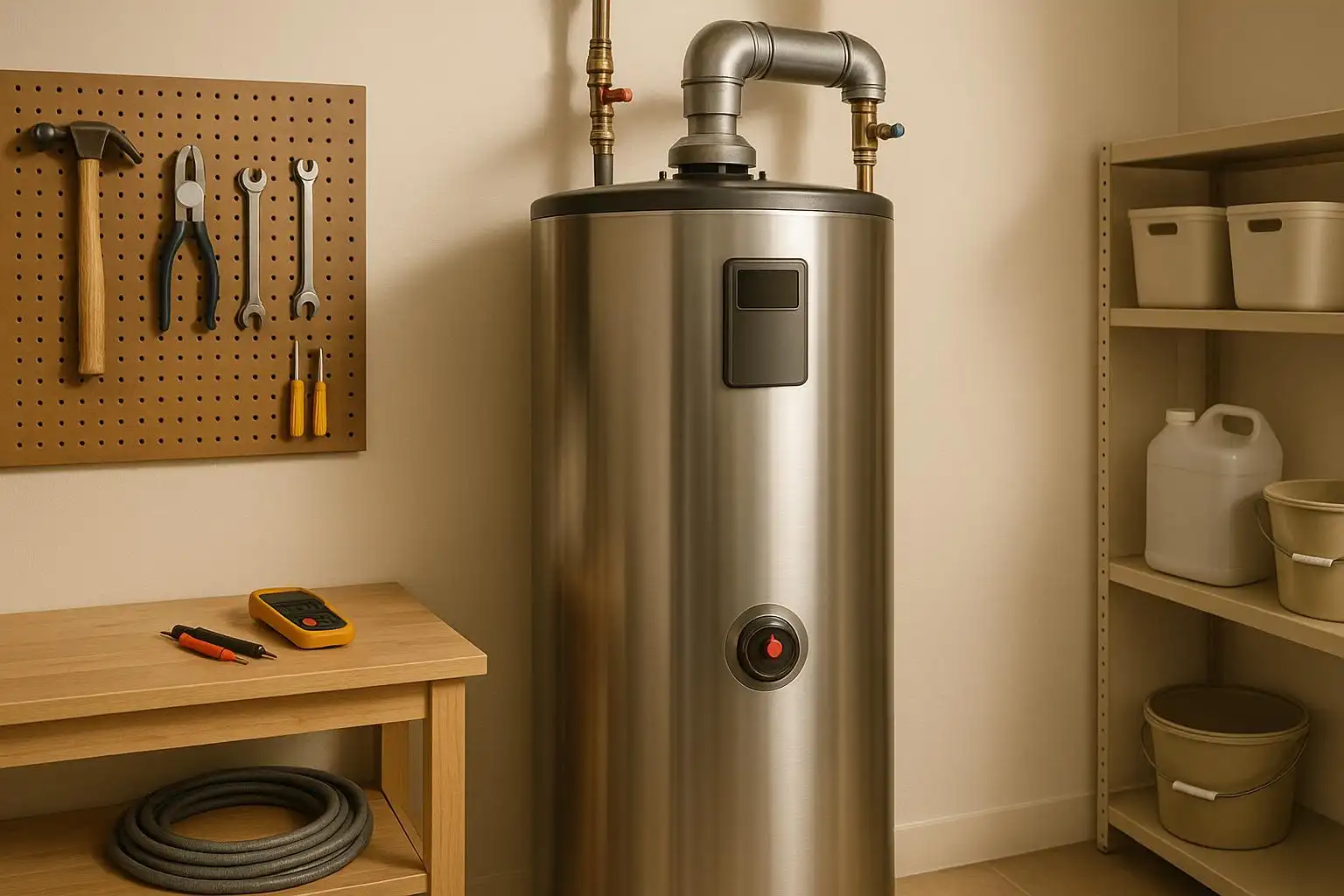
To keep your water heater running efficiently and save on energy costs, it’s crucial to assess its performance regularly. Water heating accounts for 14-18% of utility bills in U.S. homes, making it one of the largest energy expenses. Testing efficiency can help detect issues early, lower energy use, and extend the appliance’s lifespan.
Here’s what you can do:
- Check Hot Water Temperature: Use a thermometer to ensure the water temperature matches the thermostat setting (ideally 120°F). Differences indicate potential issues like heat loss or sediment buildup.
- Inspect for Heat Loss: Feel the tank and pipes for excessive warmth. Poor insulation wastes energy.
- Measure Recovery Rate: Time how long the heater takes to reheat a full tank. Slow recovery rates may signal sediment buildup or failing components.
Signs of inefficiency include rising energy bills, inconsistent water temperatures, or visible damage like rust or leaks. DIY tests can address basic issues, but professional help is recommended for persistent problems or complex repairs.
Miami homeowners, for example, often face challenges like sediment buildup due to hard water. A simple tank flush can resolve performance drops, but regular maintenance is key to avoiding costly breakdowns.
For more accurate diagnostics, consider professional water heater services. Routine inspections can improve efficiency by up to 15% and prevent future issues, saving money in the long run.
How to Diagnose a BAD Water Heater Element
Water Heater Efficiency Ratings Explained
Understanding water heater efficiency ratings can help you make smarter choices about energy use in your home. These ratings show how well your water heater converts energy into hot water, which directly impacts your utility bills.
Energy Factor (EF) and Uniform Energy Factor (UEF) Basics
The Energy Factor (EF) measures the percentage of energy a water heater uses to produce hot water over a 24-hour test period. The Uniform Energy Factor (UEF) has since replaced EF, offering a more realistic assessment by considering household water usage patterns. In both cases, higher ratings mean better efficiency and lower energy costs.
| Water Heater Type | Typical EF Range | Typical UEF Range | What This Means |
|---|---|---|---|
| Gas Storage | 0.43–0.86 | 0.62–0.93+ | Higher ratings mean lower operating costs |
| Electric Storage | 0.95 (minimum) | 0.93+ | Efficient models save more electricity |
| Heat Pump | N/A | 2.0+ | Can be up to twice as efficient as standard electric |
UEF ratings simplify comparisons between water heaters. For example, a heater with a UEF of 0.92 will always outperform one rated at 0.80, resulting in noticeable savings on your energy bills.
Another factor to consider is standby heat loss, which measures the energy lost while the heater is idle. Storage water heaters are more prone to this issue since they continuously heat a tank of water, unlike tankless models that heat water only when needed. These ratings and metrics not only help you choose the right appliance but can also signal when your water heater isn’t performing as it should.
Warning Signs of Poor Water Heater Efficiency
Efficiency ratings are helpful, but your water heater itself can give you clues when it’s not running as it should. One of the first signs is higher-than-usual energy bills. If your gas or electric costs suddenly spike, your water heater might be working harder than necessary.
You might also notice inconsistent water temperatures – like when your shower alternates between hot and cold – or longer wait times for hot water, which could mean the recovery rate has slowed. A reduced hot water supply is another red flag, especially if your heater struggles to meet your household’s needs like it used to.
Visible issues, such as corrosion, rust, or water pooling around the tank, often point to internal problems that can hurt efficiency. If left unchecked, these issues can worsen over time, potentially leading to a complete system failure.
Spotting these problems early can save you money and hassle. Some issues might be fixed with regular maintenance, while others could require professional repairs to get your water heater back in shape and keep your energy costs under control.
DIY Water Heater Efficiency Tests
Testing your water heater’s efficiency doesn’t require fancy gadgets or professional help. With a few basic tools and straightforward steps, you can uncover potential problems and prevent skyrocketing energy bills.
How to Test Hot Water Temperature
One of the easiest ways to assess your water heater’s efficiency is by checking its temperature output. For this, you’ll need a digital thermometer (ideally one with a probe for accuracy) and a measuring cup.
Start by turning on your hot water tap and letting it run for 3-5 minutes. This ensures you’re testing water straight from the tank, not water that’s been sitting in the pipes. Once the water is flowing steadily, fill a cup and measure the temperature immediately. Compare this reading to your thermostat setting.
If the temperature differs by more than 5°F, something might be off. For instance, if your thermostat is set at 120°F but the water measures only 110°F, it could indicate issues like thermostat miscalibration, sediment buildup, or heat loss along the pipes.
The U.S. Department of Energy suggests keeping your thermostat at 120°F. This temperature strikes a balance between energy efficiency, safety, and providing enough hot water for most households.
How to Check for Heat Loss
Heat loss from your water heater tank or pipes can waste energy and inflate your utility bills. A quick check can identify areas where insulation might be lacking.
First, put on insulated gloves for safety. Carefully touch the exterior of your water heater tank – it should feel warm but not hot. If it feels too hot, it might be losing heat due to poor insulation. Next, check any exposed hot water pipes; they should feel slightly warm, not hot.
For a more precise reading, use an infrared thermometer. Aim it at different points on the tank and pipes, and note the temperatures. Areas that are significantly warmer than room temperature may need additional insulation.
Focus on common trouble spots like the temperature and pressure relief valve, pipe connections, and the base of the tank. Identifying these areas can help you minimize heat loss and improve efficiency.
How to Calculate Recovery Rate
After checking temperature and heat loss, the next step is to measure your water heater’s recovery rate. This tells you how quickly it can reheat a full tank of water, which is a good indicator of its overall performance.
To start, use hot water until the tank is fully depleted and the tap runs cold. Then, start a timer. Every 15–20 minutes, check the water temperature at the tap. Once it matches the thermostat setting, stop the timer and note the total time.
To calculate the recovery rate, divide the tank’s capacity (in gallons) by the time it took to reheat (in hours). For example, if your 50-gallon tank takes 2 hours to reheat, its recovery rate is 25 gallons per hour.
Electric water heaters typically recover at a rate of 20-25 gallons per hour, while gas models are faster, averaging 40-50 gallons per hour. If your heater falls short of these benchmarks, it could mean sediment buildup, failing heating elements, or that your unit is too small for your household’s demand.
A slow recovery rate not only delays hot water availability but also forces your heater to work harder, increasing energy consumption and wear over time.
Reading Your Test Results
Understanding your test results can help you pinpoint issues and decide whether a repair or replacement is necessary.
What Your Results Mean
Your water heater’s performance should align with specific benchmarks. For instance, hot water should measure between 120°F and 125°F at the tap. If your readings consistently fall below this range, your water heater may not be functioning efficiently. On the other hand, temperatures exceeding 130°F often indicate a problem with the thermostat.
Recovery rates are another key metric. Electric water heaters should recover 20–25 gallons per hour, while gas models typically recover 30–40 gallons per hour. Falling below these benchmarks suggests potential performance issues.
The tank’s exterior also offers clues. Ideally, it should feel warm but not hot, with infrared readings slightly above room temperature.
Energy efficiency ratings matter, too. Electric water heaters should have an EF/UEF of at least 0.92, while gas models should meet or exceed 0.82.
| Water Heater Type | Typical UEF | Recovery Rate (gal/hr) | Common Issues |
|---|---|---|---|
| Electric Resistance | 0.95 | 20-25 | Sediment, element failure |
| Gas Storage | 0.60-0.70 | 30-40 | Pilot issues, venting, sediment |
| Heat Pump | 2.0+ | 15-20 | Space cooling effects, noise |
If your results deviate from these benchmarks, it’s likely pointing to Common Water Heater Problems and Their Solutions.
Common Efficiency Problems
When your test results fall short of benchmarks, the root cause often lies in a few typical issues. Sediment buildup is one of the most frequent problems, particularly in areas with hard water, such as Miami. Sediment acts as insulation on the heating element, reducing its ability to heat water effectively.
Another common culprit is a faulty thermostat, which can result in inconsistent temperature readings and inefficient operation. A thermostat that’s malfunctioning may cause your water heater to produce water that’s too hot, too cold, or fluctuates unpredictably. If your tests show wide temperature swings or consistently low readings despite proper settings, it’s time to consider replacing the thermostat.
For electric water heaters, aging heating elements can lead to slower recovery rates and increased energy use. Similarly, gas water heaters may suffer from problems with burner components or pilot lights, both of which can reduce heating efficiency.
Poor insulation is another efficiency killer. If the tank or exposed pipes lack adequate insulation, you’ll experience standby heat loss, forcing the water heater to work harder to maintain temperature. This issue often appears in heat loss tests, where the tank’s exterior feels hotter than it should – ideally, it should feel just slightly warm.
Miami’s hard water compounds these problems. The high mineral content accelerates sediment buildup and scale formation, making routine testing and maintenance even more essential for keeping your water heater efficient.
For example, a homeowner in Miami noticed their water temperature dropping from 125°F to 110°F, paired with a recovery rate of just 12 gallons per hour. The culprit? Sediment buildup. A simple tank flush resolved the issue, restoring the water heater’s performance immediately.
If you notice persistent temperature drops, slow recovery rates, or excessive heat loss, it’s a clear signal that professional repairs are likely needed.
When to Call a Professional
While DIY testing can help you keep an eye on your water heater’s performance, there are times when it’s crucial to bring in an expert. Ignoring warning signs or attempting to fix complex problems yourself can lead to bigger issues, so knowing when to call a professional is key.
Why Professional Service Matters
Professional plumbers have access to advanced tools like thermal imaging cameras and combustion analyzers that can uncover hidden problems such as internal corrosion or leaks. These tools not only detect issues that might go unnoticed during a DIY check but also help prevent serious risks, like gas leaks or electrical hazards, that come with high-pressure systems. Plus, skipping professional inspections could void your manufacturer’s warranty.
A professional tune-up doesn’t just keep your water heater running smoothly – it can also improve efficiency by up to 15% and help your unit last longer. Routine inspections, which typically cost between $100 and $200, can save you from expensive breakdowns. Considering that water heating accounts for around 18% of the energy use in a typical U.S. home, even small efficiency gains can lead to noticeable savings. Regular maintenance is especially important when you consider that conventional tank water heaters usually last 8–12 years, while tankless models can last up to 20 years.
If you notice water pooling around your unit, inconsistent water temperatures, strange noises, discolored water, or if your system is nearing the end of its expected lifespan, it’s time to call a pro. Replacing a standard tank water heater can cost anywhere from $800 to $2,500.
Hernandez Plumbing‘s Water Heater Services
Hernandez Plumbing provides a full range of water heater services tailored to the needs of Miami residents. Their team is well-versed in dealing with Miami’s hard water, which speeds up sediment buildup, and they understand the constant demand for hot water in the area.
With 24/7 emergency service, Hernandez Plumbing ensures quick responses to minimize damage and downtime. They’re committed to transparency, offering upfront pricing so you’ll know the cost before work begins. Their satisfaction guarantee means you can trust their team to deliver high-quality repairs, replacements, or upgrades. Whether you need residential or commercial services, Hernandez Plumbing ensures all work complies with local codes to maximize your water heater’s performance.
For Miami homeowners, Hernandez Plumbing offers a diagnostic evaluation for just $49 (regularly $97). This thorough assessment pinpoints issues that DIY tests might overlook and provides clear, actionable recommendations to improve your water heater’s safety and efficiency.
Conclusion
Testing your water heater’s performance doesn’t have to be complicated. Simple DIY methods like checking the hot water temperature, monitoring heat loss, and calculating the recovery rate can give you a clear picture of how well your system is functioning. These straightforward checks, using basic tools, can offer helpful insights into its efficiency.
Regular testing not only helps reduce energy waste but also prolongs the life of your water heater. Keeping the temperature set to the recommended 120°F and addressing common issues like sediment buildup or poor insulation can make a noticeable difference in your monthly utility bills. Even small tweaks can add up to significant savings over time.
While DIY tests are great for spotting obvious problems, they may not catch hidden issues like internal corrosion or leaks, which often require specialized tools. Persistent problems – such as slow recovery times, unexpected temperature drops, or visible signs of wear – are clear indicators that professional repair might be necessary. When DIY efforts aren’t enough, it’s time to call in the experts.
For Miami homeowners dealing with hard water or high usage demands, Hernandez Plumbing offers a $49 diagnostic evaluation to uncover issues that might go unnoticed with DIY testing. Their upfront pricing and satisfaction guarantee ensure peace of mind while helping to prevent costly emergencies.
The key is striking the right balance between regular DIY checks and professional maintenance. By staying proactive and knowing when to call in the professionals, you can keep your water heater running efficiently for years, all while keeping energy costs in check.
FAQs
How often should I check my water heater’s efficiency to keep it running smoothly?
To keep your water heater running smoothly, it’s wise to check its performance annually. These routine inspections can catch problems early, such as sediment buildup, uneven water temperatures, or drops in energy efficiency, preventing them from turning into costly repairs.
If you’re not confident about conducting these checks yourself or notice warning signs like inconsistent water temperatures or rising energy bills, it might be time to call in an expert. Hernandez Plumbing provides professional water heater services in Miami, FL, and can help keep your system in top shape all year long.
What are the signs that I need to call a professional for my water heater instead of fixing it myself?
If your water heater is acting up, it’s a good idea to bring in a professional. Some common red flags to watch for include leaks, strange noises, inconsistent water temperatures, or a complete system failure. These issues often require the right tools and know-how to handle properly.
Trying to fix complex problems on your own can sometimes make things worse – or even create safety hazards. Instead, reach out to a licensed plumber who can quickly and safely identify the problem and get things back on track.
What is the Uniform Energy Factor (UEF), and how does it affect my water heater’s efficiency and energy costs?
The Uniform Energy Factor (UEF) is a key metric for gauging how energy-efficient a water heater is. Essentially, it measures how well the unit transforms energy into hot water. The higher the UEF rating, the more efficiently the water heater operates. This efficiency can make a noticeable difference in your energy bills since a more efficient unit requires less energy to deliver the same amount of hot water.
When deciding on a water heater, it’s smart to look at the UEF rating in the context of your household’s hot water usage. A model with a higher UEF can help cut down on utility costs over time while also minimizing energy waste. If you’re unsure about your current water heater’s performance or need guidance, Hernandez Plumbing in Miami, FL, provides expert advice and services to help you choose the right option for your home.
Need Professional Help?
Our licensed plumbers are ready to help with your water heater services needs.