How to Spot Water Heater Failure Early
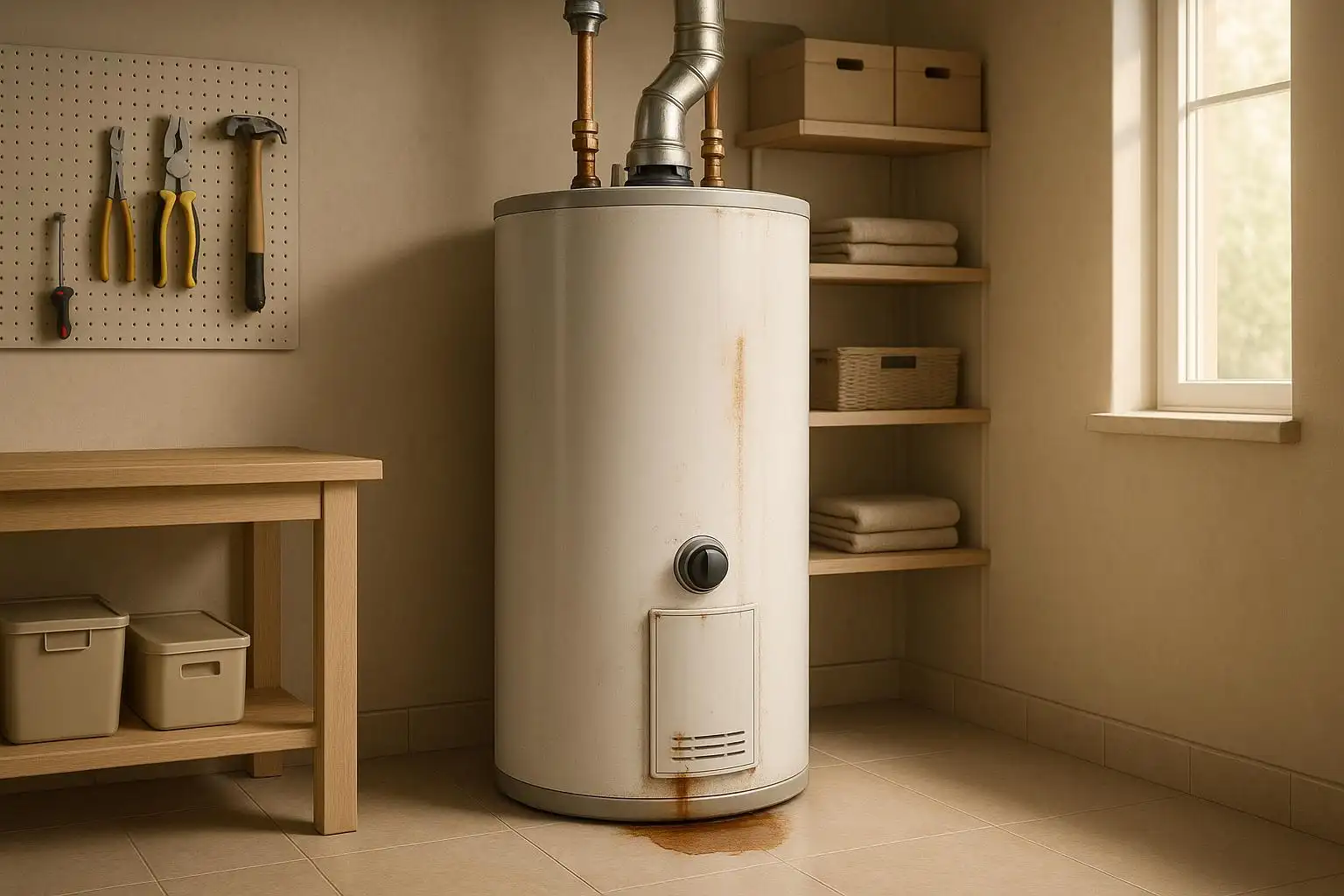
If your water heater is acting up, catching the warning signs early can save you time, money, and stress. Common symptoms include leaks, rusty water, strange noises, and inconsistent hot water. Addressing these issues promptly can prevent costly repairs or replacements. Here’s what to watch for:
- Leaks or pooling water: Even small puddles around the heater signal trouble.
- Rusty or discolored water: Indicates internal corrosion in the tank.
- Noises like popping or banging: Often caused by sediment buildup.
- Inconsistent hot water: Points to worn-out components or thermostat issues.
- Low hot water pressure: Could mean sediment or corrosion is clogging the system.
Most water heaters last 8–12 years, but regular maintenance can extend their lifespan. If you spot any of these signs, call a professional plumber to avoid further damage. Quick action ensures your water heater stays efficient and reliable.
Signs Your Water Heater Needs to be Replaced
Visual Warning Signs to Look For
Keeping an eye on your water heater through regular inspections can help you catch early issues before they become costly headaches. A quick monthly check can often reveal telltale signs of trouble. Here’s what to look for:
Water Leaks or Pooling
If you notice water pooling around your water heater, it’s a clear sign something’s wrong and needs immediate attention.
"The most evident sign of a leaking water heater is the presence of water puddles or pooling around the unit. Even minor water accumulation should be noticed, as it might signal a leak that requires immediate attention." – UWRG Water Damage Tips
Start by inspecting the base and the top connection points of the unit. Pooling at the bottom could mean the tank is corroding internally or that the drain valve is failing. Check all pipe connections and the drain valve near the base for any signs of leaking.
Not all leaks are obvious puddles. Sometimes, you’ll spot damp spots on nearby floors or carpets, which could indicate a slow leak. In finished spaces, peeling paint or bubbling wallpaper on surrounding walls might be a clue that moisture is building up. To get a clear picture, move any stored items away from the heater, wipe away existing moisture, and monitor the area over time to see if the dampness returns. Spotting these signs early can save you from bigger problems down the road.
Rusty or Discolored Water
If your hot water looks brown, red, or orange and has a metallic taste, your water heater may be in trouble.
To pinpoint the issue, test both your hot and cold water taps. If only the hot water is discolored, the problem is likely within the water heater – often due to rust forming inside the tank. However, if both taps produce rusty water, the issue might stem from the main water supply.
"If you have rusty water coming from the hot water heater, call a professional right away to identify the source of the rust and make repairs." – Complete Comfort Heating, A/C & Plumbing Repair
This kind of discoloration often signals that the tank’s protective lining has failed, allowing water to corrode the steel inside. Addressing this early can prevent further damage.
Rust Spots on Tank Exterior
Reddish-brown spots on the outside of your tank are another red flag. These spots often appear around seams, fittings, or valves – areas that experience the most stress from thermal expansion.
Rust near the bottom of the tank usually indicates that internal corrosion is compromising the tank’s structure. External rust doesn’t happen overnight; it’s often the result of prolonged exposure to moisture combined with the natural aging of the unit. If a new water heater shows rust, it might point to installation or environmental problems. On an older unit, rust is often a sign that it’s nearing the end of its lifespan.
Excess Condensation or Moisture
A little condensation on your water heater is normal, but if you’re noticing persistent moisture, it’s time to investigate. Normal condensation should disappear quickly, while lingering moisture might hint at bigger issues.
Persistent dampness can result from problems such as an undersized water heater that’s constantly refilling, poor insulation, or inadequate ventilation. High humidity in the surrounding area, like a basement or utility room, can also make condensation worse.
If the moisture doesn’t go away or keeps coming back, especially alongside other warning signs, it’s a good idea to call in a professional. They can evaluate the water heater and its environment to identify and address the root cause. Catching this early can help you avoid more serious damage.
Strange Noises and What They Mean
Unusual sounds coming from your water heater often point to hidden issues. Catching these early can save you from expensive repairs – or even a complete system breakdown.
Popping, Banging, or Rumbling Sounds
If your water heater starts making noises like popcorn popping or loud banging, you’re likely dealing with sediment buildup. Over time, minerals like calcium and magnesium settle at the bottom of the tank, creating a layer of sediment. When water gets trapped beneath it and heats up, it turns into steam, forcing its way through the sediment and causing those distinctive popping, rumbling, or banging sounds.
Ignoring this issue can lead to bigger problems. The sediment layer thickens, making your water heater work overtime. This extra strain can cause overheating, damage the tank, or even lead to system failure.
To avoid this, flush your water heater regularly to remove sediment. If you live in an area with hard water, consider installing a water softener to reduce mineral deposits. Lowering the water temperature to around 120°F can also help slow sediment formation. However, if the noise continues after flushing or your unit is over 10 years old, it’s time to call a professional.
Next, let’s look at what crackling or sizzling noises might mean for gas water heaters.
Crackling or Sizzling Noises
In gas water heaters, crackling sounds often happen when condensation forms on the burner. As water droplets hit the hot surface, they create a noise that can sound alarming but is usually harmless. This type of noise typically resolves on its own.
Sizzling sounds, on the other hand, are a red flag. They usually point to a water leak in the tank. When water drips onto the burner or heating elements, it produces that sizzling noise. If you hear this or notice any signs of moisture or pooling water near your heater, turn off the power and water supply immediately and contact a professional.
The main difference between these two noises is how long they last. Crackling from condensation is temporary, but sizzling from a leak is persistent and can quickly escalate into flooding and property damage. Don’t wait – act fast if you suspect a leak.
Performance Problems to Watch
If your water heater isn’t keeping up with your household’s hot water needs, it’s a clear sign something’s wrong. Spotting these issues early can save you from costly repairs and unexpected breakdowns.
Inconsistent or Not Enough Hot Water
Running out of hot water too quickly or dealing with unpredictable temperature swings? These problems often point to issues like worn-out components, sediment buildup, or even a faulty thermostat.
- Heating elements wearing out: In electric water heaters, the heating elements can lose their efficiency over time. For gas models, clogged or malfunctioning burners may be the culprit.
- Sediment buildup: Over time, minerals from your water settle at the bottom of the tank. This reduces the space available for hot water and insulates heating elements, making the system less effective.
- Faulty thermostat: A malfunctioning thermostat can cause temperature fluctuations, leaving you with water that’s either too hot or not warm enough.
"Strange noises, discolored water, or fluctuating temperatures are early signs your water heater may be failing." – Liberty Home Guard
Ignoring these signs isn’t just inconvenient – it can also be dangerous. Erratic water temperatures may lead to scalding, while delays in hot water delivery signal a system that’s struggling to keep up.
Longer Wait Times for Hot Water
If you’re waiting longer than usual for hot water, it might mean your water heater is losing its efficiency. This often happens as heating components age, making it harder for the system to transfer heat effectively.
The age of your water heater is also a key factor. Most traditional models last between 8 and 12 years, though with good maintenance, some can stretch to 15 years. However, if your unit is over a decade old and showing multiple signs of decline, replacing it might be the smarter choice.
Low Hot Water Pressure
When the hot water comes out as a trickle but the cold water flows just fine, the problem usually lies with the water heater itself. Common causes include:
- Sediment buildup: Deposits can clog the system, restricting water flow.
- Internal corrosion: Rust and corrosion inside the tank can break loose and block pipes.
- Leaking pressure relief valve: This can reduce the system’s ability to maintain proper pressure.
To check for pressure issues, use a pressure gauge from your local hardware store. If the problem affects all hot water outlets in your home, it’s likely an internal issue with the water heater. Tackling these problems early ensures a steady flow of hot water and helps avoid further damage to your system.
When to Call a Professional Plumber
Spotting early warning signs is just the first step – knowing when to bring in a professional can save you from bigger headaches down the line. Some water heater problems simply shouldn’t be handled on your own. In fact, nearly 75% of DIY water heater repairs end up causing more damage.
Visible Leaks and Rust Issues
If you notice any visible leaks coming from your water heater, it’s time to call a plumber. Most tank-style water heaters hold between 40 and 50 gallons of water, so even a minor leak can lead to significant damage. Rust and corrosion are also red flags. A licensed plumber can determine whether the rust is only surface-level or if it has compromised the tank’s structure. With the right tools and expertise, they can pinpoint the exact source of the leak – whether it’s from the tank, the connections at the top, or the surrounding pipes. They can also identify issues like faulty TPR valves, damaged inlet valves, or corroded fittings.
Problems with Pilot Lights or Circuit Breakers
Electrical and gas issues are not just inconvenient – they’re dangerous. If your pilot light keeps going out or your circuit breaker trips repeatedly, these are signs of serious underlying problems. Attempting to fix these on your own can lead to gas leaks, water damage, or even electrical hazards. These are situations where professional help is not just recommended – it’s essential.
How Hernandez Plumbing Can Help
When your water heater acts up, Hernandez Plumbing is ready to step in. Serving Miami, FL, their licensed technicians specialize in diagnosing, repairing, and replacing water heaters. They’ll quickly identify the root of the problem and offer a solution that fits your budget. Plus, with 24/7 emergency services, you won’t have to go without hot water for long – whether it’s the middle of the night or a weekend.
Hernandez Plumbing offers upfront pricing, so you’ll know exactly what the repair will cost before any work begins. Right now, their professional diagnostic service is available for just $49 (normally $97). And with their satisfaction guarantee and worry-free warranty, you can rest easy knowing the job will be done right and up to code. For larger replacement projects, they even provide dedicated account representatives to help you choose the right system and schedule an installation that fits your needs.
Conclusion: Stay Ahead of Water Heater Problems
Catching water heater issues early can save you both money and a lot of hassle. The warning signs are straightforward once you know them: water leaks, discoloration, unusual noises, temperature fluctuations, and low water pressure. Taking just a few minutes each month to check for these problems can add years to your water heater’s life.
"Timely water heater repair can make a significant difference in maintaining the efficiency and longevity of your unit. Ignoring minor problems can lead to more serious complications and expensive repairs down the road."
– B & G Heating Air Conditioning & Ventilation
The importance of acting quickly can’t be overstated. Most water heaters last between 8 and 12 years, and regular attention can help you get the most out of them. Ignoring small issues doesn’t just mean higher repair bills – it can also lead to major problems like water damage, mold, or even carbon monoxide leaks.
If you notice any of these red flags, reach out to Hernandez Plumbing right away. Their $49 diagnostic service and impressive 91% rate of on-the-spot repairs can help keep your system in top shape. With over 50 years of experience and 24/7 emergency services, they’ll have your hot water back up and running while preventing further damage to your home.
Taking action early protects both your home and your wallet. With monthly checks and quick professional help when needed, your water heater can stay efficient and reliable for years to come.
FAQs
What are the warning signs that my water heater might be failing?
If your water heater is showing signs of trouble, catching the issue early can save you from a bigger headache down the line. Here are some common warning signs to watch for:
- Inconsistent water temperature: Does your water suddenly switch between hot and cold? This could point to a problem with your water heater.
- Strange noises: Rumbling, popping, or banging sounds from the tank might mean sediment has built up inside.
- Discolored or rusty water: If your water looks rusty or discolored, it could indicate corrosion inside the tank.
- Leaks around the tank: Water pooling near your heater is a clear sign something’s wrong.
- Low water pressure: Mineral deposits or sediment buildup can reduce water flow, leading to weaker pressure.
If you spot any of these issues, don’t wait – taking action now can help you avoid more expensive repairs or even a full replacement. For dependable water heater inspections and repairs in Miami, FL, Hernandez Plumbing offers expert services with upfront pricing and a satisfaction guarantee.
How often should I service my water heater to keep it running efficiently?
To keep your water heater running smoothly and extend its lifespan, you should schedule a maintenance check at least once a year. Regular inspections can catch problems early, like sediment buildup or worn components, which might otherwise impact performance and energy use.
During a maintenance visit, a plumber will typically flush the tank, check for leaks, test the pressure relief valve, and make sure all parts are working as they should. This routine care helps ensure your water heater delivers reliable hot water whenever you need it.
When should I call a plumber for water heater problems, and what can I safely check myself?
If your water heater is leaking, making strange noises, or failing to provide hot water, it’s a clear sign to bring in a professional plumber. These problems often point to underlying issues that need expert handling.
Before making the call, there are a few basic checks you can do yourself. Make sure the power supply is properly connected, double-check that the thermostat is set correctly, and look for any sediment buildup in the tank. That said, steer clear of DIY fixes for electrical components or major leaks. Not only can these be hazardous, but they might also make the situation worse.
If you’re in the Miami, FL area and need dependable water heater services, you might want to contact a trusted professional like Hernandez Plumbing. They have the expertise to get things back on track.
Need Professional Help?
Our licensed plumbers are ready to help with your water heater services needs.