How to Spot Plumbing Fixture Problems
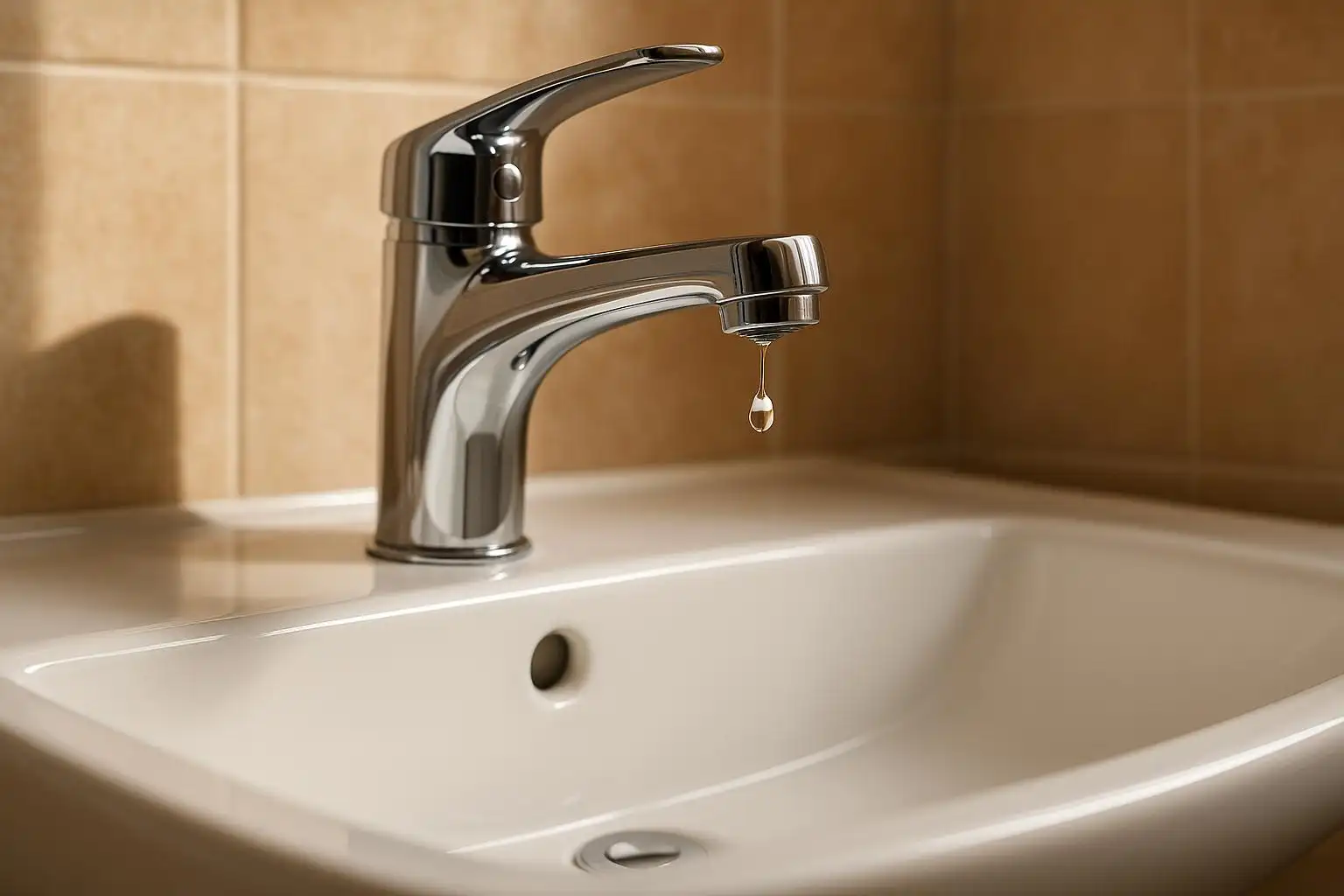
Plumbing issues can waste water, increase bills, and cause expensive damage. Knowing what to look for can save you time and money. Here’s what you need to know:
- Leaks: Watch for water stains, bubbling paint, pooling water, and mold growth.
- Corrosion: Discolored water, strange smells, or visible rust indicate trouble.
- Cracks: Small cracks in sinks or toilets can grow and lead to leaks.
- Water Pressure: Low or high pressure can signal blockages or regulator problems.
- Fixtures: Dripping faucets, running toilets, or slow drains should be addressed quickly.
Routine checks and professional inspections are key. Professional leak detection services can identify hidden problems before they cause damage. For older homes, inspect fixtures more frequently to avoid major repairs. A small fix now can prevent costly damage later.
How to Check Your Plumbing Fixtures for Leaks | Npiweb
Common Signs of Plumbing Fixture Problems
When inspecting your plumbing fixtures, certain warning signs can tip you off to potential problems before they escalate. Spotting these early can save you from expensive repairs later.
Leaks and Water Stains
Water stains are one of the clearest indicators of plumbing issues. These stains often show up as brown, yellow, or rust-colored marks on walls, ceilings, or floors, and they tend to grow if the leak remains unresolved.
You might also notice bubbling or peeling paint and wallpaper near fixtures, caused by moisture. Keep an eye out for damp patches or wet spots around toilets, sinks, faucets, or along walls where pipes run.
Pooling water around the base of toilets, under sinks, or near appliances is another warning sign. Even small puddles can point to issues with seals or connections. Additionally, mold or mildew growth – appearing as black, green, or white fuzzy patches – often thrives in damp areas caused by leaks. These are frequently found around toilets, showers, and bathtubs.
If leaks are present, it’s also worth checking for signs of corrosion or buildup, as these can indicate further wear on your fixtures.
Rust, Corrosion, and Mineral Buildup
Corrosion and mineral buildup are common culprits behind plumbing problems. Discolored water, such as rusty, brown, blue, or green water when you first turn on a tap, often signals corrosion inside your pipes.
A rotten egg or sewage smell from hot water taps could mean bacteria are speeding up the corrosion process. This buildup can narrow pipes, leading to low water pressure and frequent clogs.
Look for visible rust or oxidation on exposed pipes, especially around joints and fittings. Reddish-brown rust spots or bluish-green oxidation are telltale signs. A greenish crusty film on faucets or valves also points to mineral buildup.
Other signs include strange noises – like gurgling, banging, or knocking – when you turn on faucets. These sounds often indicate water struggling to pass through narrowed pipes due to corrosion. You might also experience water temperature fluctuations, which can occur if corrosion damages valves or anti-scald mechanisms. Even cracked or blistering paint near pipes can hint at moisture from small leaks caused by corrosion.
"Catching early corrosion is critical to avoiding major plumbing headaches like leaks, floods, and contamination of drinking water." – WP Plumbing
Cracks, Chips, and Structural Damage
Cracks in plumbing fixtures can start small but worsen over time. Hairline and spiderweb cracks may expand as water seeps in, while thermal or structural cracks from temperature changes or impacts often require replacing the fixture altogether.
For sinks, small chips or minor cosmetic cracks in porcelain can sometimes be repaired if they don’t affect functionality. However, structural cracks that lead to leaks usually mean the fixture needs to be replaced.
Discoloration around fixtures, especially on walls, ceilings, or cabinetry, can indicate that cracks or failing seals are letting moisture seep into surrounding materials. If left unchecked, this can lead to mold growth and further structural damage.
Finding Leaks and Water Pressure Issues
Beyond spotting visible damage, identifying active leaks and addressing water pressure issues is essential for protecting your home. Along with noticing water stains and corrosion, using careful listening and meter checks can help uncover problems early, saving you from costly repairs.
How to Spot Active Leaks
Detecting active leaks involves a mix of visual inspections and attentive listening. Begin by examining all visible plumbing connections – this includes faucets, washing machines, refrigerators, dishwashers, water heaters, water filtration systems, shut-off valves, and toilets.
Look closely for drips or slow leaks around these fixtures. Check for signs of water damage, like discoloration or warping, on cabinets or nearby materials, which could indicate hidden leaks. Key areas to inspect include under sinks, near appliances, and behind access panels. Keep an eye out for corrosion, cracks, discoloration, or mineral deposits.
An unexplained spike in your water bill – over 20% – can also be a warning sign. On average, households lose more than 10,000 gallons of water each year due to leaks, with 10% of homes wasting 90 gallons or more daily.
"If your bill has increased by more than 20% without explanation, perform a water meter test. Turn off all water-using fixtures and appliances in your home, note your meter reading, and check again after 2-3 hours. If the reading has changed, you likely have a leak somewhere in your system." – Fred Nichols, Master Plumber
Listen for unusual water sounds during quiet moments, as these can signal a leak. Musty odors are another clue, often pointing to hidden leaks before visible damage occurs.
Once you’ve checked for leaks, it’s time to assess your water pressure to ensure your plumbing system is in good shape.
Checking for Water Pressure Problems
Water pressure issues can show up in two main ways: either the pressure is too low, or it’s too high. Low water pressure often results in weak water flow from showers, sinks, outdoor spigots, or hoses. You might notice that appliances like dishwashers or washing machines take longer to fill or aren’t working as efficiently.
High water pressure, on the other hand, creates an unusually strong flow from faucets. While this might seem like a good thing, it can actually damage plumbing lines and fixtures and even cause washing machine hoses to burst.
To check your water pressure, use a pressure gauge on an outdoor hose spigot. Normal pressure should fall between 40 and 80 psi, with around 50 psi being ideal .
Compare the flow from different fixtures to determine if low pressure is isolated or affects the entire system. If only certain fixtures have low pressure, the problem could be localized, such as mineral buildup in aerators or showerheads.
Fluctuating water pressure can also signal trouble, especially if accompanied by "water hammer" noises – those banging sounds in pipes when faucets are turned on or off. This may point to an issue with your pressure regulator.
If you suspect low water pressure, double-check that your main shut-off valve and water meter valve are fully open. Sometimes these valves are left partially closed after maintenance. Cleaning faucet aerators and showerheads can also help remove blockages caused by mineral deposits.
Addressing these problems quickly can save you from bigger headaches down the road. A single dripping faucet can waste over 3,600 gallons of water annually, and unresolved plumbing issues can lower home values by 10% to 25%, depending on the severity of the damage. What starts as a simple $200 fix can easily turn into a $1,000 emergency repair if ignored.
Warning Signs by Fixture Type
When inspecting fixtures, it’s essential to recognize the specific warning signs associated with each type. While general visual checks are helpful, different fixtures have unique indicators that signal potential problems.
Faucets and Sinks
Faucets often show their issues through drips, stiff handles, or loose hardware. For instance, a dripping kitchen faucet can waste over 3,000 gallons of water annually, adding at least $100 to your water bill. Handles that are hard to turn may point to worn internal parts, while squeaky handles could indicate worn threads at the faucet stem. If you notice loose spouts or hardware, address them before they worsen.
Reduced water flow might be caused by a clogged aerator, which can make everyday tasks more difficult. Also, watch for colored mineral deposits, as these are signs of corrosion.
Don’t forget to check the sink cabinetry for water damage – this could indicate leaks. Recurring black or pink mold around faucets, even after cleaning, might mean the faucet needs replacing to prevent further mold growth.
For ceramic sink basins, discoloration or staining could reveal a hairline crack. These cracks can expand suddenly, leading to significant damage.
Once you’ve inspected faucets and sinks, move on to toilets, which present their own distinct warning signs.
Toilets
A constantly running toilet is one of the most common issues. If you frequently jiggle the handle to stop it, there’s likely a leak. Another warning sign is unexplained flushing, which also suggests a hidden leak.
Silent leaks are particularly wasteful, with some toilets losing up to 300 gallons of water daily. To check for these, try adding food coloring to the tank; if the color appears in the bowl after 10–30 minutes, you’ve got a leak.
"A leaky toilet can have a major impact on your bill." – Portland Water District
Look for water pooling around the toilet base or instability in its seating – these could indicate mounting issues or a wax ring leak. Keep an eye on your water bills, too. A leaking toilet can add as much as $200 per month, or $2,500 annually, to your costs.
After toilets, turn your attention to showers, tubs, and water heaters, which also show specific signs of trouble.
Showers, Tubs, and Water Heaters
Small issues with showers and tubs can quickly escalate into bigger problems. Slow drainage, often caused by hair, soap, or debris buildup, is an early warning sign. Don’t wait for standing water – address it as soon as you notice a slowdown.
Check for water damage or mold around the shower area. Signs like peeling paint, water stains, or mold growth usually point to leaks or poor sealing. Unusual sounds or sudden temperature changes during use could also signal plumbing problems. Additionally, discolored water – such as brown, yellow, or rusty – indicates corroded pipes or sediment buildup.
Water heaters provide clear warnings before they fail entirely. If you’re experiencing no hot water or insufficient hot water, it might mean heating elements have failed or sediment has accumulated. Rusty or smelly water from hot taps suggests internal corrosion or bacterial growth in the tank.
Pay attention to strange noises – rumbling, popping, or whining sounds may indicate boiling water caused by sediment buildup. Check for pooling water around the heater, as leaks from connections or the tank itself could be the culprit. If the tank is leaking from the sides, replacement is necessary.
Even excessive condensation on the tank’s exterior can be a problem. While it might seem minor, it can damage flooring and could indicate temperature regulation issues.
"Regular maintenance and timely intervention can save you from annoying and often costly plumbing issues." – Boostability Team
To reduce risks, set your water heater thermostat to 120°F. This prevents scalding and minimizes condensation. Annual maintenance, such as flushing the tank and inspecting components, can help you avoid many of these problems.
When to Call a Professional Plumber
Spotting fixture issues early is helpful, but knowing when to bring in a professional can make all the difference. While some problems might seem manageable, others demand immediate attention to avoid costly damage and ensure your family’s safety.
Problems That Need Immediate Attention
Certain plumbing issues simply can’t wait. Major leaks or burst pipes, for instance, can flood your home in no time. In these situations, shut off your main water supply immediately and contact emergency services.
If your entire home loses water, this points to a serious issue that requires expert diagnosis. Similarly, low water pressure throughout the house often signals a problem within the main plumbing system. Sewer odors coming from drains or fixtures could indicate hazardous gas buildup or sewer line issues, while gurgling noises or backflow problems suggest ventilation or drainage concerns that need urgent attention.
Water heater failures – especially those involving gas leaks or flooding – are another red flag. Attempting a DIY fix here could worsen the problem and lead to higher repair costs. Chronic issues like constantly running toilets also warrant professional help.
These are clear signs that it’s time to call a plumber.
How Hernandez Plumbing Can Help
For over 50 years, Hernandez Plumbing has been a trusted name in Miami, FL, and nearby areas, providing reliable solutions for plumbing problems that go beyond DIY fixes. Their 24/7 emergency services mean help is always available – whether it’s a burst pipe in the middle of the night or a water heater issue on the weekend.
Using advanced, non-invasive leak detection, they can pinpoint hidden problems behind walls or underground, helping you avoid significant damage and costly repairs. They handle a range of fixture-related issues, including water line replacements, cast iron pipe repairs, water heater services, and thorough drain cleaning. Whether it’s a residential or commercial project, their team is well-versed in updated city codes and experienced with aging plumbing systems.
With a 4.4 rating on Yelp from 197 reviews, Hernandez Plumbing is known for upfront pricing and currently offers residential diagnostics for $49 (down from the regular $97).
If you’re dealing with persistent leaks, slow drains, low water pressure, strange noises, or no hot water, calling Hernandez Plumbing can save you from further damage and ensure the problem is fixed properly. Before they arrive, clear the area around the affected fixture for easier access and try to contain any leaks with towels or buckets. On average, homeowners call a plumber about once every three years, so don’t hesitate to reach out when the problem feels beyond your control.
Conclusion
Keeping up with regular fixture inspections is one of the smartest ways to protect your home. Even small leaks or drips can waste thousands of gallons of water each year, leading to skyrocketing repair bills.
Here’s something to think about: the average U.S. household loses over 10,000 gallons of water annually due to leaks. And just one dripping faucet? That can waste up to 3,000 gallons in a year. These seemingly minor issues can quickly spiral into costly repairs and significant water waste, making early detection essential.
"Regular plumbing inspections can save you from unexpected disasters, costly repairs, and the stress of emergency plumbing calls." – Halpin Plumbing
The secret to avoiding plumbing nightmares is catching problems early. A slow drip can turn into a flood, and a weak spot in a pipe can burst into a major issue if left unchecked. Experts recommend scheduling a plumbing inspection at least once a year. Pay attention to warning signs like slow drains, unexplained jumps in your water bill, strange pipe noises, or low water pressure. These are often red flags for hidden problems that will only worsen – and get pricier – the longer they’re ignored.
It’s also worth noting that water damage is one of the most destructive and expensive issues a homeowner can face. Leaks can lead to mold and mildew growth in as little as 24–48 hours, creating not just property damage but also potential health risks.
If you notice major leaks, persistent clogs, water heater troubles, or sewage odors, it’s time to call a professional. For Miami homeowners, Hernandez Plumbing offers 24/7 emergency services and advanced leak detection tools to pinpoint hidden issues before they escalate. Right now, their residential diagnostic service is just $49 (down from the regular $97), making it an affordable way to ensure your plumbing is in top shape. Pair your monthly DIY checks with an annual professional inspection for complete peace of mind.
FAQs
How can I tell if low water pressure is affecting my whole house or just one fixture?
To determine whether low water pressure is affecting your entire home or just one fixture, start by using a water pressure gauge on a main faucet, like an outdoor spigot or the kitchen sink. If the gauge shows low pressure across all faucets, it’s likely a whole-house issue. On the other hand, if only one fixture is experiencing low pressure, the problem is probably localized – possibly due to a clog or a valve issue specific to that fixture.
What happens if I ignore small leaks or drips in my plumbing fixtures?
Ignoring small leaks or drips might not seem like a big deal at first, but those tiny issues can snowball into major problems over time. Even a small, persistent leak can lead to water damage in your walls, floors, or ceilings, potentially compromising the structural integrity of your home. On top of that, damp areas caused by leaks create the ideal conditions for mold and mildew, which can be harmful to your family’s health.
There’s also the financial side to consider – those small leaks can quietly drive up your water bills and result in expensive repairs down the line. Tackling leaks early is the smart move to avoid these headaches. If you’re in Miami, FL, Hernandez Plumbing offers expert leak detection and repair services to help safeguard both your home and your budget.
When should I call a plumber instead of trying to fix a plumbing issue myself?
If you’re dealing with low water pressure, persistent clogs, leaks around fixtures, or unusual odors like sewer smells, it’s time to call a professional plumber. More severe issues, such as frozen or burst pipes, water heater problems, or significant water damage, also demand expert intervention.
Trying to tackle complex plumbing issues on your own can often backfire, making the problem worse and leading to higher repair costs. Licensed plumbers have the right tools and experience to address these challenges safely and effectively. For those in Miami, Hernandez Plumbing provides 24/7 emergency services, ensuring help is always available when you need it most.
Need Professional Help?
Our licensed plumbers are ready to help with your leak detection needs.