How to Protect Your South Florida Vacation Home's Plumbing When You're Away
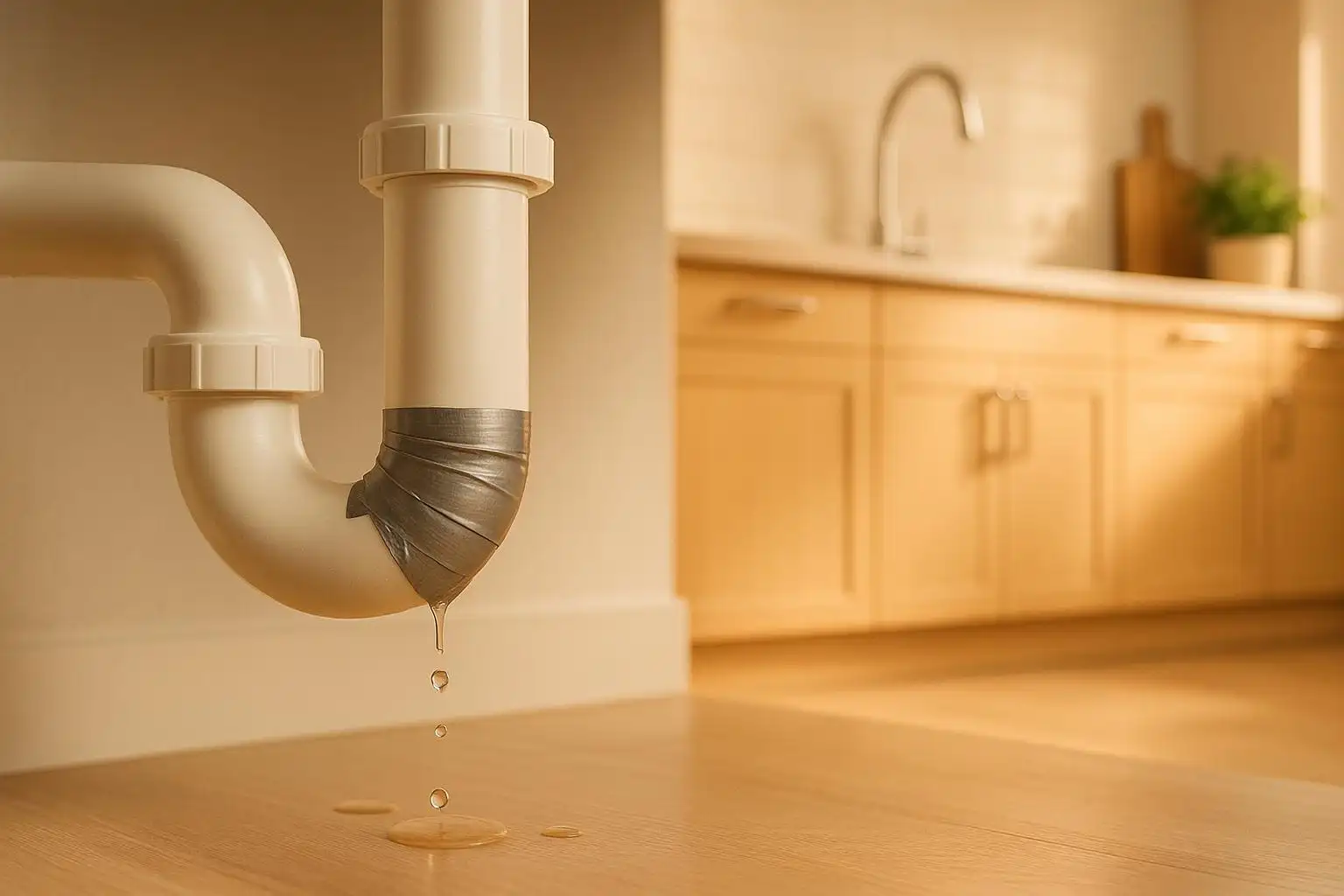
South Florida's vacation home and snowbird market is massive—and so is the risk of plumbing disasters when these properties sit empty for weeks or months. A small leak that would be caught immediately in an occupied home can cause tens of thousands of dollars in damage when no one's there to notice.
Here's what every vacation home owner needs to know:
- Water damage is the #1 insurance claim for unoccupied homes
- Small leaks become catastrophic when left undetected for weeks
- Florida's heat and humidity accelerate plumbing problems
- Smart leak detectors can alert you remotely before disaster strikes
- Simple preparation before you leave can prevent most issues
Whether you're a snowbird heading north for the summer or own a rental property you don't visit often, these steps will protect your investment. For professional pre-departure inspections, contact our leak detection services.
Why Vacant Homes Are at Higher Risk
Plumbing systems are designed for regular use. When a home sits empty, several things happen:
| Issue | What Happens | Result |
|---|---|---|
| P-traps dry out | Water in drain traps evaporates | Sewer gases enter home, pest entry |
| Water heater sediment | Sediment settles without circulation | Corrosion, premature failure |
| Stagnant water | Water sits in pipes for weeks | Bacterial growth, bad taste/odor |
| Undetected leaks | No one notices drips or moisture | Mold growth, structural damage |
| Humidity damage | No AC circulation in humid climate | Condensation on pipes, corrosion |
In South Florida's heat and humidity, these issues develop faster than in cooler, drier climates.
Pre-Departure Plumbing Checklist
1. Inspect for Existing Issues
Before leaving, walk through your home and check for problems that could worsen while you're away.
Under all sinks:
- Look for moisture, drips, or water stains
- Check supply line connections
- Inspect garbage disposal connections
- Feel for dampness in cabinet bottoms
Toilets:
- Listen for running water (faulty flapper)
- Check for moisture around the base
- Inspect supply line connections
Water heater:
- Look for rust or moisture at the base
- Check T&P relief valve for dripping
- Note the age (replace if over 10-12 years)
Washing machine:
- Inspect hoses for bulges, cracks, or wear
- Check connections at both ends
- Look for moisture behind the unit
Outdoor faucets:
- Check for drips or leaks
- Inspect hose connections
If you find any issues, address them before leaving or contact a professional. Our plumbing repair services can help identify and fix problems quickly.
2. Decide: Water On or Off?
This is the biggest decision for vacation home owners. Both approaches have pros and cons.
Turning Water OFF (Recommended for 30+ Days):
Advantages:
- Eliminates risk of supply-side leaks
- Maximum protection against water damage
- Peace of mind during extended absence
Disadvantages:
- Can't run water remotely for maintenance
- P-traps will dry out (need mineral oil)
- Fire sprinklers may be affected (check with fire dept)
Keeping Water ON:
Advantages:
- Property manager can run fixtures
- P-traps stay filled naturally
- Irrigation system stays functional
Disadvantages:
- Any leak can run for weeks
- Higher risk requires leak detection system
- Must trust all plumbing components
Our Recommendation: For absences over 30 days, turn off the main water supply. For shorter periods, keep water on but install smart leak detectors.
3. If Turning Water Off
Follow these steps to properly shut down your plumbing:
Step 1: Locate and close the main shut-off valve
- Usually near the water meter or where the line enters the house
- For help, see how to locate your main water shut-off valve
Step 2: Drain the system
- Open the lowest faucet in the house
- Open the highest faucet to allow air in
- Flush all toilets
- Run the dishwasher and washing machine briefly (empty)
Step 3: Turn off the water heater
- Electric: Turn off at the breaker
- Gas: Set to "Pilot" or "Vacation" mode
- Never leave a water heater on high when water is off
Step 4: Protect P-traps from drying out Add 2-3 tablespoons of mineral oil to each drain:
- All sinks (bathroom and kitchen)
- Bathtubs and showers
- Floor drains
- Washing machine drain
The oil floats on top of the water and prevents evaporation, keeping sewer gases out and pests from entering.
Step 5: Turn off water to individual appliances Even with the main off, close valves to:
- Washing machine
- Ice maker
- Dishwasher
4. If Keeping Water On
If you choose to leave water on (for property managers, short trips, or irrigation needs), take these precautions:
Install smart leak detectors at high-risk locations:
- Under kitchen sink
- Under bathroom sinks
- Near water heater
- Behind washing machine
- Near dishwasher
- At water main entry point
These devices connect to WiFi and alert you via smartphone if water is detected. Some can even automatically shut off water. Learn more about how moisture sensors detect hidden leaks.
Turn off water to high-risk appliances:
- Washing machine (hose failures are common)
- Ice maker (small lines prone to leaks)
Set your thermostat appropriately: Keep AC running (78-80°F is fine) to:
- Prevent humidity buildup
- Reduce condensation on pipes
- Protect against mold growth
Consider a smart water shut-off valve: Devices like Flo by Moen or Phyn can:
- Detect leaks by monitoring water flow patterns
- Automatically shut off water if a leak is detected
- Alert you via smartphone
- Provide water usage data
5. Water Heater Settings
Your water heater is one of the biggest risks in a vacant home. A failed tank can release 40-80 gallons of water.
For absences under 2 weeks:
- Lower the thermostat to "Vacation" mode (or about 50°F)
- This saves energy while preventing bacterial growth
For absences over 2 weeks:
- Turn off electric water heaters at the breaker
- Set gas water heaters to "Pilot" only
- Do NOT drain the tank (protects against sediment)
Before returning:
- Turn the water heater back on before you arrive (ask property manager)
- Allow 30-60 minutes to heat before using hot water
- Run hot water to flush any stagnant water
For water heater maintenance tips, see our water heater services.
What to Ask Your Property Manager
If you have a property manager or neighbor checking on your home, provide them with:
A Plumbing Information Sheet:
- Main water shut-off location (include a photo)
- Water heater location and type (gas/electric)
- Your plumber's contact info (Hernandez Plumbing: 305-428-3782)
- What to check during visits:
- Walk through for water on floors
- Check under sinks for moisture
- Look for water stains on ceilings
- Listen for running water
- Flush toilets and run faucets briefly
- When to call you vs. when to act
- Insurance information for emergencies
Recommended Check Frequency:
| Absence Length | Check Frequency | Key Tasks |
|---|---|---|
| 1-2 weeks | Once | Visual inspection, run faucets |
| 2-4 weeks | Weekly | Above + flush toilets, check appliances |
| 1-3 months | Weekly | Above + run dishwasher/washer briefly |
| 3+ months | Weekly + monthly pro check | Professional inspection recommended |
Returning Home: Startup Checklist
When you return after an extended absence, don't just turn everything on at once.
If Water Was Off:
Step 1: Visual inspection
- Walk through the entire home
- Look for any signs of water damage
- Check under sinks and around water heater
Step 2: Slowly turn on main water
- Open the valve gradually (about 1/4 turn)
- Listen for unusual sounds
- Check for leaks at all visible connections
Step 3: Flush the system
- Open all faucets and let water run for 2-3 minutes
- Flush each toilet twice
- This clears stagnant water from pipes
Step 4: Restore water heater
- Turn on power/gas
- Wait 30-60 minutes before using hot water
- Check for leaks around the unit
Step 5: Test appliances
- Run washing machine (empty, short cycle)
- Run dishwasher (empty, short cycle)
- Check ice maker operation
If Water Was On:
- Check leak detector alerts/history
- Walk through for any signs of leaks
- Run faucets to flush any stagnant water
- Check water heater operation
Common Issues in Vacant Homes
Even with preparation, some problems develop in empty properties:
Dried P-Traps
Problem: Sewer gas odors when you return
Solution: Run water in all drains for 30 seconds. If smell persists, the trap may be damaged.
Stagnant Water Taste/Odor
Problem: Water tastes or smells "off"
Solution: Run all faucets for 3-5 minutes. If problem persists after flushing, you may need professional line cleaning.
Water Heater Won't Restart
Problem: No hot water after restarting
Possible causes:
- Pilot light needs relighting (gas)
- Breaker tripped (electric)
- Sediment buildup from sitting
- Heating element failure
If troubleshooting doesn't work, contact us for water heater service.
Mysterious Water Stains
Problem: Water damage discovered upon return
Immediate steps:
- Document with photos
- Identify and stop the source if still active
- Contact insurance company
- Contact a plumber for assessment
For hidden leak sources, professional leak detection can find the origin without unnecessary demolition.
Smart Home Solutions for Vacation Properties
Technology has made it much easier to protect vacant homes:
| Device Type | What It Does | Approximate Cost |
|---|---|---|
| WiFi Leak Sensors | Alerts when water detected | $30-50 each |
| Smart Water Shut-off | Detects leaks, shuts off water | $400-600 |
| Smart Thermostat | Maintains climate, alerts to problems | $150-300 |
| Security Camera | Visual monitoring of key areas | $100-200 |
| Humidity Sensor | Alerts to unusual moisture levels | $30-50 |
Recommended setup for vacation homes:
- Smart water shut-off at main line
- Leak sensors at 4-6 high-risk locations
- Smart thermostat with alerts
- Camera coverage of utility areas
These investments can pay for themselves with a single prevented disaster.
Cost of Water Damage in Vacant Homes
Understanding the stakes helps justify prevention efforts:
| Scenario | Typical Damage Cost | Prevention Cost |
|---|---|---|
| Washing machine hose failure | $15,000-50,000+ | $20 (new hoses) |
| Water heater tank rupture | $10,000-30,000 | $200/year (maintenance) |
| Slow toilet leak | $5,000-15,000 | $50 (new flapper/parts) |
| Supply line failure under sink | $8,000-25,000 | $30 (smart sensor) |
| Undetected slab leak | $20,000-50,000+ | $400 (pro inspection) |
Insurance note: Many policies limit coverage for vacant homes or require special endorsements. Check your policy and consider adding vacancy coverage if you'll be away more than 30-60 days.
FAQs
How long can I leave my South Florida home vacant without plumbing problems?
Most homes can safely sit for 2-4 weeks with basic preparation (lowering water heater, having someone check periodically). Beyond 30 days, you should either turn off the main water supply or install smart leak detection. The biggest risks are supply line failures and slow leaks that go undetected—both of which become more likely the longer a home sits empty.
Should I turn off my water heater when leaving for a month?
Yes. For absences of two weeks or more, turn off electric water heaters at the breaker or set gas units to "Pilot" mode. This eliminates the risk of a tank failure flooding your home while saving energy. Don't drain the tank, as the stored water helps prevent sediment issues. Just remember to turn it back on 30-60 minutes before you need hot water when you return.
Will my pipes freeze in South Florida if I leave the AC off?
Pipe freezing is extremely rare in South Florida, but that's not why you should keep the AC on. Running the AC (even at 78-80°F) controls humidity, which prevents condensation on pipes, mold growth, and moisture damage throughout your home. The electricity cost is minimal compared to the damage humidity can cause.
How do I find a plumber to do a pre-departure inspection?
Contact a licensed plumber at least a week before you leave. A good pre-departure inspection includes checking all supply connections, inspecting the water heater, testing shut-off valves, and identifying any existing issues. At Hernandez Plumbing, we offer vacation home inspections specifically designed for snowbirds and second-home owners, with detailed reports you can share with property managers.
Vacation Home Services by Location
Our team serves vacation properties throughout South Florida:
Need Professional Help?
Our licensed plumbers are ready to help with your leak detection needs.