How to Prepare Your Miami Home's Plumbing for Hurricane Season
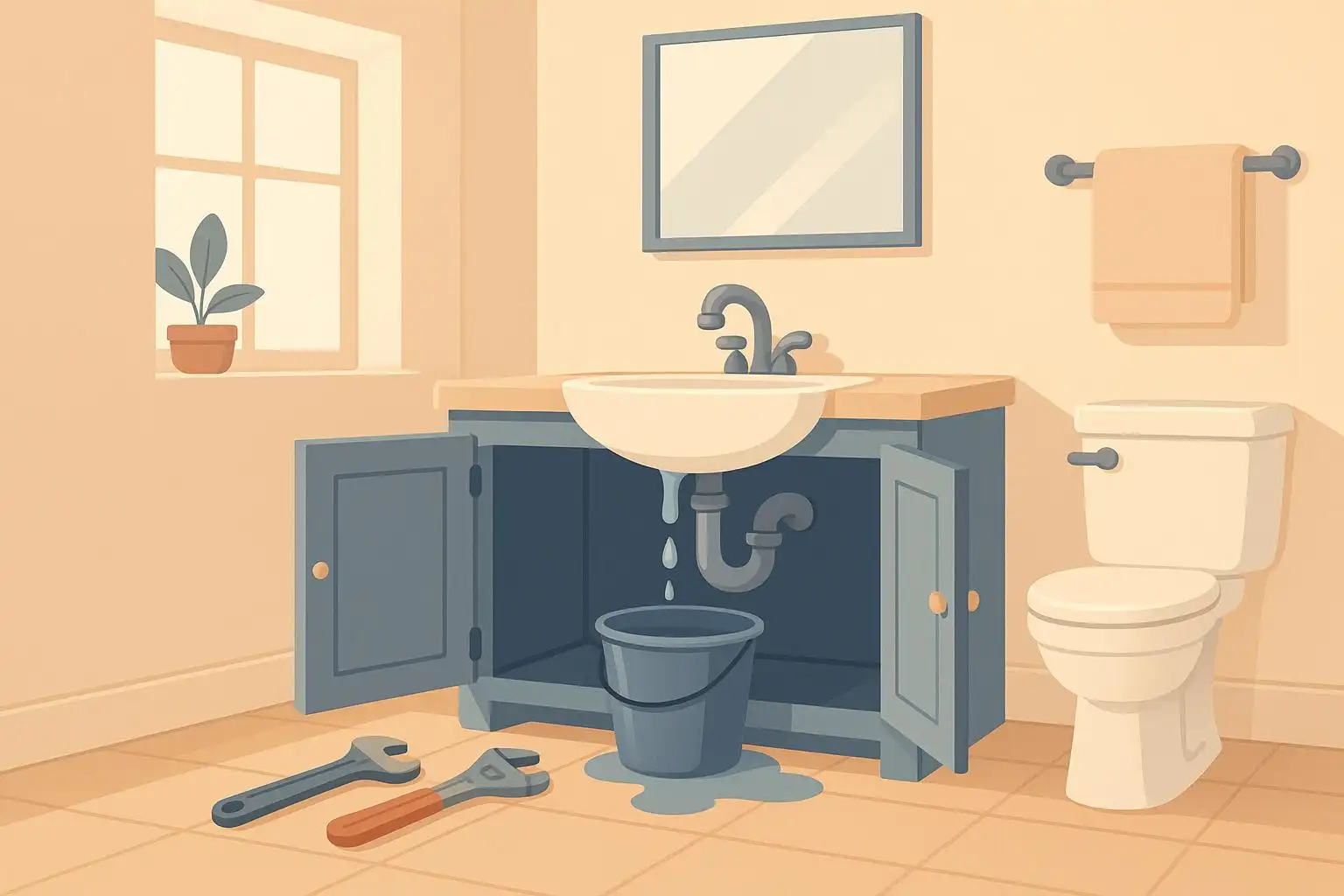
Miami's hurricane season runs from June through November, bringing powerful storms that can devastate home plumbing systems. Proper preparation can mean the difference between minor inconvenience and thousands of dollars in water damage. Here's your complete guide to protecting your plumbing:
- Know your shut-off valves: Locate and test your main water shut-off before storm season begins.
- Secure your water heater: Strap tank units to prevent tipping and turn off gas/electric before evacuation.
- Protect outdoor plumbing: Disconnect hoses, cover exposed pipes, and shut off irrigation systems.
- Stock emergency supplies: Keep pipe repair tape, buckets, and basic tools accessible.
- Plan for post-storm inspection: Know what to check before turning water back on.
Taking these steps now can save you from emergency repairs when professional help may be scarce. For immediate assistance, our 24/7 emergency plumbing services are available throughout hurricane season.
Why Hurricane Season Is Hard on Miami Plumbing
Miami faces unique challenges during hurricane season. The combination of storm surge, flooding, high winds, and power outages creates multiple threats to your plumbing system.
| Threat | How It Damages Plumbing | Prevention |
|---|---|---|
| Storm Surge & Flooding | Contaminates water supply, damages underground pipes | Install backflow preventers |
| High Winds | Damages exposed pipes, loosens fittings | Secure outdoor fixtures |
| Power Outages | Disables well pumps and water heaters | Know manual overrides |
| Debris Impact | Breaks outdoor faucets and irrigation | Cover or remove exposed components |
| Ground Saturation | Shifts soil, stresses underground pipes | Ensure proper drainage |
Understanding these risks helps you prioritize your preparation efforts.
Pre-Hurricane Plumbing Checklist
1. Locate and Test All Shut-Off Valves
Before hurricane season arrives, familiarize yourself with every shut-off valve in your home. For detailed instructions, see our guide on how to locate your main water shut-off valve.
Main water shut-off: Usually located where the water line enters your home, often near the front foundation wall or close to your water meter.
Individual fixture shut-offs: Found under sinks, behind toilets, and near appliances.
Test each valve by turning it off and on to ensure it operates smoothly. Valves that haven't been used in years can seize up—better to discover this now than during a storm.
2. Secure Your Water Heater
Tank water heaters are particularly vulnerable during hurricanes. A 50-gallon tank weighs over 400 pounds when full—if it tips, it can cause serious damage and flooding.
For tank water heaters:
- Install earthquake straps if not already present (required by Florida building code)
- Ensure straps are secured to wall studs, not just drywall
- Check that the T&P relief valve drains to an appropriate location
- Consider elevating the unit if you're in a flood-prone area
Before evacuating:
- Turn the thermostat to "Pilot" or "Vacation" mode for gas units
- Switch electric water heaters to the "Off" position at the breaker
- Do NOT drain the tank—the stored water can be valuable after the storm
3. Protect Outdoor Plumbing
Miami homes often have extensive outdoor plumbing that's exposed to hurricane damage.
Hose bibs and outdoor faucets:
- Disconnect all garden hoses
- Turn off the water supply to outdoor faucets if possible
- Cover exposed faucets with insulated covers or towels secured with tape
Irrigation systems:
- Shut off the irrigation system at the controller and main valve
- Drain exposed irrigation lines if possible
- Cap any exposed sprinkler heads
Pool equipment:
- Turn off pool pumps and heaters
- If flooding is expected, do NOT drain the pool—a full pool is less likely to "pop" out of the ground
- Secure or store loose pool equipment
4. Check Your Sewer System
Heavy rains during hurricanes can overwhelm sewer systems, causing backups into your home.
Install a backflow preventer on your main sewer line if you don't already have one. This one-way valve prevents sewage from flowing back into your home during flooding.
Clear your drains before the storm. A slow drain during normal use becomes a serious problem during heavy rainfall. Consider professional drain cleaning if you've noticed any sluggish drains.
5. Document Your Plumbing System
Take photos and videos of your plumbing system before hurricane season:
- Water heater condition and installation
- Exposed pipes in garage, basement, or crawl space
- Outdoor plumbing fixtures
- Shut-off valve locations
This documentation is invaluable for insurance claims if damage occurs.
During the Hurricane
If you're sheltering in place, keep these plumbing tips in mind:
If flooding begins:
- Shut off the main water supply immediately
- Turn off the water heater
- Avoid using any drains—sewage may back up
If you lose power:
- Your well pump (if applicable) won't work
- Water pressure may drop significantly
- Use stored water sparingly
Never attempt plumbing repairs during the storm. Focus on safety and damage mitigation only.
Post-Hurricane Plumbing Inspection
After the storm passes, don't immediately turn your water back on. A thorough inspection can prevent additional damage.
Step 1: Visual Exterior Inspection
Walk around your property and check for:
- Visible damage to outdoor faucets and irrigation
- Standing water near the foundation
- Exposed or damaged pipes
- Sewage odors indicating possible backup
Step 2: Check for Contamination
If your area experienced flooding, your water supply may be contaminated.
Signs of contamination:
- Discolored water
- Unusual odors
- Debris in faucet aerators
- Official boil water notices from Miami-Dade Water and Sewer
Step 3: Inspect Indoor Plumbing
Before turning water back on:
- Check visible pipes for cracks or damage
- Look for water stains on walls and ceilings
- Inspect under sinks and around the water heater
- Check toilet tanks and bowls for cracks
Step 4: Slowly Restore Water Service
- Turn the main valve on slowly—about one-quarter turn
- Listen for unusual sounds (hissing, rushing water)
- Check each fixture for leaks
- Run water until it's clear before using
- Flush toilets and run all drains
Step 5: Restart Your Water Heater
For gas water heaters:
- Check for gas odors before relighting
- Follow manufacturer instructions to relight pilot
- Wait for water to heat before heavy use
For electric water heaters:
- Ensure the tank is full before turning power on
- Reset the breaker
- Wait 30-60 minutes before testing hot water
When to Call a Professional
Some post-hurricane plumbing issues require professional attention. Contact Hernandez Plumbing if you notice:
- Persistent low water pressure throughout the house
- Sewage backup or strong sewer odors
- Visible pipe damage or active leaks
- Discolored water that doesn't clear after flushing
- Water heater that won't restart properly
- Flooding in areas with electrical connections
Our team offers 24/7 emergency service during and after hurricanes, with upfront pricing and licensed technicians who understand Miami's unique plumbing challenges.
Hurricane Plumbing Supply Checklist
Keep these items readily accessible before hurricane season:
| Item | Purpose | Quantity |
|---|---|---|
| 5-gallon buckets | Catch leaks, store water | 3-5 |
| Pipe repair tape | Temporary leak fixes | 2 rolls |
| Adjustable wrench | Shut-off valves, repairs | 1 |
| Duct tape | Securing, temporary seals | 2 rolls |
| Heavy-duty rags/towels | Water cleanup | 10+ |
| Flashlight with batteries | Inspections in dark areas | 2 |
| Rubber gloves | Handling contaminated water | 2 pairs |
| Epoxy putty | Patching small holes | 1 tube |
| Photos of plumbing system | Insurance documentation | Digital backup |
Cost of Hurricane Plumbing Damage
Understanding potential costs helps prioritize prevention:
| Damage Type | Typical Repair Cost | Prevention Cost |
|---|---|---|
| Water heater replacement | $1,500–$3,500 | $50–$100 (straps) |
| Sewer line repair | $3,000–$10,000 | $150–$500 (backflow preventer) |
| Water damage restoration | $2,500–$7,500 | Time for preparation |
| Pipe repairs | $200–$2,000 | $20–$50 (supplies) |
| Well pump replacement | $1,000–$3,000 | Proper shutdown procedures |
Investing a few hours and minimal expense in preparation can save thousands in repairs.
FAQs
Should I shut off my water before evacuating for a hurricane?
Yes, shutting off your main water supply before evacuating is strongly recommended. If a pipe breaks while you're away, an open water supply can cause catastrophic flooding. Turn off the main valve, set your water heater to pilot/vacation mode, and drain toilets by flushing after the water is off. This simple step can prevent thousands of dollars in water damage.
Can I use my plumbing during a hurricane if I'm sheltering in place?
If there's no flooding and you still have water pressure, you can use plumbing carefully. However, avoid using drains during heavy flooding—storm surges can overwhelm sewer systems and cause backups. If you notice any gurgling sounds from drains or sewage odors, stop using all fixtures immediately and shut off the main water supply.
How long after a hurricane should I wait to turn the water back on?
Wait until you've completed a visual inspection of your plumbing system, typically a few hours after the storm passes and it's safe to move around your property. Check for visible damage to pipes, foundation issues, and any boil water notices from local authorities. If you notice any damage or your area experienced flooding, contact a professional before restoring water service.
Does homeowners insurance cover hurricane plumbing damage?
Most homeowners insurance policies cover sudden and accidental water damage from burst pipes during a hurricane. However, flood damage typically requires separate flood insurance through FEMA's National Flood Insurance Program. Document all damage with photos and videos, and contact your insurance company as soon as possible after the storm. For more details, see our article on insurance coverage for plumbing repairs.
Emergency Plumbing by Location
Need hurricane preparation assistance or post-storm repairs? Our emergency plumbing services cover:
Need Professional Help?
Our licensed plumbers are ready to help with your emergency plumbing needs.