How to Maintain Plumbing for Better Water Use
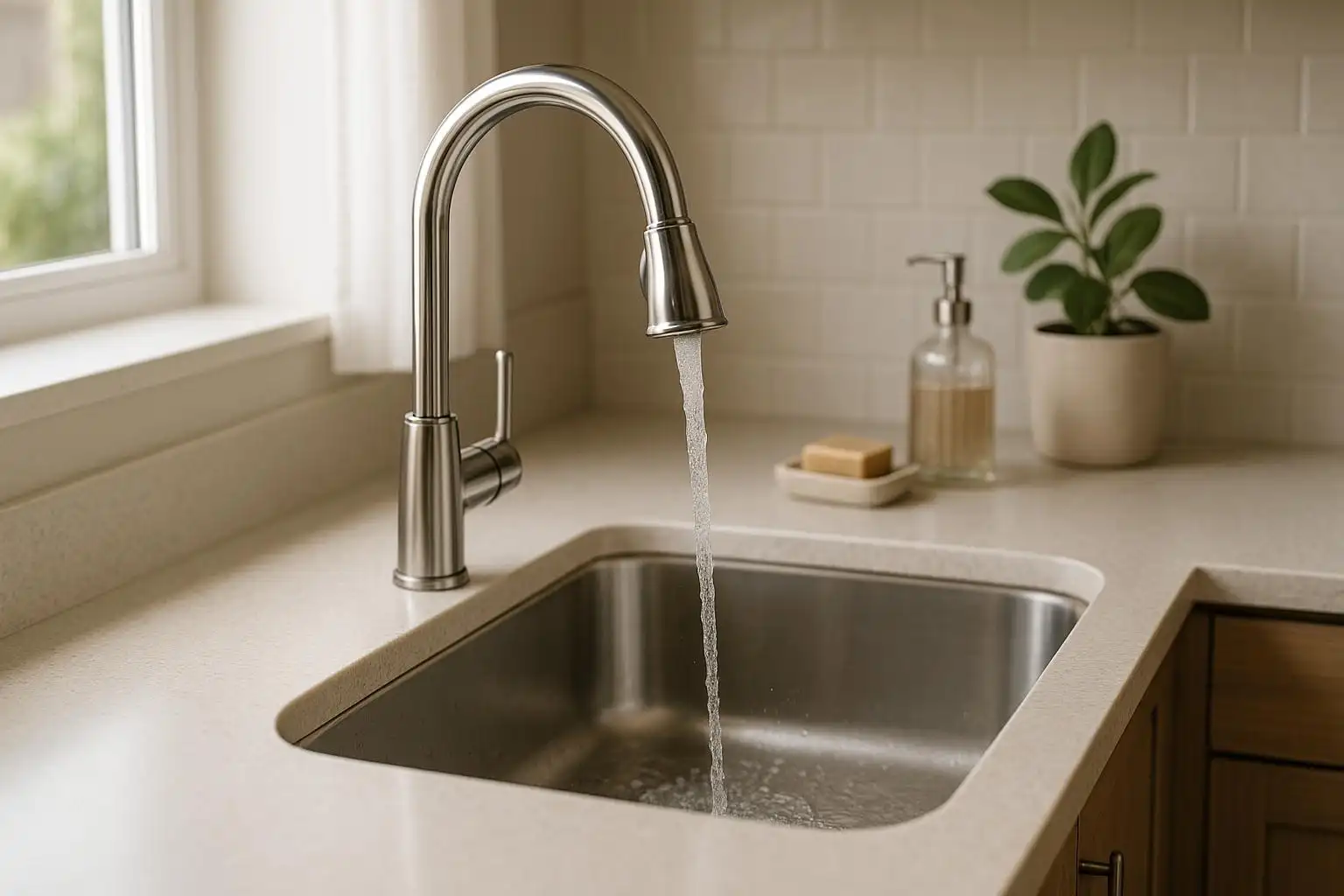
Leaking pipes, dripping faucets, and running toilets waste thousands of gallons of water annually – up to 10,000 gallons per household. This impacts your wallet and water resources. The solution? Regular plumbing maintenance. Professional leak detection services can help identify hidden issues before they become costly problems.
Here’s what you need to know:
- How Leaks Increase Water Bills Over Time: Inspect sinks, toilets, and exposed pipes for drips or stains. Use your water meter to detect hidden leaks.
- Monitor water pressure: Keep it between 40–60 PSI to prevent pipe strain. Test with a pressure gauge.
- Clear drains: Use hot water, baking soda, and vinegar to prevent clogs. Avoid chemical cleaners.
- Maintain water heaters: Flush tank heaters yearly and descale tankless ones as recommended.
- Inspect toilets: Test for leaks with food coloring and adjust components to prevent running water.
Set up a Plumbing Maintenance Checklist For Emergencies to stay ahead of issues. For complex problems like sewer line backups or hidden leaks, call a licensed plumber. Regular care not only saves water but also reduces repair costs and ensures your plumbing system works efficiently for years.
5 Great Tips On Preventative Plumbing Maintenance For Your House
Main Plumbing Maintenance Tasks for Better Water Use
To cut down on water waste and keep your plumbing running smoothly, focus on these essential maintenance tasks. Whether you’re managing a home or a commercial property, these steps are key to maintaining an efficient system.
Check for Leaks and Drips
Start by inspecting areas prone to leaks, like sink connections, for signs such as water stains, mineral buildup, or dampness. Even a minor drip can waste a surprising amount of water over time.
For toilets, check the base for signs of a failing wax ring by pressing down on the toilet. If it rocks or feels unstable, the seal might need replacing.
Look for hidden leaks in walls and ceilings, which often show up as water stains or peeling paint. A sudden spike in your water bill can also signal a problem. Check exposed pipes in basements or crawl spaces for moisture or corrosion.
To confirm if you have a hidden leak, turn off all water-using appliances and monitor your water meter. If it moves after 30 minutes, you’ve likely got a leak. While you’re at it, test your water pressure to ensure your pipes aren’t under unnecessary stress.
Monitor Water Pressure Levels
Water pressure should ideally fall between 40 and 60 PSI. Use a pressure gauge on an outdoor spigot or washing machine hose to check. If the pressure exceeds 80 PSI, it can strain your pipes, while low pressure might point to blockages or buildup.
Test pressure at multiple points in your property. Big differences between floors or areas could indicate localized issues with supply lines or fixtures. Regularly cleaning aerators with vinegar can also help maintain consistent pressure by removing mineral deposits.
Once leaks and pressure are under control, it’s time to focus on keeping your drains clear.
Clean and Clear Drains Regularly
Kitchen drains deal with grease, food particles, and soap residue daily. Flush them weekly with hot water and clean monthly using a mix of baking soda and vinegar. Bathroom drains, which often collect hair and soap scum, should have visible hair removed weekly, with pop-up stoppers cleaned every month.
Avoid relying on chemical drain cleaners, as they can damage older pipes and don’t address underlying clogs. For stubborn blockages, a drain snake or auger – costing around $15–25 – can effectively clear most household clogs.
Pay attention to warning signs like slow drainage, gurgling sounds, or water backing up. Addressing these early can prevent more serious blockages.
Maintain Water Heaters
If you have a tank-style water heater, flush it annually to remove sediment buildup. Check the temperature setting – it should be around 120°F for efficiency and safety. Temperatures higher than this can waste energy and pose a scalding risk, while lower settings might not provide enough hot water or could allow bacteria to grow.
For tankless water heaters, descaling is essential in areas with hard water. Follow the manufacturer’s cleaning recommendations, usually every 1–2 years based on water quality and usage. Don’t forget to inspect the anode rod in tank-style heaters every 3–4 years to prevent corrosion.
Check Toilets and Fixtures
To test for toilet leaks, add food coloring to the tank. If the color appears in the bowl without flushing, the flapper needs replacing. Make sure the chain connecting the flush handle to the flapper has just the right tension – not too loose (causing incomplete flushes) or too tight (preventing the flapper from sealing).
Adjust the float or fill valve if the toilet runs constantly. The water level in the tank should sit about an inch below the rim; if it’s higher, water will flow into the overflow tube, wasting water continuously.
Don’t overlook dripping faucets. A single dripping faucet can waste over 3,000 gallons of water each year. Most repairs, like replacing washers or O-rings, require only basic tools and cost less than $5 in parts.
How to Create a Plumbing Maintenance Schedule
Setting up a structured plumbing maintenance schedule can save you money and headaches by avoiding unnecessary repairs and water waste. It ensures you stay on top of routine tasks and keep your plumbing system running smoothly.
Start by listing all your plumbing components and gathering important details about them, like manufacturer recommendations, age, and model numbers. This information helps you prioritize and plan out maintenance tasks effectively.
Maintenance Timing Guidelines
Divide your maintenance tasks into daily, weekly, monthly, and yearly categories based on how often each component needs attention.
- Daily tasks: These are quick visual checks. Look for leaks under sinks, listen for running toilets, and pay attention to any changes in water pressure during your daily activities. These small observations can help you catch problems early.
- Weekly tasks: Focus on simple upkeep like removing hair from bathroom drains and running hot water through kitchen drains to clear grease buildup. Test your garbage disposal with cold water, and make sure all faucets are functioning properly.
- Monthly tasks: These require a bit more time but can prevent bigger issues down the line. Clean faucet aerators using vinegar to remove mineral deposits, check visible pipes for signs of moisture or corrosion, and test water pressure at various locations. It’s also a good time to clean pop-up stoppers in sinks and inspect toilet components for proper operation.
- Annual tasks: Address the bigger systems once a year. Flush your water heater to clear sediment buildup, inspect the anode rod if you have a tank-style heater, and arrange for a professional inspection of your main water line if your home is older. Schedule professional drain cleaning for heavily used drains and consider testing your water quality.
Seasonal Plumbing Tasks
Some plumbing tasks are best handled seasonally to address the challenges that come with changing weather.
- Spring preparation: After winter, inspect pipes that were exposed to cold temperatures, and clean gutters and downspouts to avoid water backup issues. Spring is also a great time to schedule professional inspections before the summer rush.
- Summer maintenance: With increased water usage for gardening, pools, and frequent showers, keep an eye on water pressure and look for signs of system strain. Clean outdoor drains and check sprinkler systems for leaks or misaligned heads that could waste water.
- Fall winterization: Prepare your plumbing for freezing temperatures by disconnecting and draining garden hoses, shutting off outdoor water valves, and insulating exposed pipes. Service your water heater to ensure it’s ready for the cold months, and clear leaves and debris from outdoor drains to prevent ice dams.
- Winter monitoring: Check that your freeze-prevention measures are working. Open cabinet doors during extreme cold to let warm air reach pipes under sinks, and always know where your Ultimate Guide to Shut-Off Valve Inspections is in case of emergencies. Watch your water bill for unexpected spikes, which could indicate hidden leaks.
Keep a log of all completed tasks, noting the date, what you checked, and any issues you found. Whether you use a notebook or a smartphone app, consistency is key. These records can help you spot patterns, track when maintenance was last done, and provide valuable details if you need professional assistance.
Adjust your schedule as needed based on the age and performance of your plumbing system. Older systems may require more frequent maintenance, while newer ones might need less. Revisit your schedule every six months to ensure it aligns with your system’s needs and helps you 10 Ways to Reduce Your Water Bill in Miami or costly repairs.
When to Use Professional Plumbing Services
Routine maintenance is essential, but some plumbing problems go beyond what basic DIY efforts can handle. Persistent or hidden issues often require the expertise of a licensed plumber to avoid water waste, expensive damage, and inefficiencies in your system. Spotting these problems early can save you from bigger headaches down the road.
Signs You Need Professional Help
Hidden leaks are a common culprit behind wasted water and structural damage. If your water bill suddenly spikes without explanation, you notice damp spots on walls or ceilings, or hear water running when all faucets are off, you might be dealing with leaks inside walls or underground.
Water heater troubles, such as inconsistent temperatures, strange noises, or visible corrosion on the tank, are best left to professionals. Attempting DIY fixes could be dangerous and may even void your warranty. Similarly, a sudden drop in water pressure or persistent discoloration in your water could indicate problems with your main water line or internal pipe corrosion.
Sewer line issues demand immediate attention. If multiple drains in your home back up at the same time, you smell sewer gas indoors, or notice sewage pooling in your yard, it’s time to call in the experts. These situations often require specialized tools and skills. Aging pipes with significant damage also need prompt repair to prevent further water waste and property damage.
What Professional Plumbers Provide
Licensed plumbers bring advanced tools and expertise to the table, ensuring accurate diagnostics and effective repairs. Using equipment like fiberoptic cameras and pressure gauges, they can pinpoint hidden leaks, detect pipe corrosion, and address other hard-to-find issues.
They’re also equipped to handle complex installations and repairs that require permits and adherence to building codes. This includes installing water heaters, water filtration systems, water softeners, and even entire bathroom suites. Their skill in managing tasks like repairing broken pipes or fixing sewer lines ensures your home remains safe and efficient.
Emergency services and preventative maintenance are key benefits of hiring professionals. Burst pipes or a failing water heater can cause significant damage if not addressed quickly. Many plumbers, like Hernandez Plumbing in Miami, offer 24/7 emergency services to tackle urgent problems before they escalate. Beyond emergencies, they also provide valuable maintenance services, such as thorough drain cleaning, sewer line inspections with cameras, and testing backflow prevention devices to ensure your system stays in top shape.
Licensed plumbers also ensure all work complies with local codes, which is critical for protecting your investment and can be a major asset when selling your home or filing insurance claims. To improve FAQs About Low-Flow Plumbing Upgrades, they can recommend and install fixtures like low-flow toilets, efficient showerheads, and smart faucets that help conserve water without sacrificing performance. Their expertise is indispensable for diagnosing tricky issues, suggesting system upgrades, and maintaining both residential and commercial plumbing systems.
Keeping Records and Following Local Rules
Keeping thorough records and adhering to local plumbing regulations are essential for maintaining a reliable and safe plumbing system. Detailed documentation not only helps track the condition of your plumbing over time but also serves as proof that all work complies with safety standards. This protects your investment and ensures everything runs smoothly.
How to Document Maintenance Work
Creating and maintaining detailed logs is key to understanding your plumbing system’s health and history. Record the date, type of work done, who performed it, and any issues identified or resolved. Be sure to include routine tasks like drain cleaning along with major repairs, such as replacing pipes.
A plumbing system map is another valuable tool. It should outline pipe routes, shutoff valve locations, and water meters, making it easier to locate these components during inspections or emergencies. Additionally, keep receipts, invoices, and warranty details for all plumbing work. These documents confirm that quality materials were used and that licensed professionals handled the job.
Accurate records not only simplify maintenance tracking but also help ensure compliance with plumbing codes, which is crucial for avoiding future complications.
Meeting Local Plumbing Codes
Plumbing codes exist to safeguard public health and ensure that water systems operate efficiently and safely. These rules cover everything from the materials used to how systems are installed. In many cases, local codes are based on national standards like the International Plumbing Code (IPC) or Uniform Plumbing Code (UPC), but local governments often add adjustments to address specific regional needs. To know the exact requirements for your area, contact your city or county building department.
For significant projects such as installing a water heater, replacing sewer lines, or repiping, you’ll need to obtain permits from your local building department. This process ensures that inspectors can verify the work meets safety and quality standards.
It’s also essential to schedule inspections at critical stages of the project. For example, inspections should occur before pipes are covered (the rough-in stage) and after fixtures are installed (the final stage). These checks help catch problems early and confirm that everything is installed correctly.
Pay attention to material standards as well. Components should meet certifications like NSF 61 for drinking water pipes or NSF 14 for plastic piping parts to prevent contamination and ensure durability.
Follow all installation and testing protocols carefully. For instance, water supply pipes should undergo pressure testing at either their working pressure or a minimum of 50 psi for 15 minutes. Drainage systems require either a 5 psi air test or a water test with at least 10 feet of head pressure above the highest fixture.
Ignoring plumbing codes can lead to fines, project delays, insurance complications, and even issues when selling your property. Working with licensed professionals who understand local regulations ensures your system is up to code and that your records clearly demonstrate compliance.
Conclusion: Regular Maintenance for Long-Term Water Savings
Keeping up with regular maintenance isn’t just about preventing headaches; it’s about saving water and money in the long run. Simple tasks like checking for leaks, monitoring water pressure, and maintaining fixtures can stop waste before it starts and help lower your utility bills.
Beyond these basics, consistent care ensures your plumbing system runs smoothly for years. When you give attention to your water heater, pipes, and fixtures, they stay efficient and reliable, delaying expensive replacements. Plus, it’s a win for the environment – less waste means a smaller footprint.
The habits you build today – like inspecting for leaks or ensuring your drains and toilets are functioning properly – will have a lasting impact on your property’s water efficiency. Catching issues like running toilets early can prevent significant water loss and costly repairs down the road.
For those moments when routine checks aren’t enough, you can either tackle the problem yourself or call in licensed professionals. Start with simple monthly inspections and gradually develop a maintenance routine that works for you. For bigger jobs like leak detection, water line repairs, or full system evaluations, professional help can provide the expertise needed to keep things running smoothly.
If you’re in the Miami area and looking for reliable plumbing services, Hernandez Plumbing has you covered. Their team specializes in everything from leak detection to drain cleaning and water heater maintenance. They can help you create a maintenance plan and handle repairs quickly, ensuring your plumbing system stays in top shape.
A little regular attention to your plumbing can go a long way – cutting costs, reducing emergencies, and keeping your home or business running efficiently.
FAQs
How can I find hidden plumbing leaks at home on my own?
To detect hidden plumbing leaks on your own, start by examining your water meter. Make sure all faucets and water-using appliances are turned off, then check if the meter continues to move. If it does, there’s a good chance you have a leak somewhere. Another tip is to listen closely in quiet areas of your home – sounds like dripping or running water can be a giveaway.
You can also try a quick test with food coloring. Add a few drops to your toilet tank and wait. If the color shows up in the bowl without flushing, it’s a sign of a leak. Don’t forget to look at exposed pipes, as well as walls and ceilings, for any damp spots, stains, or mold. These are often telltale signs of water damage. Keeping an eye on these areas regularly can help you catch leaks early and save yourself from expensive repairs down the line.
What happens if I don’t maintain my water heater regularly?
Skipping routine maintenance on your water heater can cause a host of problems. Over time, sediment accumulates inside the tank, which can lead to corrosion, decreased efficiency, and higher energy costs. Ignoring maintenance might also cut the lifespan of your water heater short, leaving you with expensive repairs or even the need to replace the entire unit.
In worse scenarios, failing to maintain your water heater could result in leaks, rust, or even flooding – potentially causing significant property damage. By scheduling regular inspections and servicing, you can keep your water heater running smoothly and safely, helping you avoid surprises and save money in the long run.
When should I call a professional plumber instead of trying to fix the problem myself?
When dealing with plumbing issues that are beyond simple fixes, it’s time to call a professional plumber. Some clear signs you need expert help include persistent leaks in walls or ceilings, problems with your sewer or main drain, water heater troubles, mysterious water stains, gurgling drains, or unexpectedly high water bills.
Trying to tackle these problems on your own can often backfire, leading to bigger headaches and costlier repairs. Licensed plumbers come equipped with the right tools and the know-how to resolve these issues safely and effectively, sparing you the hassle, extra expenses, and stress.
Need Professional Help?
Our licensed plumbers are ready to help with your leak detection needs.