How to Extend the Lifespan of Your Hot Water Heater in Humid Environments
Introduction
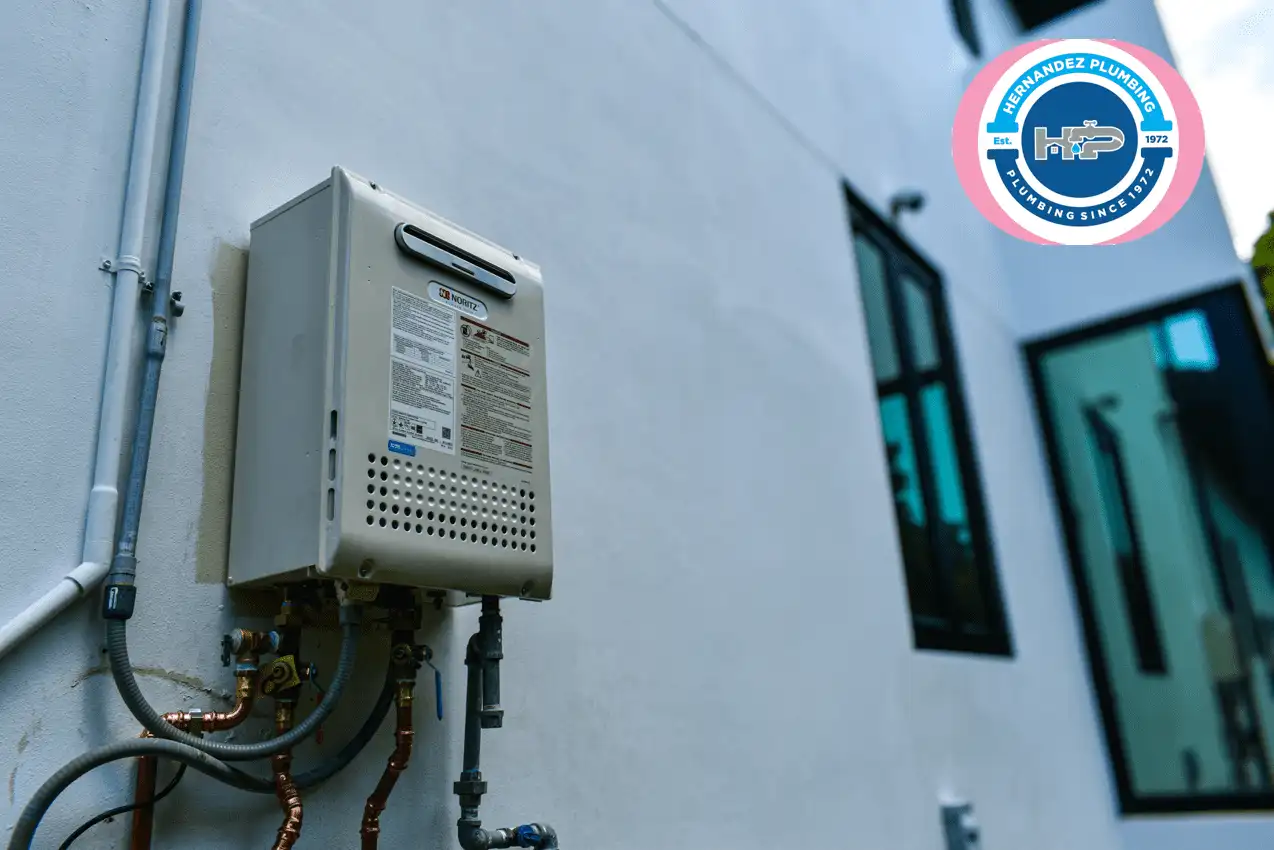
Your hot water heater faces unique challenges in humid environments. High moisture levels speed up corrosion. They reduce efficiency. They can cut years off your unit's lifespan.
Living in Miami means constant high humidity. This puts extra stress on your water heater.
Good news: You can protect your investment. With proper care and professional water heater maintenance services, your water heater can last for years.
Key facts:
- A well-maintained water heater can last 10-15 years
- Units in humid areas often fail 2-3 years earlier without proper care
- Regular maintenance saves thousands in replacement costs
We're certified plumbing pros with 50+ years of experience. We've seen how humidity affects water heaters. These strategies work for both tank and tankless systems.
How Humidity Affects Your Water Heater
High humidity creates problems for your water heater. Excess moisture acts as a catalyst for corrosion.
Condensation Formation
When warm, moist air meets cooler surfaces:
- Water droplets build up on pipes and tank
- This creates perfect conditions for rust
- Corrosion starts damaging your unit
Structural Damage
Moisture causes:
- Faster oxidation of metal parts
- Weakened tank walls
- Failing connection points
Reduced Efficiency
Humidity hurts performance:
- Unit works harder to heat water
- Damp insulation loses effectiveness
- Energy bills go up
Component Stress
Moisture damages critical parts:
- Electrical connections corrode
- Heating elements struggle
- Pressure relief valves wear out faster
In Miami's climate, these challenges happen daily. Protective coatings break down faster. Metal surfaces deteriorate quicker than in dry regions.
Essential Maintenance Tips for Humid Climates
Proper maintenance protects your water heater. Here's what you need to do:
1. Insulate Water Pipes
Pipe insulation is your first defense against humidity.
Benefits of insulation:
- Reduces heat loss
- Lowers energy bills
- Minimizes condensation
- Protects surrounding walls and floors
Foam sleeve installation:
- Measure pipe diameter
- Cut foam sleeves lengthwise
- Wrap around pipes securely
- Seal seams with tape
Heat tape application:
- Clean pipe surface
- Apply tape in spiral pattern
- Maintain consistent spacing
- Secure with approved fasteners
Pro tips:
- Use UV-resistant materials for outdoor pipes
- Double-check measurements before cutting
- Pay special attention to joints and corners
- Consider professional help for hard-to-reach areas
In extreme humidity, choose closed-cell foam insulation. It provides better moisture resistance.
2. Conduct Regular Maintenance Checks
Regular checks catch problems early. Create a consistent schedule.
Components to check:
Anode rod:
- Inspect every 6-12 months
- Replace when 6+ inches of core wire shows
- Consider magnesium rods for humid areas
Temperature and Pressure Relief Valve (T&P):
- Test monthly by lifting the lever
- Listen for water discharge
- Check for corrosion or mineral buildup
Tank exterior:
- Look for rust spots or water stains
- Check connections for leaks
- Inspect the base for moisture
Maintenance schedule:
| Frequency | Tasks |
|---|---|
| Monthly | Test T&P valve, visual inspection, listen for unusual sounds |
| Quarterly | Test water temperature, clean vents and filters, check electrical connections |
| Semi-annually | Anode rod inspection, pressure gauge check, tank cleaning |
Get professional inspections twice yearly for best results.
3. Flush the Tank Regularly
Humid environments speed up sediment buildup. This reduces efficiency by up to 50%.
Step-by-step flushing guide:
Turn off power:
- Electric heaters: Switch off at circuit breaker
- Gas heaters: Set to pilot mode
Prepare for draining:
- Connect garden hose to drain valve
- Direct hose to drainage area
- Turn off cold water supply
Drain and flush:
- Open drain valve
- Run hot water from nearby faucet
- Let tank drain completely
- Turn on cold water briefly to stir sediment
- Repeat until water runs clear
Restore system:
- Close drain valve
- Remove hose
- Turn on cold water
- Open hot faucets until water flows steady
- Restore power
Flush every 6 months in humid climates. Heavy buildup may need professional cleaning.
4. Monitor Water Pressure
Water pressure affects your heater's lifespan. The ideal range is 40-60 PSI.
Signs of high pressure (above 60 PSI):
- Banging pipes
- Leaking faucets
- Damaged components
- Premature heater failure
Signs of low pressure (below 40 PSI):
- Weak water flow
- Inconsistent heating
- Extended filling times
- Reduced efficiency
Pressure management tips:
- Install a pressure reducing valve if readings exceed 60 PSI
- Check for mineral buildup in pipes
- Inspect relief valve annually
- Document readings monthly
5. Watch for Warning Signs
Your water heater signals problems through performance changes. Catch them early.
Unusual sounds:
- Popping or cracking = sediment buildup
- Whistling = valve problems
- Rumbling = potential overheating
Temperature issues:
- Water takes longer to heat
- Temperatures fluctuate during use
- Hot water runs out faster
Visual changes:
- Rust-colored water
- Metallic taste or smell
- Moisture around the unit
- Corrosion on connections
Operational changes:
- Higher energy bills
- Pilot light goes out repeatedly
- Leaks around fittings
- Relief valve activates often
Call a professional when you notice any of these signs.
Installation Tips for Humid Environments
Proper installation location extends your heater's life.
Choosing the Right Location
Best indoor locations:
- Basements (natural temperature control)
- Utility rooms (controlled environment)
- Garages (if well-insulated and ventilated)
Installation requirements:
- 6-inch clearance from walls for airflow
- Level surface or raised platform
- Nearby drainage systems
- Position away from windows and exterior doors
Ventilation Matters
Good airflow reduces humidity problems:
- Install exhaust fans
- Create cross-ventilation when possible
- Use dehumidifiers in enclosed spaces
- Keep air vents clear
Protection Measures
Add these safeguards:
- Moisture barriers on nearby walls
- Anti-corrosion coating on exposed metal
- Drain pan under the unit
- Waterproof sealant around pipe connections
A sheltered location protects against:
- Direct humid air exposure
- Temperature swings
- Water damage from flooding
- Accelerated corrosion
- Premature component failure
FAQs
How does humidity impact water heater lifespan?
Humidity increases corrosion. This shortens the unit's life. The moisture in the air speeds up deterioration. Proper maintenance is essential in humid climates.
What are the most important maintenance tasks?
Focus on:
- Insulating pipes
- Conducting regular checks
- Flushing the tank every 6 months
- Monitoring water pressure
- Watching for warning signs
Why is pipe insulation important?
Insulation reduces heat loss and prevents condensation. Foam sleeves and heat tape are effective options. This keeps your system efficient and prevents moisture damage.
How often should I check my water heater?
Establish a regular schedule:
- Monthly visual inspections
- Quarterly detailed checks
- Semi-annual professional inspections
Where should I install a water heater in humid areas?
Install in sheltered areas like basements or utility rooms. These locations protect the unit from extreme weather and high humidity. This helps extend its lifespan.
Need Professional Help?
Our licensed plumbers are ready to help with your water heater services needs.