How to Choose a Certified Backflow Testing Professional
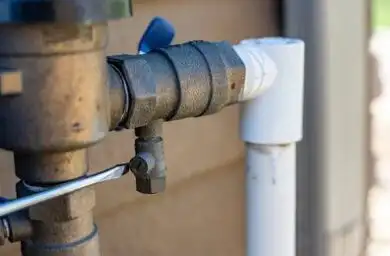
Introduction
Backflow is when water flows backward in your plumbing system. This can introduce contaminants into your clean water supply. It poses serious health risks, including exposure to bacteria and chemicals.
Hiring a certified backflow testing professional protects your water supply. These experts have the training to ensure backflow prevention devices work correctly. They safeguard your household or business from potential hazards.
This article covers:
- What backflow is and its risks
- The role of certified professionals
- Key factors for choosing the right expert
Understanding Backflow and Its Risks
Backflow happens when water reverses direction in your plumbing. This occurs when pressure drops in water supply lines. Common causes include water main breaks or heavy water usage nearby.
Health Hazards from Backflow
Contaminated water can introduce harmful substances into your drinking supply:
- Bacteria and viruses: Pathogens like E. coli can cause dysentery, gastroenteritis, and hepatitis
- Chemical contaminants: Industrial chemicals or pesticides can lead to chronic health issues
Plumbing Damage
Backflow also harms your plumbing:
- Puts stress on fixtures, valves, and pipes
- Can cause leaks or bursts
- Leads to costly repairs and replacements
Financial Impact
Backflow incidents often require:
- Equipment replacement
- System flushing
- Professional intervention
Regular Backflow Testing catches problems early. This protects your health and reduces long-term costs.
The Role of a Certified Backflow Testing Professional
A certified tester keeps your water supply safe. Certification ensures they have the skills to identify and fix problems.
Key Responsibilities
Certified professionals:
- Conduct thorough plumbing inspections for backflow signs
- Perform routine tests on Backflow Testing devices
- Diagnose and address system malfunctions
- Collaborate with local authorities on regulatory compliance
Their work prevents contamination. It also protects entire neighborhoods from waterborne hazards.
Key Factors When Choosing a Professional
Certification and Licensing
Valid credentials are essential. They confirm expertise and compliance with regulations.
Steps to verify:
- Check certification with local authorities
- Look for state-level certifications
- Confirm any local licensing requirements
A certified expert ensures effective water management. They provide peace of mind that your supply stays uncontaminated.
Experience and Expertise
Experience matters in backflow testing. Choose someone with significant hands-on experience.
Experienced professionals can:
- Spot complex issues others might miss
- Provide tailored solutions
- Implement best practices for safety
Look for state certification and local authority licensing. These show commitment to high standards.
Compliance with Local Regulations
Each area has its own rules. Your chosen professional must know local regulations well.
Key areas to verify:
- Knowledge of municipal standards
- Familiarity with regional requirements
- Understanding of approved devices and testing procedures
Testing Process
Understanding the testing process helps you evaluate professionals:
Standard steps include:
- Initial assessment: Inspect devices for wear or damage
- Testing methods: Use pressure differential gauges and specialized tools
- Calibration: Ensure all equipment is accurate and well-maintained
Proper equipment and methods align with industry standards and licensing requirements.
Reporting Requirements
A good test report is crucial for compliance. It should include:
- Detailed test results: Device condition and any concerns
- Recommendations: Needed repairs or maintenance
- Certification details: Professional's credentials and licensing info
Some areas require timely report submission to local authorities. Choose a professional who handles this efficiently.
Maintenance Services
Regular maintenance keeps backflow devices working properly.
Benefits of professional maintenance:
- Accurate and timely testing
- Consistent monitoring and updates
- Peace of mind about water safety
Consider ongoing maintenance when choosing your professional.
Customer Reviews and References
Reviews provide insight into service quality:
- Check online reviews from past clients
- Ask for references
- Look for recurring themes in feedback
Positive reviews indicate the professional meets standards. Negative reviews may reveal red flags.
Cost Estimates and Budgeting
Get multiple quotes to compare prices. Balance quality with budget:
- Multiple quotes: Gather estimates from several professionals
- Quality vs. cost: Cheaper isn't always better
- Credential check: Verify qualifications match state and local requirements
Conclusion
Protecting your water supply requires the right professional. When choosing a backflow testing expert, consider:
- Certification and experience
- Knowledge of local regulations
- Quality of testing and reporting
- Maintenance services offered
Following these guidelines helps you make an informed choice. A qualified expert keeps your water safe and your community healthy.
Ready to protect your water supply? Choose a certified professional who offers complete services—from regular maintenance to emergency support. Your diligence today prevents problems tomorrow.
Need Professional Help?
Our licensed plumbers are ready to help with your backflow testing needs.