How to Avoid Tankless Water Heater Installation Mistakes
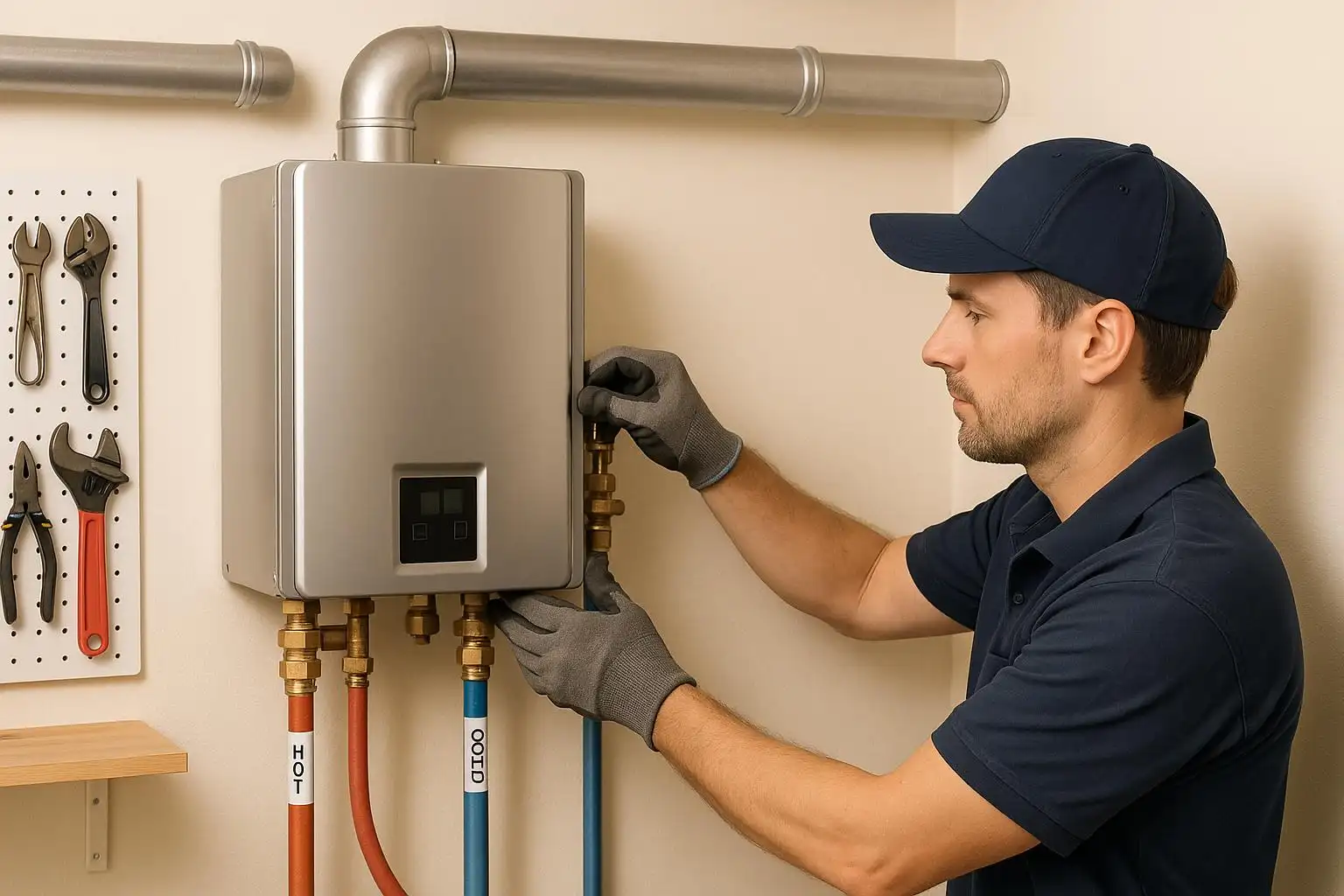
Installing a tankless water heater can save space, improve efficiency, and provide on-demand hot water. However, improper installation can lead to costly repairs, safety hazards, and performance issues. Here’s what you need to know to avoid common mistakes:
- Choose the Right Size: Ensure the unit matches your household’s peak hot water demand and temperature rise needs. Oversized or undersized units can waste energy or fail to meet demand.
- Check Gas Line Capacity: Tankless systems often require higher BTU ratings. Undersized gas lines can cause ignition failures or system shutdowns.
- Install Proper Venting: For gas-powered models, ensure safe exhaust venting to prevent carbon monoxide buildup.
- Follow Local Codes: In Miami, installations must meet plumbing, electrical, and hurricane safety standards. Permits and inspections are often required.
- Pick the Correct Location: Avoid cramped indoor spaces or exposed outdoor areas prone to flooding or salt air damage.
Professional installation is highly recommended to ensure safety, compliance, and optimal performance. Licensed plumbers can handle permits, inspections, and technical requirements, saving you time and potential headaches.
7 Mistakes When Installing an On Demand Water Heater (tankless water heater)
Tankless Water Heater Installation Requirements
Before installing a tankless water heater, make sure your home’s infrastructure is up to the task. Unlike traditional water heaters that store hot water, tankless systems heat water on demand, which means they have specific requirements for water flow, power supply, and ventilation. You’ll also need to ensure your setup complies with Miami’s local codes.
Evaluate Your Home’s Water and Power Specifications
Your home’s water and power systems play a crucial role in selecting the right tankless unit. Start by determining your household’s water flow needs – consider how many showers, dishwashers, or faucets might run at the same time. Then, check whether your natural gas line can handle the unit’s requirements. Similarly, your electrical system may need dedicated circuits to support the heater. If your system falls short, you might need to upgrade your electrical panel.
Additionally, if your water has a high mineral content, it can lead to scale buildup, which affects the heater’s efficiency and lifespan. In these cases, installing a water treatment system or scheduling regular maintenance can help keep your unit running smoothly.
Install the Right Ventilation System
For gas-powered tankless water heaters, proper ventilation is critical to safely expel combustion gases. Most systems rely on direct venting, which pulls in fresh air and vents exhaust separately. The size and setup of the vent depend on the heater’s output and the venting route. To prevent issues like backdrafting or carbon monoxide buildup, especially in areas prone to strong winds or heavy rain, carefully position the vent termination. In tightly sealed homes, you may also need to install a dedicated air intake to ensure there’s enough airflow for combustion.
Adhere to Miami Plumbing Codes and Permits
In Miami, tankless water heater installations must meet local plumbing and building codes. You’ll likely need permits for any changes to gas lines, electrical systems, or venting. The process often involves inspections at various stages of installation. Given South Florida’s hurricane risks, installations must also meet standards for wind resistance, secure mounting, and safe gas line connections. Other considerations include setback distances, proper strapping, and elevation requirements.
To navigate these regulations and ensure everything is up to code, working with licensed professionals – like the team at Hernandez Plumbing – can make the process much smoother. They can handle permits, inspections, and ensure your installation meets all local safety standards.
Most Common Installation Mistakes to Avoid
Even seasoned professionals can make installation errors that lead to poor performance, safety risks, and expensive fixes. These missteps often result in insufficient hot water, hazardous conditions, and avoidable repair costs. Below, we’ll explore common mistakes related to unit size, gas line capacity, and improper placement.
Choosing the Wrong Size Unit
One of the most common issues is installing a tankless water heater that’s too small, leaving homeowners frustrated with a lack of hot water during peak usage. Opting for a smaller unit to save money might seem tempting but can backfire when demand exceeds the unit’s capacity.
To avoid this, it’s essential to calculate your home’s peak hot water demand. This means adding up the flow rates of all fixtures you might use at the same time. For example, a standard shower uses approximately 2.5 GPM. If you’re running two showers and a dishwasher simultaneously, you’ll need a unit capable of providing at least 6.5 GPM.
Another critical factor is temperature rise – the difference between your incoming water temperature and the desired output temperature. In Miami, where incoming water averages around 75°F, heating it to 120°F requires a 45°F temperature rise. Keep in mind that a unit rated for 6.5 GPM at a 35°F rise may only deliver 5 GPM at a 45°F rise, which could leave you short on hot water.
On the flip side, oversizing your unit isn’t ideal either. Larger units waste energy and may cycle on and off more frequently, which can shorten their lifespan. Gas-powered models are particularly sensitive, as they require a minimum flow rate to operate efficiently.
Using Undersized Gas Lines
After selecting the right unit, ensuring an adequate gas supply is equally important. Many installers underestimate the higher gas demand of tankless water heaters compared to traditional tank models.
Tankless units typically require 150,000 to 200,000 BTUs per hour, far more than the 40,000 BTUs needed by a standard tank water heater. If your home has a ½-inch gas line, it’s likely insufficient – especially for longer runs or when the line also serves other appliances.
Proper gas line sizing depends on several factors: the unit’s BTU rating, the length of the gas line, and the number of fittings. For example, a unit requiring 180,000 BTUs may need a ¾-inch gas line for runs up to 50 feet, but a 1-inch line for longer distances. Using undersized lines can lead to inadequate gas pressure, causing ignition failures or system shutdowns. The issue becomes even more pronounced when multiple gas appliances are used at the same time, leading to pressure drops that disrupt the entire system.
Installing the Heater in the Wrong Location
Where you install your tankless water heater matters just as much as choosing the right size or ensuring proper gas supply. Poor placement can lead to overheating, inefficiency, or even safety hazards – all of which could be avoided by following manufacturer guidelines and local building codes.
For indoor installations, proper clearance is crucial. Most units require at least 6 inches of space on the sides and 12 inches in front to allow for adequate airflow and maintenance access. Installing the unit in a cramped utility closet can make servicing nearly impossible, leading to neglect and premature failure.
Outdoor installations in Miami come with their own challenges, including exposure to salt air, hurricanes, and heavy rain. Placing the unit too close to the ground increases the risk of flooding during storms, while mounting it on walls exposed to prevailing winds can lead to water intrusion. To protect the unit, it should be installed in a location that minimizes exposure to extreme weather and driving rain.
Environmental factors also play a big role in performance and longevity. Units exposed to temperature extremes or direct sunlight may work harder than necessary, potentially triggering thermal protection shutdowns. Additionally, Miami’s building codes require specific distances from windows, doors, and air intakes to prevent backdrafts or the re-entry of exhaust gases, ensuring safe operation.
Step-by-Step Installation Process
Taking the right steps during installation is crucial to avoid the pitfalls mentioned earlier. Each stage builds upon the last, so attention to detail and adherence to safety guidelines are non-negotiable. Rushing through any part of the process can jeopardize the entire setup.
Prepare the Installation Site
Start by shutting off the main water and gas supplies. Open the highest and lowest faucets in your system to drain any remaining water.
Next, remove the old water heater. Take photos of the existing connections and make notes of the gas and water line configurations. Be sure to measure the gas line diameter to confirm compatibility with your new tankless unit. If your planning phase revealed the need for a larger gas line, now is the time to install it.
Clear the area of any debris to ensure a clean workspace. If you’re installing a wall-mounted unit, check that the wall can handle the weight – most tankless heaters weigh between 50-80 pounds when empty. Use a stud finder to locate wall studs; drywall anchors alone won’t provide enough support.
Confirm that your electrical supply meets the unit’s requirements. Gas-powered tankless heaters typically need a standard 120V outlet for their control panel and ignition system, while electric models often require 240V service with the correct breakers. Install any necessary electrical circuits before mounting the unit to avoid working around it later.
With the area prepped and all utilities verified, you’re ready to mount the unit and connect the lines.
Mount Unit and Connect All Lines
Follow the manufacturer’s instructions to mount the unit securely. Use the provided bracket, ensuring it’s level and anchored to wall studs with pilot holes and lag bolts.
Once the unit is mounted, connect the water lines. Install shut-off valves on both the hot and cold water lines near the unit – this will make future maintenance simpler. Flexible connectors are ideal for accommodating slight misalignments and reducing stress on the pipes. For threaded connections, apply pipe thread compound or Teflon tape, wrapping the tape clockwise as you view the pipe ends.
Pay extra attention when working with gas lines. Never use pipe dope or Teflon tape on gas connections – instead, use yellow gas-rated thread compound. Attach the gas line to the unit’s inlet, tightening it by hand first, then adding one turn with a wrench. Avoid over-tightening, as this can damage the threads and cause leaks.
Install the venting system according to local codes and the manufacturer’s guidelines. For direct-vent units, ensure the intake and exhaust pipes are properly sealed and sloped to prevent condensation buildup. Maintain the required clearances from windows, doors, and property lines as specified in Miami’s building codes. Use only the venting materials recommended by the manufacturer – mixing brands or types can void your warranty.
After completing these connections, double-check all safety measures before testing the system.
Test System and Schedule Inspection
Before powering up the unit, conduct a thorough visual inspection. Check for loose fittings, missing pipe compound, or other obvious issues. Ensure all electrical connections are secure and that the unit is properly grounded.
Turn the gas supply back on and test for leaks using a gas leak detector solution or an electronic leak detector. Never use an open flame to check for leaks. Apply the solution to all gas connections and watch for bubbles. If you detect even a small leak, turn off the gas supply and retighten the connection before proceeding.
Gradually restore water pressure to the system. Open hot water taps throughout your home to purge air from the lines. Inspect all water connections under pressure – while minor weeping may stop on its own, any persistent dripping will need immediate correction.
Power up the unit and follow the startup instructions in the owner’s manual. Many units include a diagnostic mode to check for errors. Test the system under normal operating conditions, running multiple fixtures at once to ensure it meets your demand. Monitor water temperature at various flow rates to confirm consistent performance.
Finally, contact your local building department to schedule the required inspection within 24-48 hours of completing the installation. In Miami-Dade County, this typically includes a rough-in inspection (before utilities are connected) and a final inspection. Having permits and documentation ready will streamline the process and confirm that your installation complies with local codes.
To wrap up, document the installation with photos and store all warranty information, permits, and receipts in a safe place. Record the unit’s serial number and installation date for future reference. Many manufacturers require proof of professional installation to honor warranties, so keeping proper records protects your investment.
Pros and Cons of Tankless Water Heaters
Deciding if a tankless water heater is right for your home means carefully weighing its advantages against its potential drawbacks. A thoughtful installation process can help you get the most out of these systems while minimizing any downsides. While tankless water heaters offer several appealing benefits, they also come with trade-offs that can affect performance and cost. Knowing these details will help you make a more informed choice about upgrading your water heating system.
Benefits of Tankless Systems
Energy Efficiency
Unlike traditional systems that keep a tank of water hot all day, tankless water heaters only heat water when you need it. This on-demand approach can cut down on energy loss and potentially lower your water heating bills over time.
Space-Saving Design
Their sleek, wall-mounted design eliminates the need for a bulky storage tank, freeing up valuable space in your home.
Continuous Hot Water Supply
Tankless systems can provide an uninterrupted flow of hot water within their capacity, making them ideal for households with staggered water usage.
Longer Lifespan and Fewer Risks
With proper upkeep, tankless water heaters typically last longer than traditional tank models. Plus, no storage tank means a lower chance of major leaks that could cause water damage.
Better Water Quality
Because water doesn’t sit in a tank, there’s less opportunity for sediment or bacteria to accumulate. This ensures a fresher, cleaner water supply.
Drawbacks to Consider
While tankless systems bring several perks, they also have some challenges worth noting.
Higher Upfront Costs
Tankless water heaters usually cost more upfront compared to traditional models. Installation can also be pricier, especially if your home requires updates to gas lines, venting, or electrical systems. While tax credits or rebates might offset some costs, the initial investment can still be significant.
Complex Installation
Installing a tankless system can be more involved, especially in older homes where additional modifications might be required. This complexity can drive up installation costs.
Ongoing Maintenance
To keep your tankless system running efficiently, regular maintenance is essential. For homes in areas with hard water, routine descaling is especially important to maintain performance and protect the warranty.
Performance Under High Demand
If multiple water sources are used at the same time, tankless systems may struggle to maintain consistent water temperature or flow.
Temperature Fluctuations
Some users report brief temperature changes, often called a "cold water sandwich", during low-flow situations when faucets are turned on and off quickly. This may require slight adjustments in how you use water.
Learning Curve
Because tankless systems heat water only on demand, there might be a short delay before hot water reaches your faucet. Adapting to this delay could require minor changes to your daily habits.
| Aspect | Benefits | Drawbacks |
|---|---|---|
| Initial Cost | Lower operating expenses | Higher upfront investment |
| Space | Compact, wall-mounted design | May need specific installation location |
| Hot Water | Continuous supply without limits | Limited output during heavy usage |
| Maintenance | Potential for longer lifespan | Requires regular descaling |
| Installation | Reduces leak risks from tanks | More complex and costly installation |
These pros and cons highlight the importance of planning and professional installation to get the most out of your tankless water heater.
Conclusion: Get Professional Installation Help
While the steps for installing a tankless water heater might seem straightforward, getting professional help is essential to avoid costly errors. Tankless water heaters come with strict technical requirements, and attempting to install one yourself can lead to safety risks, code violations, or expensive repairs later on.
Licensed plumbers ensure your system complies with Miami’s plumbing codes and is properly sized to meet your household’s hot water needs. This prevents common issues like installing a unit that’s too small to handle demand or one that’s too large, wasting energy unnecessarily.
With expert installation, you reduce risks like gas leaks or electrical problems and ensure the system meets all safety standards. A professional installation also boosts energy efficiency and overall performance, which can lead to lower utility bills and fewer maintenance headaches over time.
If you’re in Miami and considering upgrading to a tankless water heater, Hernandez Plumbing is here to help. Their team of licensed technicians knows the ins and outs of local codes and installation requirements. With transparent pricing, a satisfaction guarantee, and 24/7 emergency services, they offer the peace of mind you need. By choosing professionals like Hernandez Plumbing, you can enjoy reliable hot water, energy savings, and a system that stands the test of time.
FAQs
What happens if a tankless water heater is installed without following Miami’s building codes?
Installing a tankless water heater in Miami without following local building codes can lead to serious problems. Homeowners might end up dealing with fines, stop-work orders, or even legal trouble. On top of that, fixing work that doesn’t meet code can be both costly and time-consuming, as you’ll need to redo the installation to meet the required standards.
Skipping these codes isn’t just a legal issue – it’s a safety concern too. Problems like gas leaks, poor venting, or water damage can arise, putting your property and even your family at risk. To avoid these headaches and ensure your system runs safely and efficiently, always make sure the installation meets local regulations.
How do I choose the right size tankless water heater to meet my home’s hot water needs?
To choose the right tankless water heater, start by figuring out your household’s peak hot water demand, measured in gallons per minute (GPM). This means adding up the flow rates of all the fixtures you might use at the same time. For example, a typical shower uses about 2.5 GPM, and a kitchen faucet usually runs at around 1.5 GPM.
After that, think about the temperature rise you’ll need. This is the difference between the temperature of the incoming cold water and the temperature you want for your hot water. For instance, if your water enters at 50°F and you need it heated to 120°F, the temperature rise required is 70°F. Make sure the unit you pick can handle both the GPM and the temperature rise for your household’s needs.
If you’re unsure about your calculations or want expert advice, a professional plumber can help. In Miami, FL, Hernandez Plumbing provides dependable water heater services, offering upfront pricing and a satisfaction guarantee.
What maintenance is needed to keep a tankless water heater running efficiently in areas with hard water?
To keep your tankless water heater working efficiently in areas with hard water, it’s crucial to perform annual flushing. This process clears out mineral buildup – like calcium and magnesium – that can harm the unit and lower its performance. If you live in a region with very hard water, you might need to flush the system every six months instead.
Adding a water softener or an anti-scale system is another smart move. These tools help reduce mineral deposits, protecting your water heater and potentially extending its lifespan. On top of that, make sure to clean both the water and air filters regularly to avoid clogs and maintain peak performance. By following these simple maintenance routines, you can prevent expensive repairs and keep your system running smoothly for years.
Need Professional Help?
Our licensed plumbers are ready to help with your water heater services needs.