How Long Do Water Heaters Last?
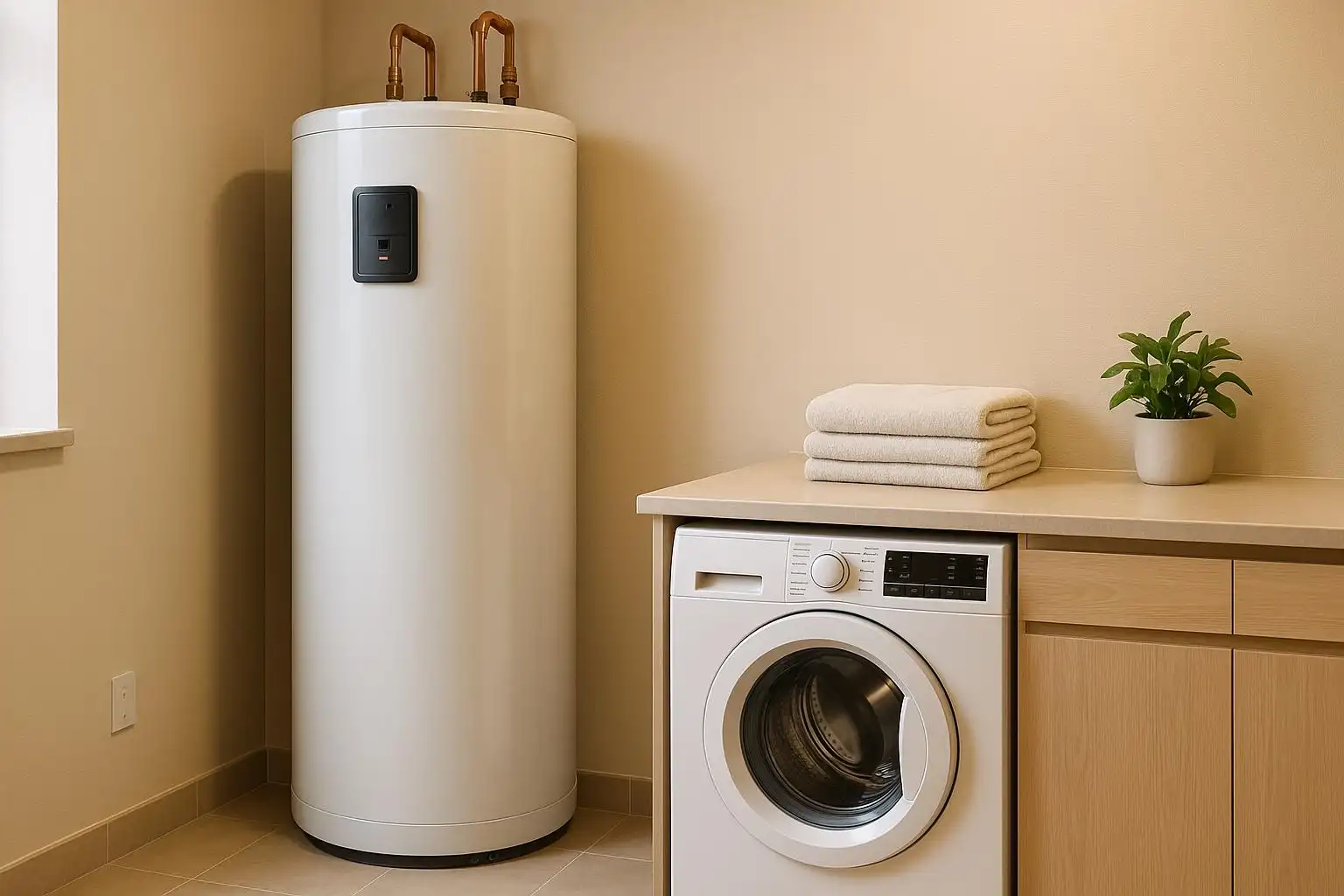
Most water heaters last 8–20 years, depending on type, maintenance, and usage. Tank models (gas: 8–12 years, electric: 10–15 years) have shorter lifespans due to corrosion risks. Tankless systems last longer, often 15–20 years, with proper care extending them to 25–30 years. Solar water heaters can last 20–30 years. Factors like water quality, routine maintenance (flushing tanks, replacing anode rods), and professional installation significantly impact durability. Watch for signs like rusty water, leaks, or strange noises to know when replacement is due. Our water heater services include installation, repair, and maintenance for all types. Upgrading to energy-efficient models can also lower utility bills and improve performance.
How Long Do Water Heaters Last?
How Long Water Heaters Last
Knowing how long different types of water heaters typically last can help you plan for replacements and budget accordingly. Each type has unique features that influence its lifespan.
Tank Water Heaters
Tank water heaters are the most common in American households, designed to store and heat water continuously. Gas tank water heaters generally last 8 to 12 years, while electric models can last 10 to 15 years.
The shorter lifespan of gas models is due to their more complex components and higher operating temperatures. In contrast, electric models tend to last longer because they have fewer parts prone to failure. However, the steel tanks in both types are prone to corrosion, which typically caps their lifespan at around 15 years.
Tankless water heaters, on the other hand, avoid these issues by heating water only when needed.
Tankless Water Heaters
Tankless water heaters, whether gas or electric, heat water on demand instead of storing it, which significantly extends their lifespan. Both types typically last 15 to 20 years, with some units running efficiently for up to 25 years or even 30 years or more with excellent maintenance.
Their longer lifespan comes from their design. Without a tank to store water, they face less risk of corrosion and sediment buildup. This lack of constant water exposure helps them last twice as long as tank models. Additionally, tankless units don’t require anode rods, eliminating the need for related maintenance.
Electric vs. Gas Water Heaters
The type of energy source also plays a role in water heater durability, especially for tank models. Generally, electric units outlast their gas counterparts.
For tank water heaters, electric models have a 2 to 3-year edge over gas versions. Electric tanks last 10 to 15 years, while gas tanks typically last 8 to 12 years. Before replacing your electric water heater, check the electric water heater codes by state for current installation requirements. This difference is due to electric units having simpler components and operating at more consistent temperatures.
With tankless systems, the gap narrows. Both gas and electric tankless models share similar lifespans of 15 to 20 years. The design benefits of tankless technology, such as reduced corrosion and sediment issues, make the energy source less of a factor in longevity.
| Water Heater Type | Typical Lifespan | Key Factors |
|---|---|---|
| Gas Tank | 8-12 years | Complex components, higher temperatures |
| Electric Tank | 10-15 years | Fewer failure points, steady operation |
| Gas Tankless | 15-20 years | On-demand heating, less corrosion risk |
| Electric Tankless | 15-20 years | On-demand heating, minimal maintenance |
What Affects Water Heater Lifespan
Several factors play a role in determining how long your water heater will last. These include water quality, maintenance routines, installation practices, and usage habits. Let’s dive into each of these to understand their impact.
Water Quality and Corrosion
The quality of your water can significantly affect your water heater’s durability. Hard water, which contains minerals like calcium and magnesium, can lead to sediment buildup at the bottom of the tank. This buildup forces the heating elements to work harder, wearing them out faster. In areas with naturally acidic water or high chloride levels, the anode rod – a critical component that protects the tank from rust – depletes more quickly. Without this protection, the tank becomes vulnerable to corrosion and leaks. Consistent maintenance can help counter these issues and extend the unit’s lifespan.
Maintenance Practices
Routine maintenance is one of the most effective ways to keep your water heater running longer. Flushing the tank regularly removes sediment that can harm efficiency and accelerate corrosion. Inspecting and replacing the anode rod when necessary is another crucial step in preventing internal damage. Professional inspections are also helpful, as they can catch potential problems early. A little upkeep can go a long way in ensuring your water heater remains functional for years.
Installation and Usage Patterns
The way a water heater is installed – and how it’s used – also impacts its longevity. A professional installation ensures the unit is set up correctly, reducing the risk of premature failure. Proper placement matters too; water heaters should be installed upright in well-ventilated areas and away from flood-prone zones to minimize corrosion risks.
Usage habits play a role as well. In homes with high water demand, heaters tend to wear out faster due to the increased workload. Similarly, in colder climates, the unit has to work harder to heat incoming water, which can lead to additional strain over time.
| Factor | Impact on Lifespan | Key Considerations |
|---|---|---|
| Water Quality | High impact | Hard water and mineral buildup accelerate wear |
| Maintenance | Very high impact | Regular upkeep can add years to the unit’s lifespan |
| Installation | High impact | Professional setup prevents premature failure |
| Usage Volume | Moderate impact | High demand increases wear and tear |
| Climate | Low to moderate | Colder climates increase workload on the heater |
For homeowners in Miami, Hernandez Plumbing offers professional water heater services, including installation, maintenance, and replacement. These services can help ensure your water heater lasts as long as possible while maintaining peak performance.
Warning Signs Your Water Heater Needs Replacement
Keeping an eye out for warning signs can save you from the hassle of cold showers and expensive damage caused by a failing water heater. While regular maintenance helps extend its life, there comes a time when repairs just aren’t enough, and replacement becomes the best option.
Rusty or Discolored Water
If you notice rusty, brown, or murky water when you turn on the hot water tap, your water heater might be corroding from the inside. This discoloration often comes from rust flakes caused by a worn-out anode rod. While rusty water could sometimes point to plumbing issues, if it’s only showing up when the hot water is running, it’s likely your water heater. Beyond the unpleasant appearance, rust particles can weaken the tank, putting it at risk of failure. A metallic taste in the water might even serve as an early warning before discoloration becomes visible. Ignoring these signs could lead to sudden tank failure, and leaks or pooling water may soon follow.
Leaks and Water Pooling
Finding water around the base of your water heater is a red flag that shouldn’t be ignored. Small leaks often start as tiny drips but can quickly grow into bigger problems. Over time, the tank’s metal expands and contracts during heating cycles, eventually leading to cracks. Keep an eye out for moisture, stains, or mineral deposits around the unit. Sometimes, leaks are so slow that the water evaporates before pooling, leaving behind mineral residue or discoloration as the only clues. It’s crucial to determine whether the leak is coming from the tank itself. Leaks from connections might be fixable, but if the tank is the source, replacement is usually the only solution.
Strange Noises and Poor Performance
Unusual sounds and performance issues are other telltale signs of trouble. As sediment builds up inside the tank, it can cause popping or rumbling noises during operation – this happens when water trapped within the sediment turns to steam. The extra sediment also forces the heating elements to work harder, reducing both efficiency and performance. If your hot water supply doesn’t last as long as it used to, takes longer to heat up, or fluctuates between hot and lukewarm, these are signs that the heating elements may be failing or that sediment is interfering with the system. Longer recovery times and rising energy bills are further indicators that your water heater is struggling to keep up. When these issues pile up, it’s often more cost-effective to replace the unit than to attempt temporary fixes.
For Miami residents, Hernandez Plumbing provides fast and reliable water heater replacement services. They offer transparent pricing and back their work with a satisfaction guarantee, ensuring peace of mind when it’s time for an upgrade.
How to Make Your Water Heater Last Longer
Taking care of your water heater can significantly extend its lifespan and save you from unexpected repairs or a costly replacement. While these appliances are built to endure, a little maintenance can go a long way in keeping them running smoothly.
Regular Tank Flushing
Flushing your water heater tank once a year is a simple yet powerful way to prevent sediment buildup. Over time, minerals from your water supply settle at the bottom of the tank, forming a layer that forces the heating elements to work harder. This not only reduces efficiency but can also lead to damage.
To flush the tank, start by turning off the power and letting it cool. Attach a hose to the drain valve, then drain the water until it runs clear. If your home has hard water, you may need to repeat this process every six months instead of annually, as hard water accelerates sediment buildup. Pairing this task with other maintenance steps will help keep your heater in top shape.
Anode Rod Maintenance
The anode rod plays a crucial role in protecting your water heater from rust. This metal rod is designed to attract corrosive elements in the water, sacrificing itself to keep the tank from corroding. Over time, the rod wears down and needs replacement.
Check your anode rod every 3–5 years. Use a socket wrench to remove it, and inspect its condition. If more than six inches of the core wire is exposed or its thickness has reduced to less than ½ inch, it’s time to replace it. For most water types, magnesium rods are ideal, but in areas with hard water and sulfur odors, aluminum rods work better. While replacing the rod is straightforward, it can be a bit heavy or challenging to remove if it hasn’t been replaced in years. Regular anode rod checks, combined with tank flushing, can greatly enhance your water heater’s durability.
Professional Inspections
Scheduling an annual inspection with a licensed plumber is another key step in maintaining your water heater. A professional can spot issues that are easy to miss, like wear on internal components, problems with electrical connections, or gas line leaks. These inspections can catch small problems before they escalate into major repairs or system failures.
During an inspection, plumbers typically check the temperature/pressure relief valve, connections, and thermostat to ensure everything is functioning properly. Many plumbing companies offer preventive maintenance contracts, which include annual inspections, priority repair scheduling, and discounted service rates. These plans make it easier to stay on top of your water heater’s needs without the hassle of remembering appointments.
For those in Miami, Hernandez Plumbing provides thorough water heater maintenance services. Their skilled technicians can create a personalized maintenance plan based on your water heater type and local water conditions, helping you get the most out of your system while avoiding unnecessary headaches.
When to Replace Your Water Heater
No matter how well you take care of it, your water heater won’t last forever. Replacing an old unit before it fails can save you from sudden breakdowns and avoid skyrocketing energy bills.
Age and Efficiency Factors
If your water heater is approaching or has surpassed its expected lifespan, or if you’ve noticed higher energy bills and slower hot water delivery, it might be time to consider a replacement. Waiting too long can lead to inefficiencies and expensive repairs down the line.
When your system struggles to keep up, you’ll likely see increased energy consumption and delays in getting hot water – both red flags that an upgrade could save you money in the long run. A new unit not only solves these problems but also offers better energy performance.
Energy-Efficient Options
Today’s water heaters are far more energy-efficient than older models. Since water heaters account for about 12% of a home’s energy use, upgrading can make a noticeable dent in your monthly utility bills. For example, ENERGY STAR-certified models, like heat pump water heaters, use significantly less energy, which translates to lower costs and fewer carbon emissions.
Another option to consider is a tankless water heater. These units are especially efficient for homes that use 41 gallons or less of hot water daily, offering energy savings of 24%–34% compared to traditional storage tank models. Even households with higher daily usage – around 86 gallons – can benefit from an 8%–14% efficiency boost. Plus, tankless systems often last over 20 years, making them a long-term investment.
To sweeten the deal, federal tax credits and local utility rebates can help offset the initial cost of installing an energy-efficient water heater. Many modern systems also come with advanced features like user-friendly controls and smart connectivity, which older models simply can’t match.
Professional Replacement Services
Having your water heater professionally installed ensures safe operation, maintains warranty coverage, and optimizes performance. Skilled technicians assess your household’s hot water needs, the size of your home, and even local water conditions to recommend the best solution.
Hernandez Plumbing, serving Miami, FL, offers full-service water heater replacement. Their licensed professionals handle everything – from removing your old unit to installing and testing the new one. They provide upfront pricing, so you’ll know the total cost before any work begins, and they back their services with a satisfaction guarantee. If your water heater fails unexpectedly, their 24/7 emergency services have you covered.
The installation process includes proper disposal of the old unit, updated connections, and advice on how to use your new system efficiently. With professional help, you can trust that your water heater will be set up to meet your home’s specific needs.
Conclusion: Getting the Most from Your Water Heater
Your water heater plays a crucial role in your daily life, and understanding its lifespan helps you stay ahead with maintenance and replacements. Different types of water heaters have varying lifespans, depending on their design and energy source.
To keep your system running smoothly for as long as possible, consistent maintenance is key. This includes tasks like flushing the tank, replacing the anode rod, and scheduling annual inspections. Taking these steps not only extends the life of your water heater but also helps you spot issues before they lead to costly breakdowns. Being alert to warning signs can save you from unexpected cold showers and expensive repairs.
When it's time to replace your unit, modern energy-efficient models can deliver better performance while lowering your utility bills. Consider smart plumbing upgrades for long-term savings to maximize your investment. If you’re in Miami, FL, Hernandez Plumbing offers a full range of water heater services. From routine maintenance to emergency repairs and complete system replacements, their licensed technicians ensure your water heater runs safely and reliably. Plus, they provide upfront pricing and a satisfaction guarantee for peace of mind.
Taking care of your water heater ensures a steady supply of hot water and protects your investment for years to come.
FAQs
How can I make my water heater last longer?
To help your water heater last longer and work efficiently, regular maintenance is essential. Start by flushing the tank once a year to clear out sediment that can accumulate and impact performance. Another important step is to check the anode rod annually – this component protects the tank from rust. If it’s heavily worn, replacing it can add years to your water heater’s life.
You should also test the pressure relief valve regularly to ensure it’s working correctly. Keeping the thermostat at 120°F is another smart move, as it reduces wear on the system and saves energy. Every few months, do a quick visual inspection for leaks, corrosion, or other signs of trouble. These straightforward tasks can keep your water heater running smoothly for years.
For those in Miami, FL, Hernandez Plumbing provides expert water heater maintenance and repair services to ensure your system stays in peak condition.
How does water quality impact the lifespan of my water heater?
Water quality has a big impact on how long your water heater will last. Hard water, which is rich in minerals like calcium and magnesium, often causes scale to build up inside the tank. This buildup not only lowers efficiency but also forces the system to work harder, which can cut its lifespan short. On top of that, water with unbalanced pH levels or too much sediment can lead to corrosion and other long-term damage.
If you want to keep your water heater running smoothly for as long as possible, consider adding a water softener or filtration system to your setup. These tools help minimize mineral deposits and shield your unit from unnecessary wear, keeping it efficient and reliable for years.
What are the signs that it’s time to replace your water heater?
If your water heater is acting up, there are a few signs that might mean it’s time for a replacement. Look out for persistent leaks, noticeable rust or corrosion on the tank, or strange knocking and rumbling sounds. Another red flag is if your water heater struggles to provide enough hot water or starts producing discolored or foul-smelling water – these could all point to a unit nearing the end of its life.
On average, water heaters last about 8 to 12 years, though with proper care, some can keep going for up to 20 years. However, if yours is older or constantly breaking down, replacing it could save you money in the long run. If you’re in Miami, FL, and need expert advice, Hernandez Plumbing is ready to help you find the right solution for your home or business.
Need Professional Help?
Our licensed plumbers are ready to help with your water heater services needs.