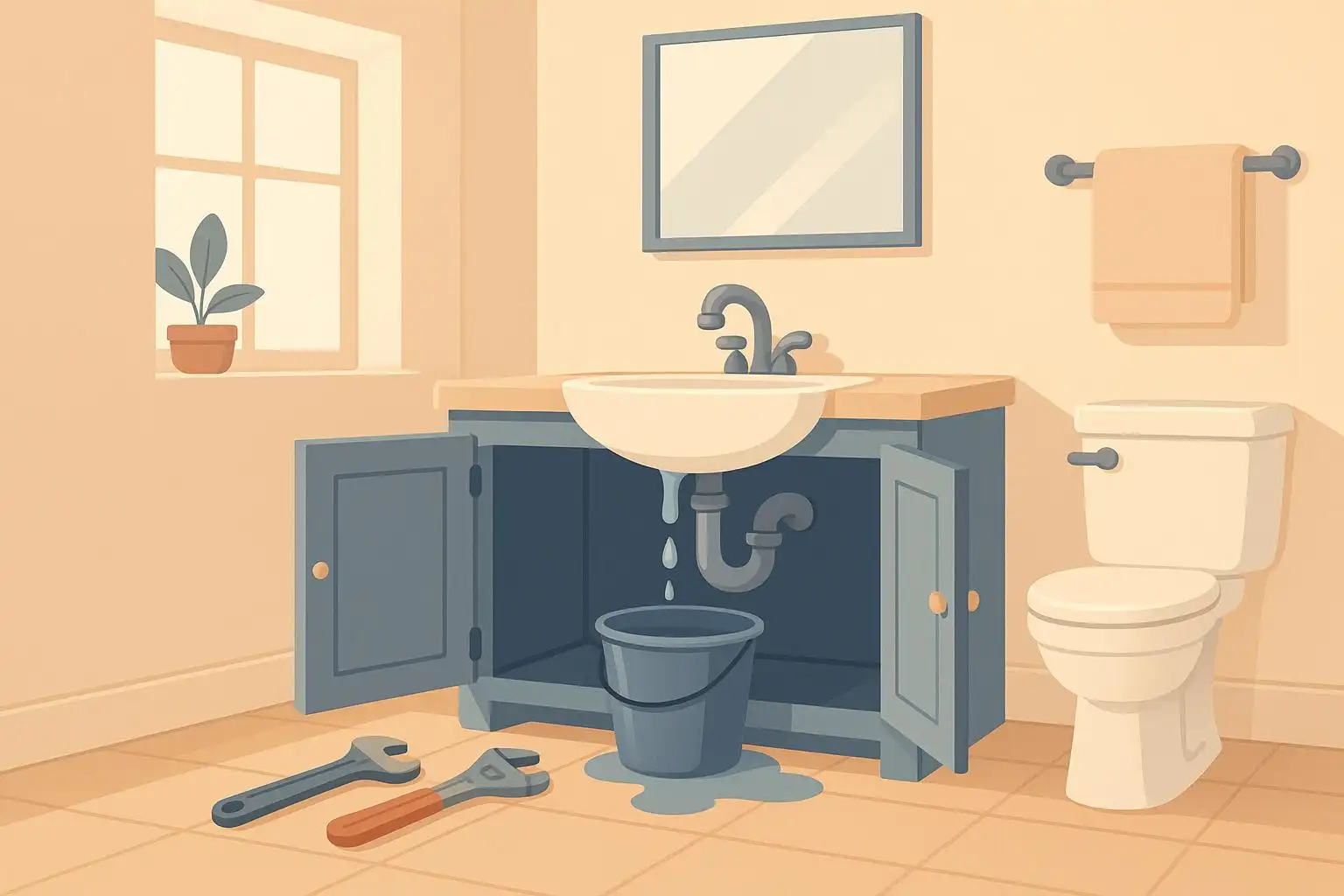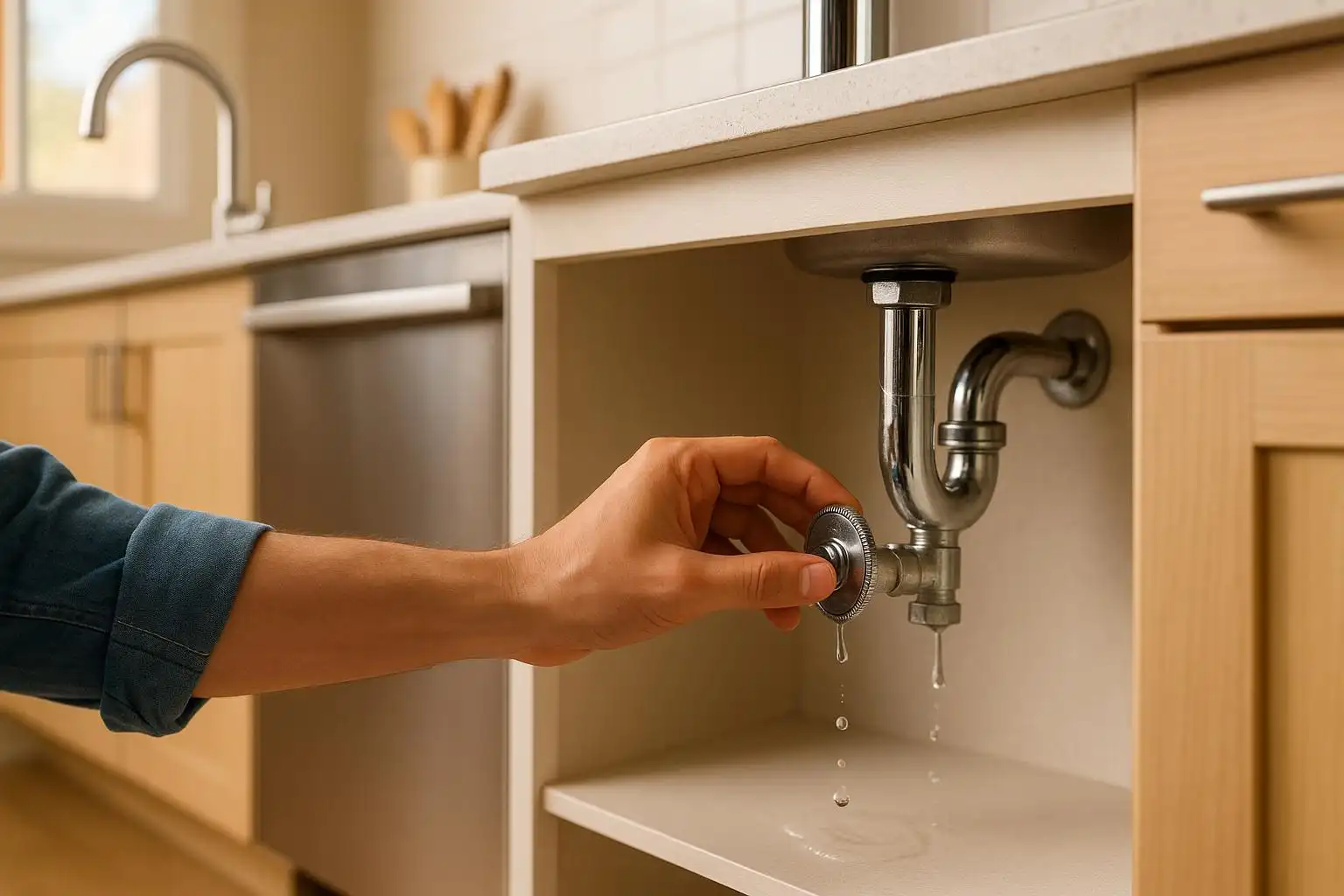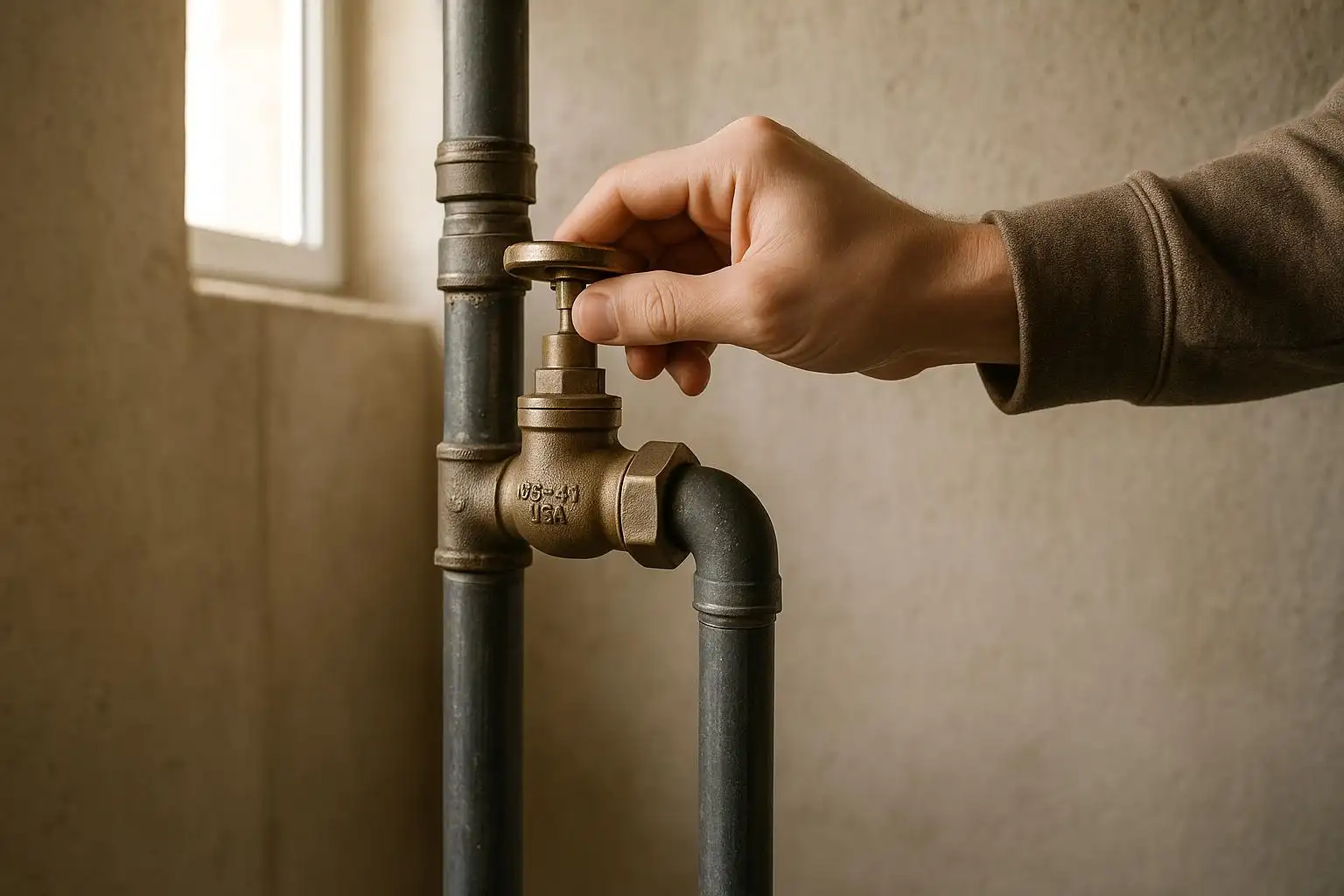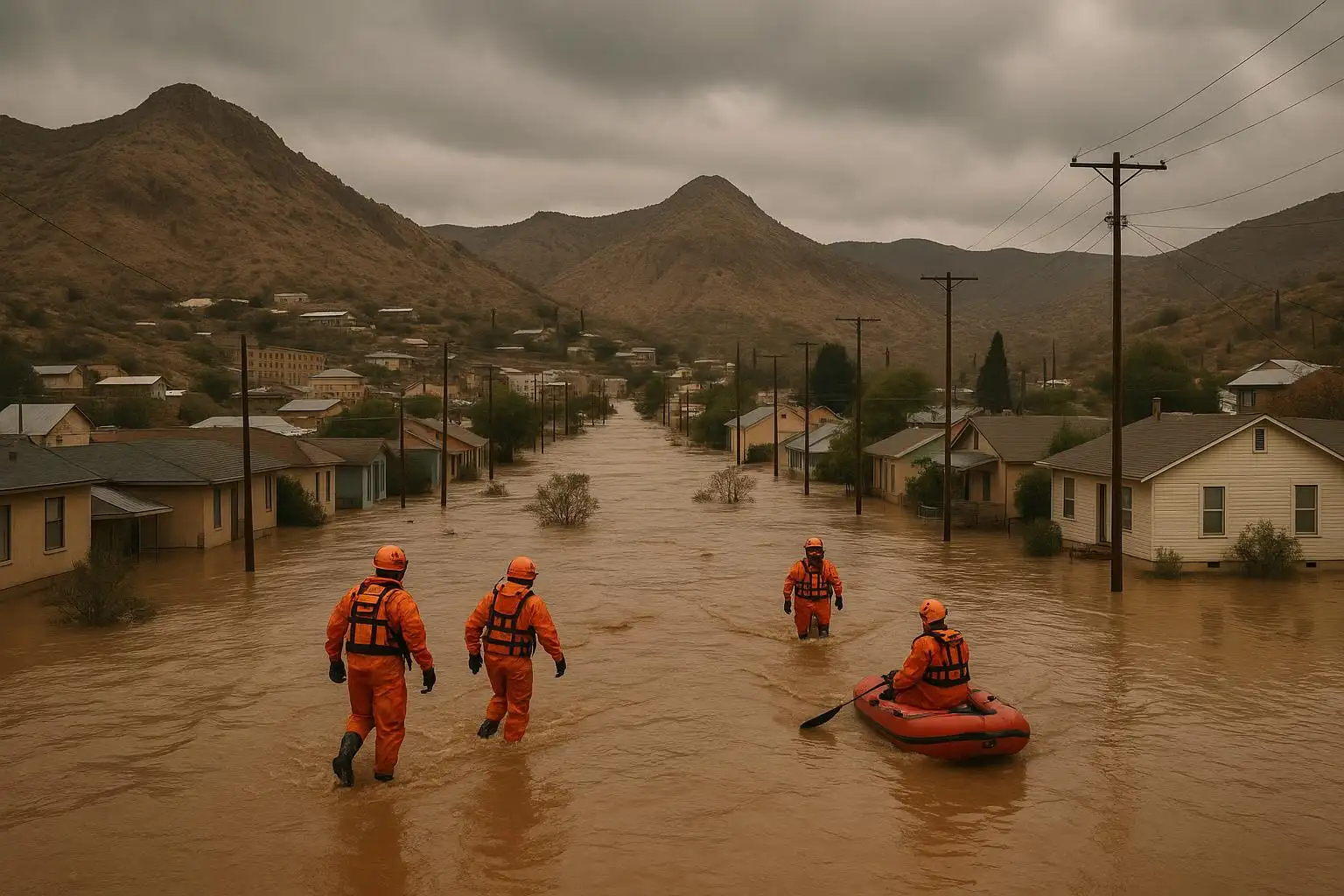
Plumbing emergencies don't wait for convenient times. Whether it's a burst pipe flooding your home at midnight or a sewage backup on a holiday weekend, knowing how to respond quickly can mean the difference between minor inconvenience and catastrophic damage.
This comprehensive guide prepares you to handle plumbing emergencies effectively, minimize damage, and know when professional help is essential.
What Constitutes a Plumbing Emergency?
Not every plumbing problem is an emergency. Understanding the difference helps you respond appropriately.
True Emergencies Requiring Immediate Action
Active flooding:
- Burst pipes with water flowing
- Failed water heater flooding area
- Overflowing toilet that won't stop
- Broken supply lines under pressure
Sewage exposure:
- Sewage backing up into home
- Septic system overflow
- Sewer gas smell (potential health hazard)
- Black water contamination
No water to the home:
- Complete loss of water supply
- Main shut-off valve failure
- Water main break affecting your property
Gas and water combination:
- Gas smell near water heater
- Flooding near gas appliances
- Water damage to gas lines
Urgent But Not Emergency
These situations need attention soon but may not require after-hours service:
- Slow drains
- Dripping faucets
- Running toilets
- Minor leaks with container catching water
- Low water pressure
- Water heater not producing hot water (no leak)
When to Wait vs. Call Now
Call immediately if:
- You cannot stop water flow
- Sewage is entering your home
- Water is near electrical components
- Structural damage is occurring
- Health/safety risk exists
Can wait for regular hours:
- Problem is contained
- No ongoing water flow
- No sewage exposure
- Temporary fix is working
- No immediate damage occurring
Essential Emergency Preparation
Preparing before emergencies saves critical time when they occur. In the chaos of a flooding home or sewage backup, you won't have time to search for shut-off valves or dig through drawers for emergency contacts. The preparation you do now—when everything is calm and working properly—will determine how effectively you respond when disaster strikes.
Know Your Shut-Off Valves
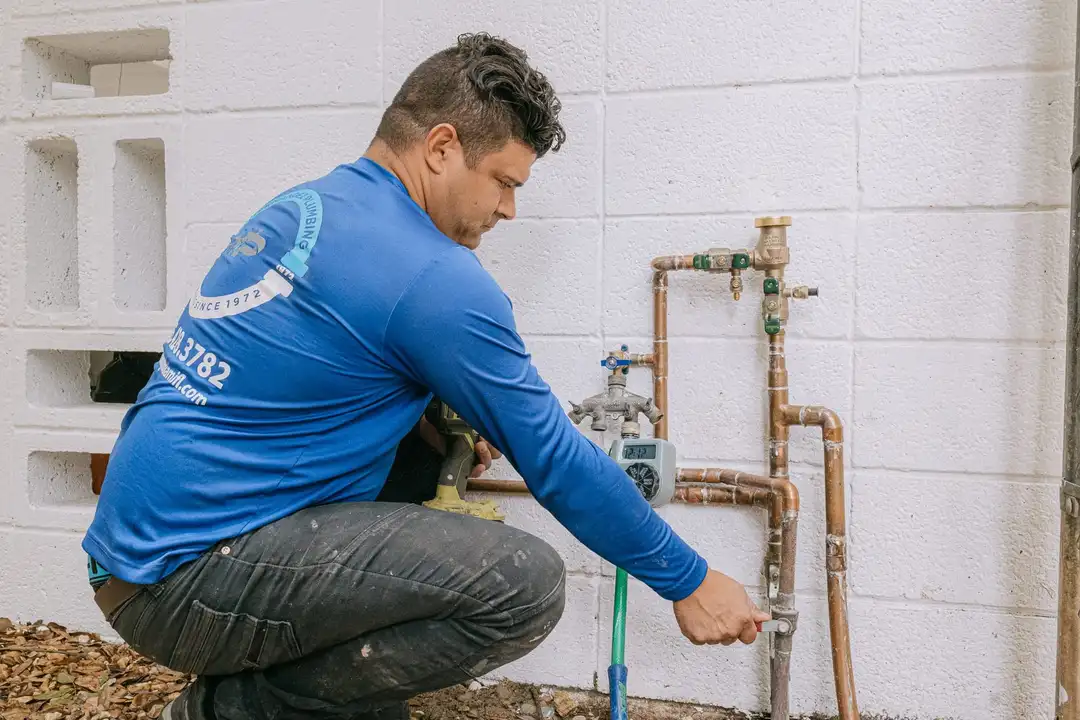
The single most important thing you can do to prepare for a plumbing emergency is know exactly where your water shut-off valves are located and how to operate them. Every second counts when water is flooding into your home, and fumbling with an unfamiliar valve can mean thousands of dollars in additional damage.
Main water shut-off:
- Located near water meter (usually near street)
- May also have one where water enters house
- Know how to operate before emergency
- Test annually to ensure it works
Individual fixture shut-offs:
- Toilets: Behind or beside the toilet
- Sinks: Under the sink
- Washing machine: Behind the unit
- Water heater: On cold water inlet pipe
- Dishwasher: Under the sink or basement
Main sewer cleanout:
- Usually outside near foundation
- Allows access to main drain
- Important for backup situations
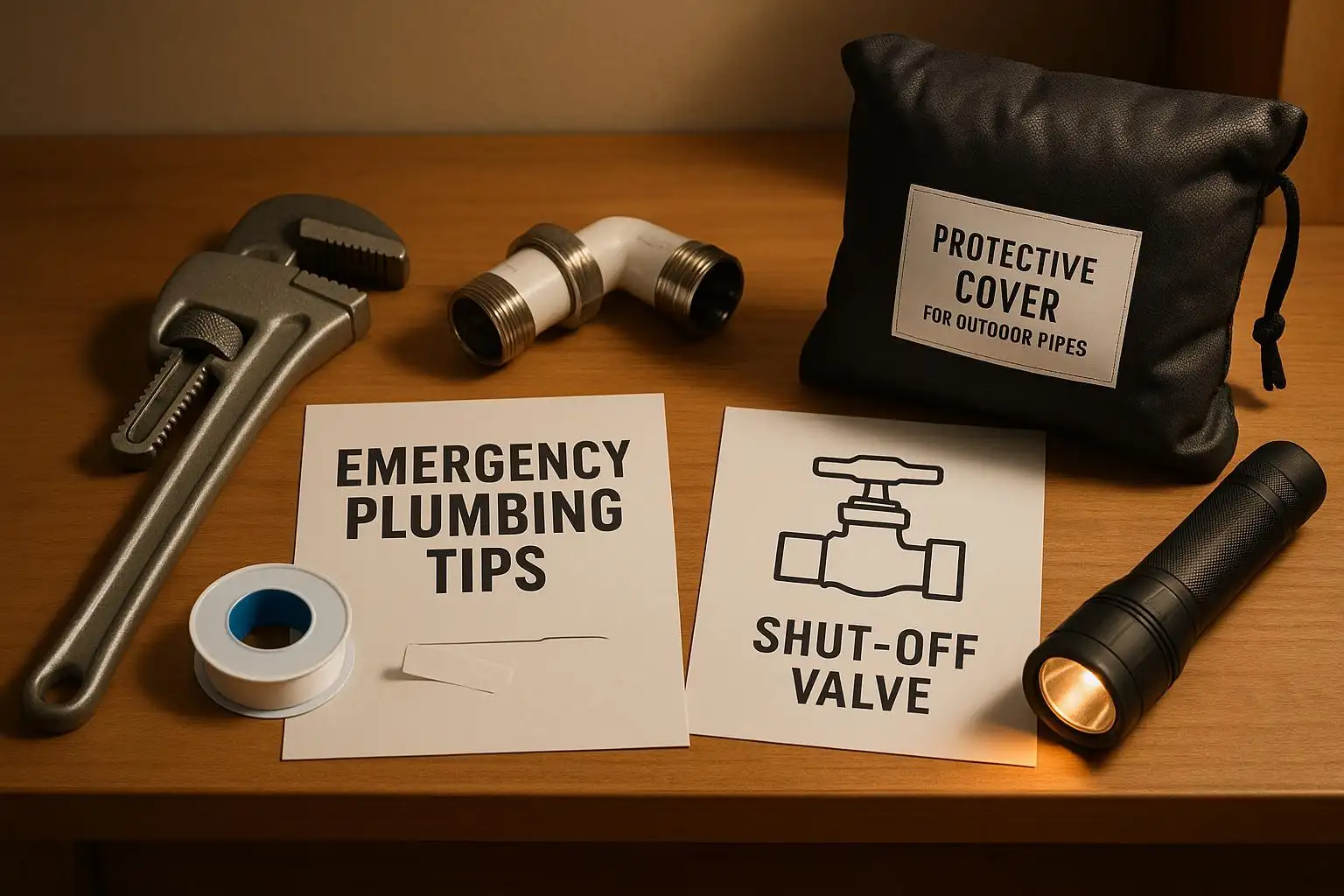
Create an Emergency Kit
Keep these items accessible:
Tools:
- Adjustable wrench
- Pliers
- Screwdrivers (flat and Phillips)
- Plumber's wrench (for main valve)
- Flashlight with batteries
Supplies:
- Plumber's tape (Teflon tape)
- Pipe repair clamps
- Rubber patches
- Bucket and towels
- Wet/dry vacuum (or know where to rent quickly)
Information:
- Emergency plumber contact number
- Water company emergency line
- Gas company emergency line
- Insurance policy information
- Photos of plumbing setup for reference
Know Your Systems
Before an emergency, understand:
- Where pipes run in your home
- Which fixtures connect to which drains
- Location of water heater
- Type of pipes (copper, PVC, etc.)
- Age of plumbing system
Handling Specific Emergencies
Quick, appropriate action minimizes damage in each situation. The steps you take in the first few minutes of a plumbing emergency often determine whether you're dealing with a minor repair or a major restoration project. Understanding the right response for each type of emergency prepares you to act decisively when it matters most.
Burst Pipes
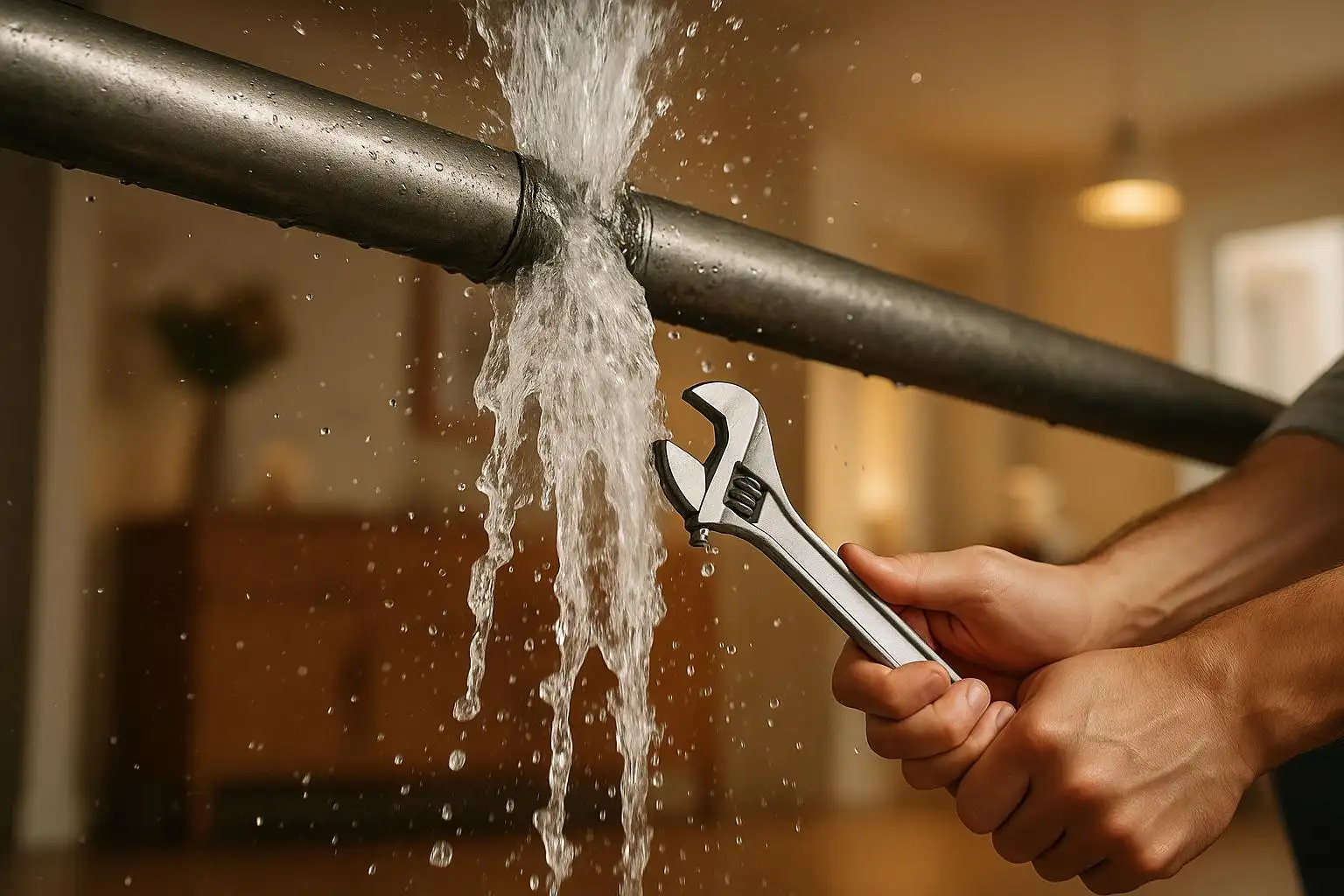
A burst pipe can release gallons of water per minute into your home, causing damage that compounds with every passing moment. The key is stopping the water flow as quickly as possible—everything else is secondary until that's accomplished.
Immediate steps:
- Shut off water at the main valve immediately
- Turn off electricity if water is near electrical components
- Open faucets to drain remaining water from pipes
- Document damage with photos and video
- Begin water removal as quickly as possible
- Call emergency plumber
Temporary containment:
- If you can locate the burst, apply pipe repair clamp
- Wrap with rubber and hose clamps as temporary fix
- Place containers to catch any remaining drips
- Do NOT turn water back on until repaired
Damage mitigation:
- Remove standing water immediately
- Move furniture and valuables from wet areas
- Set up fans and dehumidifiers
- Remove wet rugs and materials
- Open windows if weather permits
Sewage Backup
Sewage exposure creates health hazards requiring careful response.
Safety first:
- Do not flush toilets or run water that drains to the backup
- Keep children and pets away from affected areas
- Avoid contact with sewage water
- Do not use electrical appliances in wet areas
- Ventilate the area if possible
Initial response:
- If backup is in toilet, try plunging gently
- Check other drains—if all are affected, it's a main line issue
- Look for outdoor cleanout—may indicate where problem is
- Call emergency plumber immediately
Cleanup considerations:
- Sewage cleanup often requires professionals
- Contaminated materials usually need disposal
- Disinfection is essential
- Document everything for insurance
- Health department may need notification in severe cases
Water Heater Failure
Water heater emergencies range from no hot water to catastrophic flooding.
If water heater is leaking/flooding:
- Turn off water supply valve (top of heater)
- Turn off power:
- Electric: Breaker labeled "Water Heater"
- Gas: Turn valve to "OFF" position
- Attach hose to drain valve if possible
- Open nearby hot water faucet to relieve pressure
- Call for emergency service
If you smell gas near water heater:
- Do NOT flip any switches
- Do NOT use phones in the area
- Open windows and doors
- Evacuate the house immediately
- Call gas company from outside
- Do not re-enter until cleared
Frozen Pipes (Rare in Miami but Possible)
During unusual cold snaps:
Prevention:
- Let faucets drip during extreme cold
- Open cabinet doors to expose pipes to heat
- Insulate exposed pipes
If pipes freeze:
- Do NOT use open flame to thaw
- Apply gentle heat (hair dryer, heating pad)
- Start from faucet end and work back
- Keep faucets open to relieve pressure
- Be prepared for leaks when thawed
Overflowing Toilet
Immediate steps:
- Remove tank lid
- Push flapper valve down to stop water flow
- Lift float to stop tank filling
- Turn off supply valve behind toilet
- Do NOT flush again
Clear the clog:
- Try plunging if water level drops
- Use toilet auger for stubborn clogs
- If plunging doesn't work, call plumber
Gas Line Issues
If you smell gas:
- Do NOT flip electrical switches
- Do NOT use phones or electronics
- Do NOT light any flames
- Open doors and windows as you leave
- Evacuate everyone immediately
- Call gas company from safe distance
- Do not return until cleared
After the Emergency
Proper follow-up protects against ongoing damage.
Immediate Aftermath
Document everything:
- Photograph all damage
- Video affected areas
- Note timeline of events
- Keep damaged materials for adjuster
Contact insurance:
- Report claim promptly
- Follow their documentation requirements
- Get approval before major repairs
- Keep all receipts and invoices
Prevent secondary damage:
- Continue drying efforts
- Watch for mold growth
- Monitor affected areas daily
- Address any new issues immediately
Water Damage Concerns
Mold prevention:
- Mold can start growing within 24-48 hours
- Keep humidity below 50%
- Use fans and dehumidifiers continuously
- Remove wet materials promptly
Structural concerns:
- Have flooring checked before walking on wet surfaces
- Watch for ceiling sagging or bulging
- Monitor walls for ongoing moisture
- Consider professional assessment for significant flooding
Electrical safety:
- Have electrician check any wet electrical components
- Do not use affected outlets until inspected
- Water heaters and appliances may need replacement
Emergency Plumbing Costs
Understanding costs helps you budget and evaluate services.
Typical Emergency Service Costs
| Service | Typical Range |
|---|---|
| Emergency service call | $100-$300 |
| After-hours surcharge | $75-$150 additional |
| Burst pipe repair | $200-$1,000 |
| Main sewer line clearing | $300-$600 |
| Water heater emergency | $200-$500 |
| Sewage cleanup (professional) | $1,000-$5,000+ |
Factors Affecting Cost
- Time of call (nights/weekends cost more)
- Complexity of problem
- Materials needed
- Access difficulty
- Duration of service
Insurance Coverage
Most policies cover:
- Sudden pipe failures
- Emergency repairs to stop damage
- Water damage restoration — When damage is sudden (e.g., burst pipe, appliance failure), professional water damage restoration in South Florida handles extraction, drying, mold prevention, and can assist with insurance claim documentation
Usually NOT covered:
- Maintenance issues
- Gradual deterioration
- Pre-existing problems
- Flood damage (requires separate policy)
Preventing Plumbing Emergencies
Many emergencies are preventable with proper maintenance.
Regular Maintenance Tasks
Monthly:
- Check under sinks for moisture
- Test supply valve operation
- Listen for running water when nothing is on
- Check water heater for signs of trouble
Annually:
- Professional plumbing inspection
- Water heater maintenance
- Drain cleaning
- Pressure test if concerns
Know Your System's Age
Older systems need more attention:
- Water heaters over 10 years: Monitor closely
- Pipes over 40 years: Consider inspection/replacement planning
- Cast iron drains: Have inspected if original
Hurricane and Storm Preparation
In South Florida, storms create additional risks:
Before storm season:
- Know all shut-off locations
- Have emergency supplies ready
- Document plumbing system condition
- Review insurance coverage
When storm approaches:
- Secure water heater strapping
- Know how to shut off water if needed
- Fill bathtubs for emergency water
- Protect exposed pipes if possible
After storms:
- Check for damage before using plumbing
- Look for obvious leaks or breaks
- Test drains carefully
- Report damage to insurance promptly
Choosing an Emergency Plumber
Not all plumbers offer quality emergency service. Choose wisely.
What to Look For
- Truly available 24/7/365
- Licensed and insured
- Experience with emergencies
- Transparent about emergency rates
- Good reviews for emergency service
- Equipped for common emergencies
Questions to Ask When Calling
- Can you come immediately?
- What are your emergency rates?
- What's the service call fee?
- How will you diagnose the problem?
- Do you warranty emergency repairs?
- Can you coordinate with insurance?
Red Flags
- Won't quote any price range
- Excessive pressure tactics
- No license or insurance
- Asks for full payment upfront
- No reviews or references
- Can't explain the problem
Hernandez Plumbing Emergency Service
When plumbing emergencies strike in Miami, Hernandez Plumbing is ready to respond. We've been handling South Florida's plumbing emergencies for over 50 years, and we understand that when you're watching water flood into your home at 2 AM, you need help now—not a voicemail promising a callback "during normal business hours."
That's why we maintain true 24/7 availability with real dispatchers answering calls around the clock, not answering services that take messages. Our plumbers are on call nights, weekends, and holidays, with trucks strategically positioned throughout our service area to ensure fast response times when every minute counts.
Our emergency trucks come fully stocked with the equipment and parts needed to handle the most common emergencies on the spot. From burst pipe repair supplies to sewer clearing equipment, we arrive prepared to solve your problem—not just assess it and schedule another visit.
Every emergency technician on our team is a licensed plumber with extensive experience handling crisis situations. They know South Florida plumbing challenges intimately and can assess problems quickly, explain what's happening in plain English, and get to work immediately. We're transparent about our emergency rates, providing upfront pricing before any work begins with no surprise charges after the fact.
And our support doesn't end when the immediate crisis is resolved. We help with insurance documentation, provide recommendations for water damage restoration if needed, and schedule any follow-up permanent repairs. When seconds count, trust the team that's been serving Miami since 1972. Call 305-428-3782 for immediate emergency response.
Emergency Contacts to Keep Handy
Save these numbers where you can find them:
Hernandez Plumbing Emergency: 305-428-3782
Additional contacts:
- Miami-Dade Water & Sewer: 786-552-8433
- Florida City Gas: 888-352-5325
- Electric company emergency: (check your provider)
- Insurance company claims: (your policy number)
Frequently Asked Questions
What should I do first in any plumbing emergency?
Stop the water flow. Find and close the nearest shut-off valve—individual fixture valve first, main valve if that doesn't work or you can't find the source.
How much does emergency plumbing service cost?
Emergency service typically costs $100-$300 for the service call plus repair costs. After-hours calls may include a surcharge of $75-$150. Always ask about rates when you call.
Can I wait until morning for a burst pipe?
No. Even if you've stopped the water flow, damage assessment and proper repair should happen as soon as possible. Water damage worsens rapidly, and mold can begin growing within 24 hours.
What should I NOT do in a plumbing emergency?
Don't panic and make hasty decisions. Don't use electrical appliances in wet areas. Don't ignore gas smells. Don't try complex repairs you're not qualified for. Don't delay calling professionals for serious situations.
How can I prevent plumbing emergencies?
Regular maintenance is key: annual professional inspections, prompt attention to small problems, knowing your shut-off valve locations, and understanding your plumbing system's age and condition.