Clogged drains and sewer problems are among the most common—and most frustrating—plumbing issues South Florida homeowners face. From slow-draining sinks to complete sewer backups, these problems disrupt daily life and can cause significant property damage if not addressed properly.
This comprehensive guide covers everything you need to know about drain cleaning and sewer services, helping you understand when to tackle issues yourself and when to call a professional.
Understanding Your Drain System
Before diving into solutions, understanding how your drain system works helps you prevent problems and communicate more effectively with plumbers. Your home's drain system is an intricate network of pipes, each serving a specific purpose and working together to safely remove wastewater from your property.
How Home Drains Work
Your drain system operates on two fundamental principles: gravity and proper venting. Unlike supply lines that use water pressure to push water to your fixtures, drains rely entirely on gravity to move wastewater downhill toward the sewer main or septic tank. Proper venting ensures air can enter the system, preventing the vacuum effect that would slow or stop drainage entirely.
Fixture drains: Individual drains from sinks, tubs, and showers connect to branch drain lines
Branch lines: Horizontal pipes that collect from multiple fixtures and carry waste to the main stack
Main stack: Vertical pipe that connects all branch lines and vents through the roof
Main sewer line: Large horizontal pipe carrying all waste from your home to the city sewer or septic system
Vent pipes: Allow air into the system, preventing vacuum that would slow drainage
Common Drain Sizes
Different fixtures use different drain sizes:
- Bathroom sinks: 1.25-1.5 inches
- Kitchen sinks: 1.5-2 inches
- Showers and tubs: 1.5-2 inches
- Toilets: 3-4 inches
- Main sewer line: 4-6 inches
Knowing these sizes helps you understand why some clogs are easier to clear than others.
Common Causes of Drain Clogs
Understanding what causes clogs helps you prevent them.
Bathroom Drain Culprits
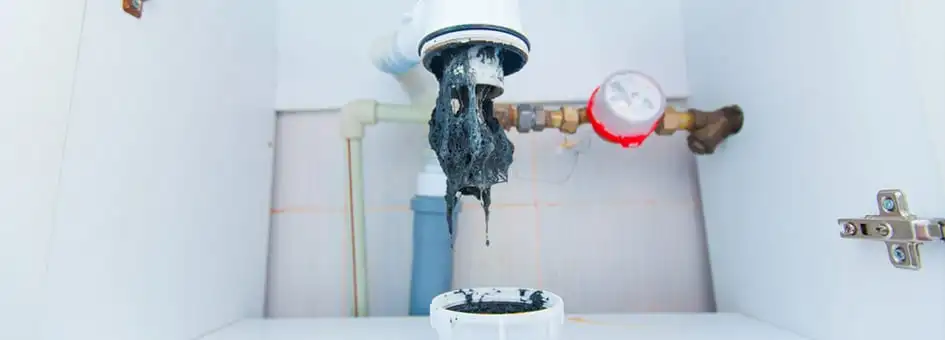
Hair: The number one cause of bathroom clogs, hair tangles and catches other debris
Soap scum: Combines with hair and minerals to create stubborn blockages
Personal care products: Cotton swabs, dental floss, and feminine products shouldn't go down drains
Medication: Pills and capsules can contribute to buildup
"Flushable" wipes: Despite marketing, these don't break down like toilet paper
Kitchen Drain Problems
Grease and oil: Solidifies in pipes, catching other debris
Food particles: Even with disposals, some foods shouldn't go down drains
Coffee grounds: Accumulate and create dense clogs
Pasta and rice: Expand with water and stick to pipes
Eggshells: Stick to pipe walls and catch other debris
Main Sewer Line Issues
Tree roots: The most common cause of main line blockages in Miami
Bellied pipe: Sections that have sunk create collection points
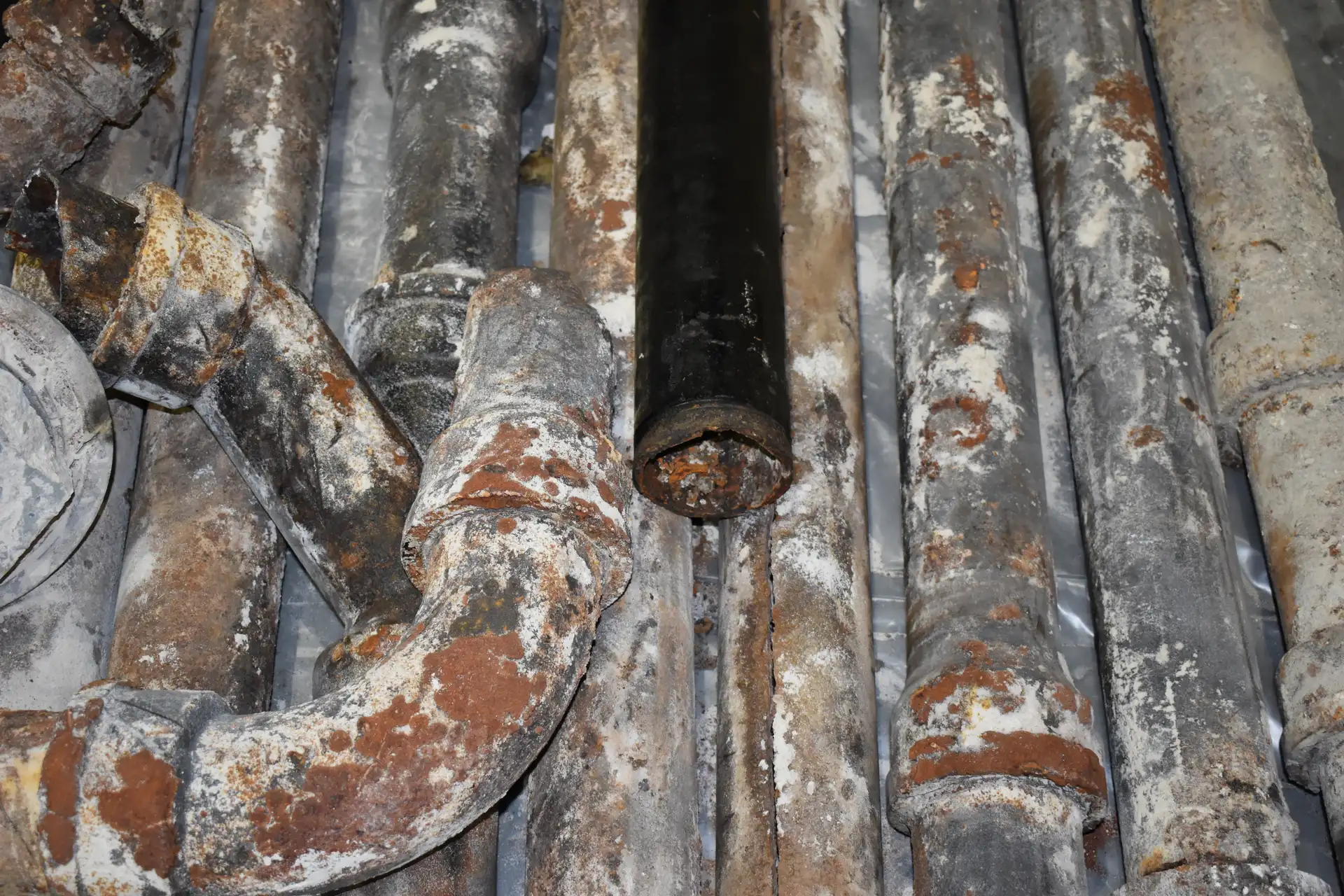
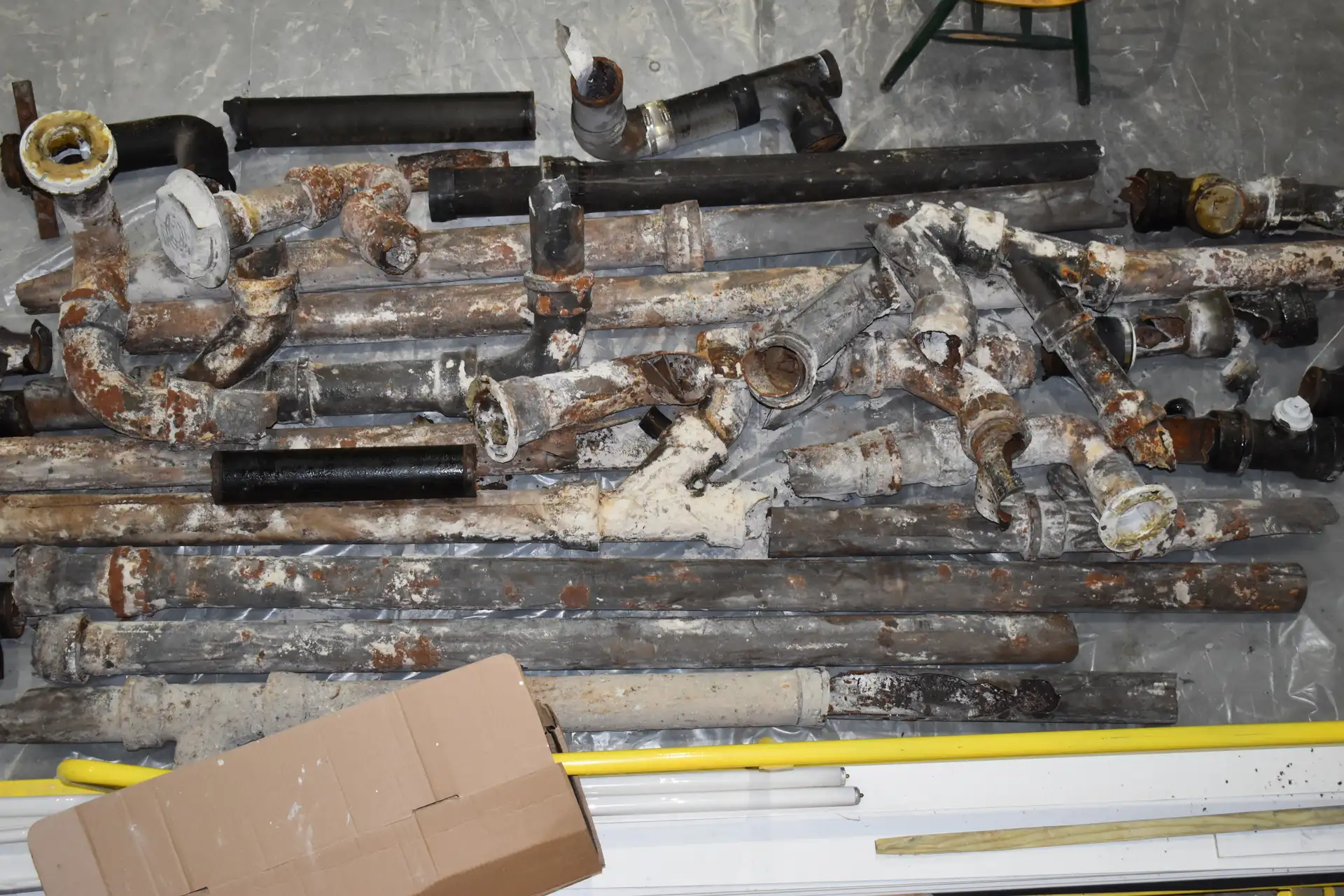
Corrosion/collapse: Aging pipes deteriorate and block flow
Foreign objects: Items flushed or washed down that shouldn't be
Scale buildup: Mineral deposits from hard water
Warning Signs of Drain Problems
Recognizing early warning signs prevents major problems.
Signs Requiring Attention
Slow drains: Water taking longer than normal to drain
Gurgling sounds: Air bubbles indicate venting or blockage issues
Bad odors: Sewer smells suggest buildup or blockage
Water backup: Water coming up in other fixtures when one drains
Frequent clogs: Recurring problems indicate deeper issues
Signs Requiring Immediate Action
Multiple slow drains: Suggests main line problem
Sewage backup: Raw sewage coming up through drains
Water around floor drains: Indicates main line backup
Toilets won't flush: Complete blockage present
Sewage smell in yard: Main line may be broken
DIY Drain Cleaning Methods
Many minor clogs can be handled without professional help.
The Plunger
For sink and tub drains:
- Remove stopper or strainer
- Cover overflow hole with wet rag
- Fill sink with 2-3 inches of water
- Use cup plunger with firm, consistent plunges
- Check if water drains freely
For toilets:
- Use a flange (toilet) plunger
- Ensure the flange is extended
- Create seal over drain opening
- Push and pull firmly 15-20 times
- Test flush
Drain Snaking
For clogs beyond the plunger's reach:
- Feed snake into drain opening
- Turn handle clockwise while pushing
- When resistance is met, continue turning to break through
- Pull back slowly, removing debris
- Repeat if necessary
- Flush with hot water
Natural Cleaning Solutions
Baking soda and vinegar:
- Pour 1/2 cup baking soda down drain
- Follow with 1/2 cup white vinegar
- Cover drain and wait 15-30 minutes
- Flush with hot water
Boiling water: Effective for grease and soap buildup
- Pour slowly in 2-3 stages
- Allow water to work between pours
- Do NOT use on PVC pipes (can soften joints)
What NOT to Do
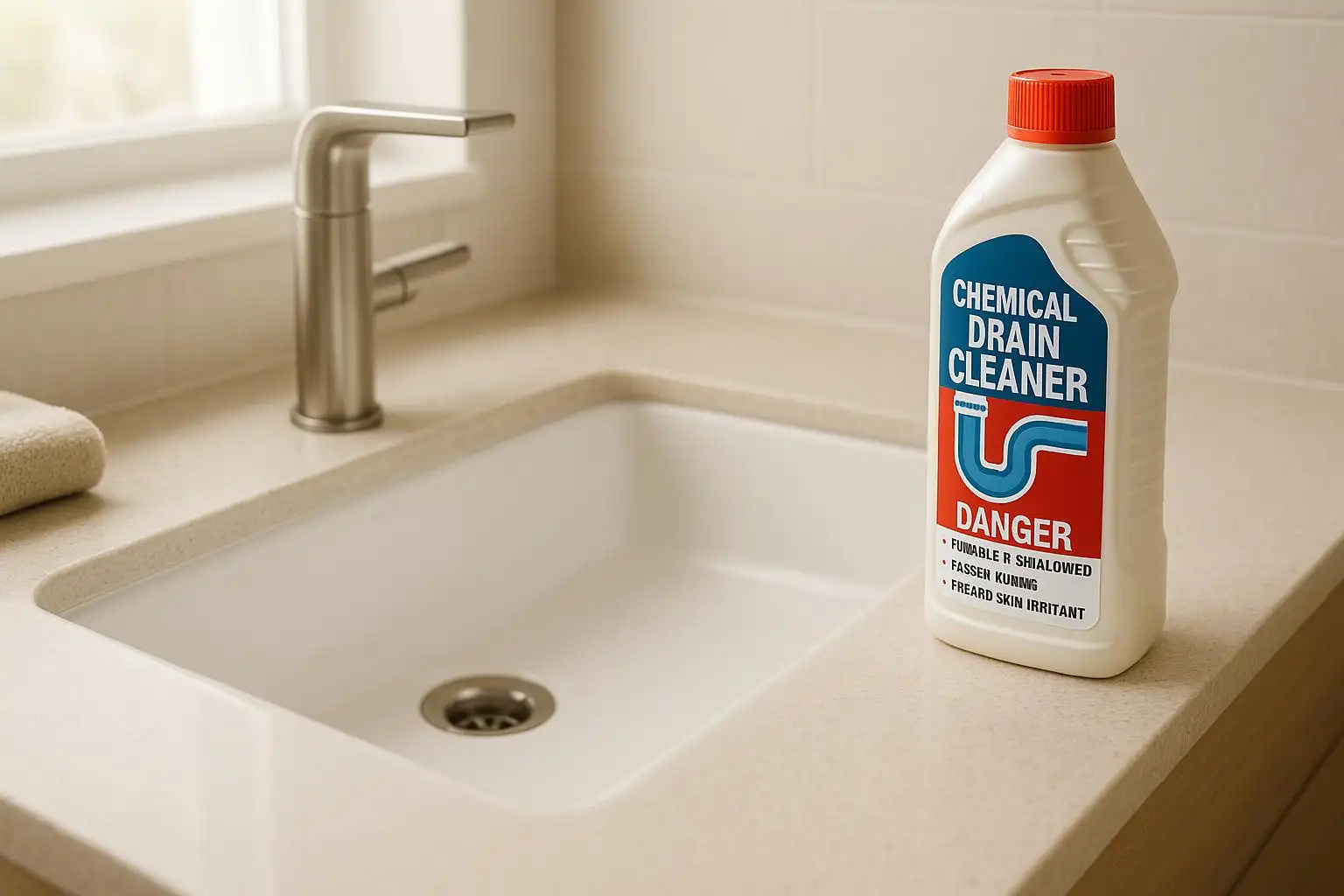
Chemical drain cleaners: While tempting, these cause more harm than good:
- Corrode pipes over time
- Can cause burns if they splash
- Often don't solve root cause
- Harmful to environment
- Can damage septic systems
Professional Drain Cleaning Services
When DIY methods fail, professional services provide thorough solutions.
Drain Snaking (Mechanical)
Professional-grade snakes are more powerful than home versions:
- Longer reach (up to 100+ feet)
- More powerful motors
- Various head attachments
- Can handle main line clogs
Best for:
- Soft blockages (hair, soap, grease)
- Branch line clogs
- Toilet blockages
- First-line treatment
Cost: $100-$300 typically
Hydro Jetting
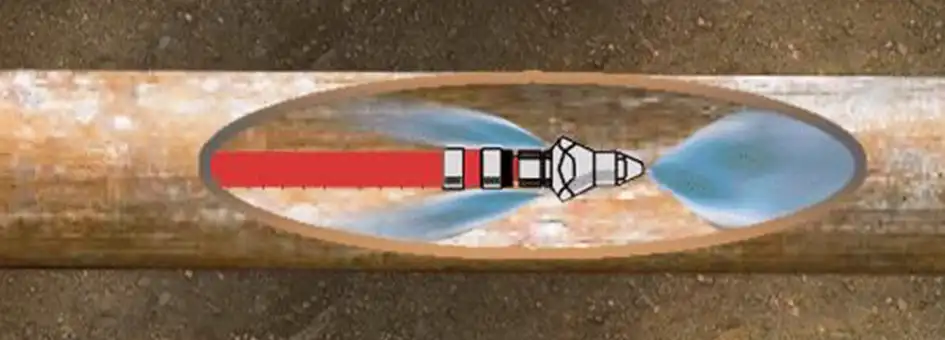
Hydro jetting represents the most thorough drain cleaning method available today. Unlike snaking, which simply punches through blockages, hydro jetting completely scours the interior walls of your pipes, removing years of accumulated buildup and restoring them to near-original condition.
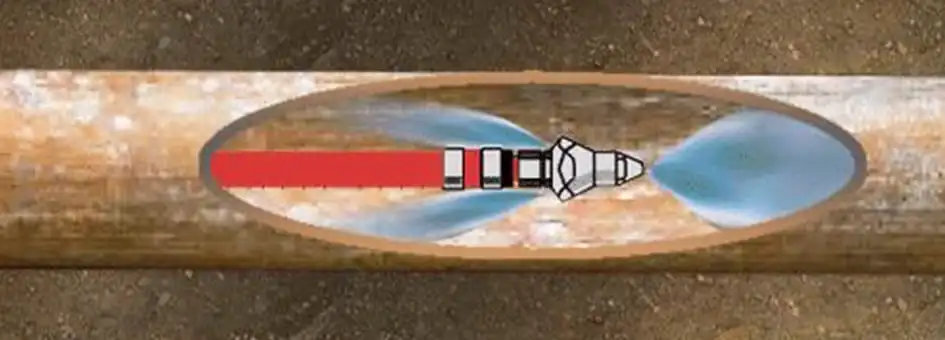
The process uses specialized equipment that generates water pressure between 3,000 and 8,000 PSI—far more powerful than a typical pressure washer. A specially designed nozzle creates multiple cutting jets that blast away all buildup on pipe walls while simultaneously flushing debris out of the system. The result is a pipe that's not just unclogged, but genuinely clean.
Hydro jetting is the preferred method for heavy grease buildup (common in kitchen drains and restaurant plumbing), tree root intrusion, and stubborn scale and mineral deposits from hard water. It's also the standard preparation step before pipe lining, ensuring the new liner adheres properly to clean pipe walls. For residential applications, expect costs between $350 and $800 depending on the extent of cleaning needed.
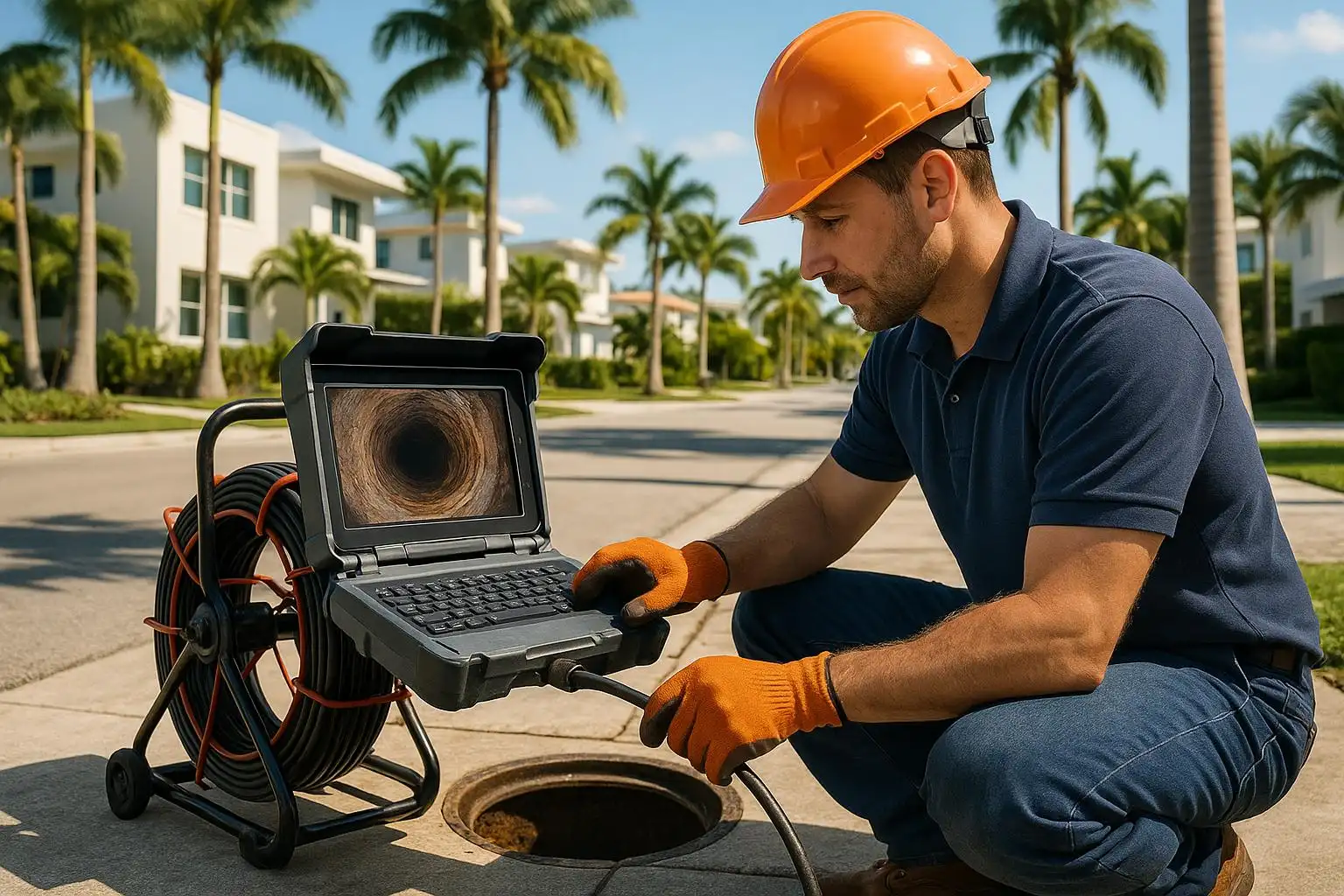
Video Camera Inspection
See inside your pipes without excavation:
What cameras reveal:
- Exact location and nature of blockages
- Root intrusion extent
- Pipe condition and material
- Broken, bellied, or collapsed sections
- Joint separations
- Accurate measurement of problem location
When needed:
- Recurring clogs
- Before purchasing a home
- After cleaning to verify results
- Planning renovations
- Locating lost items
Cost: $200-$500
Sewer Line Services
Main sewer line problems require specialized approaches that go beyond what's needed for individual fixture drains. Your main sewer line handles all the wastewater from your entire home, carrying it from your house to the city sewer or septic system. When this critical line develops problems, the consequences affect every drain in your home.
Sewer Line Cleaning
Keeping your main line clear is essential for preventing the nightmare scenario every homeowner dreads: raw sewage backing up into your home. Regular maintenance cleaning removes buildup before it becomes a complete blockage, and addresses common Miami issues like tree root intrusion before they cause serious damage.
Methods:
- Heavy-duty cable machines
- Hydro jetting
- Root cutting equipment
Frequency recommendations:
- Preventive: Every 18-24 months
- Problem history: Every 6-12 months
- Tree root issues: Every 6 months until addressed
Tree Root Treatment
Tree roots seek sewer lines for water and nutrients:
Removal options:
- Mechanical root cutting
- Hydro jetting
- Chemical root treatment (copper sulfate or root killer)
Prevention:
- Regular cutting schedule
- Chemical root barriers
- Root guards at joints
- Consider line replacement for severe cases
Sewer Line Repair Options
When cleaning isn't enough, repair or replacement may be needed:
Spot repair:
- Fix specific damaged section
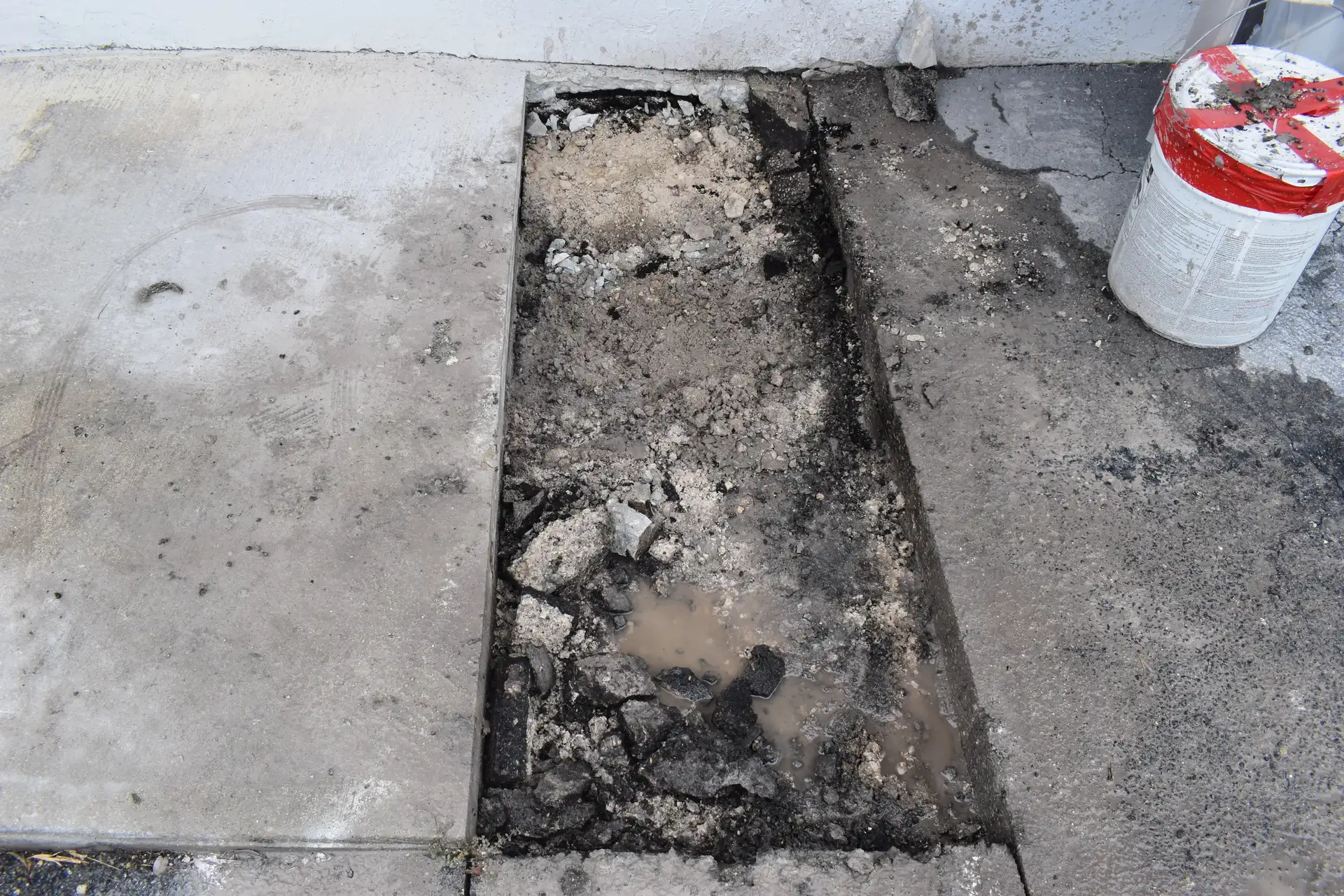
- Excavation required
- Cost: $1,000-$4,000
Pipe lining (trenchless):
- Insert new pipe within old
- Minimal excavation
- Cost: $4,000-$15,000
Pipe bursting (trenchless):
- Break old pipe while pulling new one through
- Minimal excavation
- Cost: $3,000-$20,000
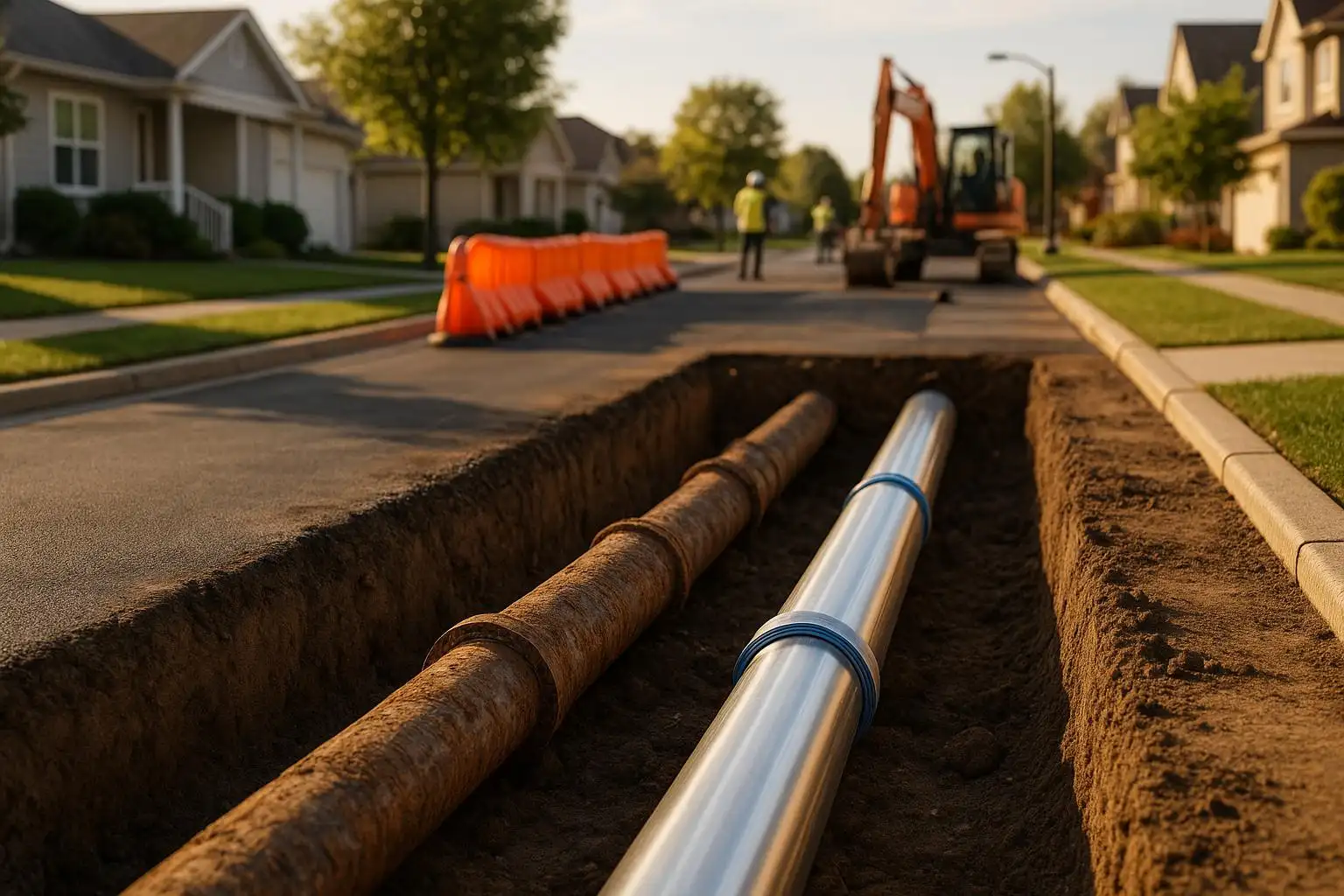
Full replacement:
- Excavate and replace entire line
- Most disruptive but sometimes necessary
- Cost: $5,000-$25,000+
Commercial Drain Services
Businesses have unique drain cleaning needs.
Restaurant Drain Challenges
- Heavy grease accumulation
- High volume usage
- Health code requirements
- Grease trap maintenance
Recommended:
- Monthly professional cleaning
- Quarterly hydro jetting
- Annual camera inspection
- Proper grease trap sizing and service
Multi-Unit Properties
Apartments and condos require:
- Main line maintenance schedules
- Individual unit drain service
- Root management programs
- Emergency response plans
Industrial Applications
Specialized services for:
- Manufacturing facilities
- Medical buildings
- Food processing
- Large-scale commercial
Preventing Drain Problems
Prevention saves money and hassle.
Kitchen Best Practices
Do:
- Wipe greasy pans before washing
- Use sink strainers
- Run hot water after using disposal
- Compost food waste when possible
Don't:
- Pour grease down drains
- Put fibrous foods in disposal (celery, onion skins)
- Overload the garbage disposal
- Ignore slow drains
Bathroom Best Practices
Do:
- Use drain screens/catchers
- Clean drain stoppers regularly
- Flush only toilet paper
- Clean pop-up stoppers monthly
Don't:
- Flush "flushable" wipes
- Let hair accumulate
- Use drain as trash can
- Ignore gurgling sounds
Main Line Care
Preventive measures:
- Know where your cleanouts are
- Schedule regular professional cleaning
- Address tree root issues proactively
- Have camera inspections every few years
Understanding Drain Cleaning Costs
Knowing what affects pricing helps you budget and evaluate quotes.
Typical Service Costs in Miami
| Service | Price Range |
|---|---|
| Simple drain clearing | $75-$200 |
| Snake multiple drains | $150-$350 |
| Main line cleaning | $200-$500 |
| Hydro jetting (residential) | $350-$800 |
| Camera inspection | $200-$500 |
| Root cutting | $200-$500 |
| Emergency service | Add $100-$200 |
Factors Affecting Cost
- Location and accessibility of clog
- Severity and type of blockage
- Equipment required
- Time of service (emergency vs. scheduled)
- Number of drains affected
- Condition of pipes
Value of Professional Service
Professional drain cleaning provides:
- Thorough cleaning vs. temporary fix
- Identification of underlying issues
- Prevention of future problems
- Protection of your plumbing investment
- Warranty on work performed
When to Call a Professional
Know when DIY isn't enough:
Call Immediately For:
- Sewage backing up into home
- Multiple drains affected simultaneously
- Foul odors from drains or yard
- Standing water around floor drains
- Gurgling from multiple fixtures
Call Soon For:
- Recurring clogs in same drain
- Clogs that DIY can't clear
- Slow drains throughout house
- Strange sounds from drain system
- Planning major plumbing changes
Consider Professional For:
- Preventive maintenance
- Pre-purchase home inspection
- Annual drain health check
- Grease trap service (commercial)
Choosing a Drain Cleaning Professional
Select your service provider carefully.
What to Look For
- Licensed plumbing contractor
- Experience with your type of issue
- Proper equipment for the job
- Transparent pricing
- Warranty on services
- Good reviews and reputation
Questions to Ask
- What methods do you use?
- Do you offer camera inspection?
- What's included in your pricing?
- Do you warranty your work?
- Can you handle repairs if needed?
Red Flags to Avoid
- Pressure to decide immediately
- Unusually low prices (may upsell later)
- No license or insurance
- Won't provide written estimate
- Recommends unnecessary services
Hernandez Plumbing's Approach
For over 50 years, Hernandez Plumbing has kept Miami drains flowing freely. We've seen every type of clog, backup, and sewer problem that South Florida's unique conditions can create—from the chronic tree root invasions common in older neighborhoods to the grease buildup that plagues restaurant districts.
Our approach to drain cleaning goes beyond simply clearing the immediate blockage. We believe in comprehensive diagnostics that identify the root cause of your problem, not just its symptoms. A recurring clog usually indicates an underlying issue—whether it's pipe damage, improper slope, root intrusion, or a behavior pattern that's sending the wrong materials down your drains. We'll find that cause and address it.
We match our solution to your specific problem. Sometimes a simple snaking is all you need; other times, hydro jetting is the only way to restore your pipes to proper function. We'll recommend the right approach for your situation—not the most expensive one—and explain exactly why we're recommending it.
Our pricing is transparent and provided upfront, before any work begins. We stand behind every job with a satisfaction guarantee, and our emergency service means you're never left dealing with a drain disaster alone, day or night. When you call Hernandez Plumbing, you're getting technicians who understand South Florida plumbing inside and out, equipped with professional-grade tools to handle everything from a stubborn kitchen sink to a complete main line backup.
Frequently Asked Questions
How often should drains be professionally cleaned?
For most homes, annual preventive cleaning is sufficient. If you have trees near your sewer line, every 6-12 months is recommended. Commercial properties typically need monthly service.
Is hydro jetting safe for old pipes?
Hydro jetting is adjustable and can be safely used on most pipes. However, a camera inspection first is recommended for older homes to assess pipe condition. Very deteriorated pipes may not be candidates for high-pressure cleaning.
Why do my drains smell bad?
Drain odors usually come from buildup in the pipes, dry P-traps (run water in unused drains), or vent problems. Professional cleaning and inspection can identify and resolve the source.
Can I use chemical drain cleaners occasionally?
We recommend against chemical cleaners entirely. They're hard on pipes, dangerous to handle, and often don't solve the underlying problem. Natural methods or professional service are safer and more effective.
What's the difference between a drain snake and hydro jetting?
Snaking punches through clogs but leaves residue on pipe walls. Hydro jetting scours the entire pipe interior, removing all buildup. Hydro jetting is more thorough but not always necessary for simple clogs.