Florida Water Damage Claims Statistics: Plumbing vs Flood Loss
Florida Water Damage Claims Statistics: Plumbing vs Flood Loss
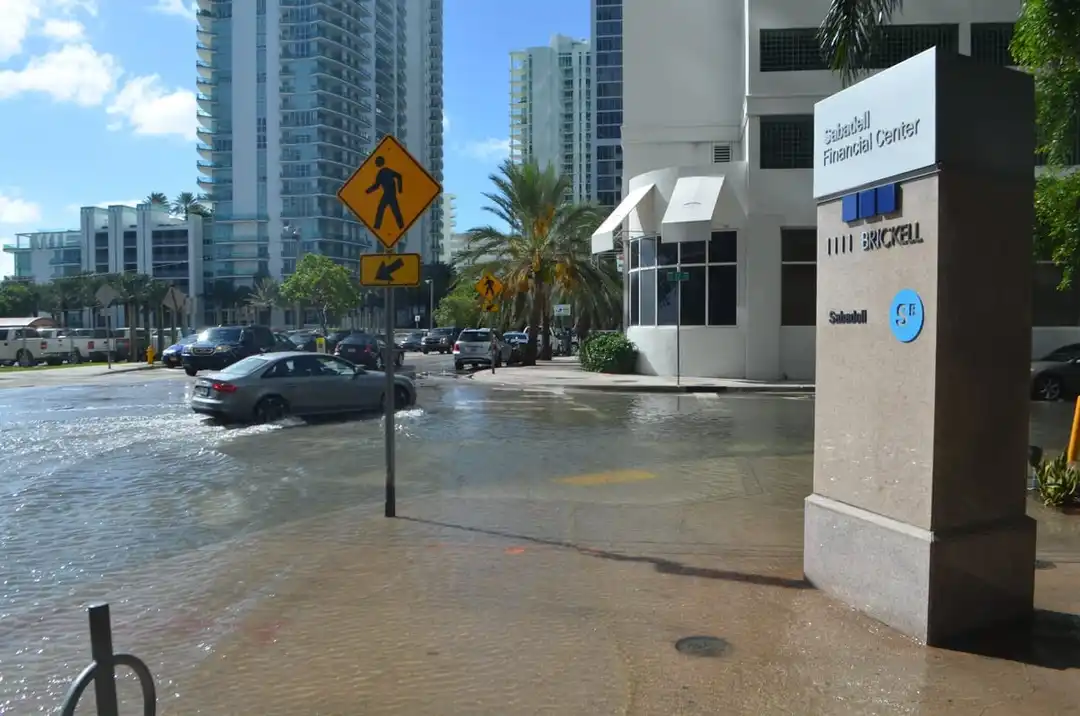
Miami-Dade's flood exposure is real, but statewide insurance data must be read carefully: internal water-loss categories and NFIP flood claims answer different questions.
Florida water damage claims statistics are most useful when they start with the source of the water. When water shows up under a baseboard in Miami, the first question is practical: where is it coming from, and who needs to be called first? The second question is harder: is this a plumbing repair, a mitigation job, an insurance claim, a flood issue, or some mix of all four?
This study uses Florida water damage claims statistics from the Florida Office of Insurance Regulation and National Flood Insurance Program claim data available through OpenFEMA. The goal is not to predict whether any one loss will be covered. Policies, exclusions, deductibles, endorsements, flood rules, notice deadlines, and claim facts all matter. The goal is narrower and more useful for homeowners: separate plumbing-related internal water-loss data from NFIP flood data, explain what the numbers can and cannot prove, and give you a documentation playbook for the first hours after a leak.
The headline finding is simple but easy to misuse. Florida insurers reported 82,965 closed claims in 2024 under the OIR peril category "Accidental Discharge; Overflow of Water; Steam." That category is highly relevant to plumbing because it includes water escaping from contained systems, but it should not be described as "all plumbing failures" or "all water damage." OIR also tracks "Other Water," hurricane, windstorm, fire, and other categories. On the flood side, OpenFEMA counted 348 NFIP claim records for Miami-Dade County in 2022, but that is a local federal flood-insurance dataset count, not a measure of every flood loss, every uninsured flood event, or every private flood-insurance claim.
Read the numbers as a map, not a verdict. They show that plumbing-related internal water loss is a recurring Florida property problem, that litigated claims behave differently from non-litigated claims, and that Miami-Dade flood context belongs in the discussion without turning flood claims into plumbing claims.
Internal Water Loss Is Not The Same Thing As Flood Loss
Water claims turn on source and pathway. A supply line that fails inside a vanity is different from stormwater that rises from the street. A backed-up drain is different from a canal overtopping after a tropical system. A slow, hidden leak inside a wall may be treated differently from a sudden pipe rupture, depending on the policy and the facts.
For this article, "internal water loss" means water that originates from a building system or fixture rather than from rising surface water outside the structure. Common examples include:
- A burst supply line under a sink or behind a toilet.
- A failed water heater tank or connection.
- A fixture overflow that starts inside the home.
- A slab leak or failed pipe that requires leak detection.
- A deteriorated drain or sewer line that needs camera inspection or cast iron pipe replacement.
The OIR category most relevant to that discussion is "Accidental Discharge; Overflow of Water; Steam." It is best described as a plumbing-related or internal water-loss category. It is not perfect shorthand for every plumbing repair because insurance reporting categories are not the same as a plumber's diagnosis. A plumber may find a failed angle stop, corroded pipe, cracked fitting, or water-heater connection; the insurer may classify the claim by peril, policy language, reporting status, and claim outcome.
Flood loss is different. FEMA defines flood for the National Flood Insurance Program as a general and temporary condition of partial or complete inundation of two or more acres of normally dry land area or two or more properties, at least one of which is the policyholder's property, from sources such as overflow of inland or tidal waters, rapid accumulation or runoff of surface waters, mudflow, or certain water-driven shoreline erosion. FEMA's NFIP claims material gives useful examples: a toilet overflow that is not caused by an SFIP-defined flood is not the same thing as a flood claim, and a sump backup without flooding in the area is treated differently from a backup caused by flood conditions.
That definition matters in Miami-Dade because a home can face both risks in different seasons. A Coral Gables slab leak, a Doral water-heater failure, and stormwater entering a low-lying property may all leave wet flooring, but they do not enter the data the same way.
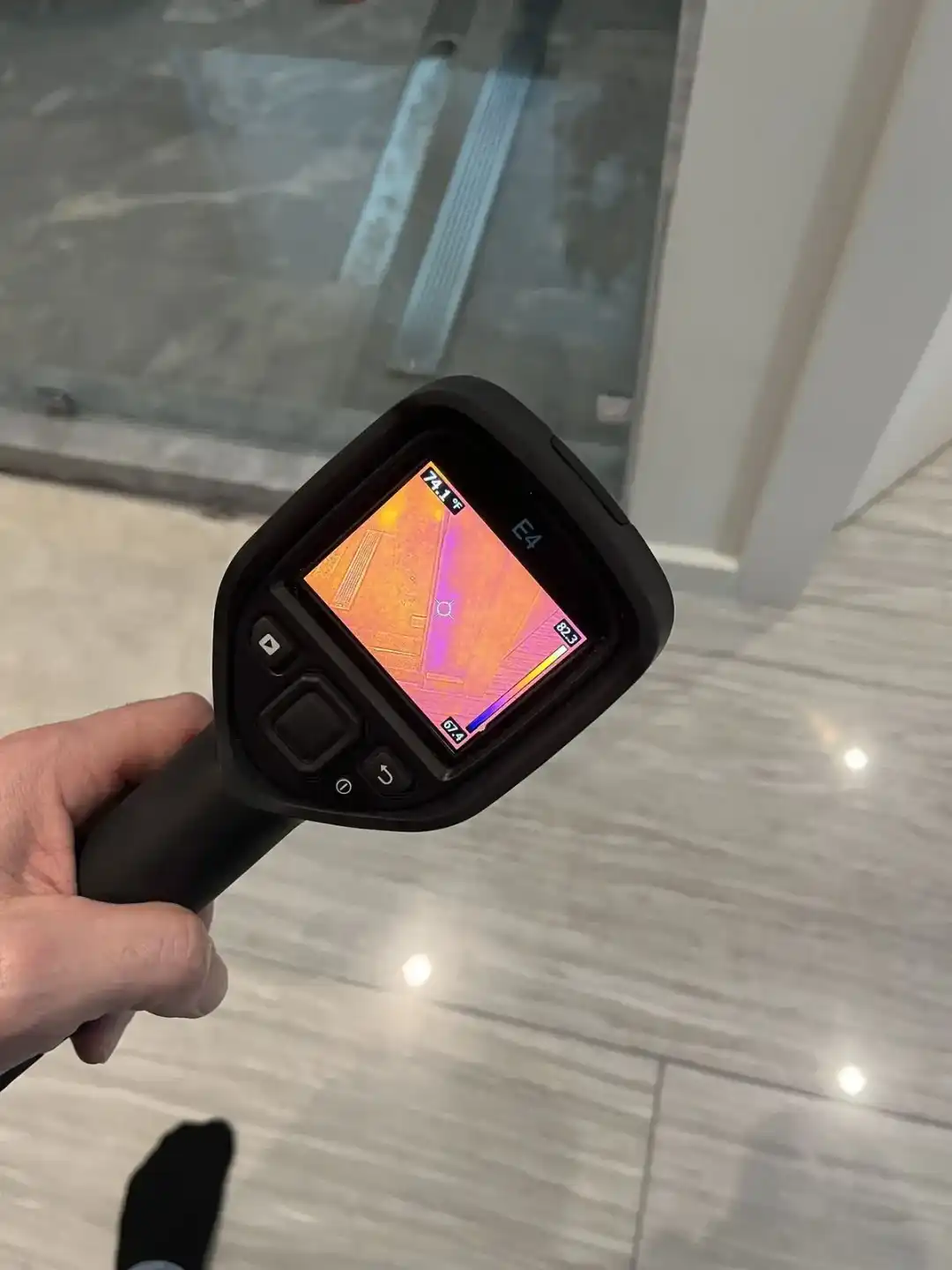 A technician can help identify and stop the plumbing source, but the insurance category and claim decision belong to the insurer and the policy language.
What The OIR Data Says About Plumbing-Related Internal Water Loss
OIR's Property Insurance Stability reports draw from several regulatory sources, including insurer data calls. For claim lifecycle data, OIR explains that the reporting template captures information on closed claims in the reporting calendar year and that unique claim counts do not include duplicate claim IDs. That makes the OIR data useful, but it also means one important thing: a claim closed in 2024 may have been reported in an earlier year.
Here is the cleanest way to read the plumbing-related internal water-loss category:
| OIR closed-claim year | Peril category | Closed claims | Litigated | Non-litigated | Unknown |
|---|---|---|---|---|---|
| 2024 | Accidental Discharge; Overflow of Water; Steam | 82,965 | 11.68% | 86.33% | 1.99% |
| 2023 | Accidental Discharge; Overflow of Water; Steam | 89,641 | 12.55% | 76.96% | 10.48% |
Two practical observations stand out.
First, the category is consistently large. OIR recorded roughly 83,000 to 90,000 closed claims in this single internal water-loss category across the two years shown. That scale is why homeowners should treat small leaks seriously. A dripping shutoff valve, a pinhole line in a wall, or a water heater connection that looks minor at 8 a.m. can become drywall, flooring, cabinet, and mold-prevention work by the end of the day.
Second, the category is not the only water category in the OIR report. In 2024, OIR also listed 82,066 closed claims under "Other Water." That is a warning against oversimplified statements like "all Florida water claims are plumbing claims." The more careful statement is that accidental discharge, overflow of water, and steam is a major plumbing-related/internal water-loss category within the broader property-insurance data.
Litigation And Closing Time: What To Notice, And What Not To Infer
Water-loss claims can become expensive not only because of the water itself, but because the claim may involve mitigation vendors, plumbers, public adjusters, attorneys, inspections, invoices, coverage questions, and disagreements over scope. OIR's reports discuss litigation reforms and track several litigation indicators, including lawsuit service of process, notices of intent to litigate, civil remedy notices, and closed-claim litigation status.
The 2024 accidental discharge category shows 11.68% litigated, 86.33% non-litigated, and 1.99% unknown. In 2023, the same category showed 12.55% litigated, 76.96% non-litigated, and 10.48% unknown. The drop in unknown status from 2023 to 2024 makes the year-over-year comparison cleaner, but it also shows why the table should be read with care. If the unknown bucket changes materially, a simple "litigation went up" or "litigation went down" headline can hide reporting changes.
OIR also reports claim timing across all perils. For claims closed in 2024, the average time for a policyholder to report a claim to an insurer was 47 days, with a median of 6 days. Across all perils, insurers averaged 57 days to close a claim, with a median of 27 days. Those are not plumbing-only averages, so they should not be used to promise how long a specific water-loss claim will take. They do show why early documentation and prompt reporting matter. A claim cannot move through the insurer's process until the insurer has notice, and OIR notes that the time to close varies depending on many factors, including litigation.
The report also includes a combined view of indemnity and loss adjustment expense paid by peril, closing time, and litigated status. For the 2024 accidental discharge category, the table shows much higher average loss adjustment expense for litigated claims than non-litigated claims in each closing-time band. That does not mean litigation is always wrong or always avoidable. It means the file is usually more complex, more expensive to administer, or both.
For homeowners, the practical takeaway is not "avoid disputes at all costs." It is this: build a clear factual record from the beginning. The source of water, the failed part, the timeline, the rooms affected, and the steps taken to prevent further damage are all easier to document in the first hour than three weeks later.
Miami-Dade NFIP Claims Add Context, Not A Plumbing Comparison
Miami-Dade is a good place to separate the two data worlds because local homeowners already understand flood exposure. King tides, heavy summer rain, tropical systems, canals, and low-lying roads are part of the South Florida risk picture. But the NFIP claims count should not be placed next to statewide OIR accidental discharge claims as if they are the same denominator.
For 2022, an OpenFEMA API query for Miami-Dade County's FIPS code, 12086, and year of loss 2022 returned 348 NFIP claim records. That figure is useful because it gives a local flood-insurance reference point. It is limited because it only captures NFIP claim records in that dataset. It does not count uninsured flood losses, private flood-insurance claims outside NFIP, every stormwater intrusion that never became a claim, or plumbing failures that happened in Miami-Dade.
A safer comparison is qualitative:
- OIR's accidental discharge category shows that internal water-loss claims are a large recurring statewide property-insurance category.
- OpenFEMA shows that Miami-Dade has actual NFIP flood claim activity, but the dataset is federal flood-insurance data, not a local plumbing-loss census.
- A single property may need different responses depending on whether water came from a pipe, fixture, sewer/drain issue, roof or wind-driven rain, rising surface water, or a combination.
That last point matters during storms. If rainwater enters from outside, a plumber may still help with sump, drain, sewer, or backflow issues, but the source determination can involve adjusters, mitigation professionals, roofers, engineers, or other specialists. If a pipe fails during a storm, the fact that bad weather occurred nearby does not automatically make the water a flood. The timeline and source still matter.
The First-Hour Documentation Playbook
When water is spreading, documentation can feel like a delay. It should not be. The goal is to spend a few minutes preserving the facts while still stopping damage quickly. FEMA's NFIP claims handbook recommends keeping important insurance papers accessible, maintaining inventories with photos and videos, and saving repair receipts. The same habits help in plumbing-related water-loss situations, even though the policy and claim pathway may be different.
Use this sequence when it is safe to do so.
- Stop the active water source. Shut off the fixture valve if the leak is local. If you cannot isolate it, shut off the main water valve. For active leaks that cannot wait, call an emergency plumber.
- Protect people first. Avoid standing water near electrical outlets, panels, extension cords, or appliances. If there is any safety concern, get out of the area and call the appropriate emergency or utility contact.
- Record a short video before moving items. Start at the room entrance, show the water path, then move toward the suspected source. Narrate the date, time, and what you observed. Keep it factual.
- Photograph the source and damage. Take wide photos of each affected room, then closer photos of wet baseboards, flooring, cabinets, ceilings, furniture, and the failed part if visible.
- Save the failed component when possible. If a plumber replaces a cracked supply line, failed valve, burst hose, or damaged section of pipe, ask whether the removed part can be preserved in a bag or box. Do not create a safety issue just to save a part.
- Track who arrived and when. Keep a simple log with the plumber, mitigation company, adjuster, and insurer contact times. Save invoices, diagnostic notes, moisture readings if provided, and photos of equipment placement.
- Ask for plumbing findings in plain language. A helpful plumbing invoice should identify the observed source, repair performed, parts replaced, and whether further inspection is recommended. It should not try to decide policy coverage.
- Contact your insurer or agent about claim questions. Policy notice, coverage, deductibles, exclusions, deadlines, and required forms belong with the insurance professional. Do not rely on a contractor to interpret your policy.
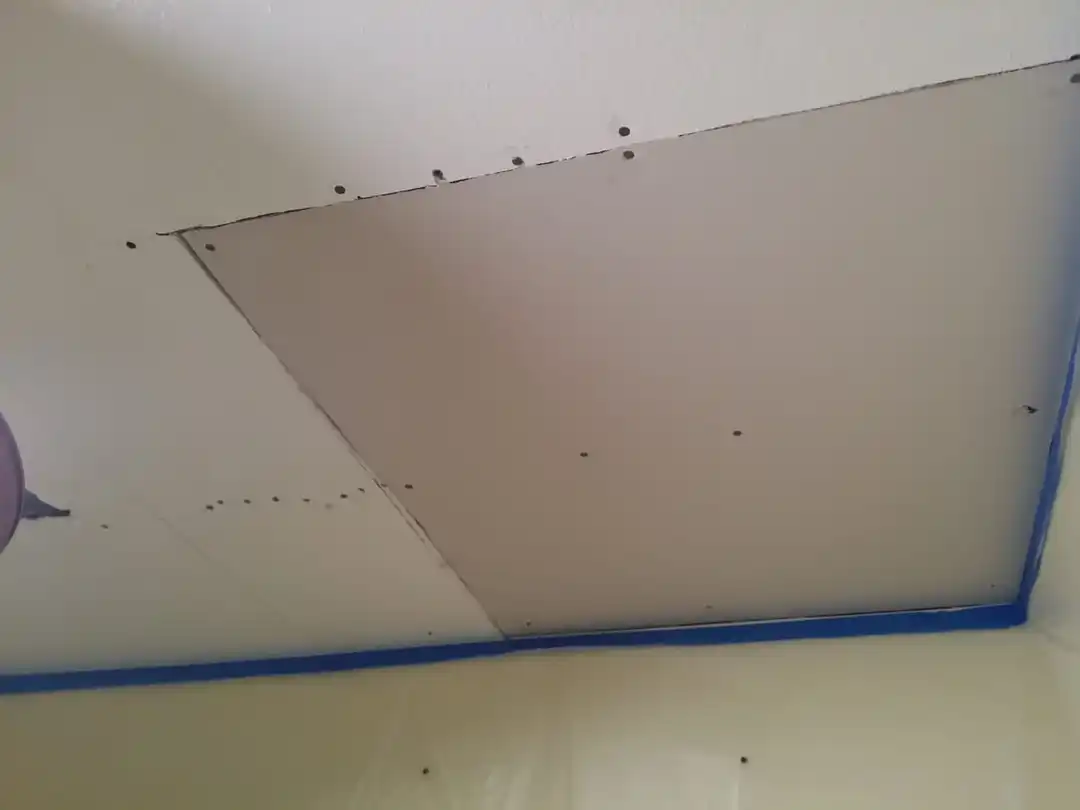 Drying equipment can reduce secondary damage after the water source is controlled, but documentation should start before the scene changes.
What A Plumber Can Do, And What The Insurer Decides
The most common source of confusion after a water loss is role confusion. Homeowners want one person to say what happened, what is covered, who pays, and what happens next. In practice, those responsibilities are split.
A licensed plumber's role is to find and repair plumbing problems. That may include shutting off water, tracing a leak, replacing a failed valve, repairing a pipe, inspecting a drain or sewer line, documenting visible conditions, and advising whether more plumbing work is needed. In an internal water-loss situation, good plumbing documentation can be extremely helpful because it identifies the source of the water in technical but understandable terms.
An insurer's role is different. The insurer evaluates the claim under the policy. That may include whether the loss is covered, which deductible applies, whether exclusions or limitations apply, what documents are required, whether an adjuster needs to inspect, and how the claim should be paid, denied, or otherwise resolved. A public adjuster or attorney may have a role in some disputes, but that is separate from the plumber's repair role.
This is why a homeowner should avoid asking a plumber to promise coverage. A plumber can say, "The braided supply line to the toilet failed and was replaced." A plumber should not say, "Your insurer will cover all damage." Even if a loss looks sudden and accidental, policy terms and claim facts control the outcome.
The best repair file usually contains both practical and insurance-ready information: the plumbing diagnosis, photos, timestamps, invoices, mitigation records, and direct communication with the insurance carrier or agent. If the source is uncertain, say that it is uncertain. Guessing can create more problems than it solves.
Prevention Still Belongs In The Study
OIR data is about closed claims, not maintenance inspections. Still, the size of the accidental discharge category points to the value of routine plumbing attention in older South Florida properties. Miami-Dade homes often combine slab foundations, older drain materials, high humidity, tenant turnover, and heavy fixture use. None of those conditions guarantees a claim, but they increase the importance of catching small failures early.
Homeowners and landlords should watch for:
- Intermittent musty odor near cabinets, closets, or baseboards.
- Warm spots or unexplained floor moisture that may justify slab leak evaluation.
- Corrosion or mineral buildup around shutoff valves and supply lines.
- Water-heater pans, valves, or connections showing rust or active dripping.
- Slow drains, recurring backups, or gurgling that may call for camera inspection.
- Higher water bills that do not match household use.
The right timing depends on the property. A newly built home with modern supply lines does not need the same plan as a 1960s property with original cast iron. A landlord managing multiple units has different exposure than an owner-occupied single-family home. What the data supports is a general discipline: respond to small warning signs before they become rooms of wet materials.
Methodology And Caveats For Reading The Tables
This article uses public regulatory and federal datasets to explain risk categories. It does not use private claim files, individual policy language, or Hernandez Plumbing customer records.
OIR source. The 2024 claim counts and litigation percentages come from the July 1, 2025 Florida Office of Insurance Regulation Property Insurance Stability report. The 2023 figures come from the January 1, 2025 report. In both cases, the relevant peril is "Accidental Discharge; Overflow of Water; Steam." The article describes that peril as plumbing-related/internal water loss because it is relevant to water escaping from contained systems, but it is not identical to a plumber's field diagnosis.
Closed-claim limitation. OIR says the claim lifecycle data captures closed claims within the reporting calendar year, and that claims closed in a year may not have been reported in the same year. That means the count is not a same-year incident count and should not be turned into exact odds for a Florida household.
Unknown status limitation. OIR notes that unreported litigated status can keep totals from aligning perfectly with litigated and non-litigated sums. The unknown bucket is especially important in 2023, where 10.48% of accidental discharge claims were listed as unknown.
Timing limitation. OIR's 47-day average reporting time and 57-day average closing time in the 2024 report are across all perils, not only accidental discharge. They are useful claim-process context, not a guarantee for water-loss claims.
NFIP limitation. The Miami-Dade flood number comes from OpenFEMA's FimaNfipClaims dataset filtered to county code 12086 and year of loss 2022. FEMA explains that the dataset is redacted to protect policyholder information, is updated with a lag, and is not intended to be an official federal report. Treat the 348 count as a dataset result for NFIP records, not as the full universe of flood damage in Miami-Dade.
No coverage or legal advice. This article is educational. Hernandez Plumbing Co. is a licensed plumbing contractor, not an insurance agency or law firm. For policy interpretation, coverage questions, deadlines, disputes, or legal strategy, speak with your insurer, agent, public adjuster, or attorney as appropriate.
If you are dealing with an active leak in Miami-Dade, the safest sequence is straightforward: stop the water, document the scene, call the right professionals, and keep coverage questions with the people qualified to answer them. For urgent plumbing help, Hernandez Plumbing Co. can assist with leak detection, emergency repairs, and source documentation while you coordinate claim questions directly with your insurer.