FAQs About Low-Flow Plumbing Upgrades
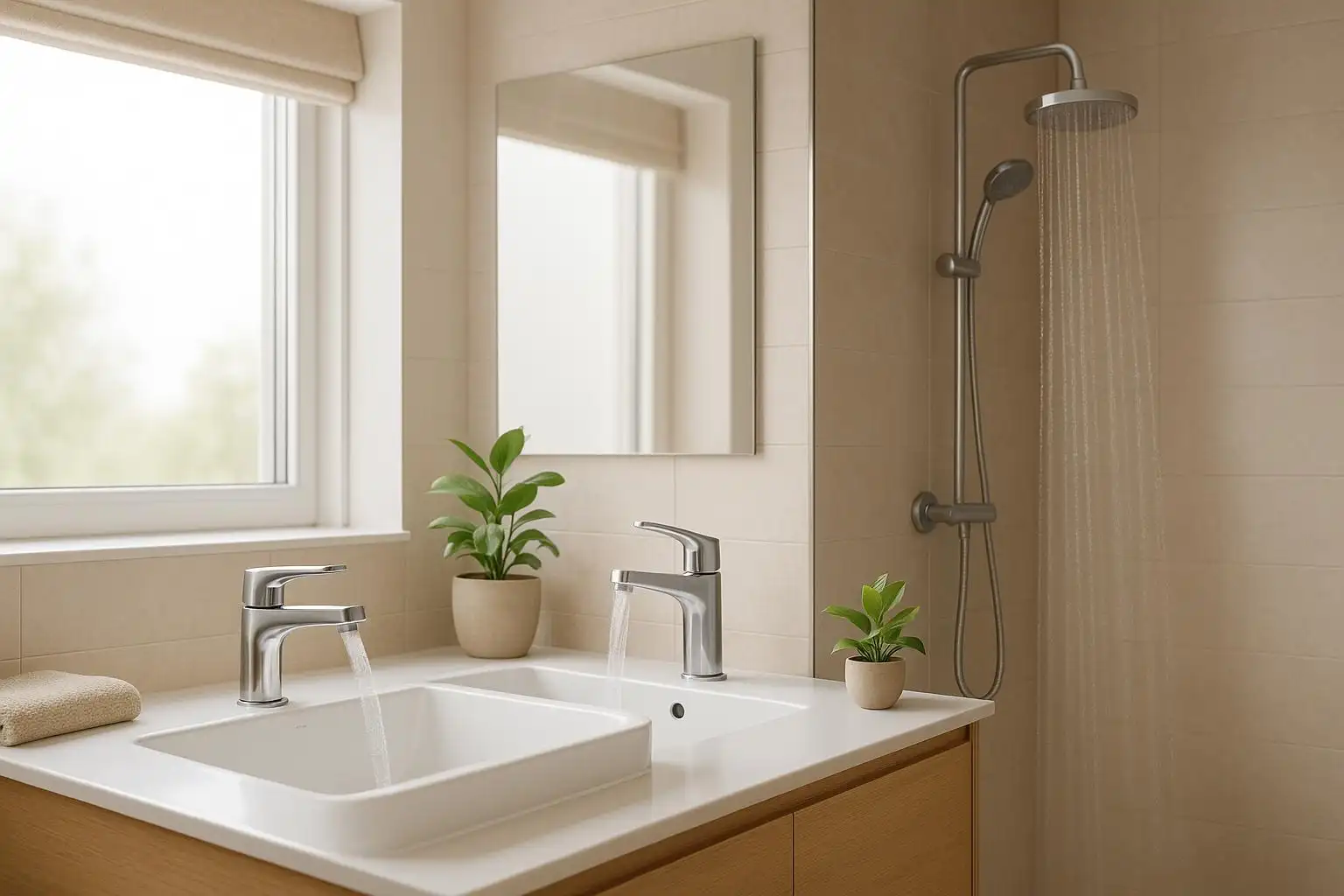
Low-flow plumbing upgrades help reduce water use, lower utility bills, and add value to your property. Before upgrading, consider scheduling a professional leak detection service to ensure your current system isn't wasting water due to hidden leaks. These fixtures – like toilets, showerheads, and faucets – are designed to use less water without compromising performance. For more upgrade ideas, read about smart plumbing upgrades for long-term savings. You might also want to transform your bathroom with a relaxing rain shower experience or get tips for planning your bathroom renovation and moving plumbing. Here's what you need to know:
- Water Savings: Low-flow toilets use 1.28 gallons per flush (GPF) or less, compared to older models that use 3.5–7 GPF. Showerheads operate at 1.8 gallons per minute (GPM) or less, and faucets at 1.5 GPM or less.
- Cost Savings: A family of four can save $300–$400 annually. For example, low-flow toilets save about $110/year, showerheads $70–$80/year, and faucets $30–$50/year.
- Installation Costs: Basic fixtures start at $12–$50, with professional installation ranging from $180 to $882 for individual items.
- Rebates: Federal and local programs may cover up to 30% of costs through rebates or tax credits.
Switching to low-flow fixtures also reduces energy use by lowering hot water demand, benefiting both your wallet and the environment. To maximize savings, look for WaterSense-labeled products and consider professional installation for optimal performance.
Top Plumbing Upgrades for an Eco-Friendly Home | Save Water & Energy!
Costs and Financial Benefits of Low-Flow Upgrades
Low-flow upgrades come with some upfront costs, but they deliver substantial long-term savings. Plus, with various rebates and incentives available, these upgrades often make financial sense in the long run.
Upfront Costs and Installation Expenses
The cost of installing low-flow fixtures depends on the type of fixture and how complex the installation is. For example:
- Basic low-flow toilets start at around $50.
- Low-flow showerheads can cost as little as $12.
- Faucets typically begin at $20.
In Miami, hiring a licensed plumber costs between $50 and $120 per hour. Here’s a breakdown of typical installation costs:
- Toilets: $262–$882
- Faucets: $180–$420
- Sinks: $240–$630
- Larger fixtures: ~$450–$1,800 each
- Full plumbing replacements: $4,500–$15,000
For bigger projects, like replacing the plumbing in a two-bedroom, one-bath home, costs generally start at $4,500 and can climb to $15,000, depending on the complexity. Simple fixture swaps are quicker and less expensive, while custom installations can take more time and drive up labor costs.
While these upfront expenses might seem steep, the long-term savings make them worthwhile.
Long-Term Savings and Return on Investment
The financial benefits of low-flow fixtures extend well beyond the initial investment. Here’s how they can save you money:
- Switching to low-flow setups can cut household water use by 20% to 60%.
- WaterSense faucets alone reduce water flow by 30%, lowering both water and energy bills.
- Since heating water accounts for about 18% of an average utility bill, using less hot water directly reduces energy expenses.
- Preventing leaks also saves money – a single drip per second wastes 1,661 gallons of water annually, costing up to $35. Professional water line repair can address these issues.
On a larger scale, if every U.S. home upgraded to WaterSense-labeled faucets and aerators, the country could save nearly $1.6 billion annually in water and energy costs while conserving about 71 billion gallons of water. For individual households, replacing outdated fixtures could save nearly 11,000 gallons of water over their lifetimes.
Rebates and Incentives
To make low-flow upgrades even more appealing, there are numerous programs and tax credits to help offset the initial costs:
- Federal Energy Efficient Home Improvement Credits: These cover 30% of qualified expenses, with a cap of $1,200–$2,000 annually.
- Local rebates: Many water providers offer rebates for installing low-flow fixtures.
- ENERGY STAR® incentives: Certified natural gas water heaters, for example, may qualify for tax credits covering 30% of project costs, up to $600.
To take advantage of these programs, check with your local water provider and energy company for rebate details. For federal tax credits, include Form 5695 (Residential Energy Credits Part II) with your tax return. Starting in 2025, the IRS will require product identification numbers (PINs) for all Energy Efficient Home Improvement Credit items, so keep documentation from manufacturers.
These financial incentives, combined with the environmental benefits, make low-flow upgrades a smart choice for both your wallet and the planet.
Water and Energy Conservation Impact
Switching to low-flow plumbing fixtures isn’t just about cutting costs on your utility bill – it’s about making a meaningful difference for the environment and your community. These upgrades conserve water and reduce energy use, creating a ripple effect of benefits that extend far and wide.
Water Conservation Benefits
Low-flow fixtures are game-changers when it comes to saving water. They can cut water usage by 25%–60%, translating into thousands of gallons saved annually. That’s not just good for your wallet; it’s a win for the planet.
"Low-flow fixtures represent one of the most effective ways to reduce water consumption without sacrificing comfort or convenience." – Quality Plumbing
For perspective, a household fully equipped with low-flow fixtures can save thousands of gallons of water every year. On a national scale, if every U.S. home replaced existing faucets and aerators with WaterSense-labeled models, it could save an astounding 71 billion gallons of water annually. That’s enough to make a real dent in water conservation efforts.
Energy Efficiency Improvements
Water and energy use are closely linked, especially when it comes to heating water. Did you know water heating makes up about 18% of a typical utility bill? Globally, hot water accounts for roughly a quarter of residential energy use. By using low-flow fixtures, you reduce the amount of water that needs heating, which directly lowers energy consumption.
For instance, low-flow faucets can cut water flow by 30% or more, leading to comparable energy savings. And when you install WaterSense-labeled faucet aerators and showerheads, an average family can save nearly 3,500 gallons of water and about 410 kilowatt-hours of electricity each year. That’s a significant reduction in both water and energy use, which also translates into lower utility bills over time.
Community and Local Benefits
The advantages of low-flow fixtures extend beyond individual households – they benefit entire communities. By reducing the demand on municipal water systems, these upgrades help ensure reliable access to clean water, which is especially critical in areas facing water shortages.
"Low-flow fixtures conserve freshwater resources, reducing the strain on water supplies and promoting sustainability." – Project Drawdown
Less water usage also means municipalities can avoid expensive infrastructure upgrades, helping stabilize water rates. According to EPA estimates, replacing inefficient toilets nationwide with WaterSense-labeled models could save over 520 billion gallons of water and $11.3 billion in water and energy costs over a decade. Similarly, upgrading faucets and aerators could save nearly $1.6 billion annually.
Beyond the numbers, adopting low-flow fixtures contributes to a culture of conservation. It helps preserve aquatic ecosystems by reducing water withdrawal and improving wastewater quality. These changes also cut down on community carbon emissions and align with sustainable building practices, even supporting green building certifications. In short, low-flow fixtures are a small step with a big impact.
Choosing and Installing Low-Flow Fixtures
Switching to low-flow fixtures can be a smart way to save water, but it requires thoughtful planning and proper installation to get the most out of your investment. The process begins with selecting the right fixtures that balance efficiency with compatibility for your home.
How to Select the Right Fixtures
When shopping for low-flow fixtures, look for the EPA’s WaterSense label. This ensures the product reduces water usage by at least 20% without sacrificing performance. Pay attention to flow rates: faucets should be 1.5 GPM (gallons per minute) or less, showerheads around 1.8 GPM or less, and toilets approximately 1.28 GPF (gallons per flush) to align with your plumbing system’s capabilities.
Start by conducting a home water audit to identify which fixtures to replace first. Toilets are often the best place to begin since they typically offer the most water-saving potential. Showerheads and faucets usually follow as the next priorities. If you live in an older home – especially one built before 1990 – your plumbing system might not be optimized for low-flow technology. In such cases, consulting a plumber is a good idea, particularly if you already experience low water pressure. Dual-flush toilets are another great option, allowing you to adjust water usage based on the type of flush. Always confirm your water pressure is compatible with the fixtures you choose to avoid performance issues.
Modern low-flow fixtures come in a wide range of styles and finishes, so you don’t have to compromise on design to achieve water efficiency. Once you’ve selected your fixtures, the next step is deciding how to handle the installation.
Professional Installation vs. DIY
After choosing your fixtures, you’ll need to decide whether to install them yourself or hire a professional. While DIY installation can save money upfront, it comes with risks like improper setup, leaks, or even voided warranties. Additionally, not adhering to building codes could lead to legal complications. If you opt for a DIY approach, take the time to consult thorough instructional guides, follow the manufacturer’s directions closely, and allow extra time for unexpected challenges .
On the other hand, hiring a professional plumber can save you time and provide peace of mind. Professionals bring the expertise and tools needed to handle complex plumbing systems and ensure compliance with local regulations. They can also address issues like balancing water pressure and correctly routing hot and cold water lines with auto-compensating mixing valves. This ensures stable water pressure and temperature, critical for the proper functioning of low-flow fixtures. Professional installation minimizes disruptions and ensures your fixtures operate at peak efficiency from the start .
Hernandez Plumbing‘s Services
If you prefer expert assistance, Hernandez Plumbing offers specialized services to ensure your low-flow fixtures are installed efficiently and optimized for performance. Their licensed technicians provide upfront pricing, 24/7 emergency services, and a satisfaction guarantee. They also offer a diagnostic service, currently discounted to $49 (regularly $97), to evaluate your plumbing system and ensure everything is set up for success.
With professional installation, you can enjoy long-term savings and improved system efficiency. Hernandez Plumbing’s technicians follow manufacturer guidelines meticulously, test fixtures thoroughly after installation, and calibrate automatic faucet sensors to maximize water savings from the very first use .
Summary and Key Points
Upgrading to low-flow plumbing fixtures can be a game-changer for property owners looking to save money and reduce water use.
Main Benefits at a Glance
Low-flow fixtures are designed to use significantly less water than standard ones. For instance, swapping out old faucets and aerators for WaterSense-labeled models can save an average family around 700 gallons of water annually. On a larger scale, homes that install low-flow upgrades typically cut their water usage by 20% to 60%.
The benefits don’t stop at water savings. These fixtures also reduce the amount of hot water needed, which means lower energy bills. For businesses, upgrading to low-flow systems can ease the strain on plumbing infrastructure and help meet water-efficiency codes more easily.
In short, these upgrades deliver real savings and efficiency, making them a practical choice for property owners.
Next Steps for Property Owners
Given the water and energy savings, low-flow upgrades are a smart investment. Here’s how to get started:
- Schedule a professional consultation: Have an expert assess your current plumbing system to identify suitable low-flow options and calculate potential savings. Look for services offering free estimates and upfront pricing to avoid surprises.
For property owners in Miami, FL, Hernandez Plumbing stands out as a trusted option. With over 50 years of experience, their licensed technicians provide top-notch service backed by a 100% satisfaction guarantee and warranties on parts and labor. Plus, their flat-rate pricing ensures transparency from the start.
If you’re ready to take the first step, Hernandez Plumbing offers a comprehensive diagnostic service for $49 (regularly $97). This detailed assessment helps you understand your plumbing needs and plan for the upgrade.
Professional installation is key to ensuring your new fixtures are calibrated for maximum water and energy savings. By partnering with experienced professionals, you’ll enjoy peace of mind knowing your system is optimized for long-term efficiency and reliability.
FAQs
How can I tell if my plumbing system is compatible with low-flow fixtures?
To determine if your plumbing system can support low-flow fixtures, begin by checking your water pressure. These fixtures usually operate at a flow rate of 1.5 to 2.2 gallons per minute (GPM), so your system needs to maintain adequate pressure to ensure they function properly.
You should also confirm that your pipes are at least 1/2 inch in diameter or larger. Pipes smaller than this can limit water flow, which may affect the performance of low-flow fixtures. If you’re uncertain about your system’s compatibility, consider consulting a professional plumber who can evaluate your setup and suggest any necessary adjustments.
What are the environmental advantages of using low-flow plumbing fixtures besides saving water?
Switching to low-flow plumbing fixtures can save water and cut down on energy use since less water needs to be heated. This simple change reduces your household’s carbon footprint while helping to preserve natural resources. By using less water and energy, these fixtures make a meaningful impact on conservation efforts and contribute to protecting the environment for the future.
What maintenance is needed to keep low-flow plumbing fixtures working efficiently?
To keep your low-flow fixtures working efficiently, a bit of regular upkeep goes a long way. Make it a habit to clean aerators and filters to avoid clogs, check for any mineral deposits or debris, and inspect for leaks. These straightforward tasks can help your fixtures stay dependable and perform well over time.
Need Professional Help?
Our licensed plumbers are ready to help with your repiping services needs.